The Chemistry of a Bite, and a Cure from the 1890s
A study published in PLOS Medicine in August 2026 estimates that snakebites kill 274,000 to 513,000 people a year, several times the World Health Organization’s figure of about 81,000 to 138,000. This film explains what venom is made of, how fangs deliver it, how three-finger toxins stop nerve signals, how viper enzymes use up the blood’s clotting factors and break down tissue, how antivenom is made in horses as Albert Calmette first did in 1895, why it must match the snake, and why so many people still die without it.
Interactive 3D film10 min1891 to 2026Published 31 October 2026
How can one bite do so much harm, when a cure has existed since the 1890s? Every year, millions of people are bitten by snakes, most of them farm workers and children in poor, rural parts of Africa, Asia and Latin America.
The World Health Organization estimates that eighty-one thousand to one hundred and thirty-eight thousand people die of snakebite each year, and about three times as many lose a limb or are left with a lasting disability.
A study published in August 2026 in PLOS Medicine suggests the true toll may be two hundred and seventy-four thousand to more than half a million deaths a year. It is one new estimate, and others will test it.
Rice fields at dusk A path between paddies in rural Southeast Asia. AI-generated still.
5.4 million
people bitten
1.8–2.7 million
envenomed: venom actually injected
81,410–137,880
deaths
Every year (WHO)
WHO, low
81k
WHO, high
138k
PLOS Med 2026, low
274k
PLOS Med 2026, high
513k
Deaths a year: two estimates
2.1–7 million
envenomings a year
79
countries’ studies reviewed
The new estimate (PLOS Medicine, 2026)
Prologue
A burden that is hard to count
WHO fact sheet: an estimated 5.4 million people are bitten by snakes each year, with 1.8 to 2.7 million cases of envenoming; around 81,410 to 137,880 people die, and around three times as many suffer amputations and other permanent disabilities; most of the burden falls in Africa, Asia and Latin America, on agricultural workers, children and the rural poor. News-Medical, on Ediriweera et al. in PLOS Medicine (25 August 2026), from the Liverpool School of Tropical Medicine and the University of Kelaniya: a review of studies from 79 countries and geostatistical models give 2.1 to 7 million envenomings and 274,000 to 513,000 deaths a year, with sub-Saharan Africa accounting for 45% of envenomings and deaths. The estimate was summarised for the public in The Conversation, republished by ScienceDaily on 30 October 2026.
Try it: switch between the two estimates. The glowing regions are the ones WHO names, not a measured map.
This film is education, not medical advice. Anyone bitten by a snake should get to a hospital.
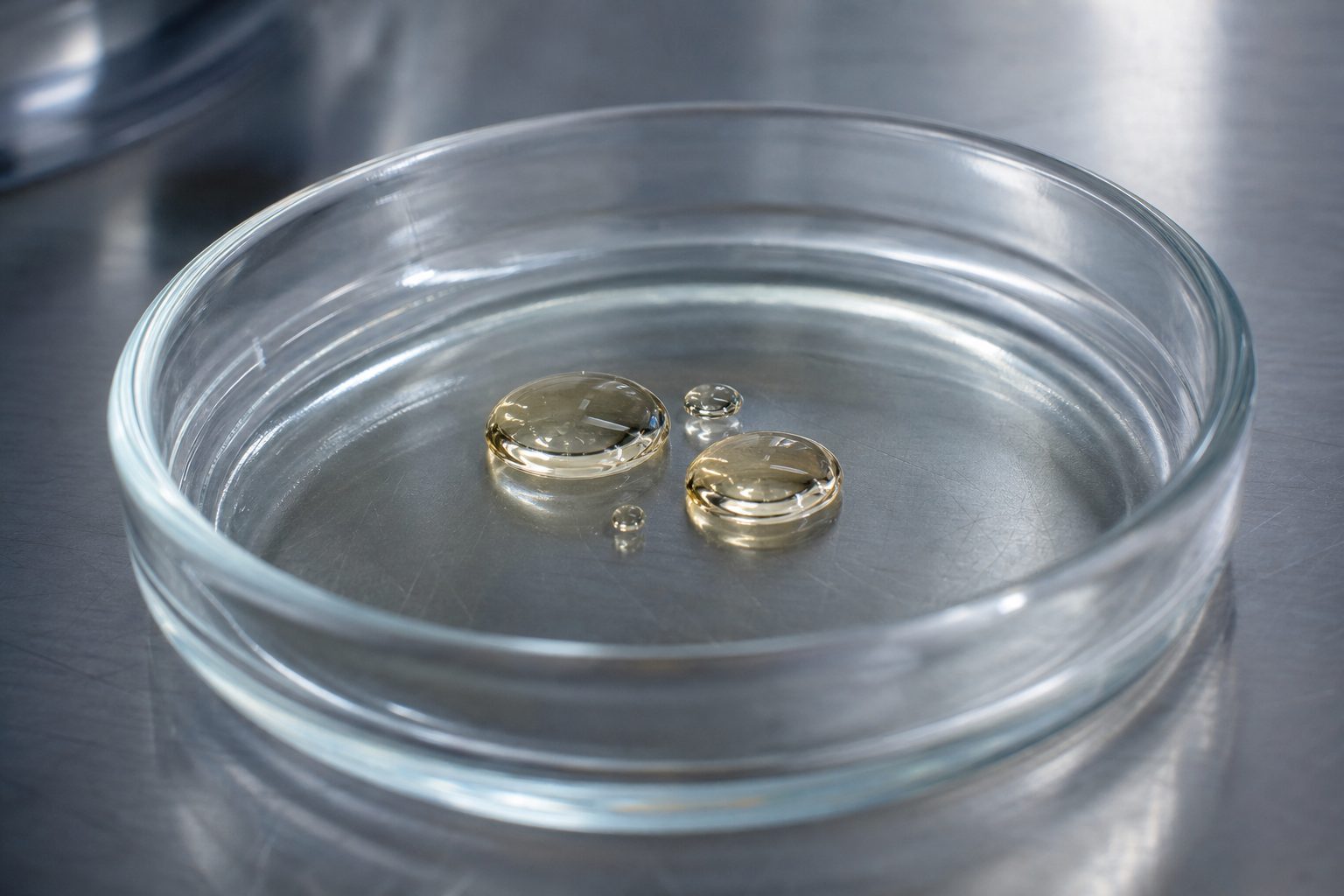
Venom is a modified saliva. A snake makes it in glands in its head and delivers it through its fangs, to subdue prey and to defend itself.
It is not one poison but a cocktail of proteins and smaller peptides.
A 2017 review of studies on the venom of one hundred and thirty-two species found that in each group of snakes, eight to eleven protein families made up about ninety percent of the venom.
Think of two kinds of weapon. Some proteins cut: enzymes that slice up other proteins or break open cell membranes. Others block: three-finger toxins, many of which stop nerve signals. Cobras lean mostly on the blockers and membrane-breakers; vipers mostly on the cutting enzymes.
To immobilise prey
To defend themselves
About a quarter of snake species are venomous
Why snakes make venom
132
species with studied venom
~90%
of venom from a few protein families
63
protein families found in all
The 2017 review (Toxins)
3FTx: three-finger toxins, many block nerves
PLA2: phospholipases A2, attack membranes
SVMP: metalloproteinases, cut proteins
SVSP: serine proteases, cut proteins
The big four, and their abbreviationsA drop of venom Venom collected in a glass dish in a lab. AI-generated still.
Chapter I · What venom is
A cocktail of proteins
Wikipedia, Venomous snake: venom is modified saliva used to immobilise prey and in self-defence, usually delivered through hollow or grooved fangs; about a quarter of snake species are venomous. Tasoulis and Isbister (Toxins, 2017) reviewed venom proteome studies of 132 species: on average about 90% of a venom was made up of a few protein families (eight in elapids, 11 in true vipers, ten in pit vipers); the dominant families were phospholipases A2, metalloproteases, serine proteases and three-finger toxins; elapid venoms were mostly three-finger toxins and phospholipases A2, and viper venoms mostly metalloproteases, phospholipases A2 and serine proteases; of 63 families identified, more than half appeared in under 5% of species.
Try it: step through the families, or switch between a cobra-like and a viper-like recipe. Counts and colours are illustrative.
The 3D scenes are simplified teaching models, not to scale; shapes and colours stand for molecules and are not real structures.
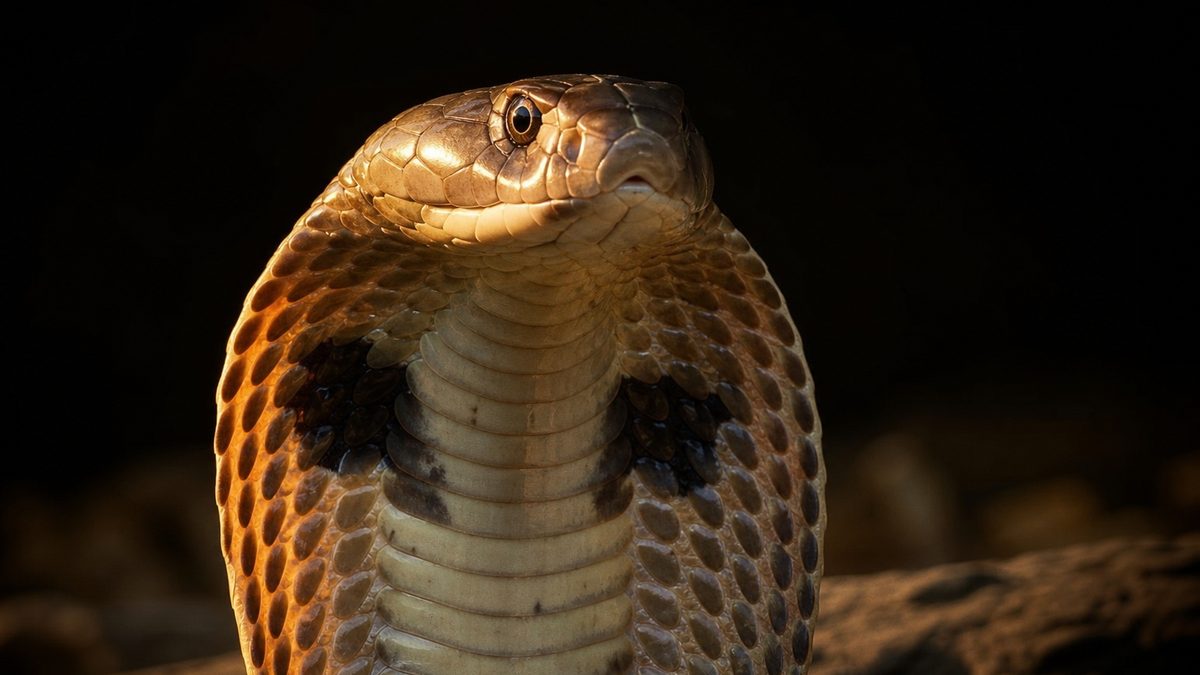
How the venom gets in depends on the fangs. Elapids, the family of cobras, kraits, mambas and sea snakes, have short fangs fixed at the front of the upper jaw.
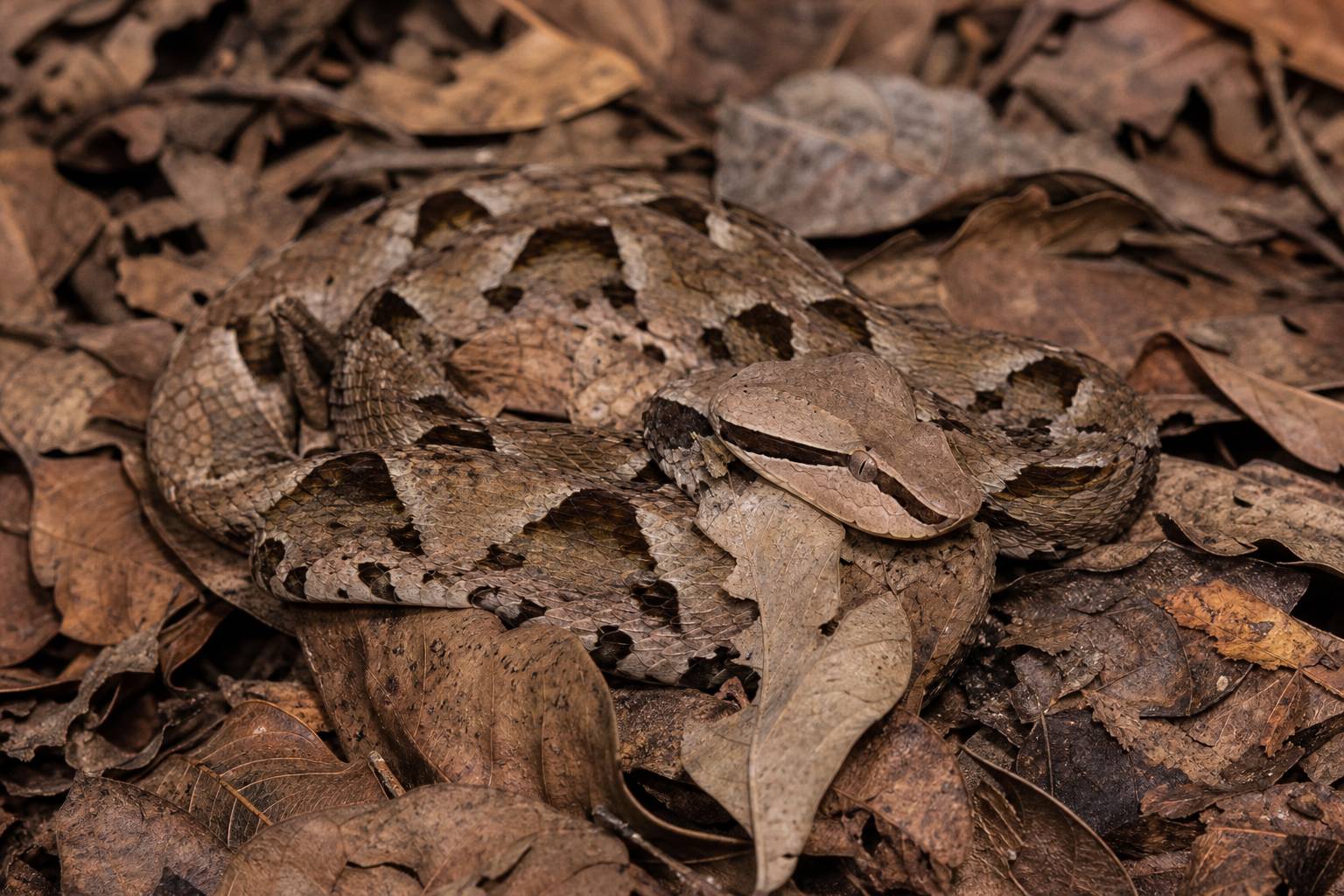
Vipers have long, hollow fangs on movable bones. At rest they fold back inside the mouth, and swing forward to strike. Pit vipers also have a heat-sensing pit on each side of the head, which helps them aim at warm-blooded prey.
Britannica, Elapid: elapids include cobras, kraits, mambas, sea snakes and coral snakes; their fangs are short and fixed at the front of the upper jaw, and their venom is mainly neurotoxic, often also damaging tissue or blood cells. Britannica, Viper: vipers have a pair of long, hollow, venom-injecting fangs on movable bones of the upper jaw, which fold back in the mouth when not in use; pit vipers have a heat-sensitive pit on each side of the head between the nostril and the eye. DCVMN, Queen Saovabha Memorial Institute: products include antivenoms for the king cobra (Ophiophagus hannah), monocled cobra (Naja kaouthia), banded krait (Bungarus fasciatus), Malayan krait (B. candidus), Malayan pit viper (Calloselasma rhodostoma), Russell’s viper (Daboia russelli siamensis) and green pit viper (Trimeresurus albolabris), a neurotoxic polyvalent for the four elapids and a haematotoxic polyvalent for the three vipers.
Try it: switch between a cobra-type and a viper-type fang and watch the viper fang swing out.
The 3D scenes are simplified teaching models, not to scale; shapes and colours stand for molecules and are not real structures.
Every movement starts with a signal. Where a nerve meets a muscle, the nerve ending releases a chemical messenger, acetylcholine. It crosses a tiny gap and fits into receptors, like locks on the muscle's surface, and the muscle contracts.
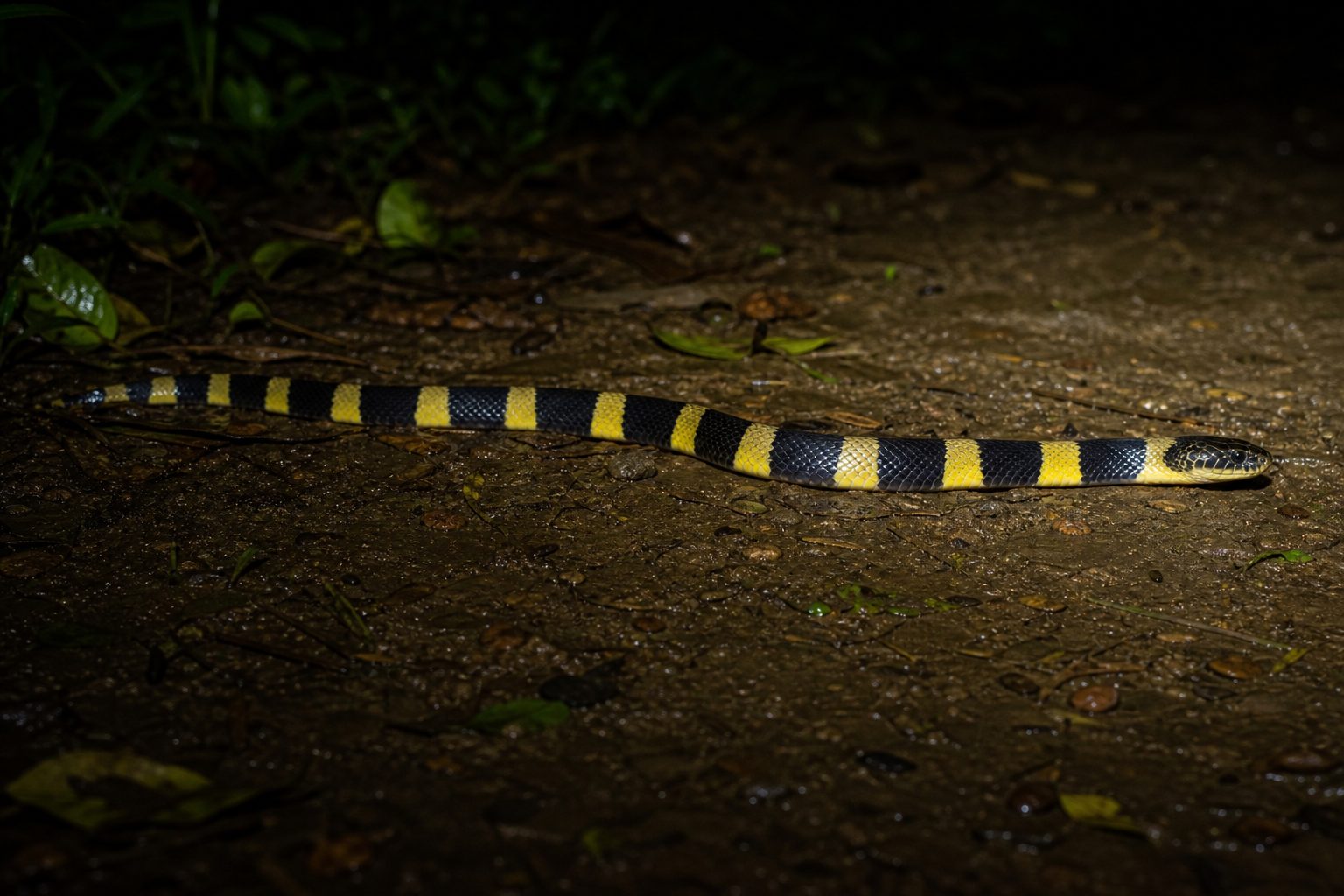
Cobra and krait venoms carry small proteins folded like three fingers. Some of them sit on those same receptors and block them, so the message never lands. The nerve still fires, but the muscle does not answer.
The weakness spreads. A study of cobra bites in Thailand describes drooping eyelids and frozen eye movements, then a paralysis that can reach the muscles of breathing. So a patient may need a breathing machine as well as antivenom.
One such toxin, alpha-bungarotoxin from a krait, grips the receptor so tightly that scientists used it to pull the receptor out of tissue and study it.
The nerve fires
Acetylcholine is released
It binds receptors on the muscle
The muscle contracts
A signal, in four steps
3 loops
the protein chain folds into three “fingers”
the “lock”
they block: the muscle’s acetylcholine receptor (nAChR)
Three-finger α-neurotoxins
Drooping eyelids (ptosis)
Paralysed eye movements
Progressive paralysis
Possible breathing failure
Signs described in Thai cobra bitesBanded krait Bungarus fasciatus; α-bungarotoxin comes from its relative B. multicinctus. AI-generated still.
Chapter II · Stopping the nerves
A message that never lands
Nirthanan and Gwee (J Pharmacol Sci, 2004): three-finger α-neurotoxins from snake venoms bind the nicotinic acetylcholine receptor of muscle and block it; the three-finger fold uses different combinations of contact points to tell receptor subtypes apart. A multi-centre Thai study of monocled cobra (Naja kaouthia) envenoming describes ptosis, ophthalmoplegia, local tissue necrosis and progressive paralysis that can lead to respiratory failure, and notes that endotracheal intubation with ventilator support may be needed; it links cobra venom’s effect to phospholipase A2, three-finger toxins and postsynaptic neurotoxins that inhibit transmission at the motor end-plate.
Try it: fire the nerve, then add the toxin and fire again.
The 3D scenes are simplified teaching models, not to scale; shapes and colours stand for molecules and are not real structures.
This film is education, not medical advice. Anyone bitten by a snake should get to a hospital.
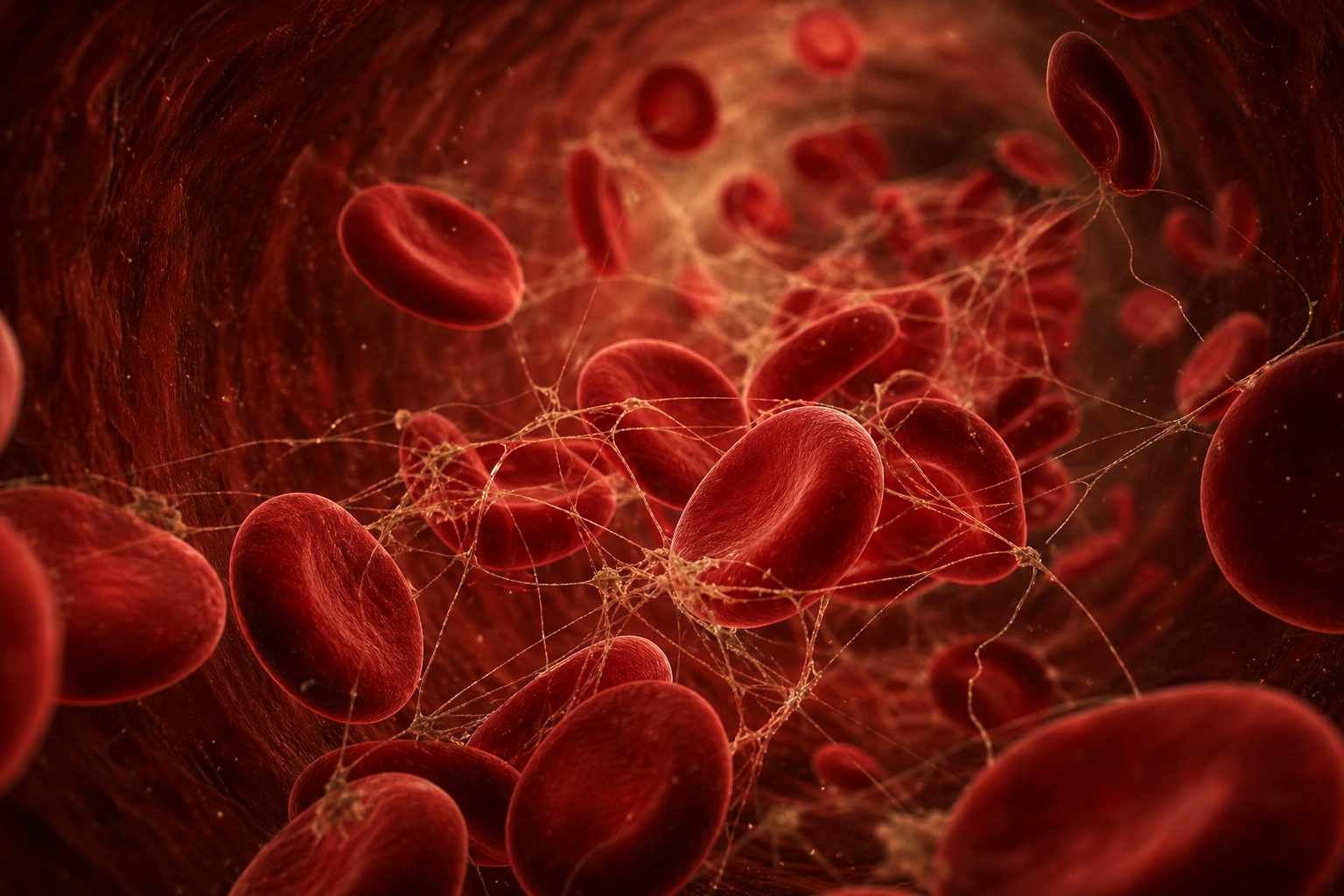
Clotting is a chain reaction. When a vessel is damaged, a series of clotting factors switch one another on, and at the end the blood protein fibrinogen becomes threads of fibrin that seal the leak.
Some venoms, especially those of vipers, carry enzymes that switch this chain on directly, throughout the bloodstream at once. The body's clotting factors are used up faster than it can replace them.
Doctors call this venom-induced consumption coagulopathy. With its clotting factors spent, the blood can no longer seal a leak, and bleeding can become life-threatening.
A vessel is damaged
Clotting factors activate each other
Fibrinogen becomes fibrin threads
A plug seals the leak
Normal clotting, simplified
Prothrombin
Factor V and factor X
Thrombin-like enzymes act on fibrinogen
What venom enzymes switch on
Paralysis that can stop breathing
Bleeding disorders, possibly fatal
Irreversible kidney failure
Severe local tissue destruction
How snakebite harms, per WHOFibrin threads Red cells caught in a fibrin mesh, imagined. AI-generated still.
Chapter III · Blood and tissue
When clotting runs out
Venom-induced consumption coagulopathy (Wikipedia, citing the clinical literature) is the over-activation of the body’s clotting system by venom, which uses up clotting factors and impairs haemostasis; procoagulant venom enzymes activate prothrombin, factor V or factor X, or act like thrombin; rapid recognition and prompt antivenom are central to treatment. WHO lists the effects of snakebite envenoming as paralysis that may prevent breathing, bleeding disorders that can lead to fatal haemorrhage, irreversible kidney failure, and severe local tissue destruction that can cause permanent disability and limb amputation.
Try it: make a leak and watch it seal; add venom, wait for the fibrinogen to run out, then make a leak again.
The 3D scenes are simplified teaching models, not to scale; shapes and colours stand for molecules and are not real structures.
This film is education, not medical advice. Anyone bitten by a snake should get to a hospital.
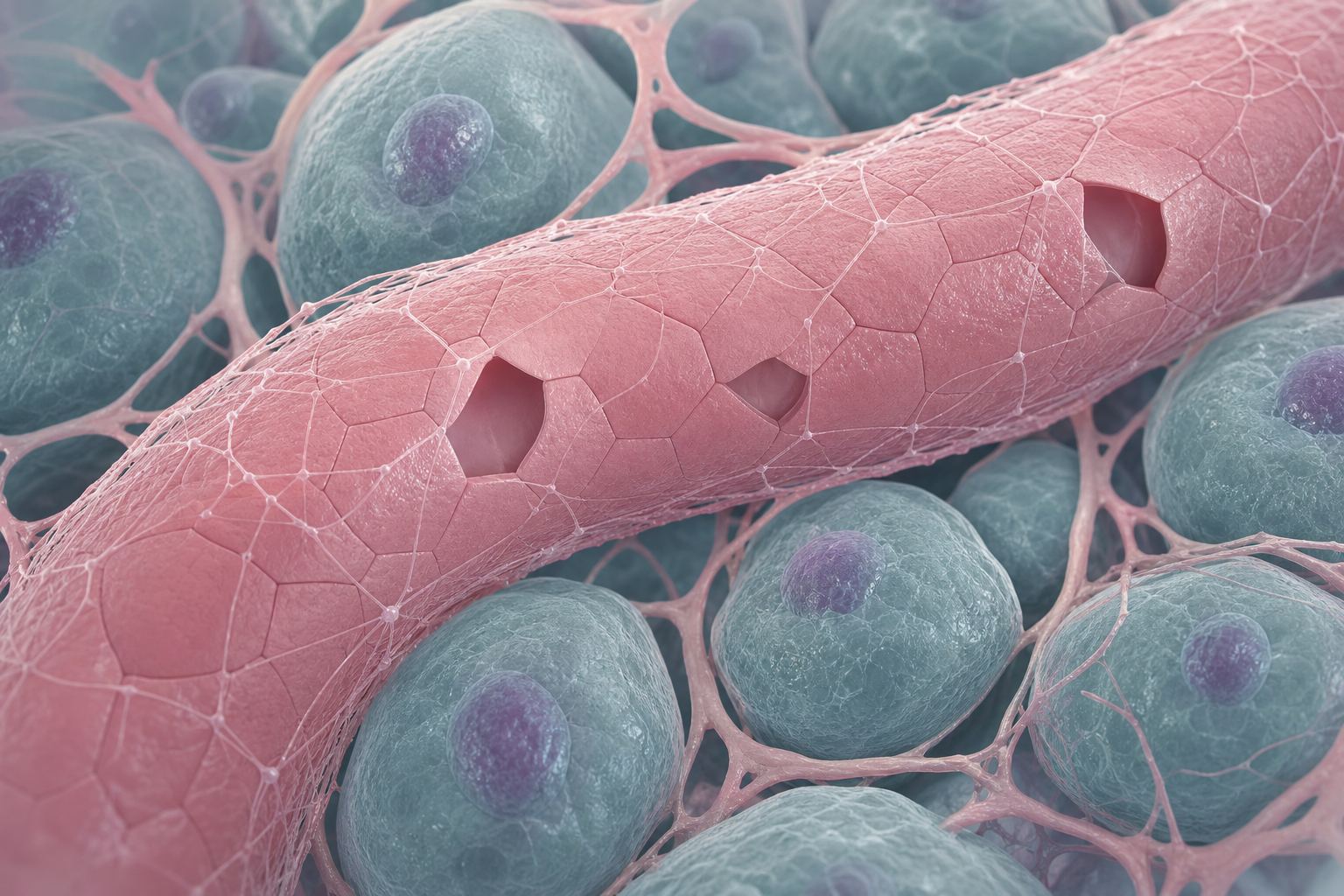
Other toxins attack the tissue around the bite. Metalloproteinases, most abundant in vipers, cut the basement membrane, a thin sheet that holds the walls of small blood vessels together.
The vessel walls come apart, blood leaks into the tissue, and cells that lose their blood supply can die. Meanwhile some phospholipases, and cytotoxins found in cobras, damage cell membranes directly.
A 2024 review calls this tissue damage the main cause of the severe, lasting harm from snakebite, which can mean a permanent disability.
Metalloproteinases: in all venomous families, most in vipers
Cytotoxic phospholipases A2
Cytotoxic three-finger toxins: only in four elapid genera, including cobras
Tissue-damaging toxins (2024 review)
Basement membrane weakened
Capillary wall breaks open
Blood leaks out
Tissue loses its blood supply
From cut membrane to dead cells
~400,000
people a year with severe morbidity (2024 review)
Lasting harmA leaking capillary, imagined Gaps open in the wall of a small vessel. AI-generated still.
Chapter III · Blood and tissue
Toxins that break tissue
A review in Communications Biology (2024): snake venom metalloproteinases, found in all venomous snake families and most abundant in vipers, degrade components of the basement membrane of capillaries, which leads to endothelial disruption, haemorrhage and ischaemic cell death; cytotoxic phospholipases A2 hydrolyse membrane phospholipids; cytotoxic three-finger toxins occur only in four elapid genera (Naja, Hemachatus, Ophiophagus, Aspidelaps); tissue damage is the main cause of the severe morbidity from snakebite, estimated at about 400,000 victims a year. WHO: around three times as many people suffer amputations and other permanent disabilities as die.
Try it: add metalloproteinases to the vessel, then cytotoxins to the cells around it.
The 3D scenes are simplified teaching models, not to scale; shapes and colours stand for molecules and are not real structures.
The cure came in the 1890s. In 1890 Louis Pasteur invited a French doctor, Albert Calmette, to run vaccination work at the Pasteur Institute in Saigon. There Calmette met the cobra, and in 1891 he published a study of its venom.
He built on an idea from earlier experiments: an animal given small, repeated doses of venom becomes resistant to it. In 1894 he made an anti-cobra serum in rabbits.
In 1895, at the Pasteur Institute in Lille, he began producing it in horses. More than a hundred and thirty years later, most antivenom is still made in much the same way.
An 1890s laboratory Glassware and a brass microscope of the period. AI-generated still.
1890 Pasteur sends him to Saigon
1891 Paper on cobra envenoming
1894 Anti-cobra serum in rabbits
1895 Production in horses, Lille
Albert Calmette (NIH Fogarty)
Henry Sewall gave pigeons small doses of rattlesnake venom
Repeated doses made them resistant
Calmette turned resistance into a serum
The idea he built on
130+ years
with the basic method little changed
horses
still the usual source; some use sheep
Then and now
Chapter IV · The antivenom
The first antivenom
NIH Fogarty International Center (2022): Albert Calmette is credited with the first snake antivenom; in 1890 Louis Pasteur invited him to run vaccination campaigns at the Pasteur Institute in Saigon, where he first met the lethal effects of cobra venom; in 1891 he published on snake envenoming; he built on work by Henry Sewall, who had made pigeons resistant to rattlesnake venom with repeated small doses; in 1894 he developed an anti-cobra serum in rabbits, and in 1895 began producing a therapeutic serum at the Pasteur Institute in Lille by inoculating horses; most antivenoms are produced in horses, some in sheep, and production has changed little in more than 120 years.
The arcs on the globe are schematic: they trace the idea, not a journey.
Here is the method. Venom is milked from snakes. A horse, or sometimes a sheep, gets a dose too small to harm it, then larger doses over time, until it makes large amounts of antibodies against the venom.
Blood is drawn, and the plasma, the liquid part that carries the antibodies, is separated. The red cells are returned to the animal. The plasma is then purified into antivenom.
Given into a vein, the antibodies bind to venom molecules and neutralise them. They can stop venom that is still circulating, but they are much less able to undo damage already done. That is why every hour counts.
Horses at a serum farm The Thai Red Cross has kept a horse farm for this work since 1956. AI-generated still.
Milk venom from snakes
Immunise a horse in rising doses
Collect plasma, return the red cells
Purify and test the antibodies
From venom to vial
Plasma keeps the antibodies
Red cells go back into the horse
So the horse does not become anaemic
Plasma kept, red cells returned
Neutralises venom still circulating
Less able to reverse damage already done
Can cause allergic reactions
What antivenom can and cannot do
Chapter IV · The antivenom
From horse to hospital
The Bureau of Investigative Journalism (2025): snakes are milked for venom; a small, non-lethal dose is injected into a large animal, usually a horse, sometimes a sheep or llama, with repeated, increasing doses until it is hyper-immunised; blood is drawn, the antibody-carrying plasma is separated, the remaining blood is returned to the animal so it does not become anaemic, and the plasma is purified into antivenom, which is given intravenously and whose antibodies bind and neutralise venom components; antivenoms can cause allergic reactions. Smithsonian: antivenom works best when given quickly; it can prevent venom damage but is less able to reverse damage already done. DCVMN: the Queen Saovabha Memorial Institute set up a horse farm in 1956 and keeps about 350 horses.
Try it: give the antivenom and count the toxins it catches.
The 3D scenes are simplified teaching models, not to scale; shapes and colours stand for molecules and are not real structures.
This film is education, not medical advice. Anyone bitten by a snake should get to a hospital.
In 1901 a new serum institute opened in São Paulo, the future Butantan Institute, led by the Brazilian doctor Vital Brazil. He showed that serum made against Asian snakes did not work against South American ones.
Antivenom is specific. A monovalent antivenom works against one species; a polyvalent one mixes antibodies against several. Vital Brazil made the first polyvalent serum, against both lanceheads and rattlesnakes.
In Bangkok, the Thai Red Cross opened its snake farm in 1923, now part of the Queen Saovabha Memorial Institute. Imported antivenoms worked poorly against local snakes, so it made its own, from the venom of Thai snakes.
1895 Calmette, horses, Lille
1901 Serum institute at Butantan, São Paulo
1923 Thai Red Cross snake farm, Bangkok
Antivenom spreads
Monovalent: one species; the snake must be identified
Polyvalent: several species in one vial
Venom varies even between populations of one species
Two kinds of antivenomThe snake farm, Bangkok Opened on 22 November 1923, said to be the world’s second after Butantan. AI-generated still.
~10,000
snakebite cases a year (WHO Thailand)
7
species with Thai-made antivenom
Thailand today
Chapter IV · The antivenom
One snake, one serum
Wikipedia, Vital Brazil: in 1901 the São Paulo government founded a Serum Therapy Institute, later the Butantan Institute, with Vital Brazil as director; that year he showed that monovalent sera made against Asian snakes were ineffective against South American snakes, and he developed the first polyvalent serum, against both Bothrops (lancehead) and Crotalus (rattlesnake) envenoming. TBIJ: monovalent antivenoms treat one species, so the snake must be identified; polyvalent ones cover several; venom varies between species and between populations. Wikipedia, Queen Saovabha Memorial Institute: the snake farm opened on 22 November 1923, reportedly the second in the world after Butantan. WHO Thailand: imported antivenoms were ineffective against the region’s snakes, so antivenom was developed from local venom; Thailand sees about 10,000 snakebite cases a year.
Try it: choose which snake bit, then try a monovalent anti-cobra antivenom and a polyvalent one.
The 3D scenes are simplified teaching models, not to scale; shapes and colours stand for molecules and are not real structures.
This film is education, not medical advice. Anyone bitten by a snake should get to a hospital.
So why do so many still die? In 2017 the World Health Organization listed snakebite envenoming as a highest-priority neglected tropical disease, and in 2019 it set a goal: halve deaths and disability by 2030.
Counting is part of the problem. In 2000, Nepal's health ministry reported four hundred and eighty bites and twenty-two deaths; one community study in eastern Nepal alone found about four thousand bites and nearly four hundred deaths.
The 2026 study tried to correct for this under-counting, with models built from research in seventy-nine countries. It places forty-five percent of envenomings and deaths in sub-Saharan Africa.
June 2017 Listed as a highest-priority neglected tropical disease
2019 A strategy with four objectives
2030 Goal: halve deaths and disability
WHO and snakebite
480
bites reported by the health ministry
22
deaths reported
Nepal, 2000: the official count (WHO)
4,078
bites, in eastern Nepal alone
396
deaths
Nepal, 2000: one community study (WHO)Far from a clinic Farmland in rural sub-Saharan Africa. AI-generated still.
45%
of envenomings and deaths in sub-Saharan Africa
274k–513k
deaths a year: a wide range
Where the 2026 study puts the burden
Chapter V · Why people still die
A neglected tropical disease
WHO fact sheet: in June 2017 WHO formally listed snakebite envenoming as a highest-priority neglected tropical disease; its strategy aims for a 50% reduction in deaths and disability by 2030 through four objectives (empowering communities, safe and effective treatment, stronger health systems, and partnerships and resources); in Nepal the Ministry of Health reported 480 bites and 22 deaths in 2000, while a community study in eastern Nepal found 4,078 bites and 396 deaths in the same year. WHO (6 May 2019): the strategy was launched with the target of halving deaths and disabilities. News-Medical, on the 2026 PLOS Medicine study: 79 countries reviewed; sub-Saharan Africa accounts for 45% of envenomings and deaths; limited and uneven data likely undercount cases.
Try it: switch between WHO’s estimate and the 2026 one.
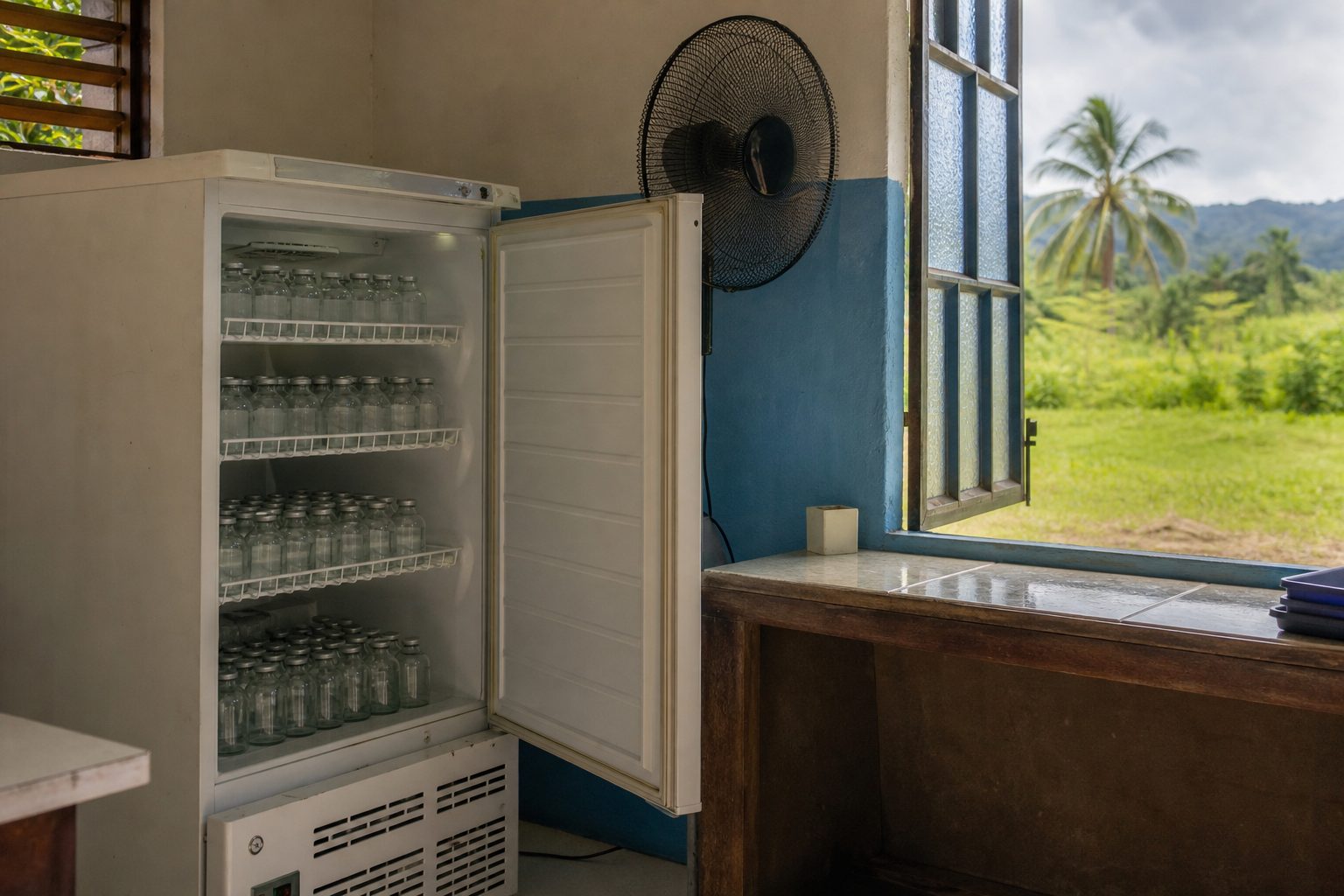
Even where antivenom exists, it is hard to get. WHO notes that very few countries can produce snake venom of good enough quality to make antivenom, that prices of some antivenom products have risen sharply over the last twenty years, and that weak regulation has let poor or wrong products onto the market.
It must reach remote clinics in time, where staff know how to choose the right product and handle allergic reactions, which can be severe. And doses that go unused expire.
So first aid is about time. Experts such as Costa Rica's Clodomiro Picado Institute advise: keep the person calm and the bitten limb still, and go straight to a hospital. Do not cut the bite, suck it, or tie a tourniquet.
Very few countries produce venom good enough to make antivenom
Prices of some products up sharply in 20 years
Weak regulation lets poor products in
Low demand on paper; some makers stopped
Why supply fails (WHO)A rural clinic A medicine refrigerator in a small health centre. AI-generated still.
Do: calm the person, keep the limb still
Do: go straight to a hospital
Don’t: cut, suck, or apply a tourniquet
Don’t: use ice, alcohol, or home remedies
First aid (Clodomiro Picado Institute)The road to hospital A rural road at dawn in tropical Asia. AI-generated still.
Chapter V · Why people still die
A race against time
WHO fact sheet: very few countries can produce venoms of adequate quality; weak regulation has led to poor-quality or inappropriate products; low demand caused by under-reporting has led several manufacturers to stop production, and prices have risen sharply in the last 20 years; supply failure is feared in Africa and parts of Asia. Smithsonian: some clinics lack training to choose and give the right antivenom, patients can have serious allergic reactions that need medical supervision, and unused doses that expire add to the cost. Instituto Clodomiro Picado (University of Costa Rica): calm the person and have them lie down, immobilise the bitten limb, and take them immediately to the nearest hospital or health centre for antivenom; do not cut the bite, apply a tourniquet, apply cold, give alcohol or any plant, animal or chemical remedy, or suck out the venom.
Try it: compare treatment early and late. Antivenom catches toxins still in the blood, not those already on their targets.
This film is education, not medical advice. Anyone bitten by a snake should get to a hospital.
The 3D scenes are simplified teaching models, not to scale; shapes and colours stand for molecules and are not real structures.
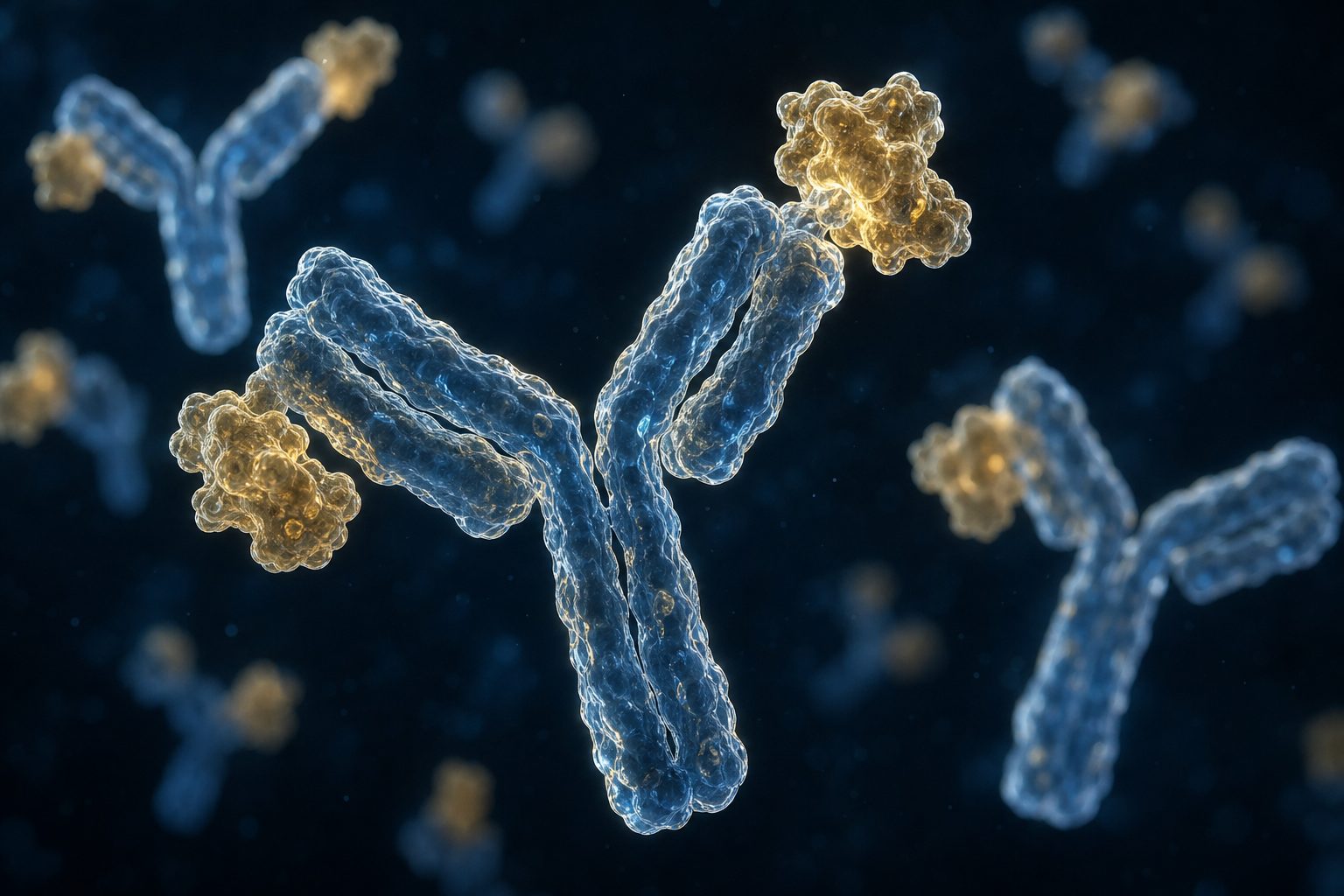
Scientists are trying to move beyond horses. One approach uses human antibodies, chosen because each one recognises toxins from many different species.
In 2025 a team reported in Cell that two such antibodies plus a small-molecule blocker, varespladib, fully protected mice against thirteen of nineteen dangerous snake species, and partly against the other six.
That is a result in mice, not yet a medicine. Experts say a universal antivenom is still a long way off. For now, antivenom made the old way remains the treatment that saves lives.
species WHO rates of high or very high medical importance
The 2025 mouse study (Cell)
13
species: full protection
6
species: partial protection
Protection in mice
Tested in mice, not in people
The team hopes to add vipers
Most antivenom still comes from animals
Where things stand
Chapter VI · The next antivenoms
Research, not yet treatment
Gavi VaccinesWork, on a study in Cell (May 2025): a cocktail of two broadly neutralising human antibodies and varespladib, a synthetic small-molecule toxin inhibitor, gave mice full protection against 13 of 19 snake species rated by WHO as of high or very high medical importance, and partial protection against the other six; the species included cobras, kraits, Russell’s viper and the western diamondback rattlesnake; no human trials have been reported, and the team plans a separate antivenom targeting vipers. TBIJ: laboratory-made antivenoms that need no animals are being developed, but most supply still relies on animals, and experts consider a universal antivenom a long way off.
Try it: give the research cocktail. Gold antibodies catch both shapes; white dots are the small-molecule blocker.
The 3D scenes are simplified teaching models, not to scale; shapes and colours stand for molecules and are not real structures.
Behind every snakebite is chemistry: proteins that jam a nerve signal, use up the blood's clotting factors, or break down tissue.
The answer, borrowed from the immune system of a horse, has been known for more than a hundred and thirty years. What still kills is distance, cost and time.
So the lesson is simple: after a bite, keep still and get to a hospital, fast.
1894 Calmette’s anti-cobra serum in rabbits
1895 Antivenom made in horses, Lille
1901 Butantan serum institute opens
1923 Thai Red Cross snake farm
2017 WHO lists snakebite as a neglected tropical disease
2025 Broad antibody cocktail protects mice
2026 A new estimate: up to 513,000 deaths a year
Venom and antivenom
Stills are AI-generated; no real people are shown
Molecules, vessels and fangs are schematic
Education, not medical advice
About this film
Empower and engage communities
Safe, effective treatment
Stronger health systems
Partnerships and resources
WHO’s four objectives
Epilogue · Sources
Sources
Every fact in this film comes from the sources below. The chapter stills and pictures are AI-generated and show no real people. The globe uses NASA Blue Marble imagery; the regions it marks are those WHO names, not a measured map. The venom cocktail, fangs, nerve junction, blood vessel and antibodies are schematic teaching models. This film is education, not medical advice: anyone bitten by a snake should get to a hospital.