Space · Biology
What a trip to Mars does to the body
Three years away.
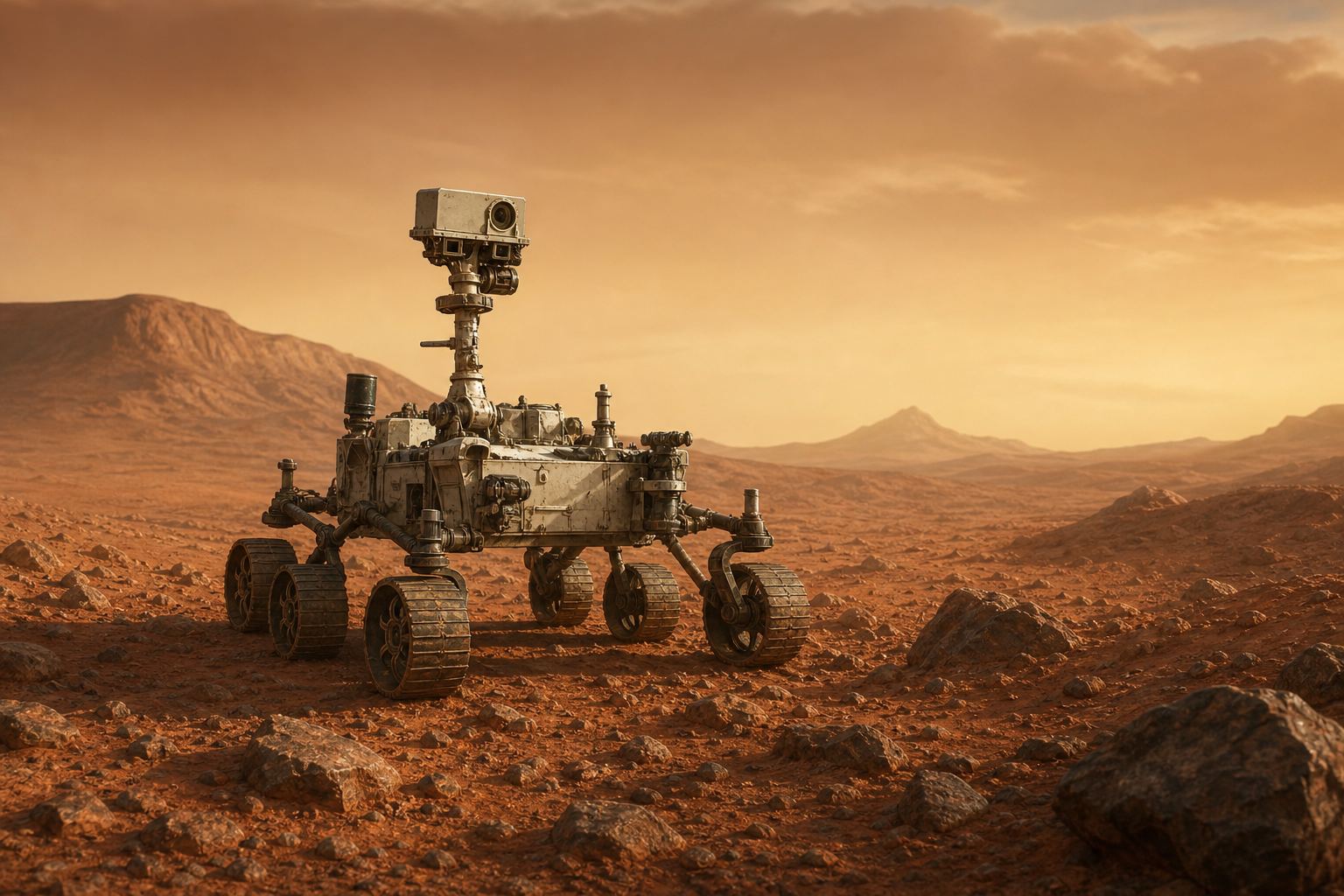
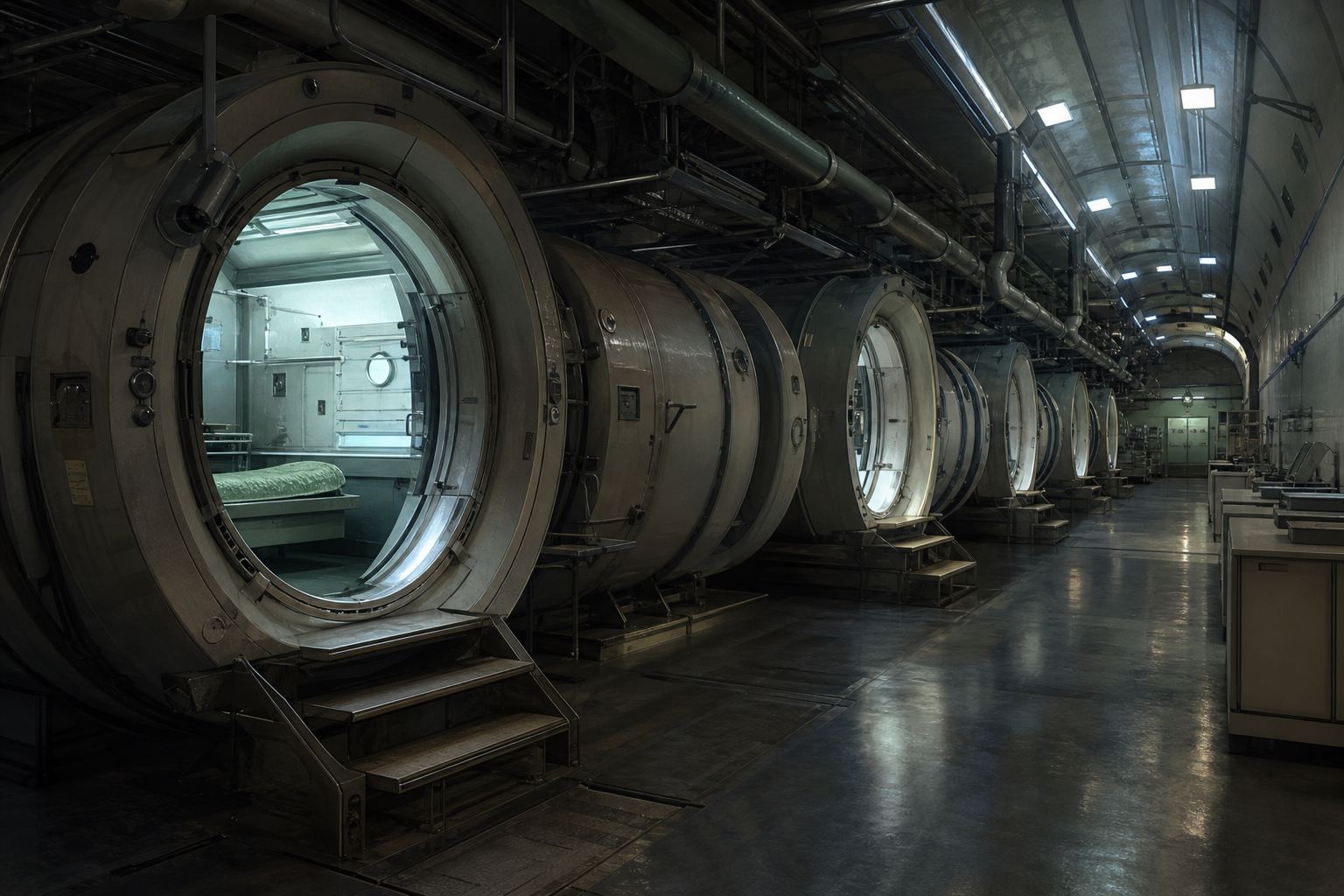
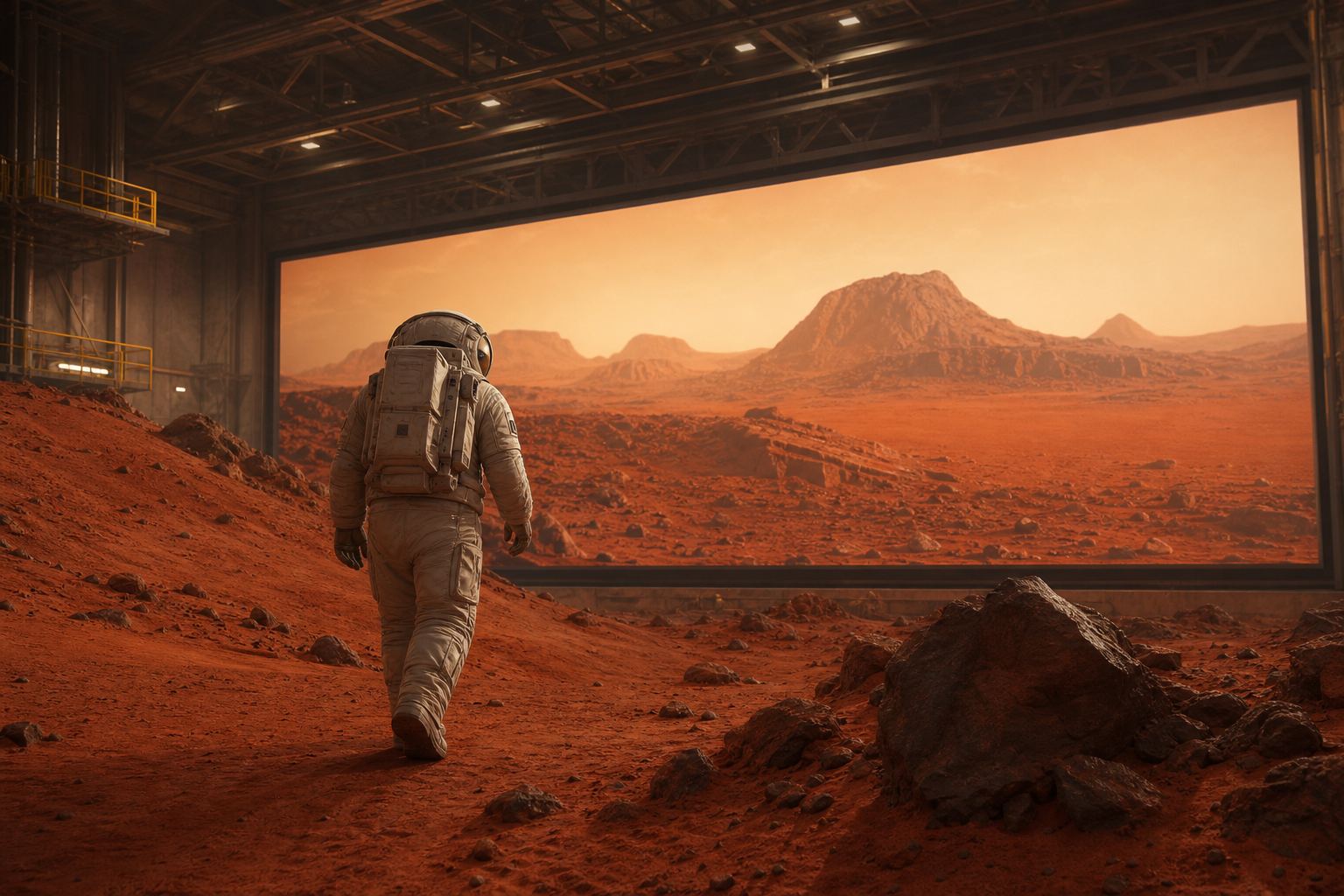
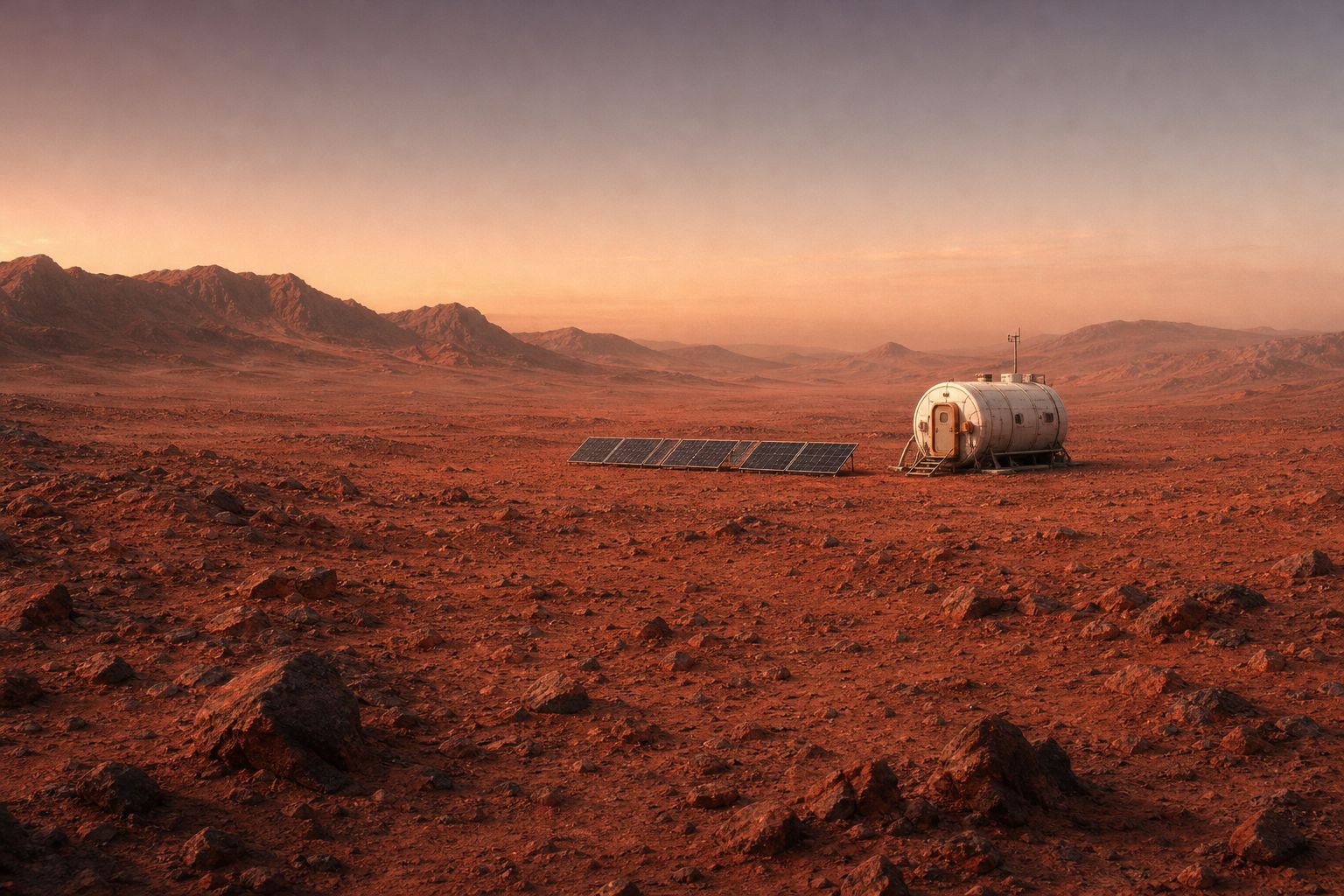
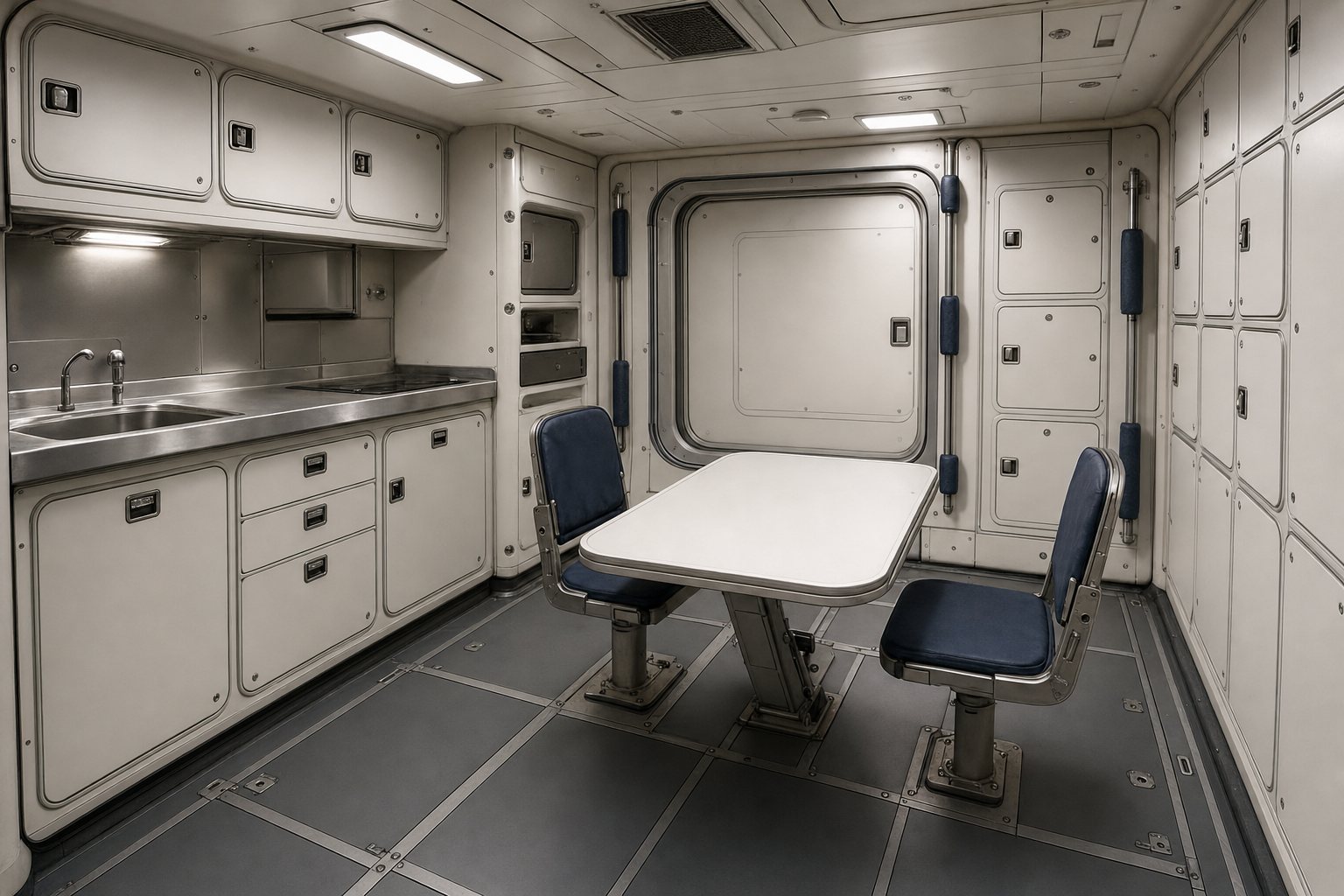
What would three years away from Earth do to a human body? On the last day of October, four volunteers walked out of a sealed habitat at NASA's Johnson Space Center in Houston, after more than a year living as if on Mars.
They had lived with delayed messages from home, limited supplies and isolation, some of the stresses a real crew would face.
A real trip would be harder still. Here is what science has measured so far.

- 2
- year-long CHAPEA crews so far
- 31 Oct 2026
- second crew came out
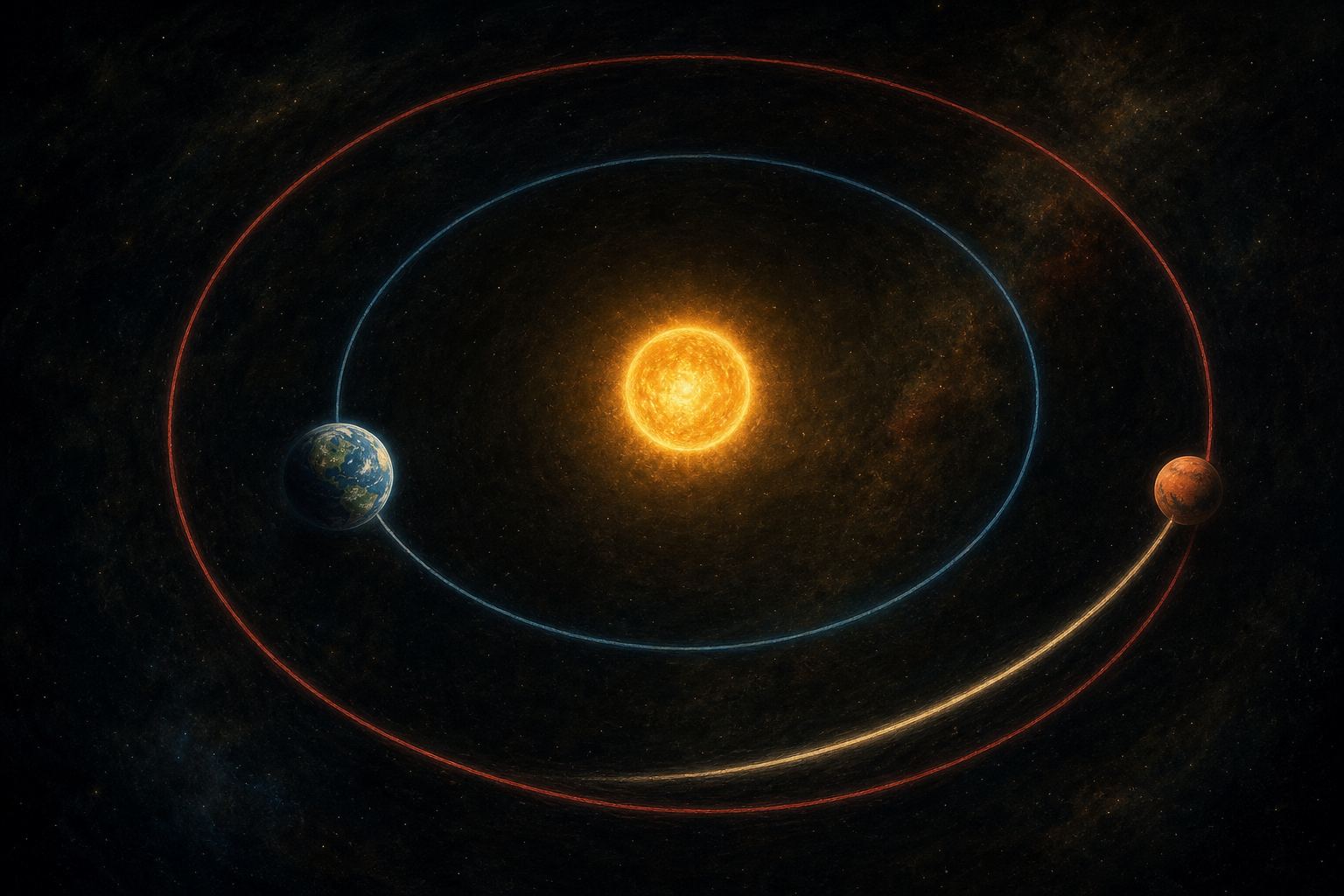
- the road: months each way
- radiation, measured
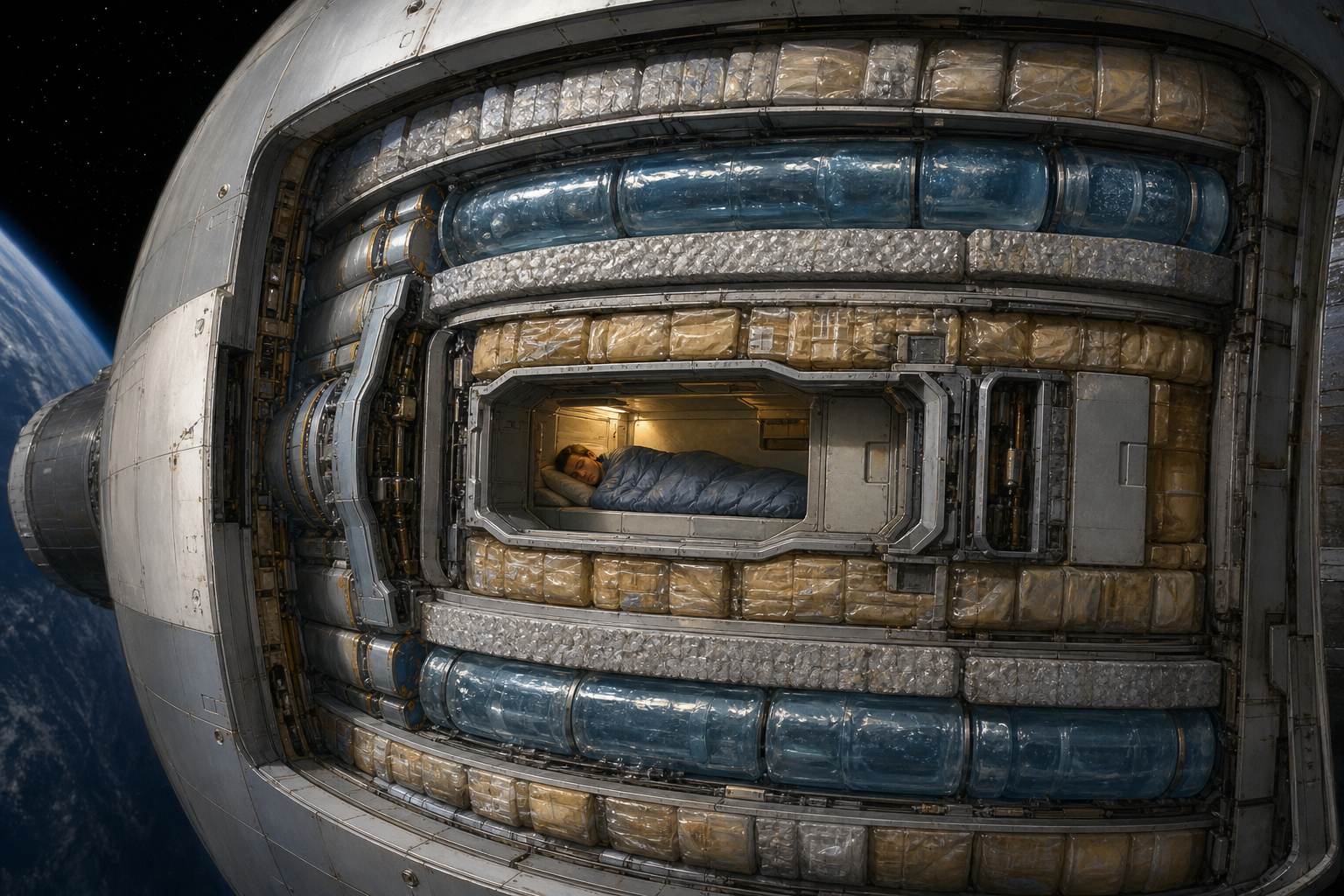
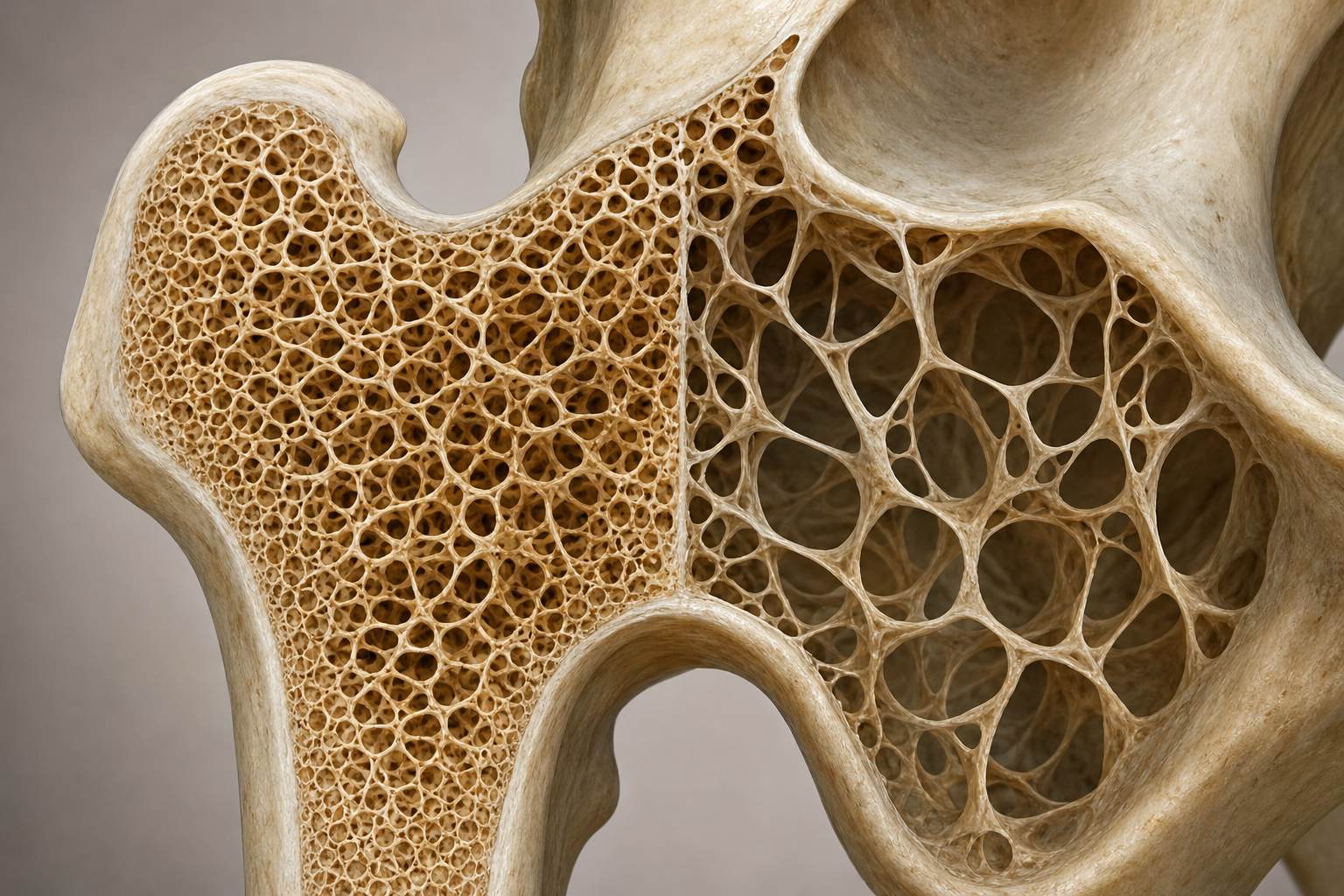
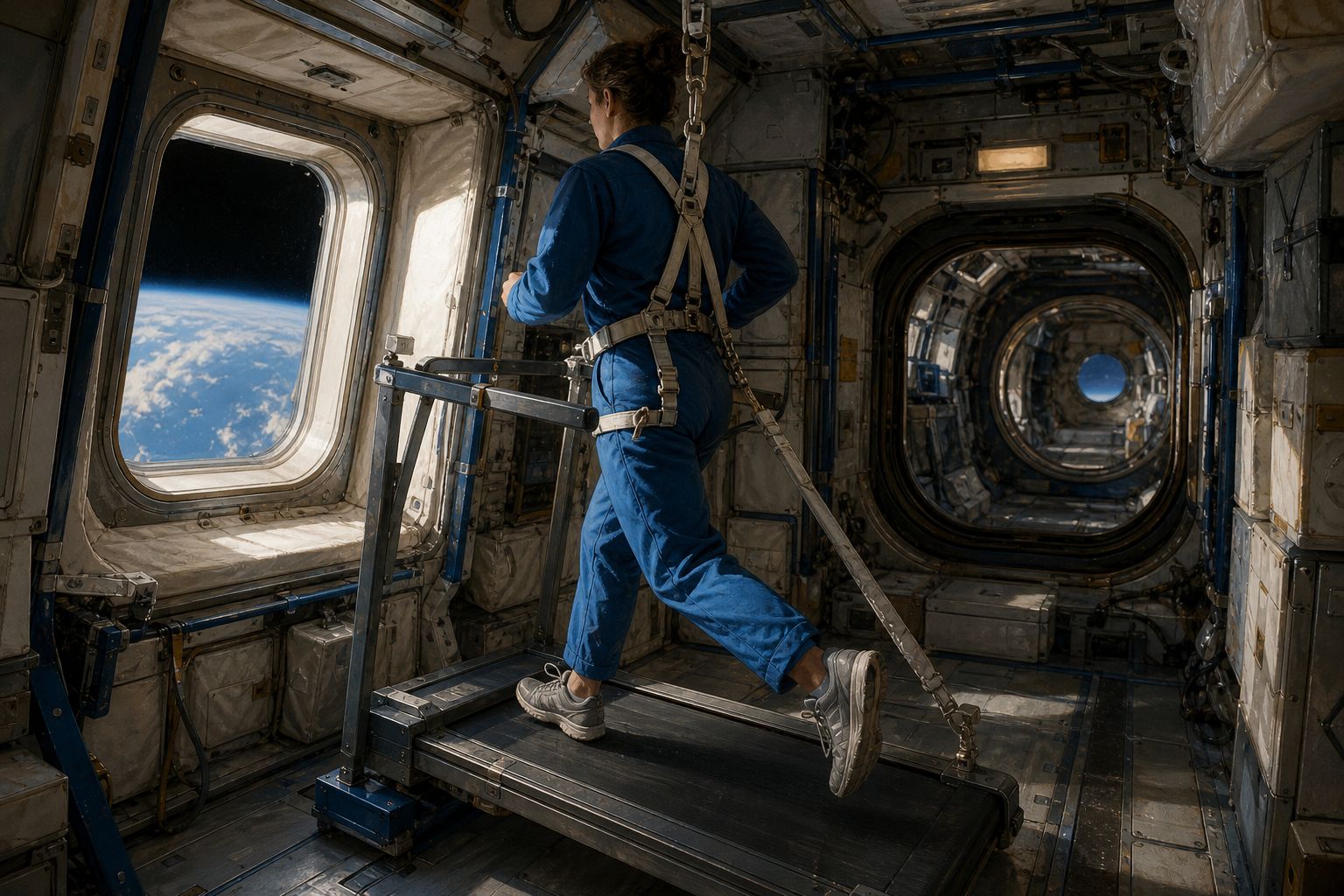
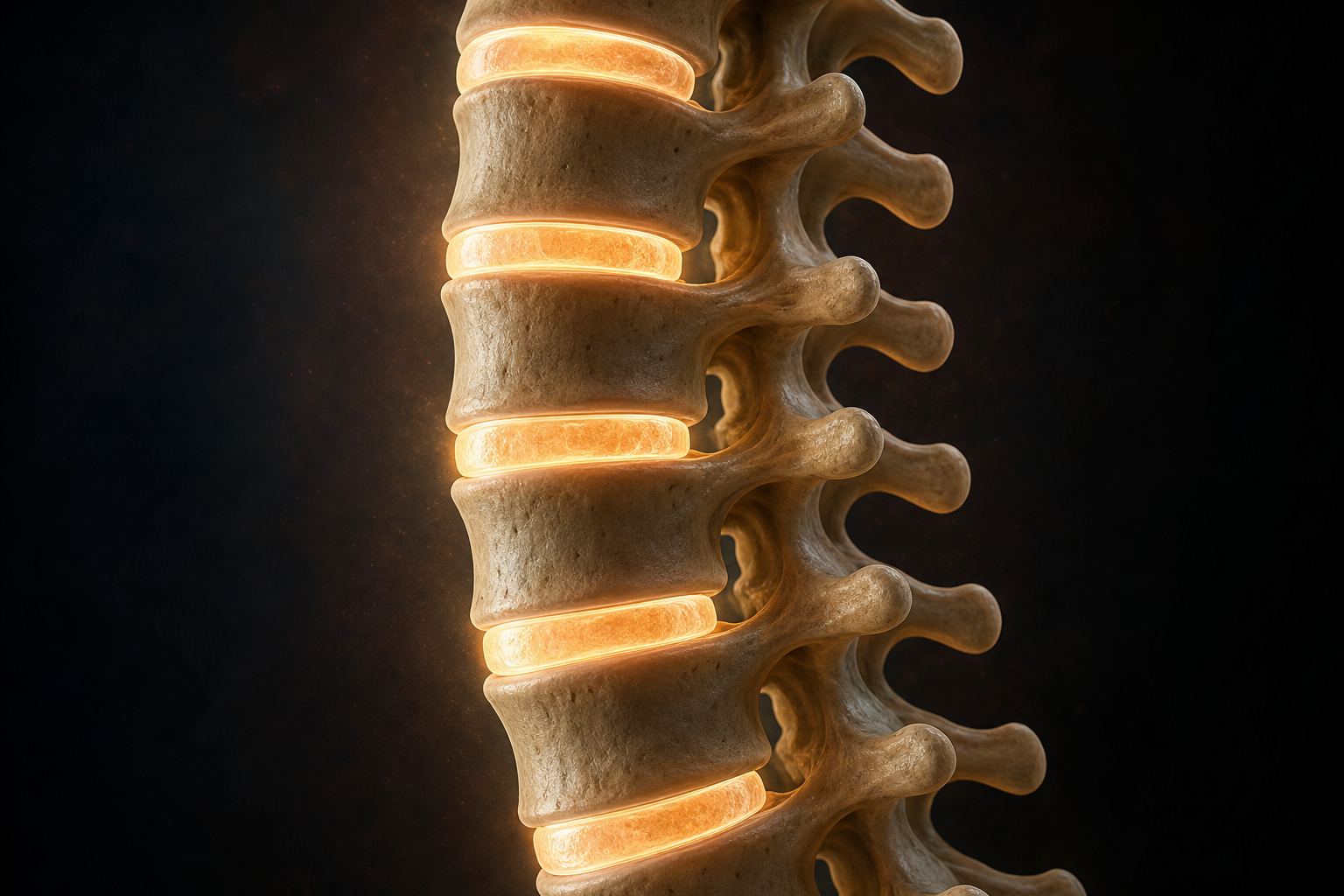
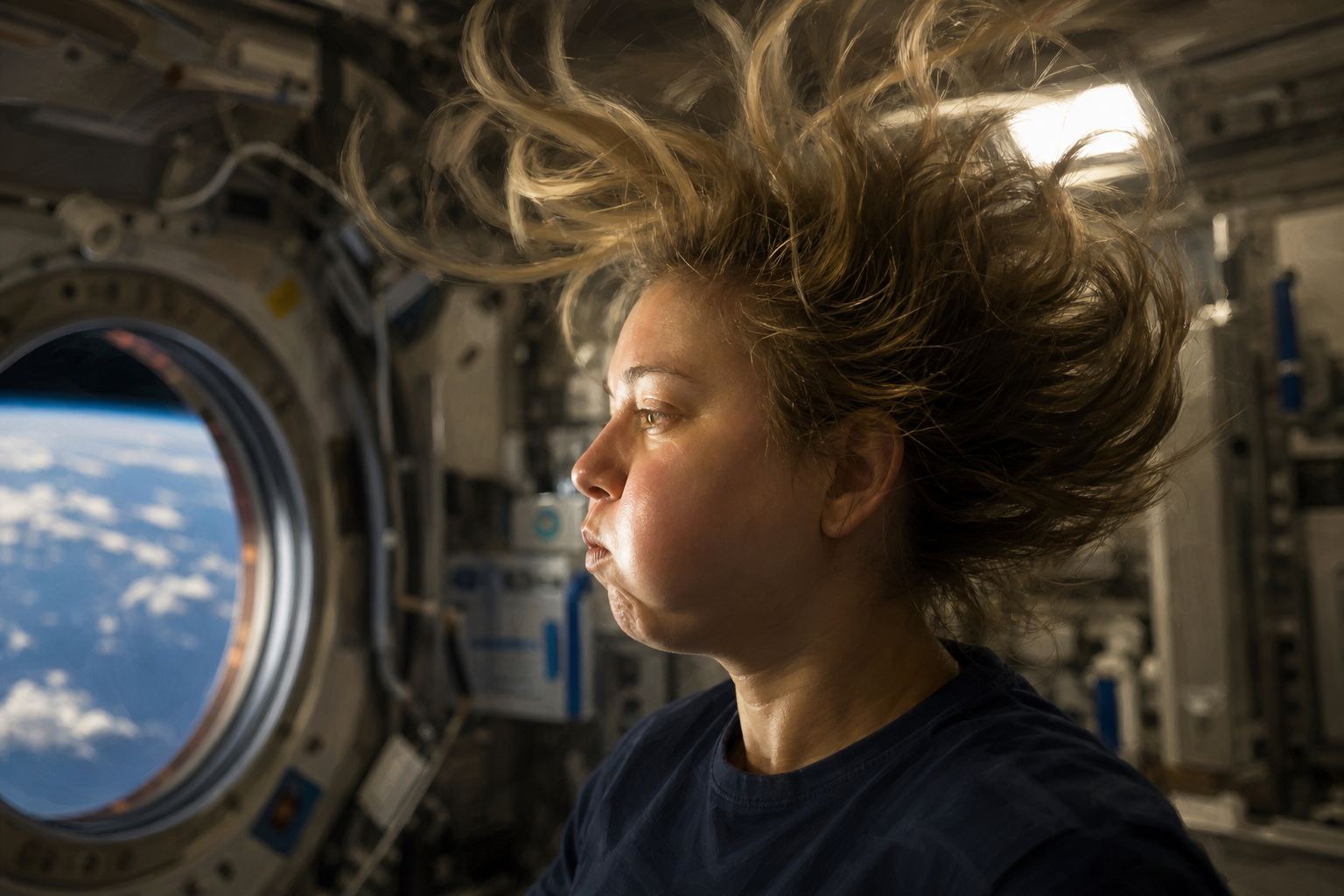
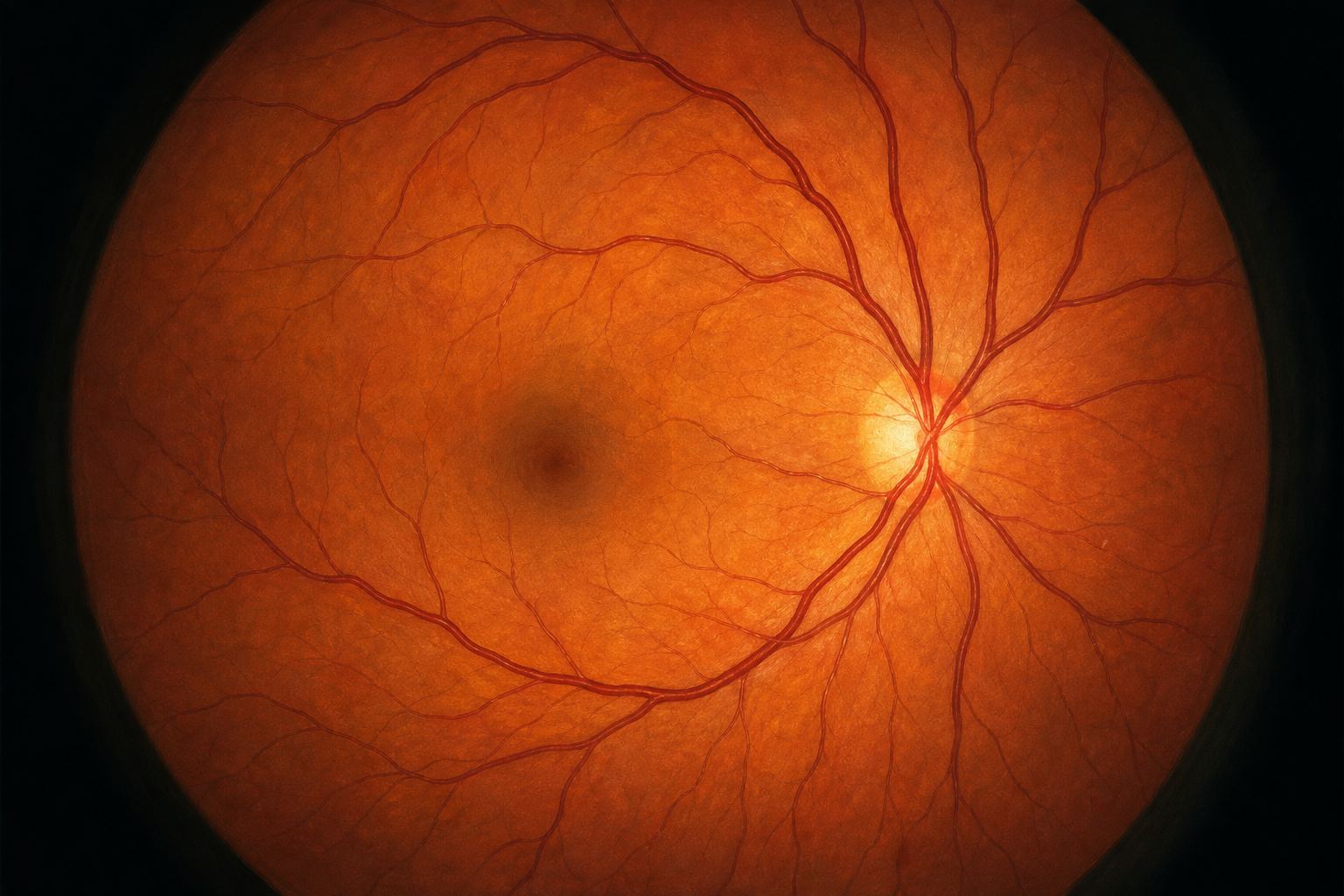
- bones, muscles, eyes without gravity
- a twin in space, a twin at home
- messages that take twenty minutes to arrive
The news
NASA, via ScienceDaily (10 November 2026): the second crew of NASA’s Crew Health and Performance Exploration Analog (CHAPEA) — Matthew Montgomery, James Spicer, Ross Elder and Ellen Ellis — ended their mission on 31 October 2026 after more than a year in isolation. They tested systems, cared for crops, conserved supplies and made simulated spacewalks while dealing with communication delays and limited resources.
This film is education, not medical advice.
The 3D scenes are simplified teaching models, not to scale.
Sources: ScienceDaily / NASA (10 Nov 2026): NASA’s CHAPEA Mars crew finally emerges after more than a year in isolation; Live Science (10 Jul 2024): NASA’s 1st year-long mock Mars mission wraps up in Houston