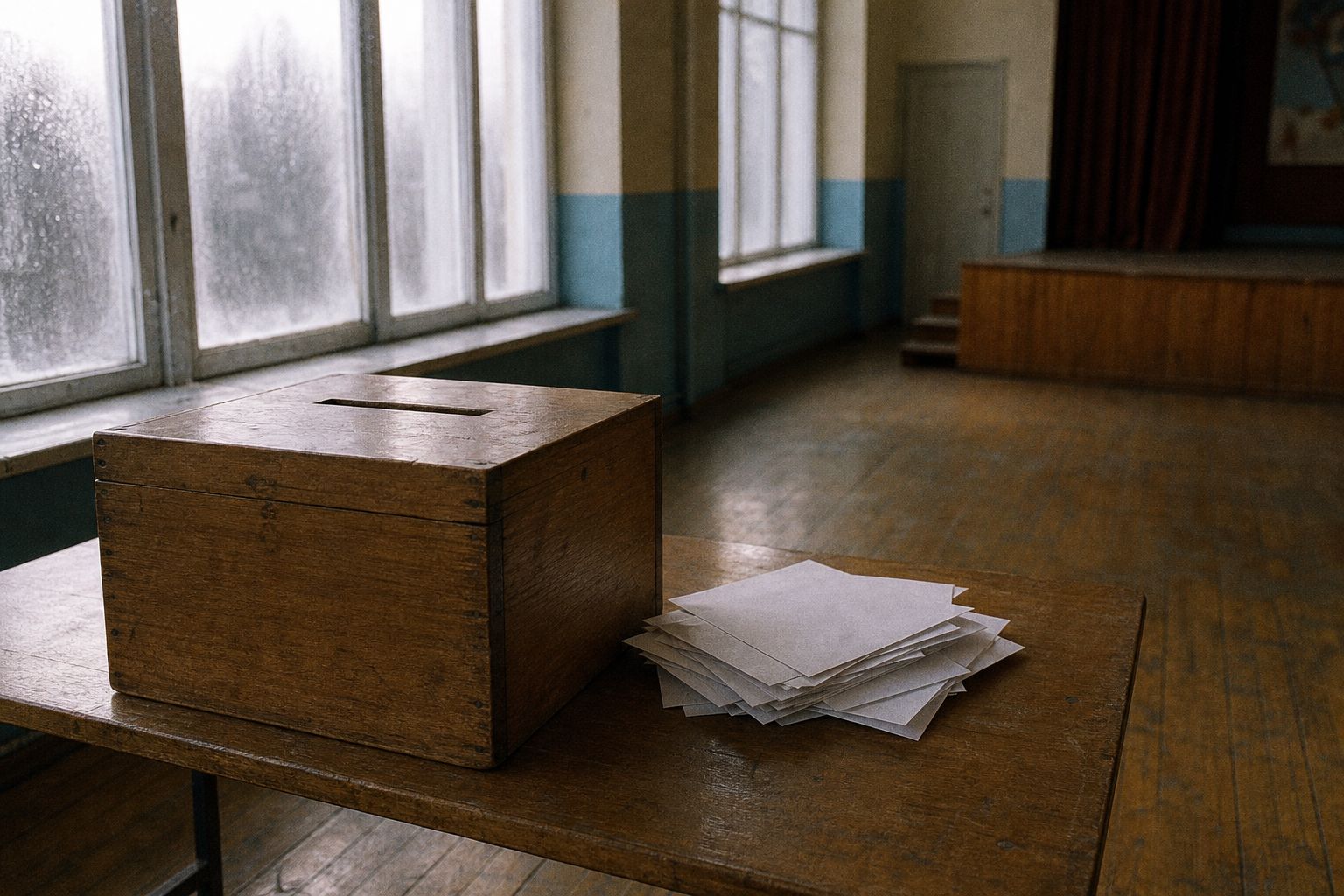
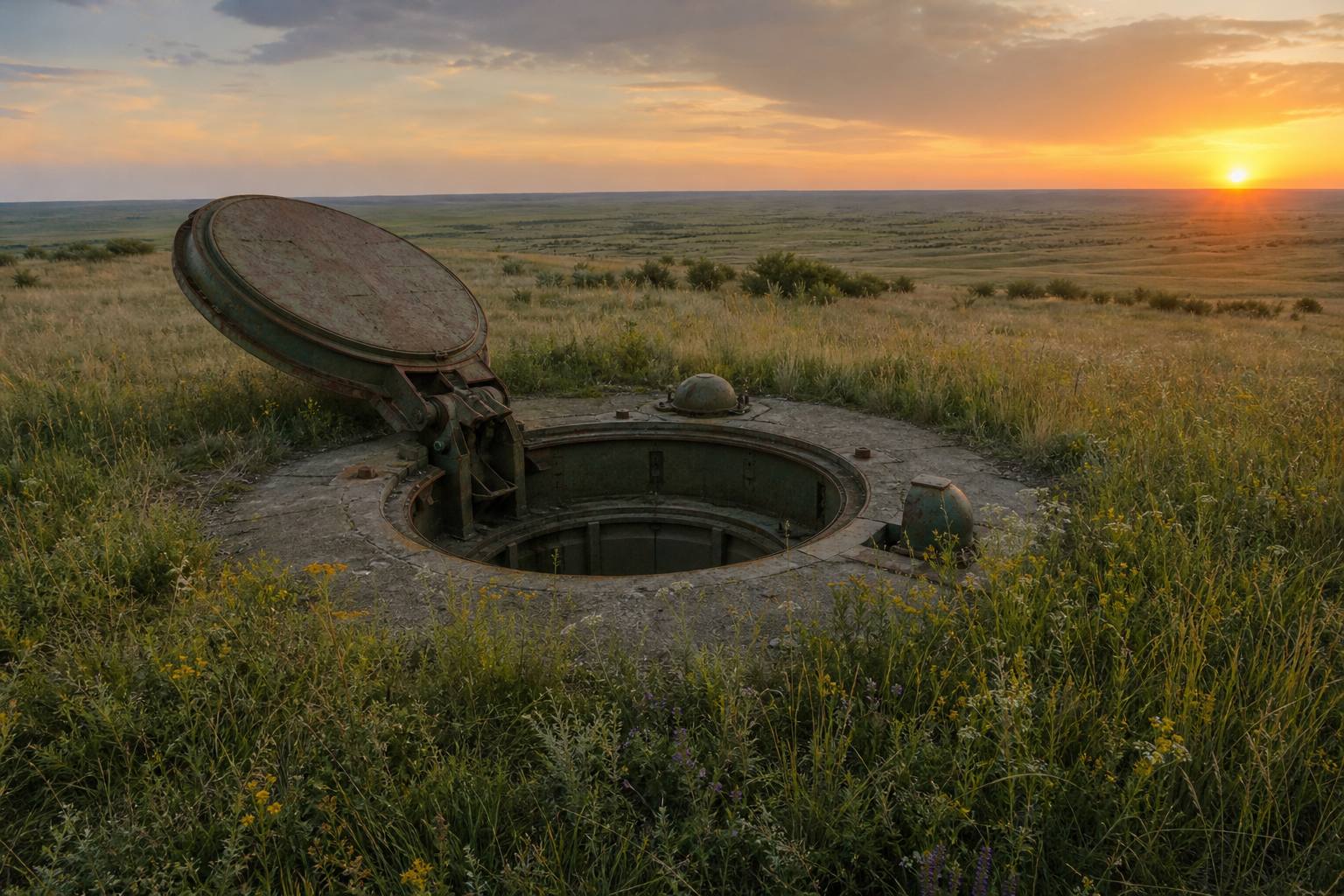
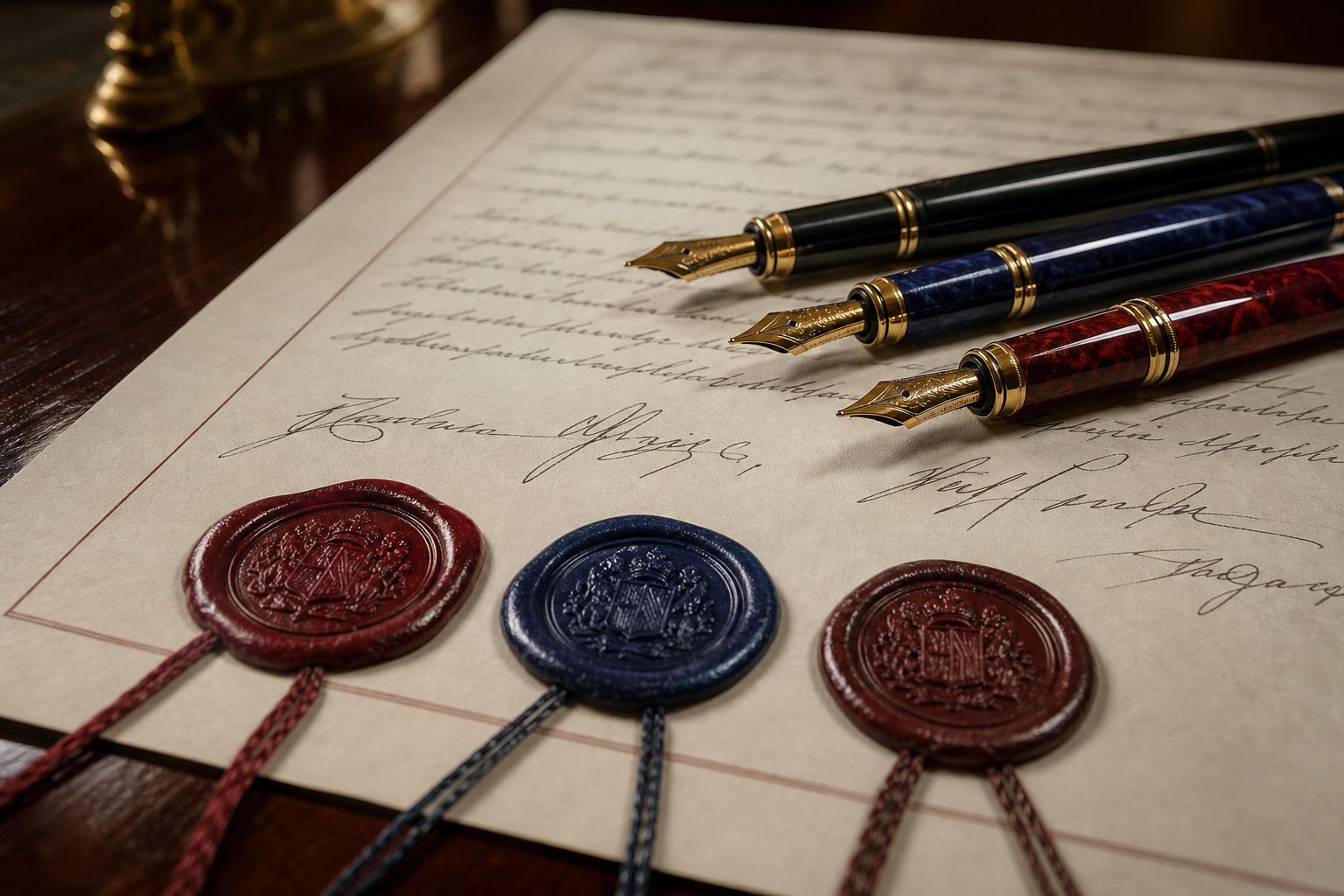
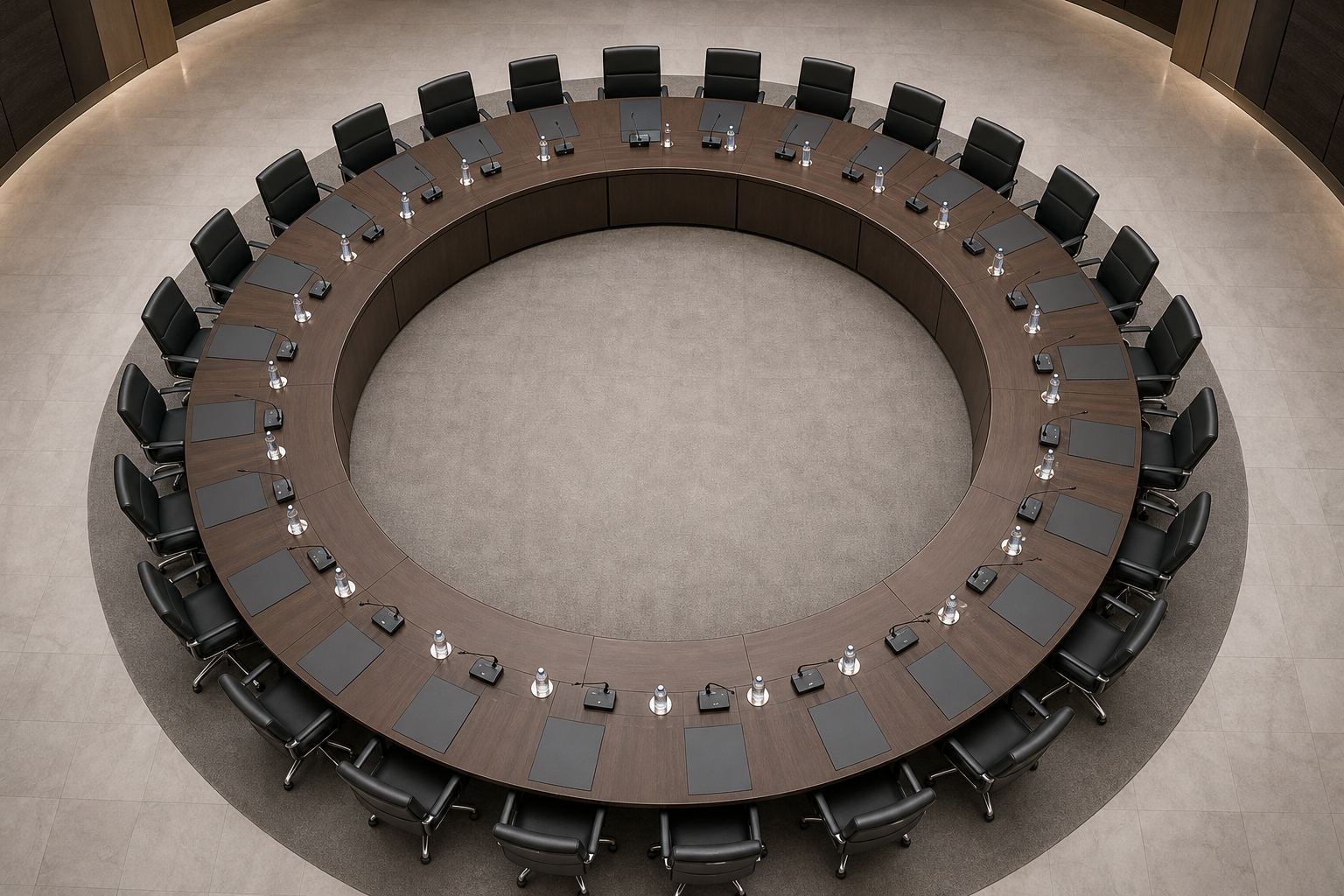
As Russian, Ukrainian and US advisers meet in Abu Dhabi in November 2026, this film explains how the war came about, giving each side's account in its own terms: Kyivan Rus' and the rival readings of it, the Russian Empire and Soviet Ukraine, the Holodomor, the 1991 independence vote, the 1994 Budapest Memorandum, the argument over NATO enlargement, the Orange Revolution and Euromaidan, Crimea and the Donbas in 2014, the full-scale invasion of 2022 and its phases, grain, gas and the Zaporizhzhia nuclear plant, the human cost as counted by UN agencies, and the peace efforts up to 2026.
Interactive 3D film10 min882 to 2026Published 10 November 2026
Why are Russia and Ukraine at war? US-mediated talks between their advisers are set for the tenth and eleventh of November 2026 in Abu Dhabi.
Kyiv backs a full, unconditional ceasefire. Moscow's conditions, set out by Putin in 2024, include Ukraine leaving the Donbas: its eastern Donetsk and Luhansk regions.
The answer starts more than a thousand years ago.
10–11 Nov
adviser-level talks: Russia, Ukraine, United States
since 2022
no direct contact between Putin and Zelenskyy (Al Jazeera)
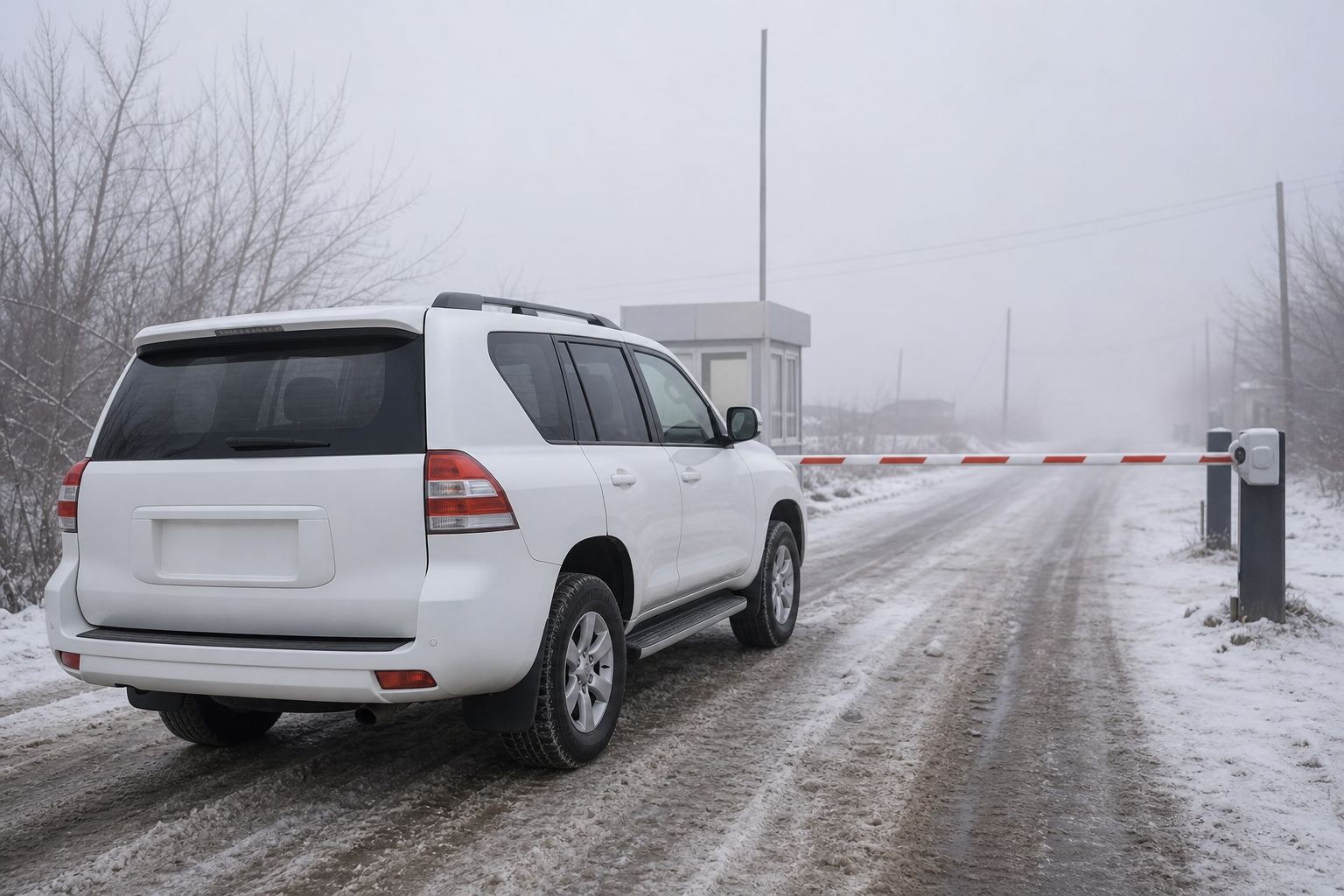
Abu Dhabi, November 2026Before the talks Europe is not at this table: on 4 November the European Commission hosted Ukraine, the US, Germany, France, the UK, NATO and the World Bank in Brussels to plan post-war recovery. AI-generated illustration.
Ukraine (Kyiv Independent, a Ukrainian news outlet): a full, unconditional ceasefire first
Russia (Putin’s conditions, June 2024, via TASS): Ukraine leaves the Donbas, stays out of NATO
USA (Al Jazeera): post-war security, de-escalation, humanitarian steps
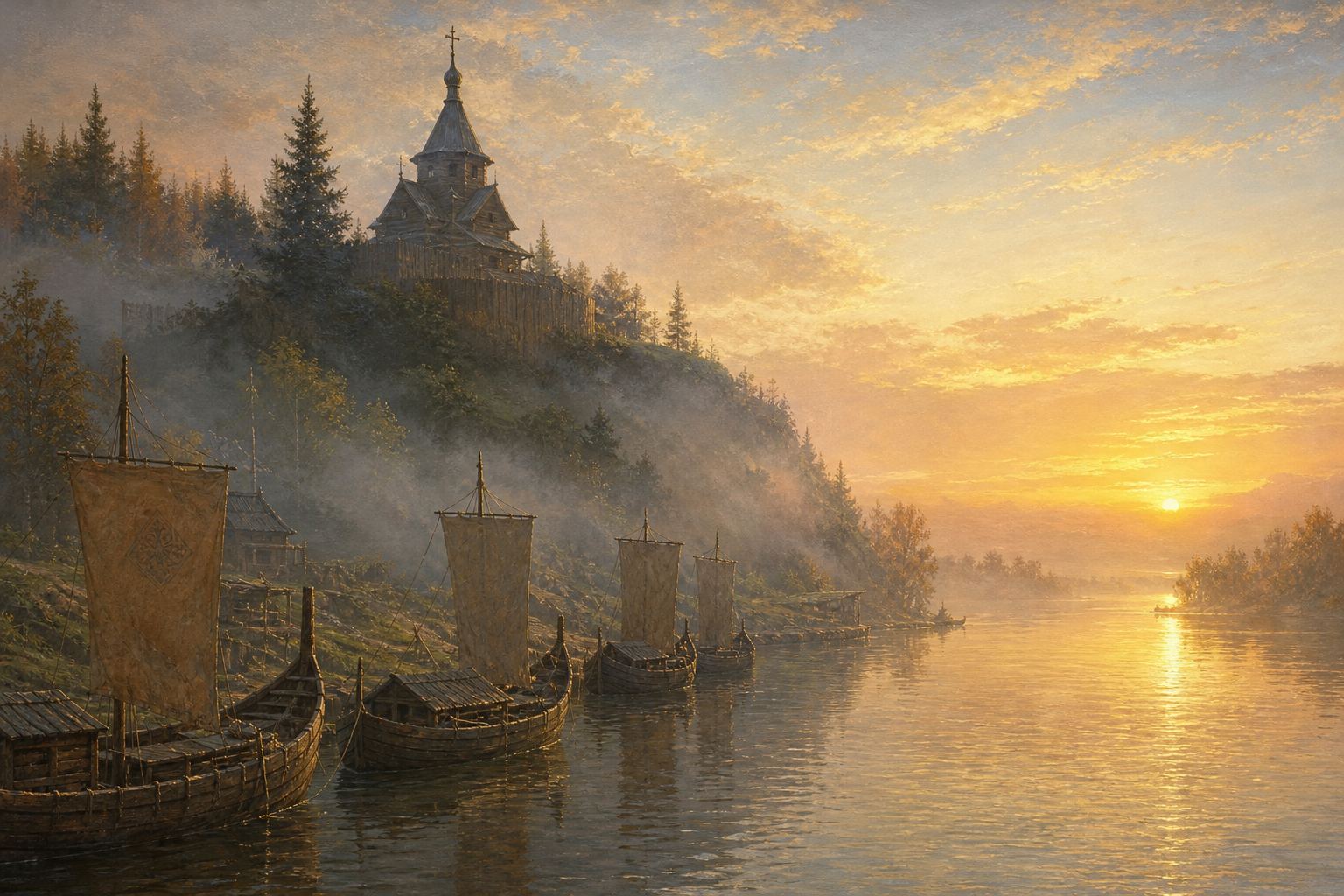
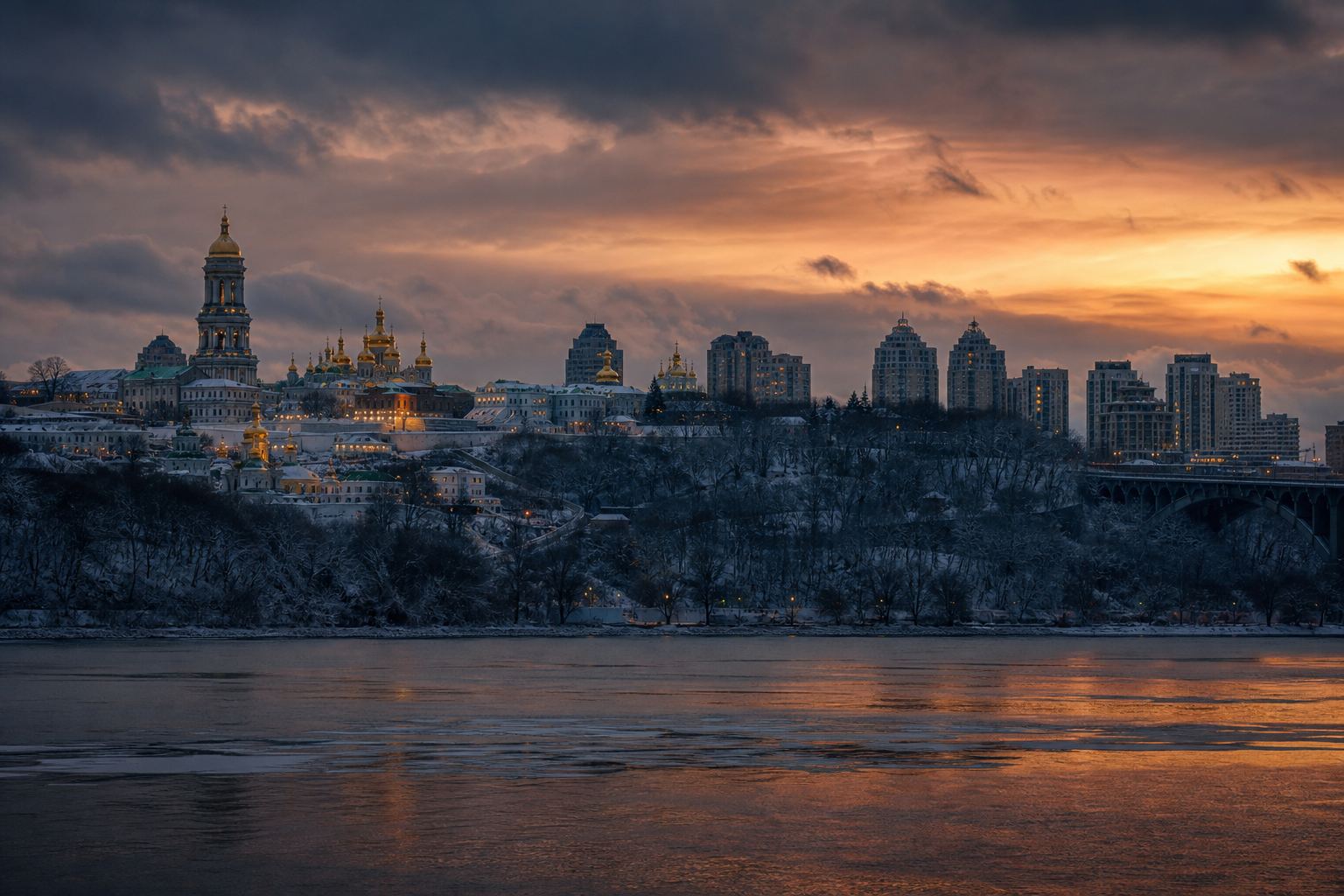
Where each side stands (reported)The Dnieper The river that runs through Kyiv, where both nations place the start of their history. AI-generated illustration.
Prologue · The news
Talks in Abu Dhabi
Al Jazeera (3 November 2026): US envoy Steve Witkoff announced US-mediated adviser-level talks with Russia and Ukraine in Abu Dhabi on 10–11 November, on post-war security, de-escalation, humanitarian steps and next steps toward peace; the Kremlin confirmed a delegation led by Vladimir Medinsky. Kyiv Independent, a Ukrainian news outlet (4 November): Ukraine supports a full and unconditional ceasefire, which Western partners back; the same day the European Commission hosted Ukraine, the US, Germany, France, the UK, NATO and the World Bank in Brussels on post-war economic recovery. Russia’s state news agency TASS: Putin’s conditions (14 June 2024) include Ukraine’s withdrawal from “Donbass and Novorossiya” and giving up NATO membership, and the Kremlin says territorial questions remain central.
This film explains the history behind the talks. On disputed questions it gives each side’s account in its own terms and says who said what; figures are attributed with their dates. It does not predict the outcome. How to use: pick a chapter or press ← →; drag to rotate the map. Several steps have buttons.
The 3D map is schematic: coastlines, borders and areas of control are approximate.
In the ninth century a state grew up along the Dnieper river, the Dnipro in Ukrainian, with Kyiv as its capital: Kyivan Rus'.
The chronicle says Oleg took Kyiv in 882; in 988 its ruler Volodymyr accepted Orthodox Christianity. The Mongols took Kyiv in 1240.
Ukraine, Russia and Belarus all claim it. In 2021 Putin wrote that Russians and Ukrainians are one people; many Ukrainians and historians disagree.
The Primary Chronicle Most of what we know of early Rus’ comes from chronicles written down by monks in Kyiv generations later. AI-generated illustration.
882 Oleg takes Kyiv (chronicle date)
988 Volodymyr adopts Orthodox Christianity
1019 Yaroslav: Kyiv the chief centre of eastern Europe
1240 Mongols take Kyiv
Kyivan Rus’The Dnieper route The river linked the Baltic to the Black Sea and Byzantium, the source of the new faith. AI-generated illustration.
Putin (2021): “one people”, divided by borders and outsiders
Ukrainian view: a shared root, two distinct nations
Historian Serhii Plokhy: treat Rus’ as a multi-ethnic state, not one nation’s property
Two readings of one past
Chapter I · One beginning, two stories
A shared root
Britannica: according to the Russian Primary Chronicle, Oleg of Novgorod seized Kyiv in 882 and made it his capital; Vladimir (Volodymyr) accepted Orthodox Christianity in 988; under Yaroslav, from 1019, Kyiv became eastern Europe’s chief political and cultural centre. The Mongol siege of 1240 is generally taken as the end of Kyivan Rus’.
Belarus, Russia and Ukraine all claim Kyivan Rus’ as their cultural ancestor. Vladimir Putin’s 2021 essay “On the Historical Unity of Russians and Ukrainians” argued that they are one people divided artificially; in February 2022 Putin said Ukraine “never had a tradition of genuine statehood” (Al Jazeera). Scholars quoted by Al Jazeera disagree: political scientist Gulnaz Sharafutdinova says they share Slavic roots and language, but “these are different nations, undoubtedly.” Separately, Wikipedia’s article on Kyivan Rus’ notes that historian Serhii Plokhy has proposed “denationalising” it, treating it as a multi-ethnic state.
The 3D map is schematic: coastlines, borders and areas of control are approximate.
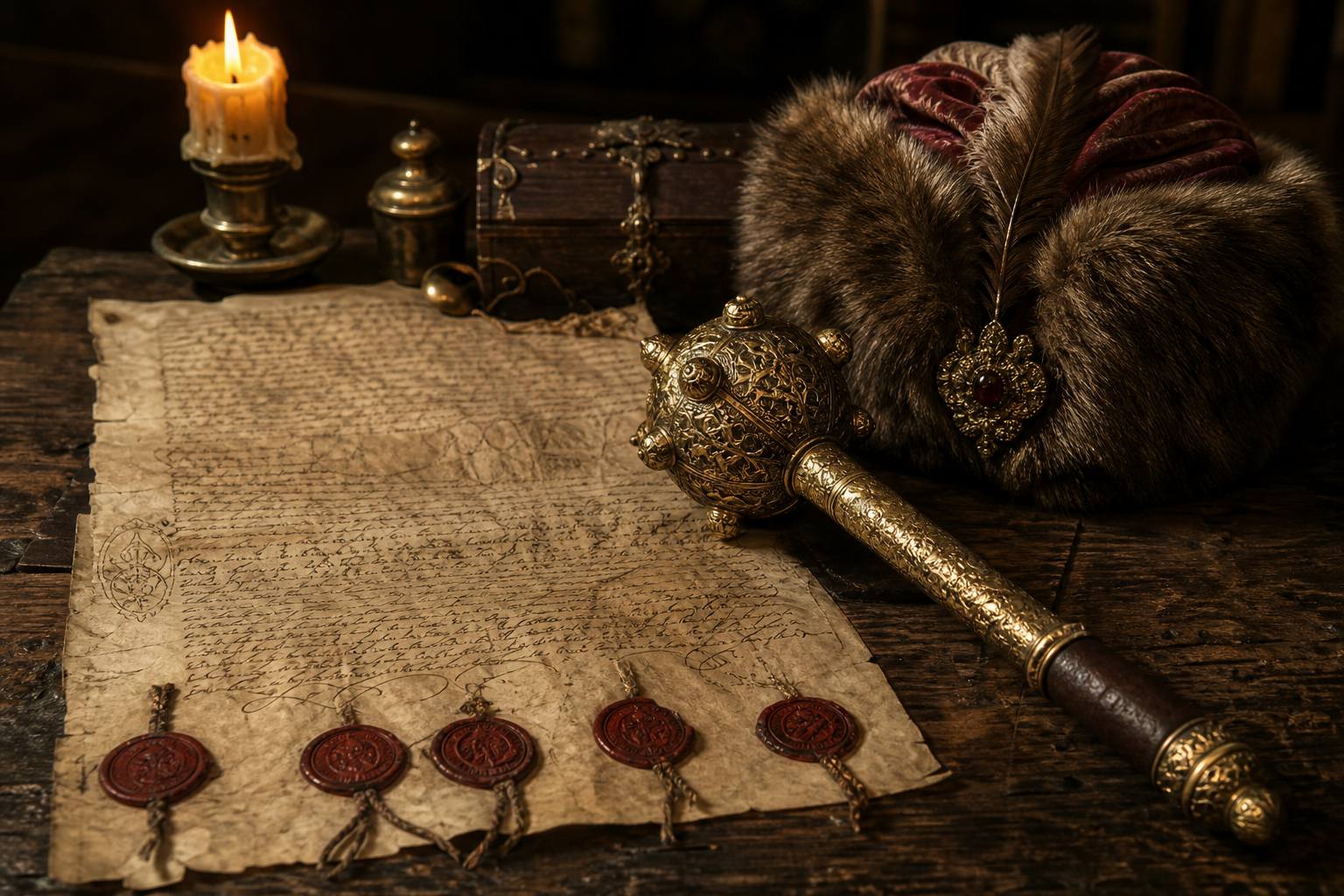
In 1654, at Pereiaslav, the council of Bohdan Khmelnytsky's Cossack army placed Ukraine under the Russian tsar, keeping wide self-rule.
Russian historians call this Ukraine's reunification with Russia; Ukrainian historians often see an alliance of convenience.
By 1667 Ukraine was split between Poland and Russia. Later, imperial decrees restricted printing and teaching in Ukrainian.
When the empire fell, a Ukrainian People's Republic declared independence in 1918, but Soviet forces took over; by 1922 Soviet Ukraine was part of the USSR.
Pereiaslav, 1654 The hetman’s mace was the Cossack leader’s badge of office; Poland rejected the deal and went to war. AI-generated illustration.
Russian historiography: “reunification of Ukraine with Russia”
Ukrainian historians: an alliance of convenience, with autonomy recognised
How each side reads 1654 (Britannica)Ems, 1876 The 1863 Valuev Circular cited a censor’s claim that a Ukrainian language “never existed”; the 1876 decree went further. AI-generated illustration.
22 Jan 1918
the Central Rada proclaims a sovereign Ukrainian state
Fourth Universal
Chapter I · One beginning, two stories
Empire
Britannica: on 18 January 1654 at Pereyaslav, the Cossack council led by hetman Bohdan Khmelnytsky submitted to Tsar Alexis while keeping substantial autonomy; Poland rejected the union, and the Russo-Polish war ended with Ukraine divided between Poland and Russia under the Truce of Andrusovo (1667). Russian historiography calls it a reunification; Ukrainian historians describe an alliance of convenience.
The Valuev Circular (1863) banned most Ukrainian-language books; the Ems Ukaz (1876) banned printing, importing, staging plays and teaching in Ukrainian. It was never formally cancelled and lapsed with imperial law in 1917. On 22 January 1918 the Central Rada’s Fourth Universal proclaimed a sovereign Ukrainian People’s Republic.
The 3D map is schematic: coastlines, borders and areas of control are approximate.
In 1932 and 1933 famine struck. Farms forced into state collectives, impossible grain quotas and a ban on leaving turned hunger into catastrophe.
Estimates of the dead run from about three to seven million. Ukrainians call it the Holodomor.
Ukraine and over thirty countries and bodies call it genocide. Moscow rejects that, saying the famine also struck Russia's Volga region, Kazakhstan and other areas.
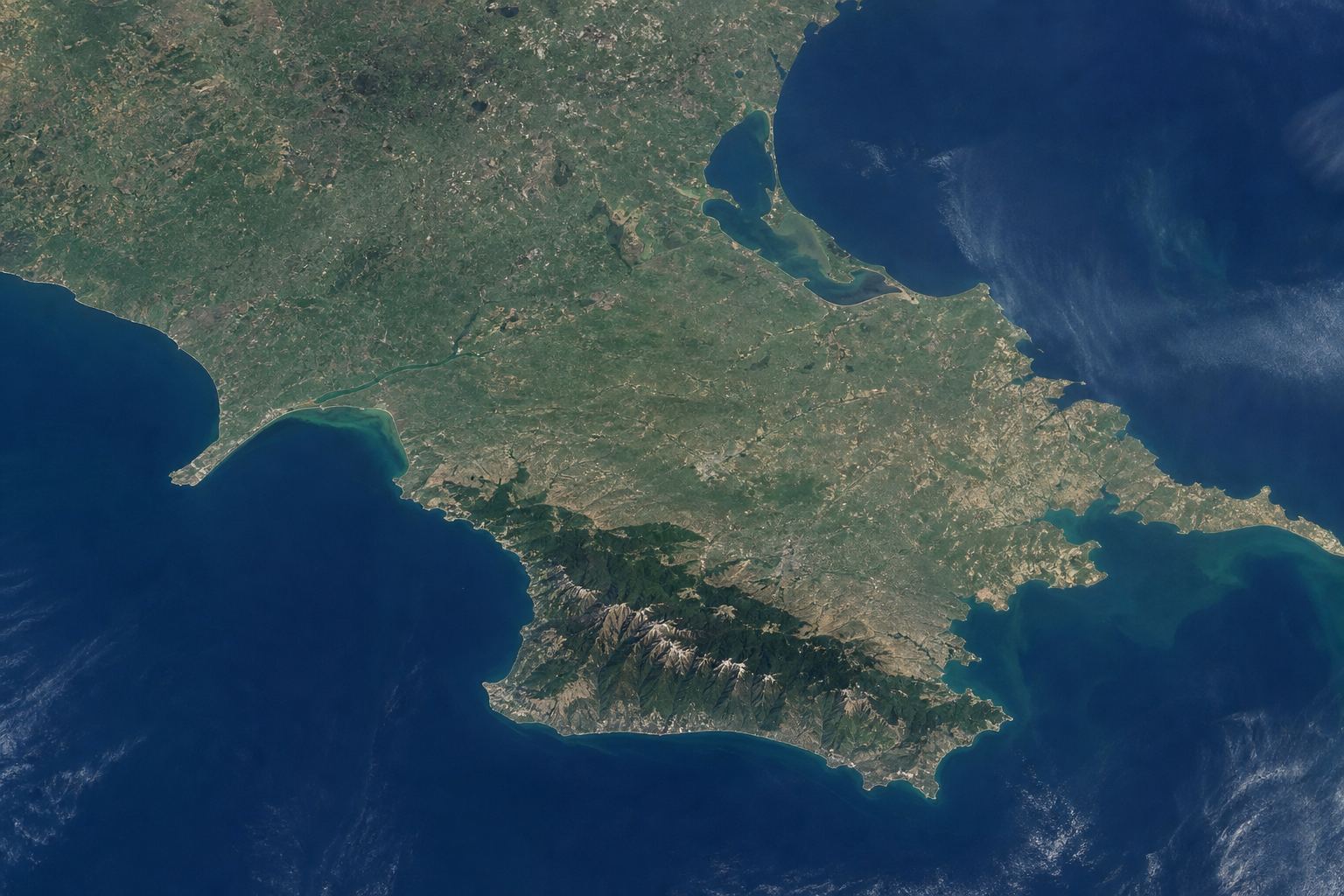
In 1954, Soviet leaders moved Crimea from Russia to Soviet Ukraine.
Remembering A law of August 1932 punished taking grain from collective fields; Soviet records show 4.27 million tons taken from Ukraine that year. AI-generated illustration.
3–7 million
range of most estimates of deaths, 1932–33
~3.9 million
2015 study, Ukrainian Institute of Demography and UNC Chapel Hill
Estimates vary (Kyiv Independent)
2006 Ukraine’s parliament
2018 US Senate and House resolutions
2022 Germany, Ireland, European Parliament…
2023 France; UK House of Commons (non-binding motion)…
Called genocide by…Crimea, 1954 The official reason was the 300th anniversary of Pereiaslav; at the time about three in four Crimeans were ethnic Russians. AI-generated illustration.
Chapter II · Soviet Ukraine
The Holodomor
Kyiv Independent: collectivisation, grain procurement quotas, restrictions on movement (a January 1933 resolution barred starving peasants from leaving Ukraine and the Kuban) and suppression of information caused the 1932–33 famine. Most estimates range from 3 to 7 million deaths; a 2015 demographic study estimated about 3.9 million. The Kyiv Independent says more than 30 countries and international organisations have recognised it as genocide. In the US this was done by resolutions of the Senate (October 2018) and House (December 2018); in the UK by a non-binding House of Commons motion (25 May 2023), while the government said such a judgment is a matter for a competent court.
Russia’s account: in November 2008 President Dmitry Medvedev said Ukraine was using the tragedy for political ends, and Moscow argued the famine also hit the North Caucasus, the Volga region, central Russia, Kazakhstan, western Siberia and the southern Urals (UNIAN). Russia’s Foreign Ministry (November 2007, reported by IPS) called the genocide framing “a one-sided distortion of history to suit modern opportunist political-ideological directives.” Wilson Center (Mark Kramer): the Soviet leadership approved the transfer of Crimea to the Ukrainian SSR in early 1954, citing the 300th anniversary of Pereiaslav and economic ties; Kramer judges the transfer legal under the 1936 Soviet constitution.
The 3D map is schematic: coastlines, borders and areas of control are approximate.
In August 1991 Communist hard-liners tried to oust Soviet leader Mikhail Gorbachev; the coup failed, and Ukraine's parliament proclaimed independence.
On the first of December, 90 percent of voters confirmed it, on a turnout of 84 percent.
Even in Crimea, 54 percent voted yes, and in the naval city of Sevastopol, 57 percent.
August 1991 The referendum confirmed the act of independence passed by parliament after the coup failed. AI-generated illustration.
All Ukraine (turnout 84.2%)
90.3%
Sevastopol (turnout 63.7%)
57.1%
Crimea (turnout 67.5%)
54.2%
“Yes” vote, 1 December 1991
A Soviet inheritance Ukraine’s territory held 176 intercontinental missiles and 44 strategic bombers. AI-generated illustration.
Chapter III · Independence
Independence
Britannica: Communist hard-liners attempted a coup against Mikhail Gorbachev on 19–21 August 1991; it failed within days. Seventeen Moments in Soviet History (Michigan State University): after the failed coup Ukraine’s parliament proclaimed independence; in the referendum of 1 December 1991, 90.32% voted yes on a turnout of 84.18%. In Crimea turnout was 67.5% and 54.19% voted yes; in Sevastopol 63.74% and 57.07%.
Press “1991” on the map to see the borders Ukraine became independent with, or step back to 882 and forward to 2014.
The 3D map is schematic: coastlines, borders and areas of control are approximate.
Ukraine held about 1,900 strategic nuclear warheads, the world's third-largest arsenal.
On the fifth of December 1994, in Budapest, it agreed to give them up and joined the Nuclear Non-Proliferation Treaty.
In return, the United States, Britain and Russia promised to respect its sovereignty and borders and not to use force against it.
By 1996 the last warheads had gone to Russia.
~1,900
strategic warheads
176
intercontinental missiles
44
strategic bombers
Ukraine, 1991 (Arms Control Association)Budapest, 5 December 1994 Three signatories besides Ukraine: the United States, Russia and the United Kingdom. AI-generated illustration.
respect Ukraine’s sovereignty and existing borders
no threat or use of force against its territory or independence
What the three promised (ACA summary)
1 June 1996
last warheads returned to Russia
Arms Control Association
Chapter III · Independence
Giving up the bomb
Arms Control Association: Ukraine inherited about 1,900 strategic warheads, 176 ICBMs and 44 strategic bombers, the world’s third-largest arsenal. On 5 December 1994 the US, Russia and the UK signed the Budapest Memorandum, promising to respect Ukraine’s sovereignty and existing borders and to refrain from the threat or use of force; Ukraine acceded to the NPT the same day and returned the last warheads to Russia by 1 June 1996.
After 2014 the US, the UK and Ukraine called the annexation of Crimea a violation of the memorandum. Russia’s Foreign Ministry argued that “the security assurances were given to the legitimate government of Ukraine but not to the forces that came to power.” The missile markers on the map are schematic.
NATO, a Western alliance founded in 1949, treats an attack on one member as an attack on all. Since 1999 it has doubled, to thirty-two members.
Russia's leaders say the West broke a promise, citing US Secretary of State James Baker in 1990: no extension of NATO 'one inch to the east'.
Western officials reply that those talks were about German unification; Gorbachev himself said in 2014 that expansion was never discussed.
In 2008 NATO declared that Ukraine and Georgia 'will become members'; Putin had warned that would be a hostile act.
12
founders, 1949
16
by 1982
32
since Sweden joined, 2024
NATO membership
There would be no extension of NATO’s jurisdiction for forces of NATO one inch to the east.James Baker, 1990, as cited by Russian officials (PBS)
1990: about Germany? NATO leaders say they will not rule out membership for any country permanently. AI-generated illustration.
These countries will become members of NATO.Bucharest summit declaration, April 2008, on Ukraine and Georgia
Chapter IV · Between two pulls
Enlargement
PBS NewsHour: Russian officials say the US pledged in 1990 not to expand NATO eastward, citing James Baker; Putin called expansion “a serious provocation” in 2007 and told US diplomat William Burns that Ukrainian membership would be “a hostile act toward Russia.” Many Western analysts and former officials say the 1990 talks concerned German unification; Mikhail Gorbachev said in 2014 that NATO expansion was “never discussed”. Alliance leaders have been unwilling to rule out membership for any country permanently.
Joining years: 1949 (12 founders), 1952 Greece and Turkey, 1955 West Germany, 1982 Spain, 1999 Czech Republic, Hungary, Poland, 2004 Bulgaria, Estonia, Latvia, Lithuania, Romania, Slovakia, Slovenia, 2009 Albania, Croatia, 2017 Montenegro, 2020 North Macedonia, 2023 Finland, 2024 Sweden. Press the years to build the alliance block by block.
In 2004 a disputed election and weeks of protest, the Orange Revolution, ended in a court-ordered rerun won by Viktor Yushchenko.
In November 2013 Yanukovych, then president, dropped a planned EU agreement under pressure from Moscow.
Protests filled Kyiv's Maidan square; in February 2014 more than a hundred people were killed.
Yanukovych left Kyiv, parliament voted to remove him, and he later appeared in Russia. The Kremlin calls it a Western-backed coup; Ukrainians call it a popular revolution.
Orange, 2004 Orange was Yushchenko’s campaign colour; the court annulled the runoff on 3 December and the rerun was held on 26 December. AI-generated illustration.
21 Nov 2013 EU agreement dropped; protests begin
Jan 2014 laws restricting protest
18–20 Feb 2014 deadliest days in Kyiv
21–22 Feb 2014 EU-brokered deal; Yanukovych leaves Kyiv
EuromaidanThe Maidan Protesters remember those killed as the “Heavenly Hundred”. AI-generated illustration.
Kremlin: a US-backed coup
Ukrainian view: a grassroots, pro-democracy movement against corruption and repression
Two accounts of February 2014
Chapter IV · Between two pulls
Orange and Maidan
Britannica: Yanukovych was declared winner of the November 2004 runoff; Yushchenko’s supporters charged fraud, the Supreme Court annulled the result on 3 December, and Yushchenko won the 26 December rerun with about 52%. In November 2013 a planned EU association agreement was scuttled days before signing after Yanukovych yielded to pressure from Moscow. Government forces killed protesters on 18–20 February 2014; after an EU-brokered deal on 21 February, Yanukovych fled the capital ahead of an impeachment vote that stripped him of his powers; on 28 February he appeared in Russia insisting he was still president.
Kyiv Independent: Russia portrayed EuroMaidan as a US-backed coup from the start, a claim repeated by Putin and Lavrov; Ukrainians describe a grassroots pro-democracy movement. More than 100 people were killed in February 2014, remembered as the “Heavenly Hundred”.
Eastern Ukraine had traditionally backed Yanukovych and closer ties with Russia.
In Crimea, on the sixteenth of March 2014, a referendum held by new pro-Moscow authorities reported 97 percent for joining Russia.
Two days later Putin signed treaties annexing the peninsula, citing Kosovo, which had declared independence from Serbia in 2008.
Ukraine and the West called it illegal; the UN General Assembly declared the referendum invalid. Russia called that counterproductive.
Sevastopol Because of its special status, the port city of Sevastopol was annexed by a separate treaty, signed with its self-declared mayor. AI-generated illustration.
97%
“for joining Russia”, as announced by Crimea’s secessionist authorities
16 March 2014
US, UK, Ukraine: annexing Crimea violated the memorandum
Russia: the assurances were given to “the legitimate government of Ukraine”, not to those who took power in 2014
The Budapest Memorandum after 2014
For
100
Abstained
58
Absent
24
Against
11
UN General Assembly Resolution 68/262
Chapter V · 2014
Annexation
Eurasianet (18 March 2014): Crimea’s secessionist authorities said 97% of voters in the 16 March referendum backed joining Russia; the US and EU rejected the vote as illegal. Putin signed the annexation treaties on 18 March, calling the result “fully convincing”, citing Kosovo’s 2008 independence and accusing Ukraine’s new leadership of being controlled by nationalists. Ukraine’s Foreign Ministry rejected the annexation; NATO members called it a land grab that violated international law.
UN General Assembly Resolution 68/262 (27 March 2014), non-binding: 100 in favour, 11 against, 58 abstentions, 24 absent; it affirms Ukraine’s territorial integrity and says the referendum has no validity. Russia called it counterproductive and accused Western states of pressure to win votes.
The 3D map is schematic: coastlines, borders and areas of control are approximate.
In April 2014 armed groups seized buildings in the eastern Donbas and proclaimed 'people's republics' in Donetsk and Luhansk.
Moscow described a local movement for 'federalisation' and denied sending troops; Ukraine and the West said it was organised and armed from Russia.
Ceasefire deals signed in Minsk in 2014 and 2015 were never carried out; each side blamed the other.
By the end of 2021 the UN counted 14,200 to 14,400 dead, at least 3,404 of them civilians.
In 2019 Ukraine wrote the goal of joining the EU and NATO into its constitution.
The Donbas A coal-mining and industrial region; organisers announced 89% and 96% “yes” in self-rule votes on 11 May 2014. AI-generated illustration.
Russia: a local uprising for “federalisation”; no Russian troops
Ukraine, US: “carefully orchestrated” with Russian support
Two accounts of spring 2014Minsk I and II OSCE monitors were to watch the ceasefire, but were often refused access to areas outside Kyiv’s control. AI-generated illustration.
14,200–14,400
conflict-related deaths: civilians, Ukrainian forces and armed groups
3,404+
of them civilians
UN (OHCHR), April 2014 to end of 2021
334
MPs vote to write the EU and NATO course into the constitution (300 needed)
7 February 2019
Chapter V · 2014
Donbas and Minsk
In April 2014 armed groups seized buildings in Donetsk and Luhansk oblasts and proclaimed “people’s republics”. Russia’s Foreign Ministry warned that Kyiv’s military preparations “could lead to civil war”, Russian media called the protesters “supporters of federalization”, and Moscow denied that Russian officers were involved; Ukraine’s government said the seizures followed a “script” “written in the Russian Federation”, and US Secretary of State John Kerry called the campaign “carefully orchestrated” with Russian support (Wikiwand, 2014 unrest). VOA (2019) notes that Russia rejects accusations that it armed the insurgents.
Kyiv Independent: Minsk I (5 September 2014, Trilateral Contact Group of Ukraine, Russia and the OSCE) and Minsk II (12 February 2015, negotiated by the leaders of Ukraine, Russia, Germany and France) called for a ceasefire, weapons withdrawal, OSCE monitoring and special status for parts of Donetsk and Luhansk. Russia blamed Ukraine for not implementing them; Ukraine pointed to repeated ceasefire violations and blocked monitoring. OHCHR (27 January 2022): 14,200–14,400 conflict-related deaths from 14 April 2014 to 31 December 2021, counting civilians, Ukrainian forces and armed groups; at least 3,404 civilians, including the 298 people aboard Malaysia Airlines flight MH17.
The 3D map is schematic: coastlines, borders and areas of control are approximate.
In 2021 Russia massed about 100,000 troops near Ukraine and demanded that NATO rule out expanding east. NATO refused.
On the twenty-fourth of February 2022 Russia invaded from the north, east and south; at the UN, 141 countries deplored its 'aggression'.
Putin called it a 'special military operation' to protect the Donbas and 'demilitarise' and 'denazify' Ukraine, saying neo-Nazis had taken Kyiv hostage.
Kyiv and its allies reject that: President Zelensky, elected in 2019 with 73 percent, is Jewish, and far-right parties won about 2 percent that year.
The push on Kyiv failed. In Bucha, the UN human rights chief said she was horrified by civilian deaths; the Kremlin denied the accusations.
Winter 2021–22 Moscow’s written demands also asked NATO to roll back its presence in Eastern Europe; the US and NATO offered arms-control talks instead (Axios, January 2022). AI-generated illustration.
For
141
Abstained (incl. China)
35
Against (incl. Russia, Belarus, Syria)
5
UN General Assembly, 2 March 2022
Putin: protect the Donbas, “demilitarise” and “denazify” Ukraine, stop NATO’s advance
Ukraine’s UN ambassador: “The Russian president declared war on the record”
Two accounts (NPR)
73%
Zelensky’s share of the presidential vote
~2%
far-right parties in the parliamentary vote (Svoboda won one seat)
Ukraine, 2019 (FactCheck.org)Bucha, April 2022 Michelle Bachelet called for independent investigations; Russia’s foreign ministry asked for a UN Security Council meeting and opened its own probe. AI-generated illustration.
Chapter VI · Full-scale war
The invasion
Axios (26 January 2022): with about 100,000 Russian troops massed near Ukraine, Moscow demanded in writing that NATO rule out eastward expansion, roll back its presence in Eastern Europe and keep offensive weapons out of Ukraine; the US and NATO replied that there would be no concessions on NATO’s “open door”, and offered arms-control talks and risk-reduction steps. NPR (24 February 2022): Putin said he ordered the operation to “protect the people in the Donbas”, whom he claimed faced genocide by Kyiv, with demilitarisation and denazification as further goals, and blamed NATO expansion and Ukraine’s wish to join. Ukraine’s UN ambassador Sergiy Kyslytsya: “The Russian president declared war on the record.” On 2 March 2022 the UN General Assembly deplored Russia’s “aggression against Ukraine” and demanded withdrawal: 141 for, 5 against, 35 abstentions. Russia’s ambassador denied targeting civilians.
AP (via PBS): Russia invaded from the north, east and south; its advance peaked around 5 March; by 2 April Ukraine had pushed Russian forces back from Kyiv and Chernihiv. On 4 April 2022 UN human rights chief Michelle Bachelet said she was horrified by images of dead civilians in Bucha and warned of possible war crimes; the Kremlin “categorically” rejected the allegations. FactCheck.org (March 2022): Putin described neo-Nazis who had taken Kyiv and the Ukrainian people hostage, and Russia points to the Azov regiment, founded by members of neo-Nazi groups and later part of Ukraine’s National Guard; President Zelensky, who is Jewish, won 73% of the vote in 2019, and far-right parties won about 2% in that year’s parliamentary election. Press 2014, 2022 or 2026 to compare the approximate areas of control; the arrows are schematic.
The 3D map is schematic: coastlines, borders and areas of control are approximate.
In late 2022 Ukraine retook ground around Kharkiv and the city of Kherson; Russia claimed four Ukrainian regions as its own.
Then the front hardened. Russia took Bakhmut and Avdiivka; a Ukrainian counteroffensive in 2023 changed little.
Drones now dominate: in June 2025 alone, Russia launched over five thousand, Ukrainian figures show.
By spring 2026 Russia held about 19 percent of Ukraine, 7 percent of it taken before 2022, according to AFP and the US think tank ISW.
A hardened front Russia ordered its withdrawal from Kherson on 9 November 2022; Moscow still calls the region Russian territory. AI-generated illustration.
Sep 2022 Kharkiv counter-attack; Russia claims four regions (30 Sep)
Nov 2022 Russia leaves Kherson city
May 2023 Russia claims Bakhmut
Jun 2023 Ukrainian counteroffensive; little change
Feb 2024 Russia takes Avdiivka
Aug 2024–Apr 2025 Ukrainian incursion into Kursk
The front, 2022–2025 (AP)The drone war June 2025’s 5,337 drones were up from 332 in June 2024 (Ukrainian Air Force data). AI-generated illustration.
~19%
of Ukraine under Russian control
~7%
of it held before 2022 (Crimea and parts of the Donbas)
AFP analysis of ISW data, April 2026
Chapter VI · Full-scale war
Phases of the war
Britannica: from 6 September 2022 Ukrainian forces liberated more than 8,800 km² of Kharkiv oblast within about a week; Putin declared a partial mobilisation on 21 September and on 30 September announced the annexation of Donetsk, Luhansk, Zaporizhzhia and Kherson after referendums widely condemned as illegal; on 9 November the Kremlin announced the withdrawal from Kherson. AP: Russia claimed Bakhmut on 22 May 2023; Ukraine’s June 2023 counteroffensive ended with little change; Russia took Avdiivka on 18 February 2024; Ukraine entered Kursk on 6 August 2024 and Moscow said it had expelled the last troops on 26 April 2025.
Kyiv Independent: Russia launched 5,337 drones at Ukraine in June 2025, a monthly record, and 477 on 29 June 2025. The Moscow Times / AFP (May 2026, ISW data): Russia controls roughly 19% of Ukraine, including about 7% (Crimea and parts of the Donbas) held before 2022. Areas on the map are rough outlines, not a front-line map; for current lines see ISW’s own maps.
The 3D map is schematic: coastlines, borders and areas of control are approximate.
In July 2022 a deal brokered by the UN and Turkey let grain ships leave Ukraine's ports.
In a year it carried nearly 33 million tonnes. Russia quit in 2023, saying promises to ease its own farm exports were not kept.
Russia's share of EU gas imports fell from 45 percent in 2021 to about 19 percent in 2025.
Ukraine stopped Russian gas transit in January 2025, citing national security, and the EU plans to end Russian gas imports by 2027.
Istanbul, 22 July 2022 By January 2023, 64% had gone to developing economies; the top destinations were China, Spain and Türkiye (UN Joint Coordination Centre). AI-generated illustration.
~33 Mt
grain and food shipped, July 2022 to July 2023
17 Jul 2023
expired; Russia cited an ammonia pipeline and a bank cut off from SWIFT
Black Sea Grain Initiative
2021
45%
2025 (pipeline and LNG)
~19%
Russia’s share of EU gas imports
Transit ends Gazprom said it was “deprived of the technical and legal opportunity” to ship gas once Kyiv declined to renew the five-year deal. AI-generated illustration.
Chapter VII · Far beyond the front
Grain and gas
The Black Sea Grain Initiative was signed in Istanbul on 22 July 2022 by Ukraine, Russia, Turkey and the UN as separate mirror agreements. By mid-July 2023 it had carried nearly 33 million tonnes of grain and other food. It expired on 17 July 2023; Russia cited unmet demands, chiefly reopening the ammonia pipeline to Odesa and reconnecting the Russian Agricultural Bank to SWIFT. Ukraine opened a unilateral corridor; the first ship left Odesa on 16 August 2023 (Wikipedia). UN Joint Coordination Centre (January 2023): 64% of shipments had gone to developing economies; the top destinations were China, Spain and Türkiye, and the World Food Programme bought 8% of the wheat for humanitarian operations.
The Moscow Times (3 December 2025): Russia supplied 45% of EU gas imports in 2021 and about 19% in 2025, as pipeline volumes fell but LNG rose; EU negotiators agreed to ban Russian LNG under long-term contracts from 1 January 2027 and pipeline gas by 1 November 2027 at the latest. The National (1 January 2025): Russian gas transit through Ukraine stopped when the five-year deal expired. CBC/AP: Ukraine’s energy minister said the halt was “in the interest of national security”, and President Zelensky had said Kyiv would not let Moscow earn “additional billions … on our blood”. Press the buttons to close the grain corridor or compare gas in 2021 and 2025; routes are schematic.
The 3D map is schematic: coastlines, borders and areas of control are approximate.
Zaporizhzhia, Europe's largest nuclear plant, sits on the Dnipro. Russian forces have held it since March 2022; Ukrainian staff run it.
Inspectors from the UN's nuclear agency, the IAEA, first arrived in September 2022. By April 2024 all six reactors were in cold shutdown, but the fuel still needs cooling.
That needs outside power, which has been lost several times. IAEA chief Rafael Grossi calls safety there very precarious.
Zaporizhzhia NPP Its nearest town is Enerhodar; the plant has sent no power to Ukraine’s grid since September 2022. AI-generated illustration.
1 Sep 2022
Grossi’s team arrives despite fighting nearby
6 / 6
reactors in cold shutdown since April 2024
IAEA
Nuclear safety and security at the facility remains very precarious.Rafael Grossi, IAEA, April 2024
Chapter VII · Far beyond the front
Zaporizhzhia
World Nuclear News: the IAEA team led by Rafael Grossi reached the plant on 1 September 2022; Russian forces had occupied it since early March 2022, with Ukrainian staff still operating it. Power Technology (April 2024): all six units in cold shutdown, which the IAEA welcomed while saying safety “remains very precarious.” MIA (3 April 2026): the IAEA calls the situation “untenable”, notes off-site power has been lost fully or partially several times, and asks for a safety and security protection zone around Europe’s biggest nuclear plant.
Global News: even in cold shutdown, electric pumps must keep moving water through the reactor cores to cool the fuel, and the IAEA says dependable outside power is needed for that. Press the button to cut the outside power line and see what the plant falls back on. The plant model is schematic.
In February 2026 the UN counted 5.9 million Ukrainian refugees abroad and 3.7 million displaced at home.
UN monitors have verified almost 15,000 civilians killed since February 2022, and say the real toll is likely considerably higher.
Military losses are disputed. A US think tank, CSIS, estimates up to 325,000 Russian and 140,000 Ukrainian soldiers killed by the end of 2025.
The Kremlin calls that unreliable, and says Russia does not target civilians.
Leaving UNHCR also expects 10.8 million people inside Ukraine to need humanitarian aid in 2026. AI-generated illustration.
~15,000
civilian deaths verified since February 2022
2,514
killed in 2025 alone, 31% more than in 2024
UN human rights monitors (OHCHR), January 2026
Russia
≤325,000
Ukraine
≤140,000
Military deaths, upper estimates (CSIS, Feb 2022–Dec 2025)
Counting is contested Russia’s defence ministry last gave a death toll in September 2022; Ukraine’s president gave 46,000 soldiers killed in February 2025. AI-generated illustration.
Chapter VII · Far beyond the front
The human cost
UK for UNHCR (February 2026, figures from UNHCR): 5.9 million Ukrainians remain refugees abroad, 3.7 million are internally displaced and 10.8 million inside Ukraine will need humanitarian assistance in 2026. UN Human Rights Monitoring Mission, via Al Jazeera (12 January 2026): at least 2,514 civilians killed and 12,142 injured in 2025, and almost 15,000 civilian deaths verified since February 2022; “the actual extent of civilian harm … is likely considerably higher,” as many areas, including occupied Mariupol, cannot be reached.
CSIS (reported 28 January 2026), Feb 2022 to Dec 2025: about 1.2 million Russian casualties (killed, wounded, missing) including up to 325,000 deaths, and 500,000–600,000 Ukrainian casualties including up to 140,000 deaths. Kremlin spokesman Dmitry Peskov said the research was not reliable and only Russia’s defence ministry can give figures; the ministry last did so in September 2022 (just under 6,000 killed). President Zelenskyy said in February 2025 that more than 46,000 Ukrainian soldiers had been killed. Russia denies deliberately targeting civilians, says its strikes on infrastructure hinder Ukraine’s war effort, and reports 253 civilians killed in Russia by Ukrainian attacks in 2025, a figure the UN monitor could not verify (Al Jazeera). These are estimates from different sources and are not directly comparable.
Talks in 2022 stalled; Moscow blames Kyiv and its Western allies, Kyiv blamed Russian ultimatums.
Rounds in 2025 and early 2026 brought prisoner swaps, a Putin–Trump summit and a US 28-point plan, but no settlement.
The gaps remain wide: Russia wants Ukraine out of the Donbas and outside NATO; Ukraine wants a ceasefire first, and security guarantees.
Whatever comes from Abu Dhabi rests on old questions: whose history this land shares, and who decides its future.
Mar–Apr 2022 Belarus and Istanbul talks stall
Jul 2022 Grain deal (until Jul 2023)
May–Jul 2025 Three Istanbul rounds; prisoner swaps
15 Aug 2025 Putin–Trump summit, Anchorage
Nov 2025 US 28-point plan
Jan–Feb 2026 Abu Dhabi rounds; 314 prisoners of war swapped
10–11 Nov 2026 Abu Dhabi, adviser level
Attempts at peace
314
prisoners of war to be exchanged after the second round
2 rounds
23–24 January and 4–5 February
Abu Dhabi, January–February 2026 (TASS)
Russia (Putin, June 2024): Ukraine withdraws from “Donbass and Novorossiya”, drops NATO, stays neutral; sanctions lifted
Ukraine (Nov 2026): full, unconditional ceasefire, backed by Western partners
European Commission (Brussels, 4 Nov 2026): post-war recovery plans, with Ukraine taking part
Stated positionsOne river, two stories All pictures in this film are AI-generated illustrations; none shows a real person or event.
Epilogue · Sources
The Russia–Ukraine war explained
Each side’s account of the peace talks: TASS (Russia’s state news agency) says a draft initialled in Istanbul in 2022, including Ukraine’s neutrality, was “ultimately blocked by Kiev and its Western allies”; The Moscow Times reports that Russia said Ukraine stopped responding to its April 2022 draft, while Kyiv suspended talks in May 2022 and President Zelenskyy later blamed Russia’s “ultimatums”. TASS lists three Istanbul rounds (16 May, 2 June, 23 July 2025), the Anchorage summit (15 August 2025), a US 28-point plan (November 2025) and Abu Dhabi rounds (23–24 January, 4–5 February 2026) that agreed a swap of 314 prisoners of war. Putin’s conditions (14 June 2024) include Ukrainian withdrawal from “Donbass and Novorossiya”, abandoning NATO membership, neutral, non-aligned and nuclear-free status, protections for Russian speakers and lifting Western sanctions.
This film summarises a contested history. It presents each party’s account in its own terms, attributes casualty and other contested figures to their sources with dates, and does not predict the outcome of the talks. The 3D map is schematic; borders and areas of control are approximate and change. All pictures are AI-generated illustrations and show no real people or events. Facts are as reported up to 10 November 2026.