PlanetPast
EN

Society · History

How Malaysia Chooses Its King

Nine Rulers, One Throne, Five Years at a Time

On 10 November 2026 a Malaysian court cleared former prime minister Najib Razak to serve the rest of a prison sentence at home, under a conditional pardon granted by the king. This film explains the office behind that pardon. Malaysia’s head of state, the Yang di-Pertuan Agong, is chosen every five years by the Conference of Rulers from the nine hereditary Malay rulers, in an order that rotates between their states. It covers how the system began at independence in 1957, how the election works in the constitution and in practice, the two cycles of rotation, the king’s role as a constitutional monarch acting on the cabinet’s advice, the few powers he uses at his own discretion, such as choosing a prime minister in a hung parliament as in 2020 and 2022, the power of pardon and the Pardons Board, the court cases over Najib’s house arrest, and how other elected monarchies choose their heads.

Interactive 3D film11 min1957 to 2026Published 13 November 2026

Watch the interactive filmRead in ไทย

Prologue

Society

A king chosen by kings

How Malaysia’s rotating monarchy works.

Malaysia’s king does not inherit the throne for life. He is elected for five years by the country’s nine hereditary rulers, his own vote among them. This month, that office reached a former prime minister.

On 10 November 2026, a court in Kuala Lumpur cleared Najib Razak to serve the rest of a prison sentence at home, until August 2028, under a conditional pardon granted by the king.

Days earlier, the Attorney General had blocked the transfer and asked the court to clarify it. The palace said the king’s power of pardon was clear and must be respected.
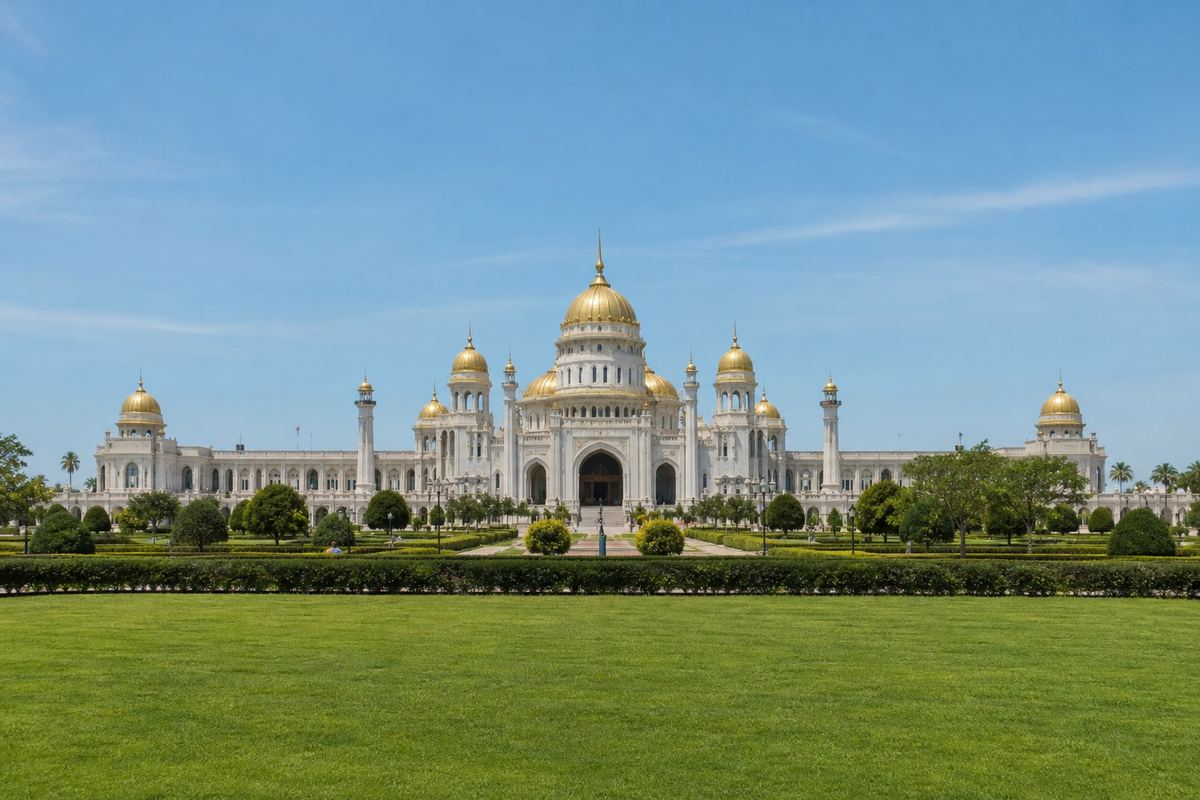
A palace on a hill A modern royal palace with golden domes set in wide green grounds, seen from a distance. AI-generated illustration, not a photograph.
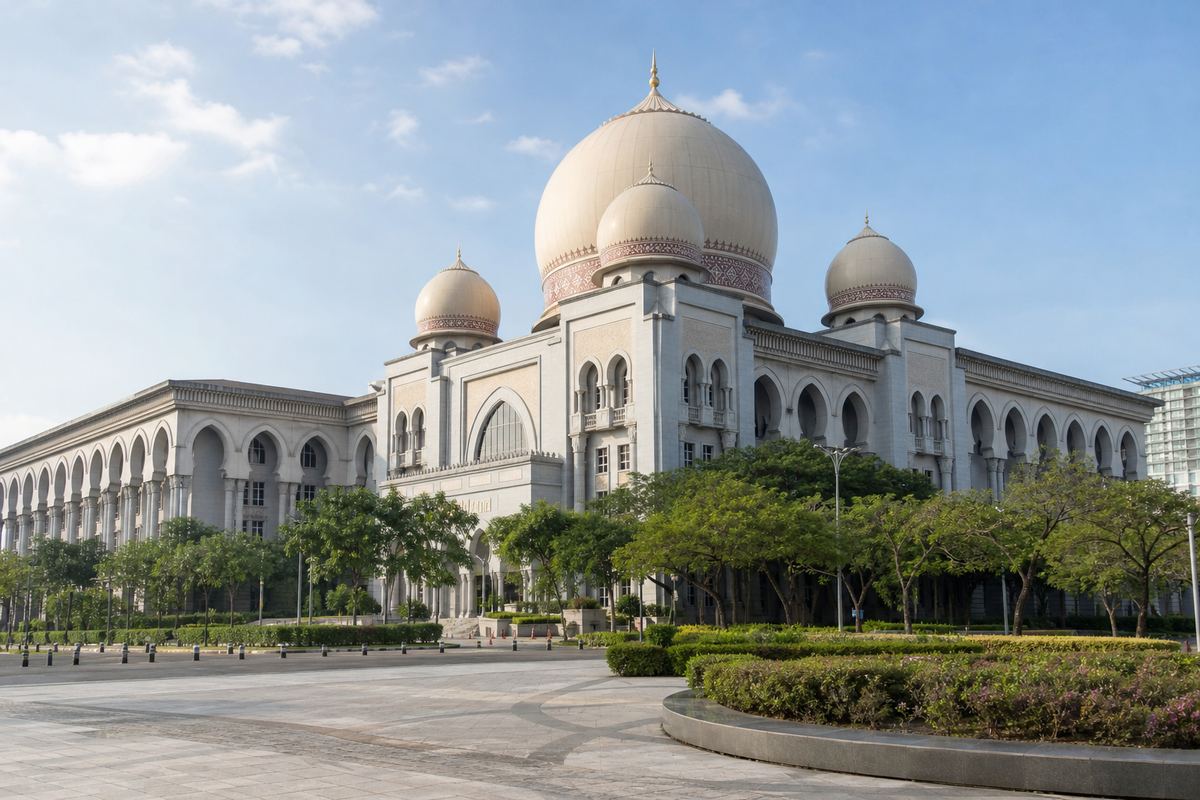
A court in Kuala Lumpur A large modern court complex with a dome and arches, in the style of Malaysian public buildings, on a bright morning. AI-generated illustration, not a photograph.
  • stay at the residence; leave only with permission
  • visits only as the prison directive allows
  • no phone, no social media, no political activity
Conditions of the house arrest (The Edge)
Prologue

The news

The Edge (10 November 2026): a new Kuala Lumpur High Court order cleared Najib to serve the rest of his SRC International sentence at his Kuala Lumpur home until 23 August 2028, on condition that the RM50 million fine is paid; he was first to return to Kajang Prison to have the conditions read to him. Al Jazeera (10 November 2026): Najib, 73, reached home late that day; the order covers only his first conviction; on 6 November he had left prison but was sent back within hours after the Attorney General blocked the transfer and sought clarification; a palace statement said the king’s prerogative of pardon was clear and must be respected. Malay Mail (18 September 2026): Sultan Ibrahim consented to the conditional pardon at the 64th meeting of the Federal Territories Pardons Board.

Najib was convicted in 2020; he has said he did nothing wrong. The film explains the office, not the merits of the case.

The 3D scenes are schematic: positions, seats and figures show how the system works, not maps, real rooms or real people.

Sources: The Edge Malaysia (10 Nov 2026): Najib cleared to serve remainder of SRC sentence under house arrest; Al Jazeera (10 Nov 2026): Malaysian court clears former PM Najib Razak for house arrest transfer; Malay Mail (18 Sep 2026): Najib gets conditional pardon to serve remainder of sentence under house arrest
Chapter I · Nine rulers

Chapter I · Nine rulers

Nine royal houses

Which states have rulers, and which have governors.

Malaysia is a federation of thirteen states, and most of them still have their own royal house.

Today nine states have a hereditary ruler: Perlis, Kedah, Perak, Kelantan, Terengganu, Pahang, Selangor, Negeri Sembilan and Johor. Most of them are sultans.

The other four, Penang, Malacca, Sabah and Sarawak, have no royal house. Each has an appointed governor instead.

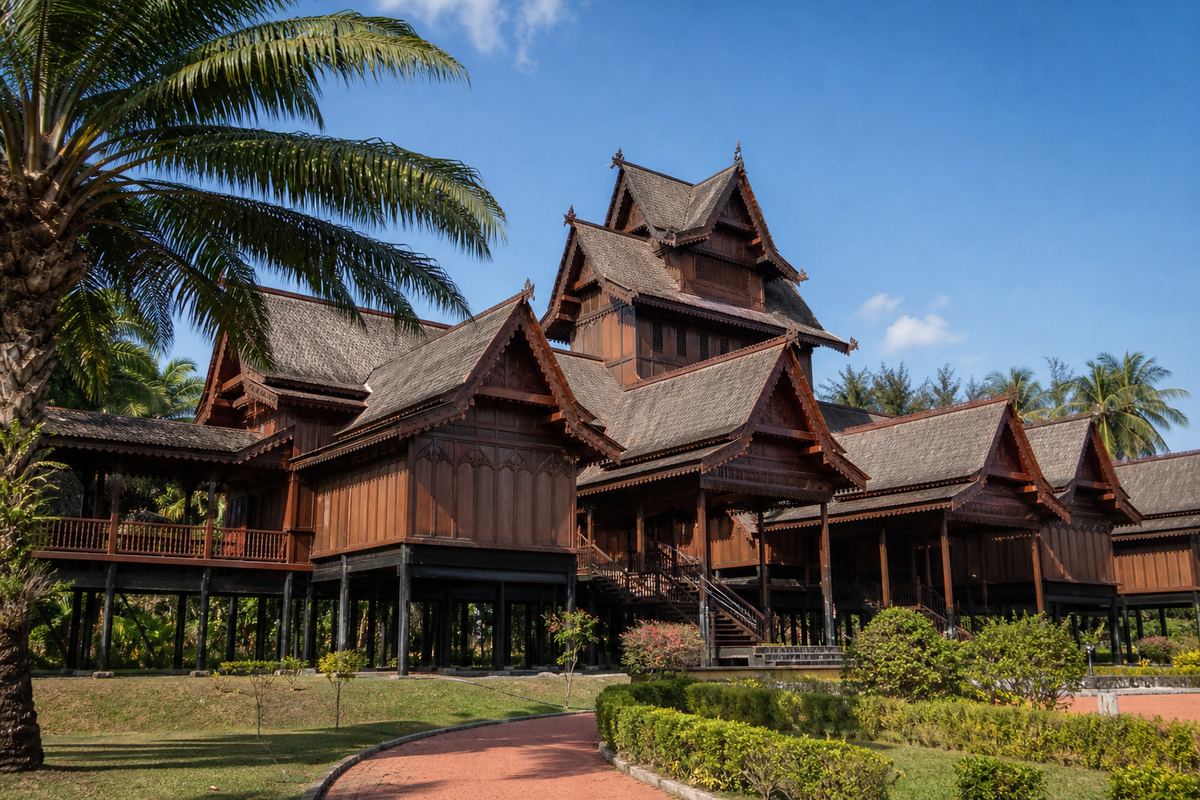
A state palace A traditional Malay royal palace of carved wood with tiered roofs, surrounded by palm trees. AI-generated illustration, not a photograph.
  • Perlis · Kedah · Perak
  • Kelantan · Terengganu · Pahang
  • Selangor · Negeri Sembilan · Johor
States with a hereditary ruler (The Star)
9
with a hereditary ruler
4
with an appointed governor
Thirteen states (Al Jazeera)
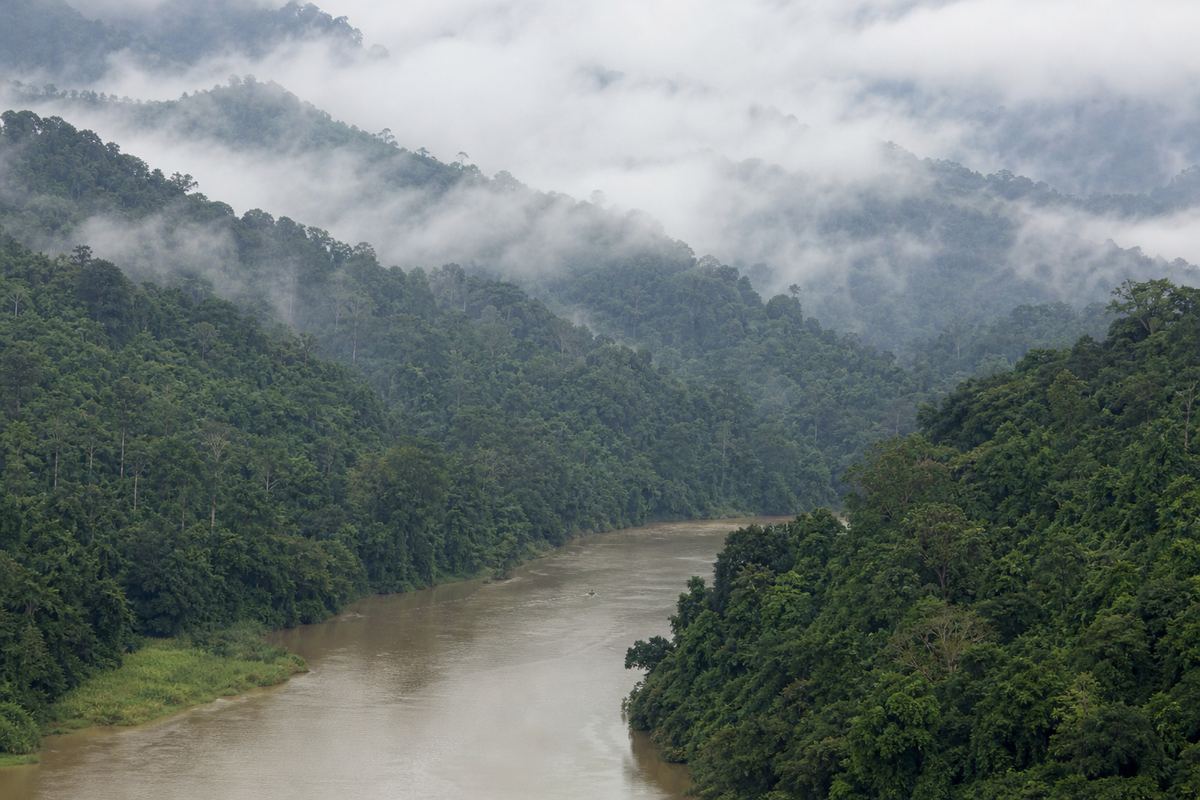
Across the sea Rainforest-covered hills and a river in Borneo, where Sabah and Sarawak lie, under morning mist. AI-generated illustration, not a photograph.
Chapter I · Nine rulers

Rulers and governors

The Star (2022) lists the nine states with hereditary rulers: Negeri Sembilan, Selangor, Perlis, Terengganu, Kedah, Kelantan, Pahang, Johor and Perak. Al Jazeera (2019): Malacca, Penang, Sabah and Sarawak have no royal house; their governors have no vote in choosing the king. The Federal Constitution calls the governors Yang di-Pertua Negeri.

The rulers of Perlis and Negeri Sembilan hold other titles than sultan.

The 3D scenes are schematic: positions, seats and figures show how the system works, not maps, real rooms or real people.

Sources: The Star (6 Jun 2022): How is the Yang di-Pertuan Agong elected?; Al Jazeera (Jan 2019): Malaysia royals select king in unique rotational system; Federal Constitution of Malaysia (English text, Constitute Project): Articles 3, 32–34, 39–43; Third and Fifth Schedules

Chapter I · Nine rulers

A throne that moves

How the office began at independence.

When Malaya became independent from Britain in 1957, it needed a head of state for the whole federation, but there were nine royal families. The answer was to share one throne between them.

The new office was called the Yang di-Pertuan Agong, often shortened to the Agong. At the first election, the Sultan of Johor declined, citing his age; the Sultan of Pahang did not get enough votes.

So the first king was Tuanku Abdul Rahman of Negeri Sembilan, a state whose own ruler is chosen by four local chiefs.

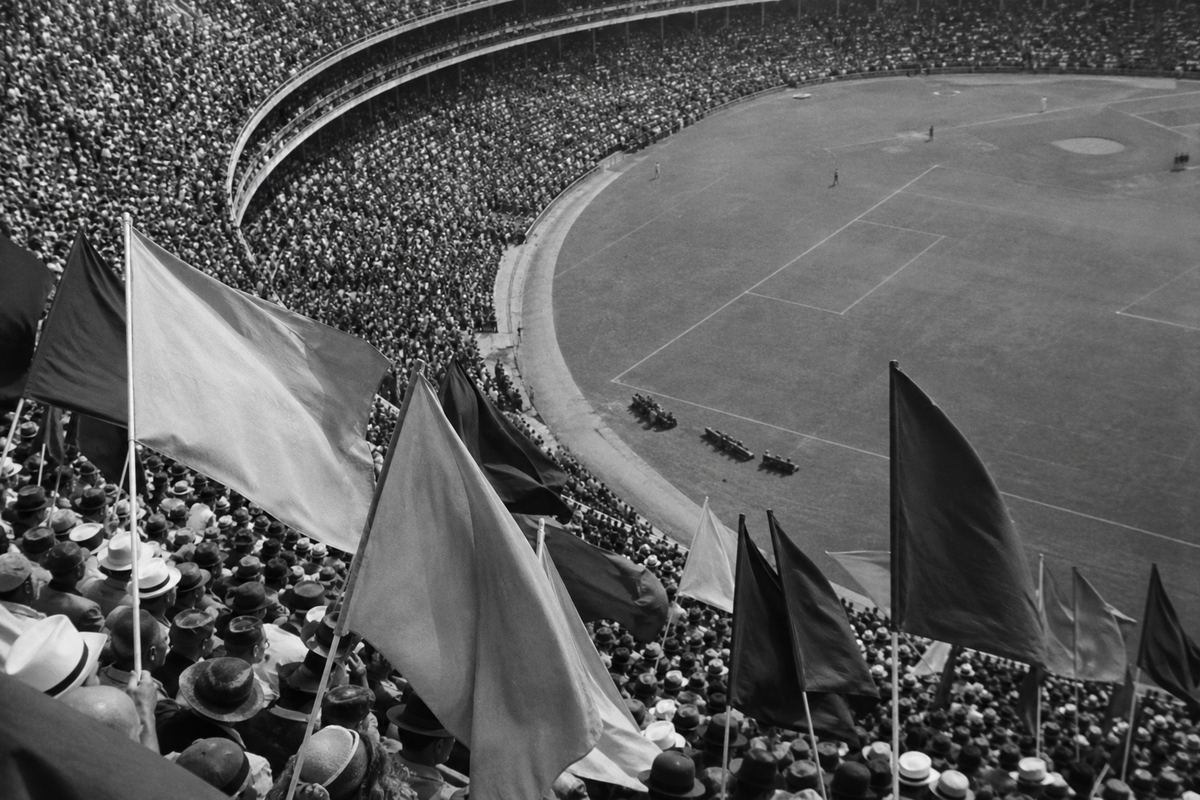
Independence, 1957 A large crowd in a 1950s stadium seen from high in the stands, flags as plain coloured cloth, no faces visible. AI-generated illustration, not a photograph.
  • Sultan of Johor: declined, citing old age
  • Sultan of Pahang: not enough votes
  • Tuanku Abdul Rahman of Negeri Sembilan: chosen
The first election, August 1957 (The Star)
1957
created at independence
9
royal houses to share it
A new office (The Star; Al Jazeera)
  • there, four chiefs, the Undang, elect the ruler
  • Tunku Abdul Rahman, the first prime minister, drew on that rotation for the national throne
A model from Negeri Sembilan (The Star, 2024)
Chapter I · Nine rulers

How it began

The Star (2024): the office was created in 1957, proposed by the Reid Commission that drafted the constitution, and Tunku Abdul Rahman, the first prime minister, drew on the rotation in Negeri Sembilan, where the four Undang elect the Ruler. At the first election in August 1957, the Sultan of Johor (reigning since 1895) declined because of his age, the Sultan of Pahang (since 1932) did not get enough votes, and Tuanku Abdul Rahman of Negeri Sembilan was chosen. Al Jazeera (2019): Tuanku Abdul Rahman was the first Agong, and the system dates from independence in 1957.

“Agong” is the short form used in Malaysia; the film calls the office “the king”, as English-language news does.

The 3D scenes are schematic: positions, seats and figures show how the system works, not maps, real rooms or real people.

Sources: The Star (20 Jul 2024): History of the Yang di-Pertuan Agong; Al Jazeera (Jan 2019): Malaysia royals select king in unique rotational system

Chapter II · Choosing a king

Chapter II · Choosing a king

The Conference of Rulers

Who sits at the table, and who votes.

The king is chosen by the Conference of Rulers, in Malay the Majlis Raja-Raja. Under the constitution, it brings together the nine rulers and the four governors.

But the governors take no part in electing or removing the king. That is for the nine rulers alone.

The meeting is called by its secretary, an official called the Keeper of the Rulers’ Seal, no later than four weeks before the king’s five-year term ends.

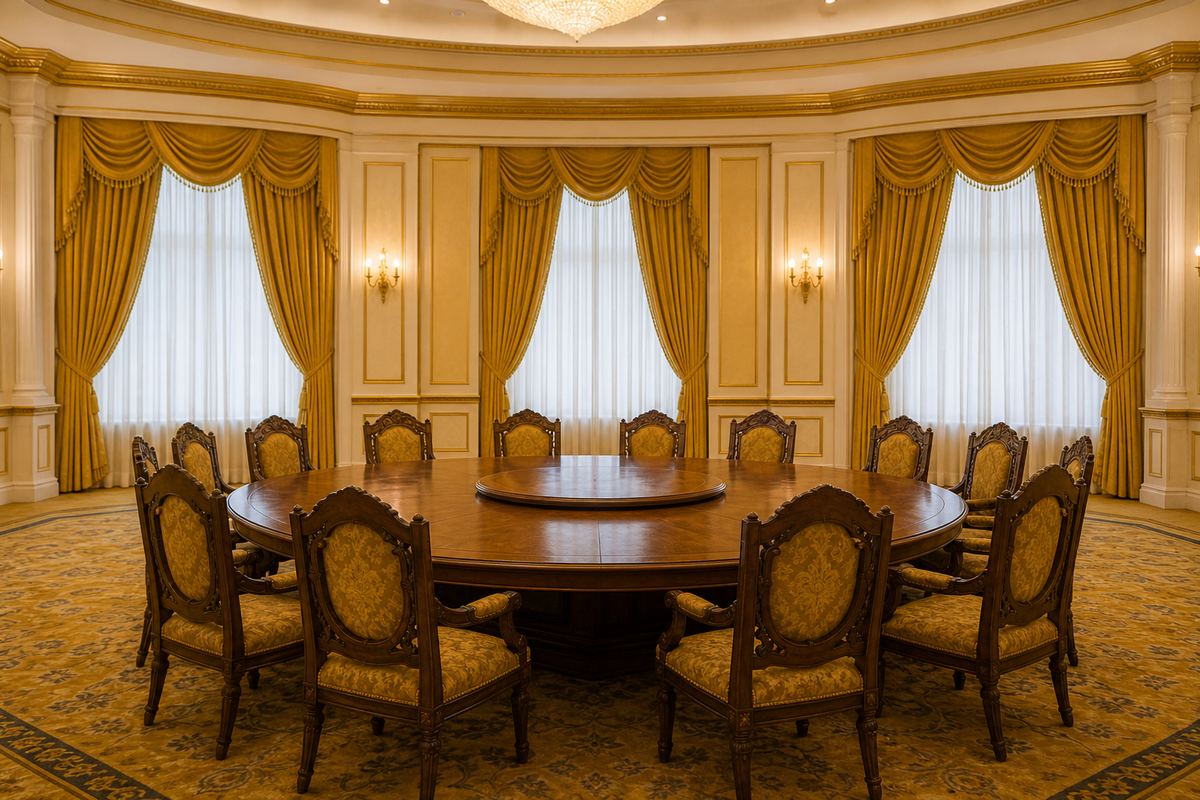
A council hall An empty formal meeting hall with a round table, carved wooden chairs and gold-and-yellow drapes. AI-generated illustration, not a photograph.
The Yang di-Pertuan Agong shall be elected by the Conference of Rulers for a term of five years…Federal Constitution, Article 32(3)
9
rulers: vote
4
governors: no vote on the king
Who votes for the king (Constitution, Fifth Schedule)
A seal An ornate brass seal and a sheet of thick paper on a dark wooden desk, no writing visible. AI-generated illustration, not a photograph.
Chapter II · Choosing a king

The Conference of Rulers

Federal Constitution, Fifth Schedule: the Conference consists of the Rulers and the governors of the states without a Ruler; the governors take no part in electing or removing the Yang di-Pertuan Agong or electing his deputy; the Keeper of the Rulers’ Seal is its secretary and must convene it no later than four weeks before the king’s term ends. Article 32(3): the king is elected by the Conference of Rulers for five years.

The 3D scenes are schematic: positions, seats and figures show how the system works, not maps, real rooms or real people.

Sources: Federal Constitution of Malaysia (English text, Constitute Project): Articles 3, 32–34, 39–43; Third and Fifth Schedules; The Star (6 Jun 2022): How is the Yang di-Pertuan Agong elected?

Chapter II · Choosing a king

Offered, not campaigned for

What the constitution says, and how the vote is held.

There is no campaign. The constitution keeps a list of the states, and the throne is offered first to the ruler whose state is next on it.

In practice, according to The Star, the rulers vote by secret ballot on the ruler whose turn it is. If he wins five of the nine votes, he is king.

The constitution lets the turn pass to the next state if the ruler declines, if he is under age, or if at least five rulers vote that he is unsuitable.

Only the rulers and two officials are in the room. The ballots are unnumbered, marked with the same pen, and destroyed once the result is known.

Behind closed doors Tall carved wooden double doors, closed, in a palace corridor with yellow carpet. AI-generated illustration, not a photograph.
5 of 9
votes needed
0
ballots kept afterwards
The vote, in practice (The Star)
  • a ruler who is a minor
  • a ruler who has said he does not want the office
  • a ruler found unsuitable by secret ballot, at least 5 votes
Third Schedule: who cannot be chosen
Blank slips Plain unnumbered paper slips and a single fountain pen on a polished table. AI-generated illustration, not a photograph.
  • the nine rulers
  • the Keeper of the Rulers’ Seal
  • an assistant secretary
In the room (The Star)
Chapter II · Choosing a king

Offer and ballot

Federal Constitution, Third Schedule: a Ruler is not eligible if he is a minor, has notified the Keeper of the Rulers’ Seal that he does not wish to be elected, or the Conference has resolved by secret ballot that he is unsuitable, a resolution needing the votes of at least five members; the office is offered first to the eligible Ruler whose state is first on the election list. The Star (2022) describes the practice: only the Rulers, the Keeper and an assistant secretary are present; ballot papers are unnumbered and marked with the same pen and ink; a candidate needs five votes; the ballots are destroyed after the result.

The ballot details come from news reports, not from the text of the constitution.

The 3D scenes are schematic: positions, seats and figures show how the system works, not maps, real rooms or real people.

Sources: Federal Constitution of Malaysia (English text, Constitute Project): Articles 3, 32–34, 39–43; Third and Fifth Schedules; The Star (6 Jun 2022): How is the Yang di-Pertuan Agong elected?

Chapter II · Choosing a king

Around the table

The order of the states, and the two cycles.

Over the first nine reigns, every state took its turn: the first cycle ended with the Sultan of Perak, the ninth king.

When every state has served, the constitution says the next round follows the order in which the states held the throne. So the second cycle began in 1994, again with Negeri Sembilan.

Kings can also leave early. In January 2019, Sultan Muhammad the Fifth of Kelantan stepped down, the first king to do so since independence. No reason was given.

  1. 1–3 Negeri Sembilan, Selangor, Perlis
  2. 4–6 Terengganu, Kedah, Kelantan
  3. 7–9 Pahang, Johor, Perak
The order of first service (Sinar Harian)
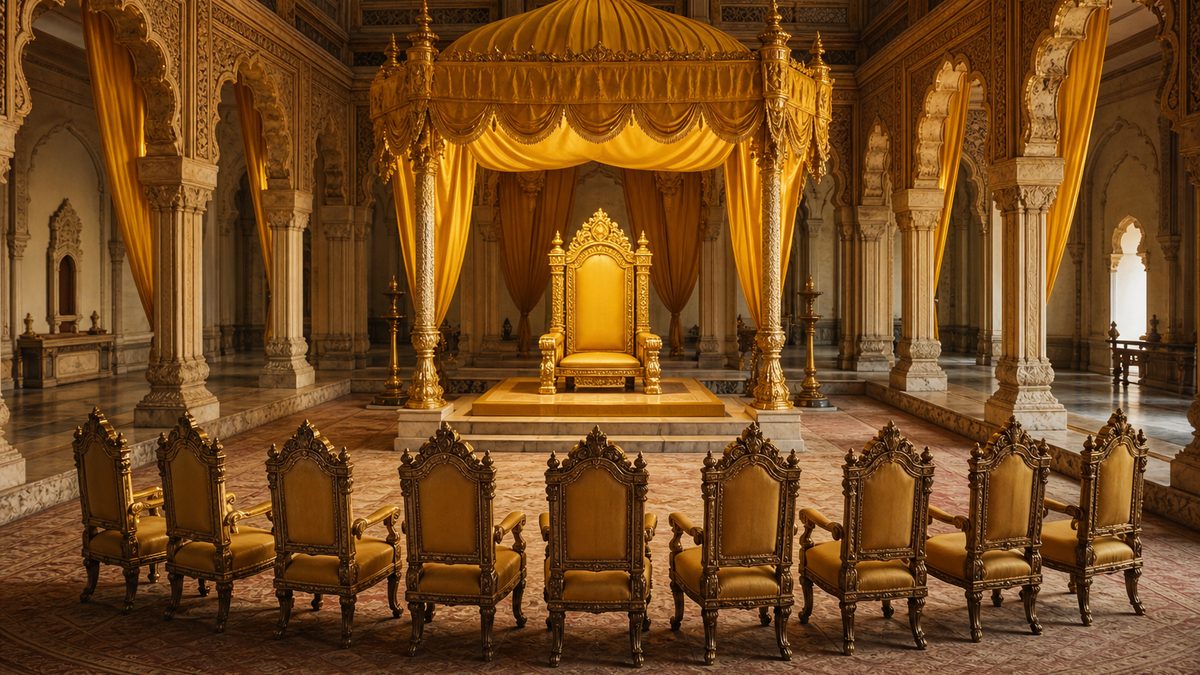
One throne A golden throne under a yellow canopy in an empty throne room, warm light. AI-generated illustration, not a photograph.
1994
begins with the 10th king, from Negeri Sembilan
Cycle 2 (Malay Mail)
1st
king to step down since 1957
6 Jan 2019
announced by the palace
Abdication, 2019 (Dawn/AFP)
  • the ruler of Pahang, next on the list, became the 16th king
  • his reign: 31 January 2019 to January 2024
After the abdication (Malay Mail)
Chapter II · Choosing a king

The rotation

Federal Constitution, Third Schedule: the first election list followed the Rulers’ precedence in 1957; when every state has provided a king, the list is rebuilt in the order in which the states held the office. The Star (2022): the first cycle ended with Perak as the ninth king. Malay Mail (2024): the second cycle began in 1994 with Tuanku Ja’afar of Negeri Sembilan, the 10th king, and is nearing completion. Dawn/AFP (6 January 2019): Sultan Muhammad V of Kelantan, king since December 2016, stepped down, the first in Malaysia since independence; no reason was given; he had been on medical leave for two months.

The wheel shows the states in the order they first held the throne, which is not the 1957 order of precedence.

The 3D scenes are schematic: positions, seats and figures show how the system works, not maps, real rooms or real people.

Sources: Federal Constitution of Malaysia (English text, Constitute Project): Articles 3, 32–34, 39–43; Third and Fifth Schedules; The Star (6 Jun 2022): How is the Yang di-Pertuan Agong elected?; Malay Mail (20 Jul 2024): Malaysia’s unique rotating monarchy: Sultan Ibrahim’s reign begins as second cycle nears completion; Dawn / AFP (6 Jan 2019): Malaysia’s king abdicates in first for country; Utusan Malaysia (Jan 2019): Tiga lagi raja melengkapkan senarai kedua penggiliran Yang di-Pertuan Agong

Chapter II · Choosing a king

The king today

Sultan Ibrahim of Johor, and a deputy from Perak.

The current king, the seventeenth, is Sultan Ibrahim of Johor. The rulers chose him on 27 October 2023, and his five-year term began on 31 January 2024. His father had been the eighth king.

The rulers also elect a deputy for five years, who stands in when the king is away or ill. Today that is Sultan Nazrin of Perak, the next state on the list.

While he is king, a ruler hands over his duties in his own state, except as its head of Islam.

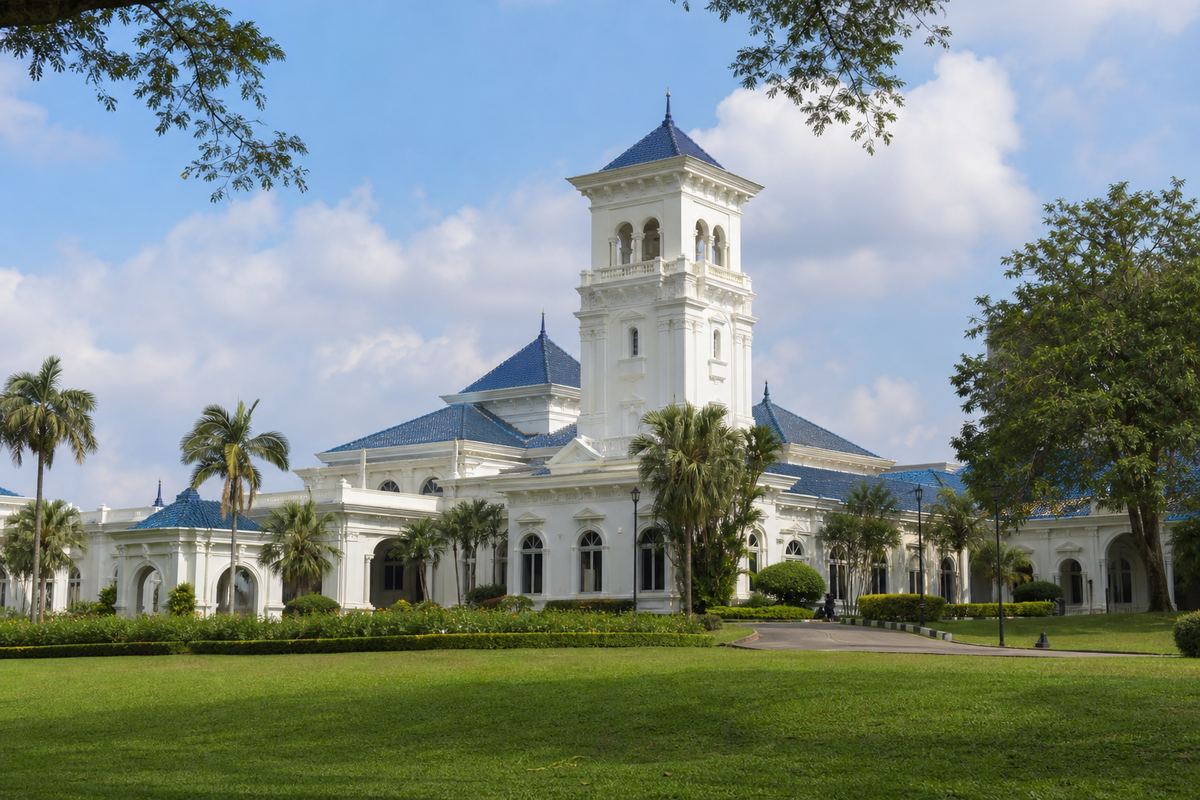
Johor A white palace with a square tower and blue roofs in a green park, in the style of Johor Bahru’s royal buildings. AI-generated illustration, not a photograph.
8th
king: his father, 1984–1989
17th
king: Sultan Ibrahim, from 2024
A family turn (Al Jazeera)
  1. 27 Oct 2023 elected by the Conference of Rulers
  2. 31 Jan 2024 five-year term begins; deputy: Sultan Nazrin of Perak
  3. 20 Jul 2024 installation ceremony, Istana Negara
The 17th reign (Malay Mail)
  • elected by the rulers for five years
  • acts for the king in absences of 15 days or more
The deputy (Article 33)
  • while king, a ruler leaves his state duties
  • except as head of Islam in his own state
Article 34
Chapter II · Choosing a king

The king and his deputy

Malay Mail (27 October 2023): Sultan Ibrahim of Johor was elected at a special meeting of the Conference of Rulers to serve five years from 31 January 2024, succeeding Al-Sultan Abdullah of Pahang, the 16th king; Sultan Nazrin of Perak was elected deputy. Al Jazeera (2023): his father was the eighth king (1984–1989). Malay Mail (2024): his installation took place on 20 July 2024 at Istana Negara. Federal Constitution: Article 33, the deputy is elected for five years and acts for the king during a vacancy, illness or absence of 15 days or more; Article 34(1), while king, a Ruler gives up his functions in his own state, except as Head of Islam there.

The 3D scenes are schematic: positions, seats and figures show how the system works, not maps, real rooms or real people.

Sources: Malay Mail (27 Oct 2023): Johor ruler Sultan Ibrahim is new Agong, to serve five years from January 31, 2024; Al Jazeera (27 Oct 2023): Malaysian sultans choose new king in unique rotational monarchy; Malay Mail (20 Jul 2024): Malaysia’s unique rotating monarchy: Sultan Ibrahim’s reign begins as second cycle nears completion; Federal Constitution of Malaysia (English text, Constitute Project): Articles 3, 32–34, 39–43; Third and Fifth Schedules

Chapter III · What the king does

Chapter III · What the king does

On advice

A constitutional monarch.

On paper, the king holds the executive authority of the federation. But the constitution says he acts on the advice of the cabinet, led by the prime minister, and must accept that advice.

He is the supreme commander of the armed forces, and the head of Islam in the four states without a ruler and in the federal territories, such as Kuala Lumpur.

This is what makes Malaysia a constitutional monarchy: for most decisions, elected governments decide, and the king signs.

…the Yang di-Pertuan Agong shall accept and act in accordance with such advice.Federal Constitution, Article 40(1A)
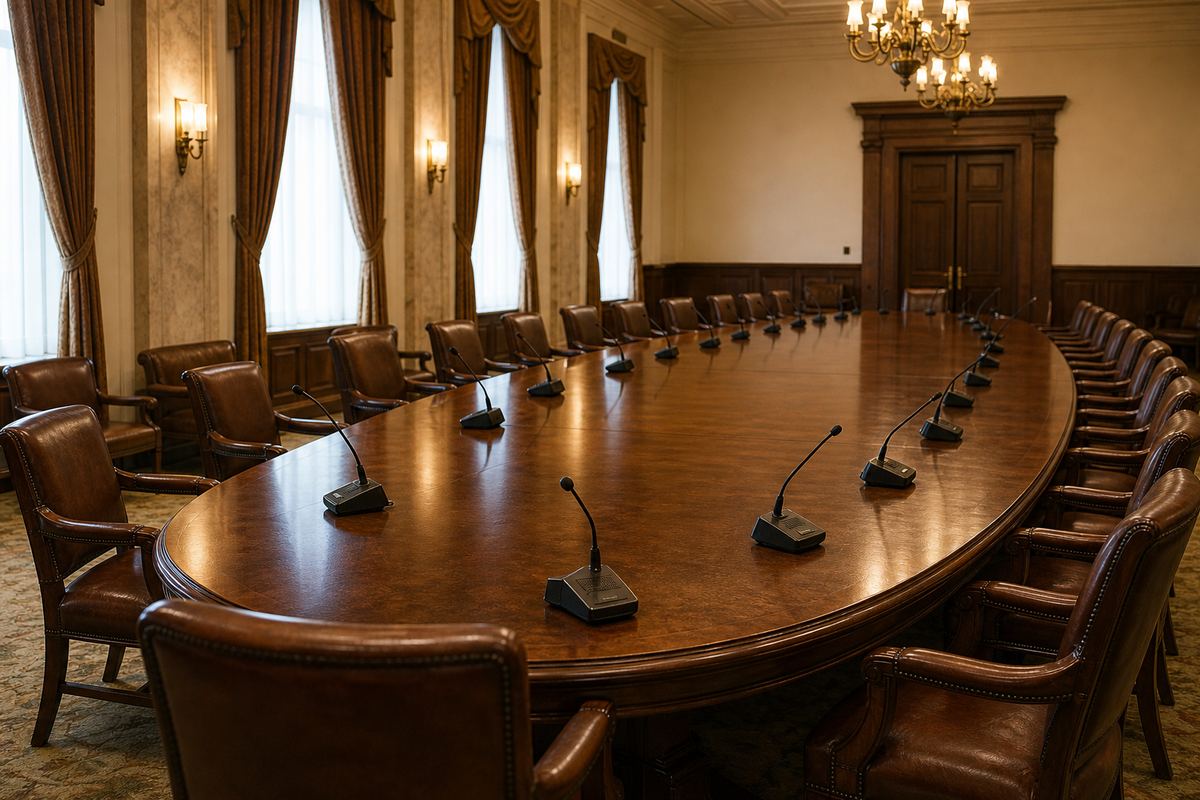
A cabinet room A long oval cabinet table with leather chairs and microphones in a government building, empty. AI-generated illustration, not a photograph.
  • executive authority, used on advice (Art. 39, 40)
  • supreme commander of the armed forces (Art. 41)
  • head of Islam: Penang, Malacca, Sabah, Sarawak, federal territories (Art. 3)
Roles in the constitution
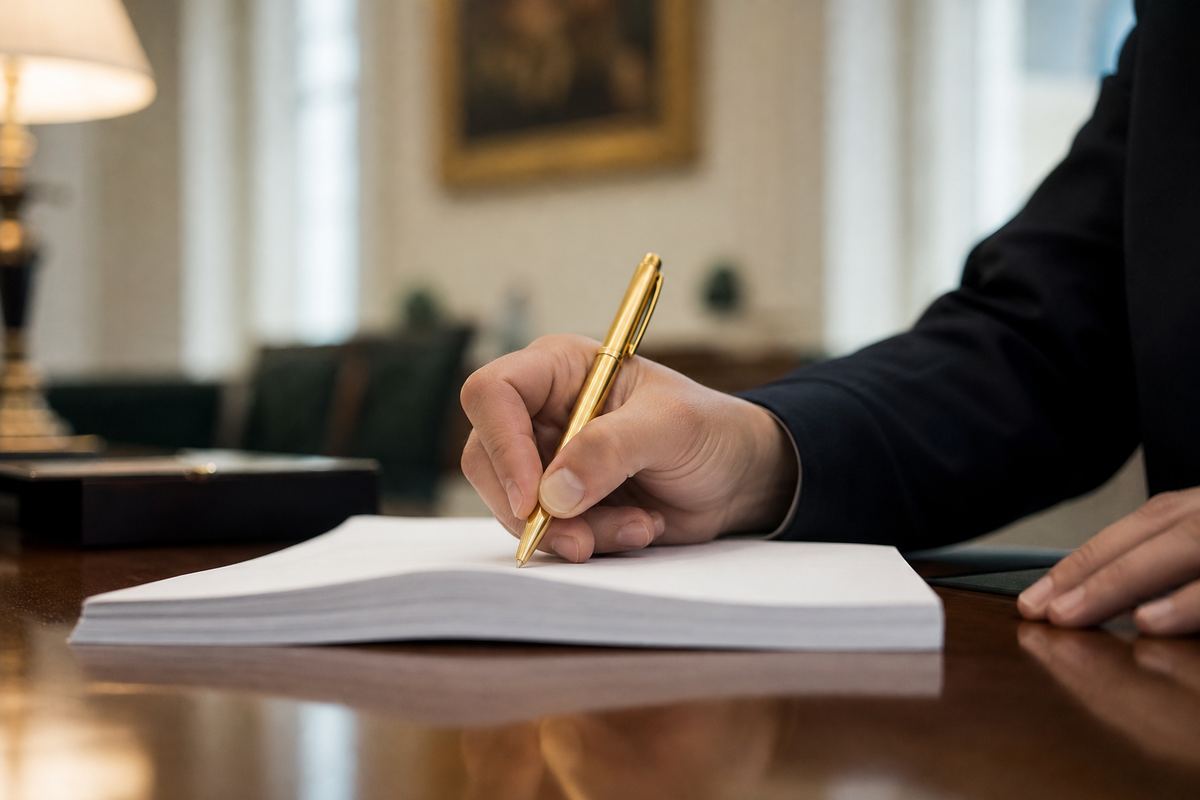
A signature A hand in a dark sleeve signing a thick document with a gold pen on a desk, no writing visible. AI-generated illustration, not a photograph.
Chapter III · What the king does

A constitutional monarch

Federal Constitution: Article 39, the executive authority of the federation is vested in the Yang di-Pertuan Agong and exercisable by him or by the Cabinet or a minister; Article 40(1) and (1A), he acts in accordance with the advice of the Cabinet, and where he is to act on advice he shall accept and act in accordance with it; Article 41, he is Supreme Commander of the armed forces; Article 3, each Ruler is Head of Islam in his state, and the king is Head of Islam in Malacca, Penang, Sabah, Sarawak and the Federal Territories.

The 3D scenes are schematic: positions, seats and figures show how the system works, not maps, real rooms or real people.

Sources: Federal Constitution of Malaysia (English text, Constitute Project): Articles 3, 32–34, 39–43; Third and Fifth Schedules

Chapter III · What the king does

His own judgment

The few decisions the king takes himself.

But there are a few things the king may decide in his own judgment, without waiting for advice.

The most important is choosing a prime minister: a member of the lower house of parliament who, in his judgment, is likely to command the confidence of a majority there.

He may also refuse a prime minister’s request to dissolve parliament, and call a meeting of the rulers about their own privileges and position.

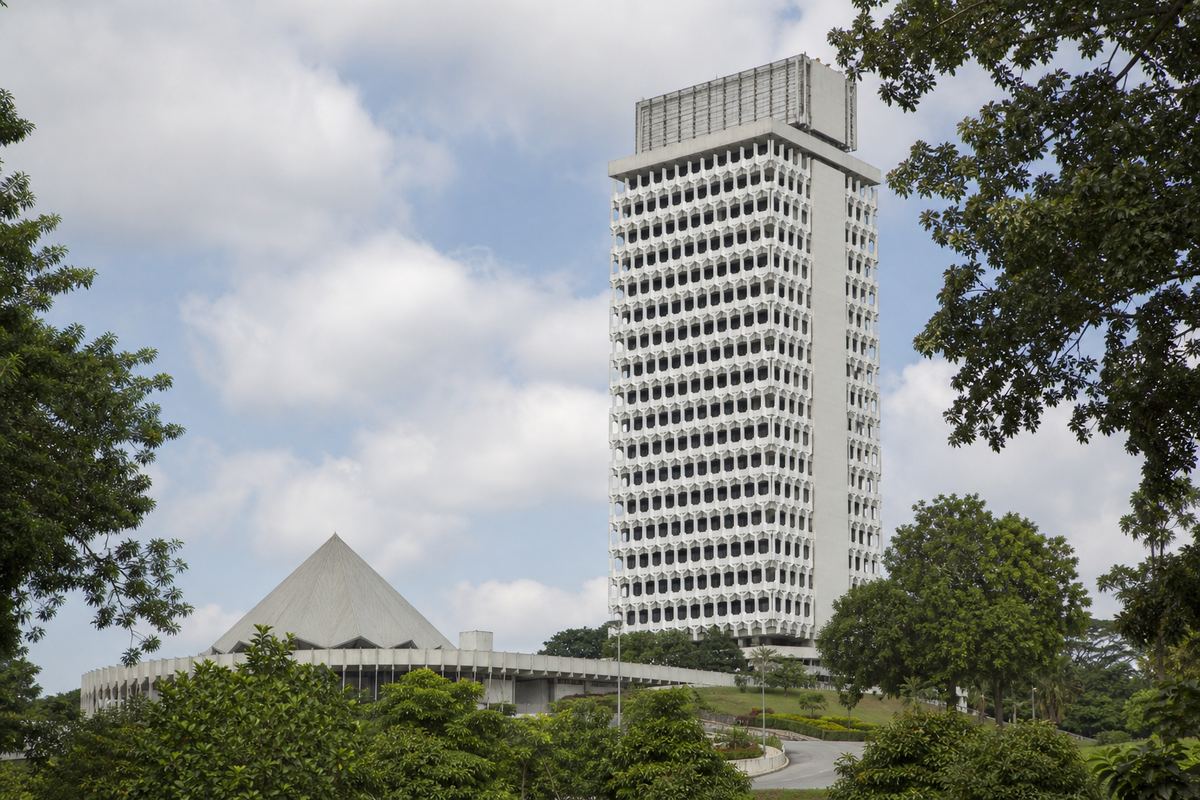
Parliament A tall modern parliament tower beside a low building with a pointed roof, surrounded by trees, in the style of Kuala Lumpur’s Parliament House. AI-generated illustration, not a photograph.
…a member of the House of Representatives who in his judgment is likely to command the confidence of the majority of the members of that House…Federal Constitution, Article 43(2)(a)
  • appointing a prime minister
  • withholding consent to dissolve parliament
  • calling a Conference of Rulers meeting on the rulers’ privileges
Discretion, Article 40(2)
Chapter III · What the king does

Discretion

Federal Constitution, Article 40(2): the Yang di-Pertuan Agong may act in his discretion in the appointment of a Prime Minister, the withholding of consent to a request for the dissolution of Parliament, and the requisition of a meeting of the Conference of Rulers concerned solely with the privileges, position, honours and dignities of their Royal Highnesses. Article 43(2)(a): he appoints as Prime Minister a member of the House of Representatives (the Dewan Rakyat) who in his judgment is likely to command the confidence of the majority of its members.

The 3D scenes are schematic: positions, seats and figures show how the system works, not maps, real rooms or real people.

Sources: Federal Constitution of Malaysia (English text, Constitute Project): Articles 3, 32–34, 39–43; Third and Fifth Schedules

Chapter III · What the king does

When no one has a majority

The king’s choice in 2020 and 2022.

Usually that choice is obvious. Recently it has not been. In February 2020, after Prime Minister Mahathir Mohamad resigned, the king met party leaders and members of parliament, and named Muhyiddin Yassin. Both of these choices were made by the same king, Al-Sultan Abdullah of Pahang.

After the election of November 2022, no group had the 112 seats needed for a majority of the 222 in the Dewan Rakyat, the lower house.

The king again met the leaders, consulted the other rulers, and on 24 November appointed Anwar Ibrahim, the tenth prime minister. According to Al Jazeera, the king has taken a more active role since 2018.

  1. 29 Feb 2020 palace: Muhyiddin “may be able to gain the confidence of the majority” (BenarNews)
  2. 19 Nov 2022 general election: no majority (Al Jazeera)
  3. 24 Nov 2022 Anwar Ibrahim sworn in, 10th PM (Al Jazeera)
Two appointments
A crisis, 2020 A long empty government corridor at night with polished floors and closed office doors, lights on. AI-generated illustration, not a photograph.
The lower house A large round parliamentary chamber with rows of green seats facing a central dais, empty, seen from the gallery. AI-generated illustration, not a photograph.
222
seats in the Dewan Rakyat
112
needed for a majority; no group had them
2022 (Al Jazeera)
10th
prime minister: Anwar Ibrahim
24 November 2022 (Al Jazeera)
Chapter III · What the king does

2020 and 2022

BenarNews (29 February 2020): after meeting party leaders and independent members of parliament, the palace said Muhyiddin Yassin may be able to gain the confidence of the majority, and he was to be sworn in the next day. The Star (2020): the crisis began with Mahathir Mohamad’s resignation. Al Jazeera (24 November 2022): the election of 19 November produced no 112-seat majority in the 222-seat house; the king met the leaders and members of parliament, and after a meeting of the royal households named Anwar Ibrahim, who was sworn in as the 10th prime minister. Al Jazeera (2023): Al-Sultan Abdullah, who made both of these choices, used his discretion to choose prime ministers; since 2018 the king has taken a more active role.

Supporters and critics of each government have argued over these choices; the film reports the appointments, not a verdict on them.

The 3D scenes are schematic: positions, seats and figures show how the system works, not maps, real rooms or real people.

Sources: BenarNews (29 Feb 2020): Malaysian king names Muhyiddin as prime minister; The Star (29 Feb 2020): Malaysia king names Muhyiddin as premier to succeed Mahathir; Al Jazeera (24 Nov 2022): Malaysia’s Anwar named country’s 10th prime minister; Al Jazeera (27 Oct 2023): Malaysian sultans choose new king in unique rotational monarchy

Chapter IV · The power to pardon

Chapter IV · The power to pardon

The Pardons Board

Who advises the king on mercy.

The king can also pardon, or reduce sentences, for offences committed in the federal territories, the areas run directly by the federal government, such as Kuala Lumpur, and for those tried by court martial. In the states, the rulers and governors have this power.

He does so with a Pardons Board: the Attorney General, the minister for the federal territories, and up to three members the king appoints. It meets in his presence, and he presides.

Before giving its advice, the board must consider a written opinion from the Attorney General. The king then decides on the board’s advice.

Justice and mercy Antique brass scales on a wooden table beside a closed law book, soft window light. AI-generated illustration, not a photograph.
  • the Attorney General
  • the federal territories minister
  • up to three members appointed by the king
  • the king presides
The board (Article 42(5), (8), (11))
≤ 5
members
1
board for all the federal territories
The Pardons Board (Article 42)
…the Pardons Board shall consider any written opinion which the Attorney General may have delivered…Federal Constitution, Article 42(9)
Chapter IV · The power to pardon

The power to pardon

Federal Constitution, Article 42: the Yang di-Pertuan Agong has power to grant pardons, reprieves and respites, and to remit, suspend or commute sentences, for offences tried by court martial and offences committed in the Federal Territories; the Ruler or governor of a state has the same power for offences in that state. Article 42(11) and (5): there is a single Pardons Board for the Federal Territories, consisting of the Attorney General, the Federal Territories minister and not more than three members appointed by the king. Article 42(8): the board meets in his presence and he presides. Article 42(9): before tendering advice, the board considers any written opinion of the Attorney General.

The 3D scenes are schematic: positions, seats and figures show how the system works, not maps, real rooms or real people.

Sources: Federal Constitution of Malaysia (English text, Constitute Project): Articles 3, 32–34, 39–43; Third and Fifth Schedules

Chapter IV · The power to pardon

One case, two kings

How Najib’s sentence changed.

Najib’s case shows how this works. In July 2020 he was convicted of abuse of power, criminal breach of trust and money laundering, over funds from a state company, SRC International, and sentenced to twelve years in prison and a large fine.

He entered prison in August 2022. In January 2024, the Pardons Board, chaired by the previous king, halved his term to six years.

Najib said that king had also signed an extra order, an addendum, letting him serve the rest at home, and government lawyers confirmed it existed. But in December 2025, the High Court ruled it could not be enforced, because it had not gone through the Pardons Board.

So in September 2026 the board met again, now chaired by the current king, and he granted a conditional pardon: house arrest until 23 August 2028. In November, the court ruled that it could be carried out.

12 years
prison, for abuse of power
RM210m
fine
The SRC International verdict, 28 July 2020 (Malay Mail)
  1. 23 Aug 2022 enters prison (Malay Mail)
  2. 29 Jan 2024 Pardons Board: 6 years, RM50m fine (Malay Mail)
  3. 22 Dec 2025 High Court: the addendum cannot be enforced (Al Jazeera)
  4. 18 Sep 2026 conditional pardon: house arrest (Malay Mail)
What changed
The High Court An empty wood-panelled courtroom with a raised judge’s bench and a coat of arms shape without detail. AI-generated illustration, not a photograph.
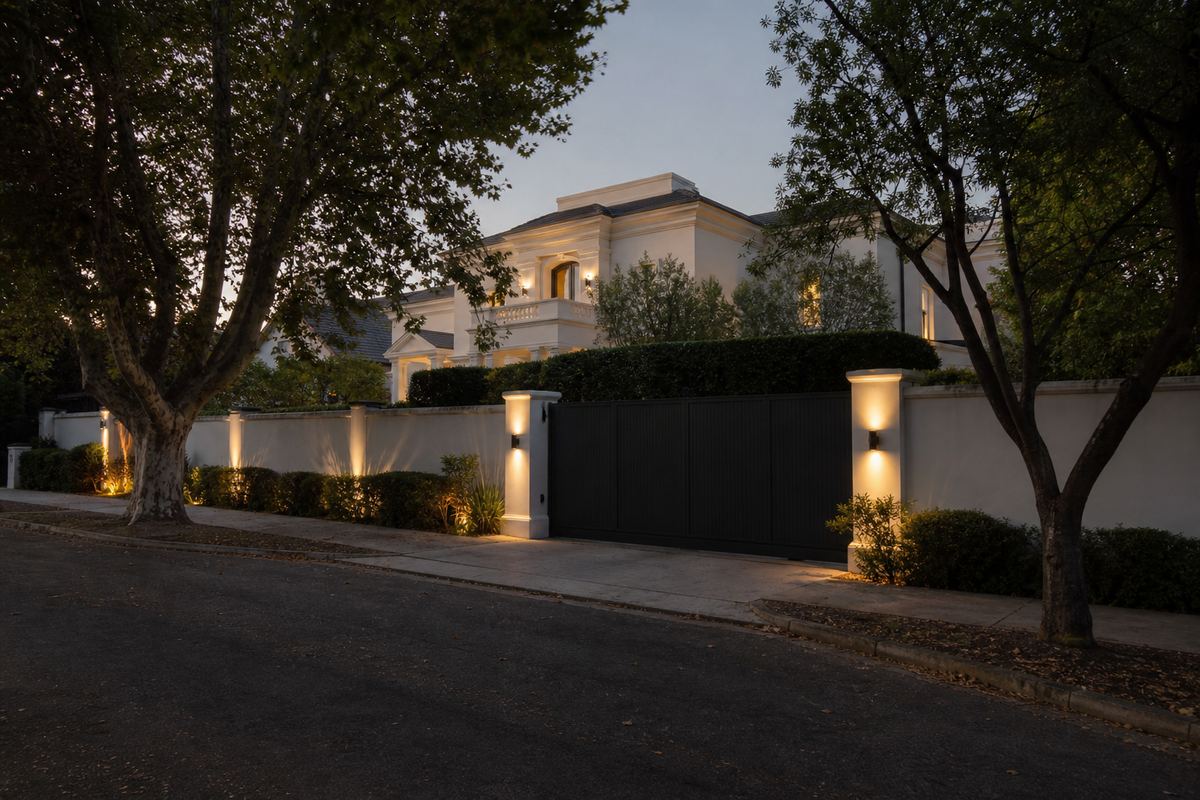
A house behind a wall A large house behind a high white wall and a closed gate on a leafy street at dusk. AI-generated illustration, not a photograph.
  • the palace: the king’s prerogative of pardon is clear and must be respected
  • the High Court, 2025: the king’s discretion must be used judiciously and for the public good
Two views (Al Jazeera; JURIST)
Chapter IV · The power to pardon

One case, two kings

Malay Mail (28 July 2020): the Kuala Lumpur High Court convicted Najib on seven charges over RM42 million of SRC International funds, one of abuse of power (12 years and a RM210 million fine), three of criminal breach of trust and three of money laundering, the terms running concurrently. Malay Mail (2 February 2024): he had been in prison since 23 August 2022; the Federal Territories Pardons Board, meeting on 29 January 2024 under Al-Sultan Abdullah, halved the term to six years and cut the fine to RM50 million. Malay Mail (9 July 2025): the Attorney General’s Chambers confirmed the existence of the royal addendum. Al Jazeera (22 December 2025): the High Court held the addendum unenforceable because it was not issued after advice from the Pardons Board, as Article 42 requires; Najib said he would appeal. JURIST: the court said the king’s discretion must be exercised judiciously and for the public good. Malay Mail (18 September 2026): Sultan Ibrahim consented to a conditional pardon for house arrest until 23 August 2028, revoked automatically on any breach. Al Jazeera (2026): Najib was separately sentenced in December 2025 in the 1MDB case, a term that begins after the house arrest ends; he denies wrongdoing.

The 3D scenes are schematic: positions, seats and figures show how the system works, not maps, real rooms or real people.

Sources: Malay Mail (28 Jul 2020): Najib fined RM210m and given 12-year jail term for power abuse charge; Malay Mail (2 Feb 2024): Pardons Board agrees to cut Najib’s jail term by half; Malay Mail (9 Jul 2025): AGC confirms royal order on Najib’s house arrest in ongoing appeal; Al Jazeera (22 Dec 2025): Malaysia court rejects Najib’s bid to serve sentence under house arrest; JURIST (Dec 2025): Former Malaysia PM loses bid to serve sentence under house arrest; Malay Mail (18 Sep 2026): Najib gets conditional pardon to serve remainder of sentence under house arrest; Al Jazeera (10 Nov 2026): Malaysian court clears former PM Najib Razak for house arrest transfer

Chapter V · Elected crowns elsewhere

Chapter V · Elected crowns elsewhere

Not the only one

Other heads of state chosen by small electorates.

Malaysia is unusual, but not alone. Other heads of state are also chosen by a small group of electors.

In the Vatican, cardinals under the age of eighty elect the pope by secret ballot. Two-thirds of the votes are needed, and white smoke announces the result.

In Cambodia, a Council of the Throne, made up of parliamentary leaders, the prime minister and two senior monks, chooses a king from the royal family, who then reigns for life.

And in the United Arab Emirates, the rulers of the seven emirates elect the federation’s president, as they did in May 2022.

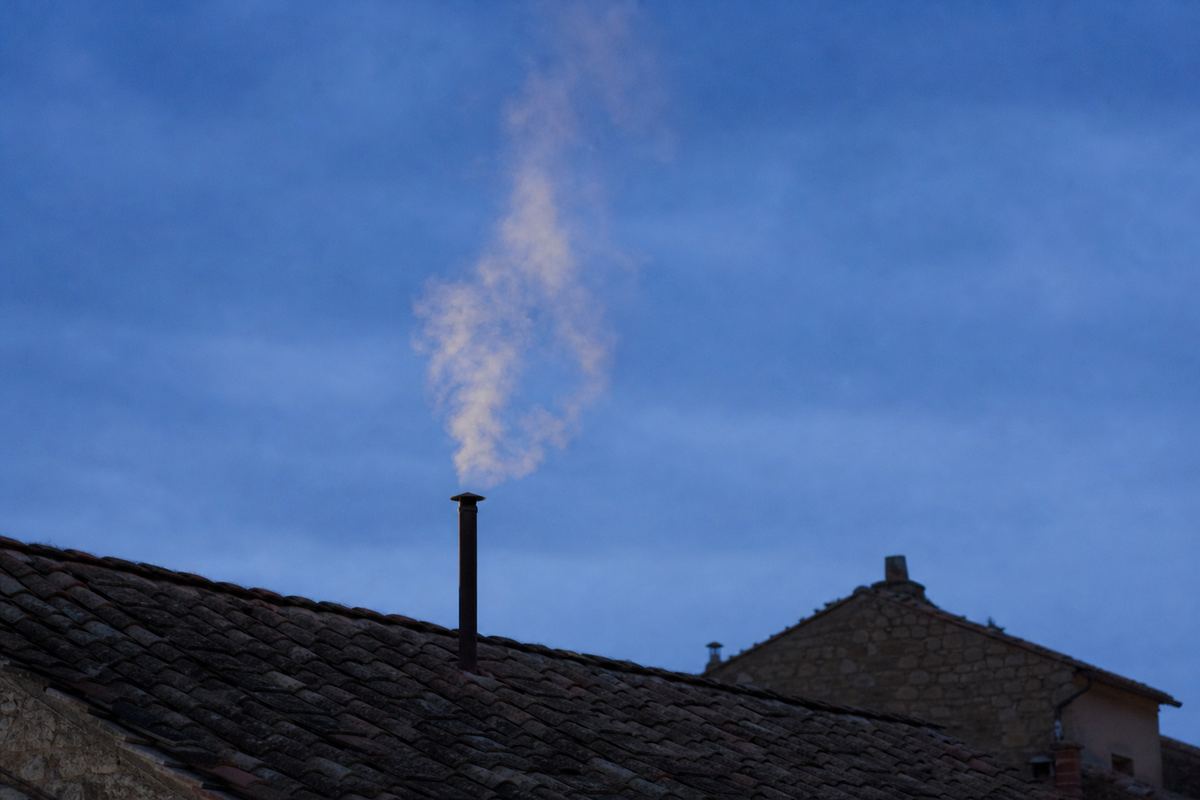
White smoke White smoke rising from a thin chimney on an old tiled roof against a blue evening sky. AI-generated illustration, not a photograph.
  • presidents and vice-presidents of both houses
  • the prime minister
  • the chief monks of the two Buddhist orders
  • the king must be at least 30 (Art. 14)
Cambodia’s Council of the Throne (Constitution, Art. 13)
A federation of emirates A modern city skyline at the edge of the desert at sunset, dunes in the foreground. AI-generated illustration, not a photograph.
Chapter V · Elected crowns elsewhere

Elected crowns elsewhere

Britannica: cardinals under the age of 80 elect the pope in a conclave in the Sistine Chapel by secret paper ballot; a two-thirds majority is required; the ballots are burned, and white smoke signals that a pope has been chosen. Constitution of Cambodia: Article 13, the Council of the Throne chooses a king within seven days, its members being the presidents and vice-presidents of both houses, the prime minister and the chief monks of the two Buddhist orders; Article 14, the king must be at least 30 and descend from King Ang Duong, King Norodom or King Sisowath; Article 7, the king reigns for life. Al Jazeera (14 May 2022): the Federal Supreme Council, made up of the rulers of the seven emirates, elected Sheikh Mohamed bin Zayed as president of the UAE, a day after Sheikh Khalifa died.

The 3D scenes are schematic: positions, seats and figures show how the system works, not maps, real rooms or real people.

Sources: Britannica: How is the pope elected?; Constitution of Cambodia, Articles 7, 13–14 (Constitute Project); Al Jazeera (14 May 2022): Sheikh Mohamed bin Zayed elected UAE president

Epilogue

Epilogue

The wheel turns

A timeline, and the sources.

Sultan Ibrahim’s five-year term runs until January 2029. Before it ends, the Keeper of the Rulers’ Seal must call the rulers together again.

Next on the list is Perak. Its ruler, Sultan Nazrin, today’s deputy, would be the eighteenth king, if the rulers elect him, and that would complete the second cycle.

Nine royal houses, one throne, five years at a time: a crown that is inherited at home, and elected for the nation.

31 Jan 2024
term began
5 years
term length, Article 32
The 17th reign (Malay Mail; Constitution)
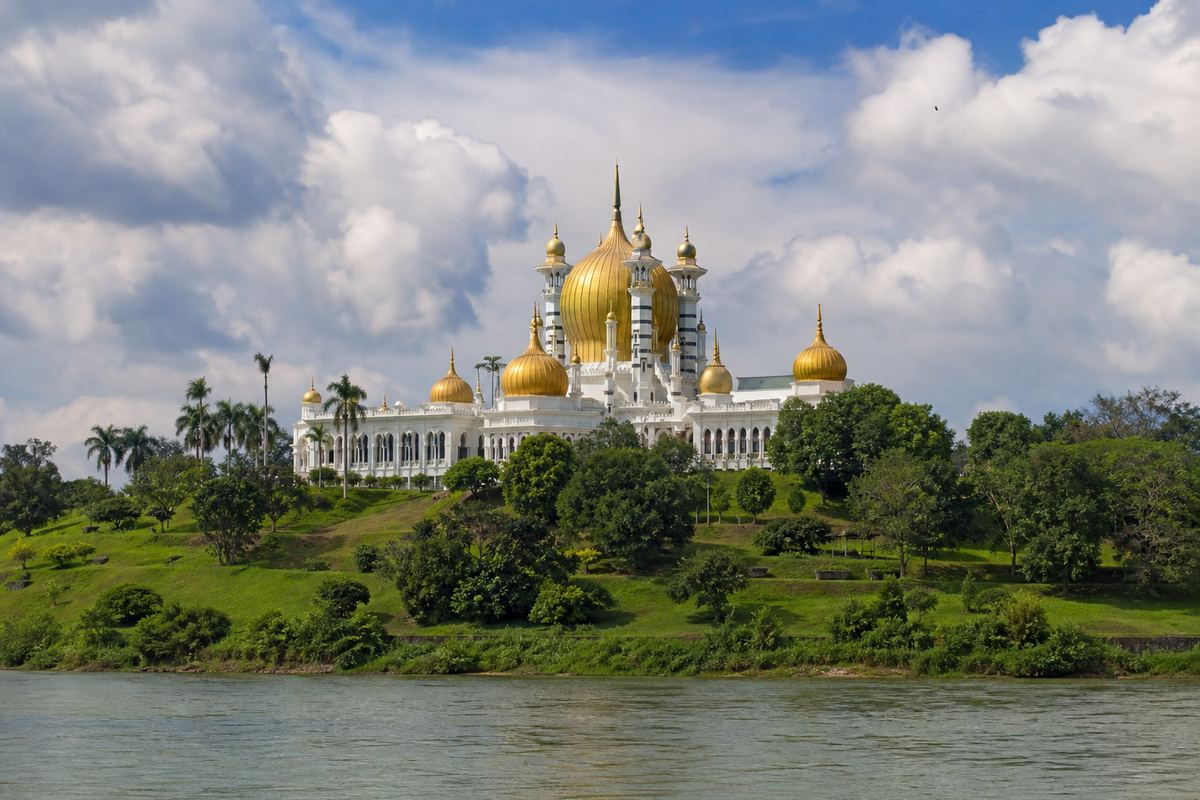
Perak A palace with golden onion domes on a hill above a river and green hills, in the style of Kuala Kangsar in Perak. AI-generated illustration, not a photograph.
  1. 1957 first king: Tuanku Abdul Rahman of Negeri Sembilan
  2. 1994 second cycle begins (10th king)
  3. 2019 first abdication; 16th king, from Pahang
  4. 2024 17th king: Sultan Ibrahim of Johor
  5. 2026 conditional pardon; Najib’s house arrest cleared
Malaysia’s elected kings
Epilogue · Sources

Sources

Every fact in this film comes from the sources below. Constitutional rules are quoted from the English text of the Federal Constitution; how the vote is held in practice comes from news reports, and the film says so. Malay Mail (2024) reports that the second cycle is nearing completion and that Perak is next if elected. Najib Razak was convicted in 2020 and denies wrongdoing; the film describes the legal steps, attributed to their sources, and takes no side on the case or on the king’s decisions. The chapter stills and pictures are AI-generated illustrations, not photographs of real events, places or people, and show no real person. The 3D scenes are schematic.

Sources: The Edge Malaysia (10 Nov 2026): Najib cleared to serve remainder of SRC sentence under house arrest; Al Jazeera (10 Nov 2026): Malaysian court clears former PM Najib Razak for house arrest transfer; Malay Mail (18 Sep 2026): Najib gets conditional pardon to serve remainder of sentence under house arrest; Malay Mail (28 Jul 2020): Najib fined RM210m and given 12-year jail term for power abuse charge; Malay Mail (2 Feb 2024): Pardons Board agrees to cut Najib’s jail term by half; Malay Mail (9 Jul 2025): AGC confirms royal order on Najib’s house arrest in ongoing appeal; Al Jazeera (22 Dec 2025): Malaysia court rejects Najib’s bid to serve sentence under house arrest; JURIST (Dec 2025): Former Malaysia PM loses bid to serve sentence under house arrest; Federal Constitution of Malaysia (English text, Constitute Project): Articles 3, 32–34, 39–43; Third and Fifth Schedules; The Star (6 Jun 2022): How is the Yang di-Pertuan Agong elected?; Al Jazeera (Jan 2019): Malaysia royals select king in unique rotational system; Malay Mail (20 Jul 2024): Malaysia’s unique rotating monarchy: Sultan Ibrahim’s reign begins as second cycle nears completion; The Star (20 Jul 2024): History of the Yang di-Pertuan Agong; Malay Mail (27 Oct 2023): Johor ruler Sultan Ibrahim is new Agong, to serve five years from January 31, 2024; Al Jazeera (27 Oct 2023): Malaysian sultans choose new king in unique rotational monarchy; Sinar Harian: Senarai Yang di-Pertuan Agong (list of kings); Dawn / AFP (6 Jan 2019): Malaysia’s king abdicates in first for country; Utusan Malaysia (Jan 2019): Tiga lagi raja melengkapkan senarai kedua penggiliran Yang di-Pertuan Agong; BenarNews (29 Feb 2020): Malaysian king names Muhyiddin as prime minister; The Star (29 Feb 2020): Malaysia king names Muhyiddin as premier to succeed Mahathir; Al Jazeera (24 Nov 2022): Malaysia’s Anwar named country’s 10th prime minister; Britannica: How is the pope elected?; Constitution of Cambodia, Articles 7, 13–14 (Constitute Project); Al Jazeera (14 May 2022): Sheikh Mohamed bin Zayed elected UAE president