History · Society · Religion
The night of broken glass
9–10 November 1938, remembered 88 years on.
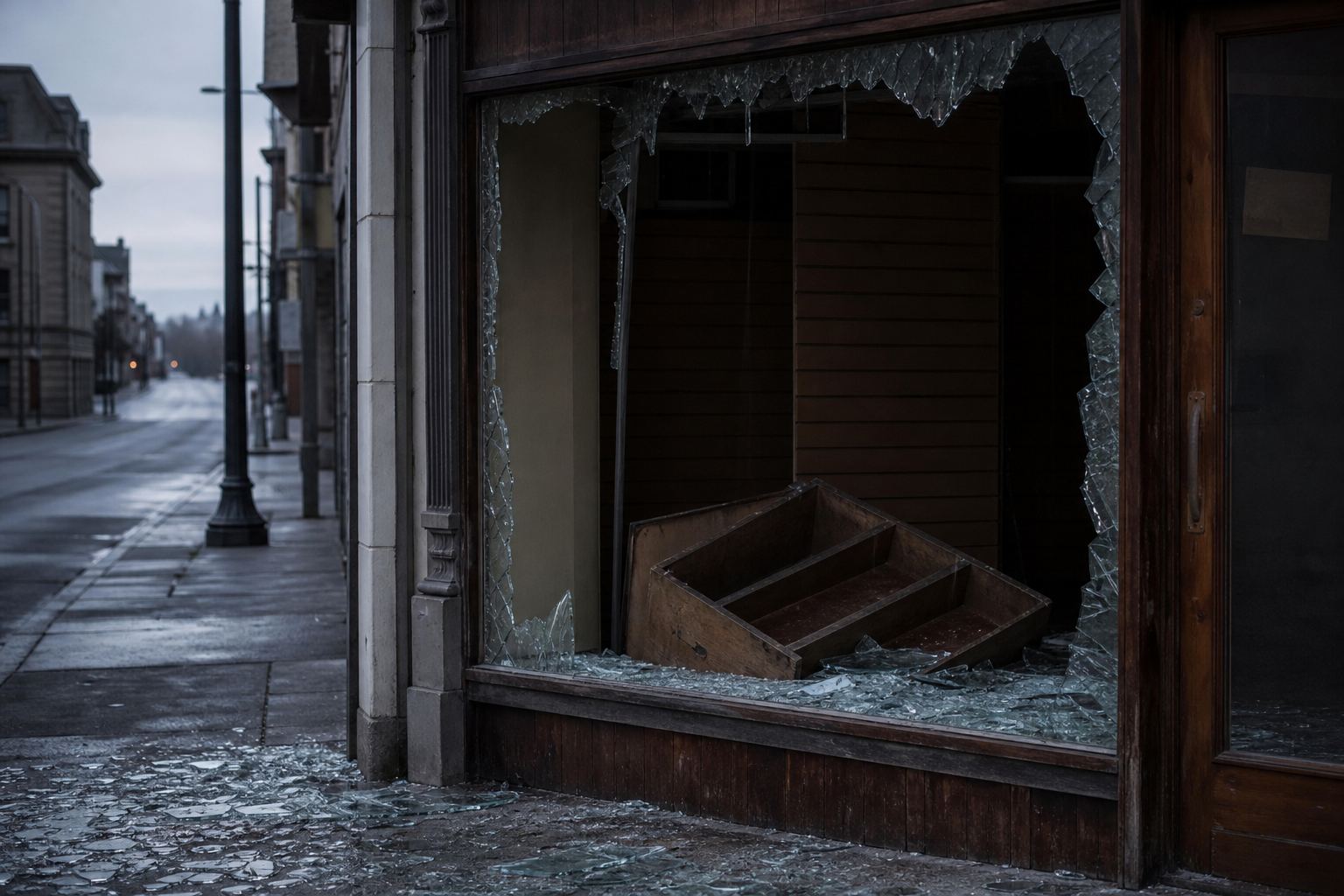
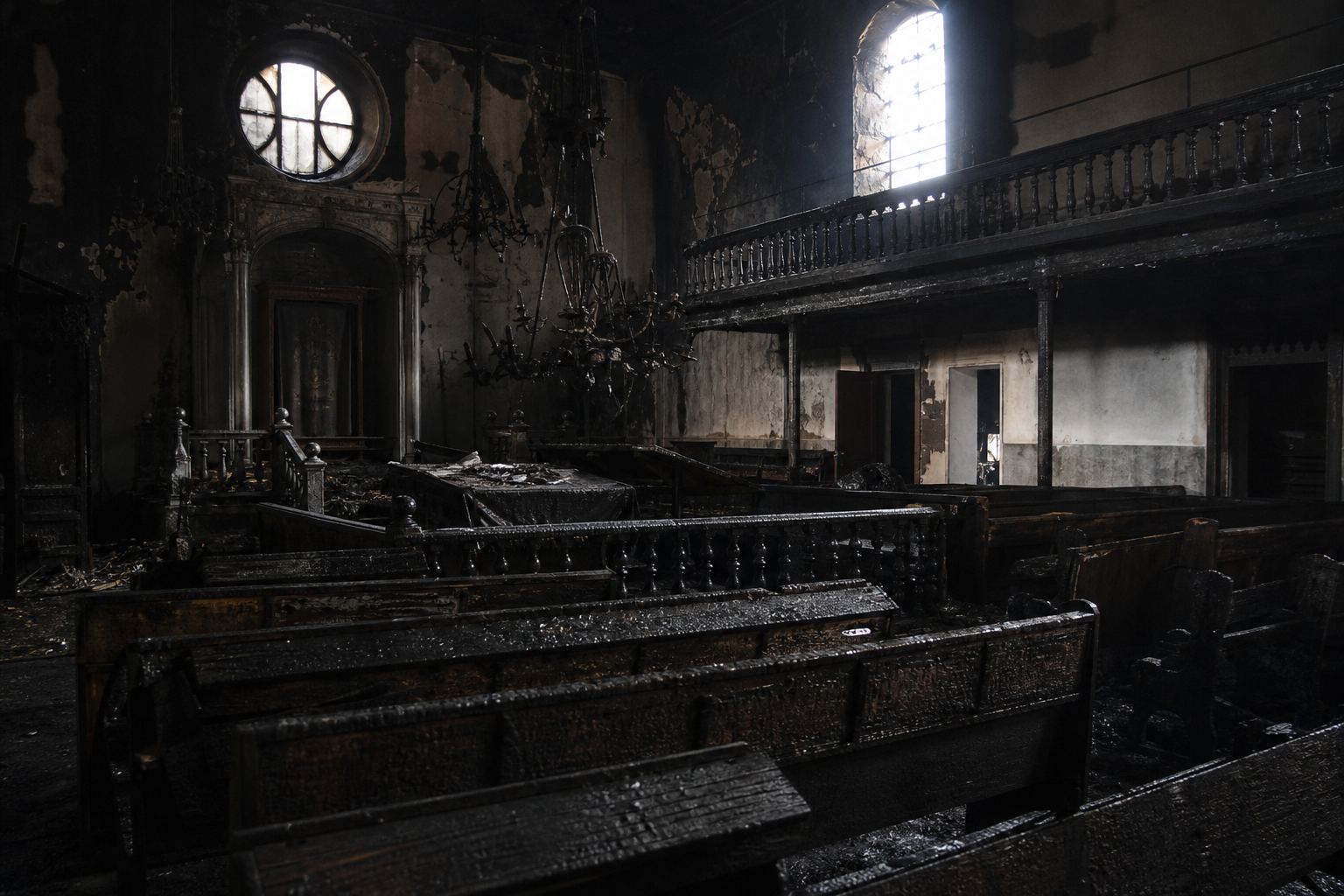
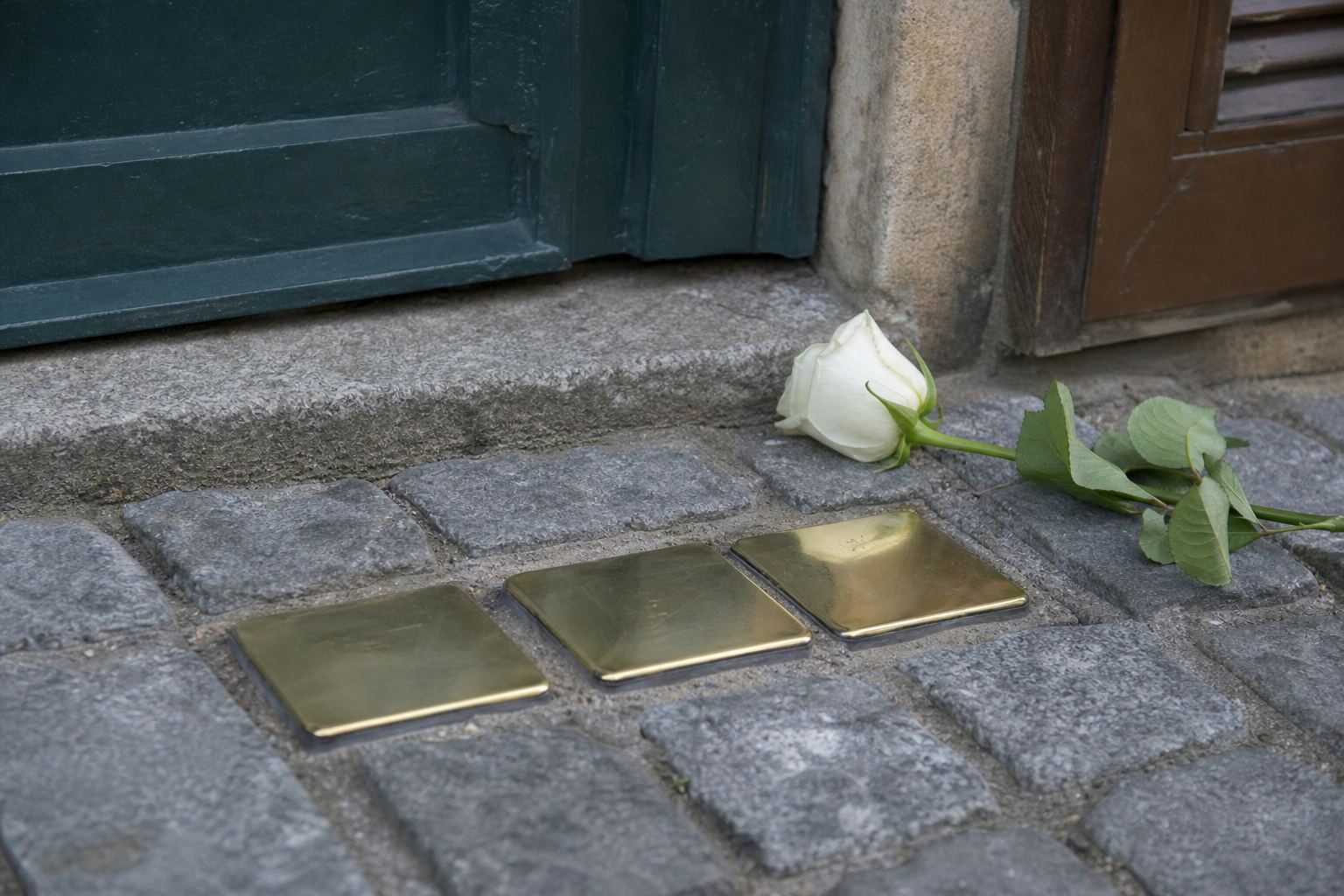
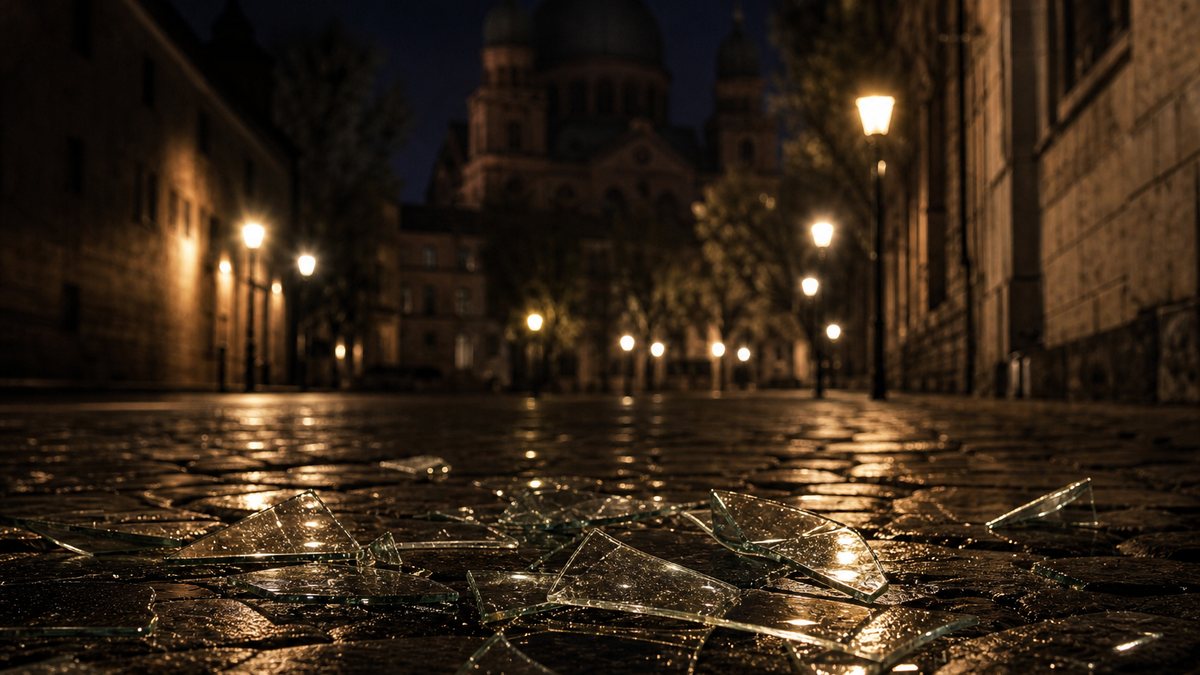
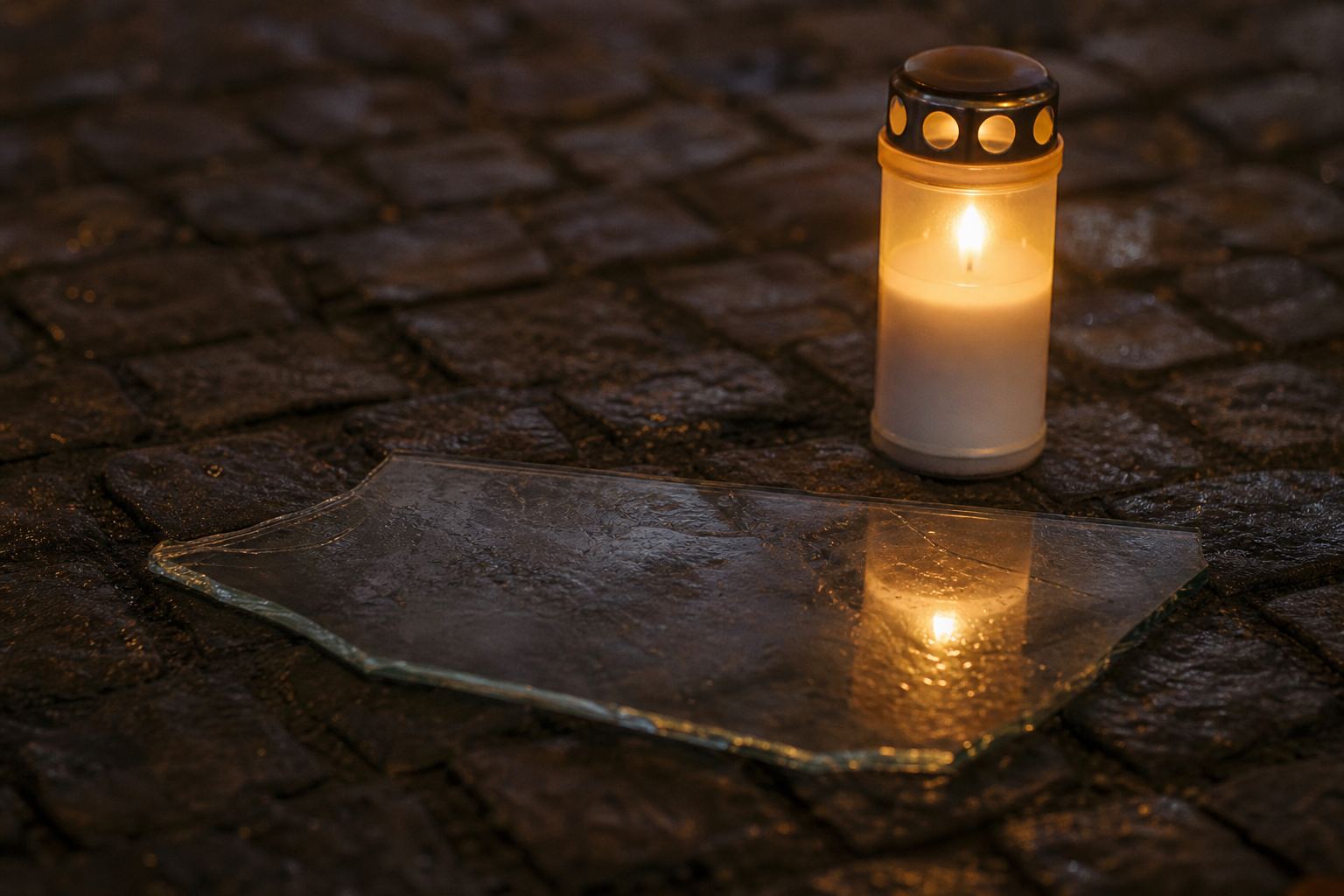
On the night of 9 to 10 November 1938, the streets of towns across Germany and Austria were covered in broken glass.
The Nazi government said the people had risen up on their own. Its own orders tell another story.
Eighty-eight years later, the night is remembered around the world, from Munich to Florida and Sydney.
- 9–10 Nov 1938
- also called the November Pogrom; a pogrom is a violent anti-Jewish riot
Why now
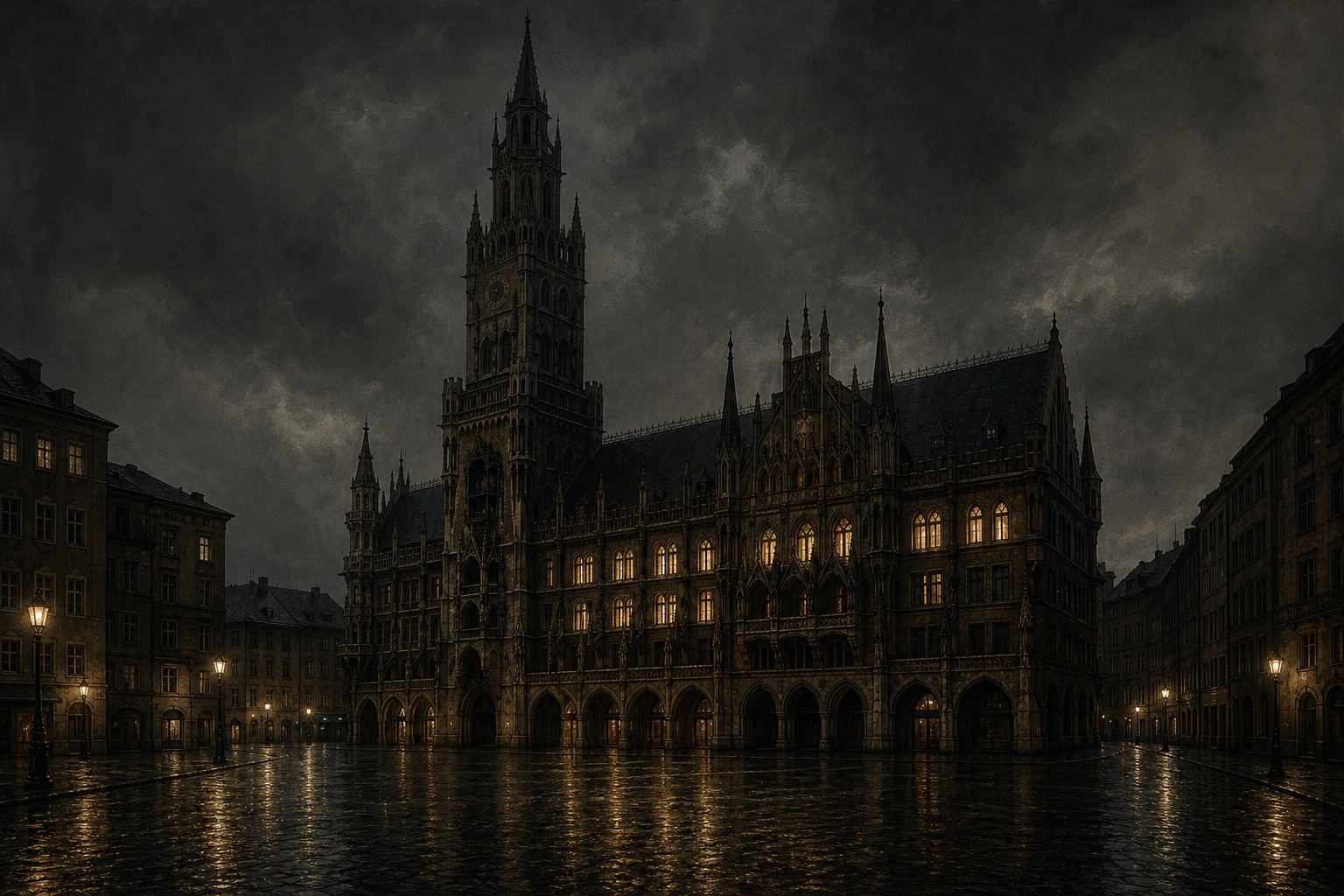
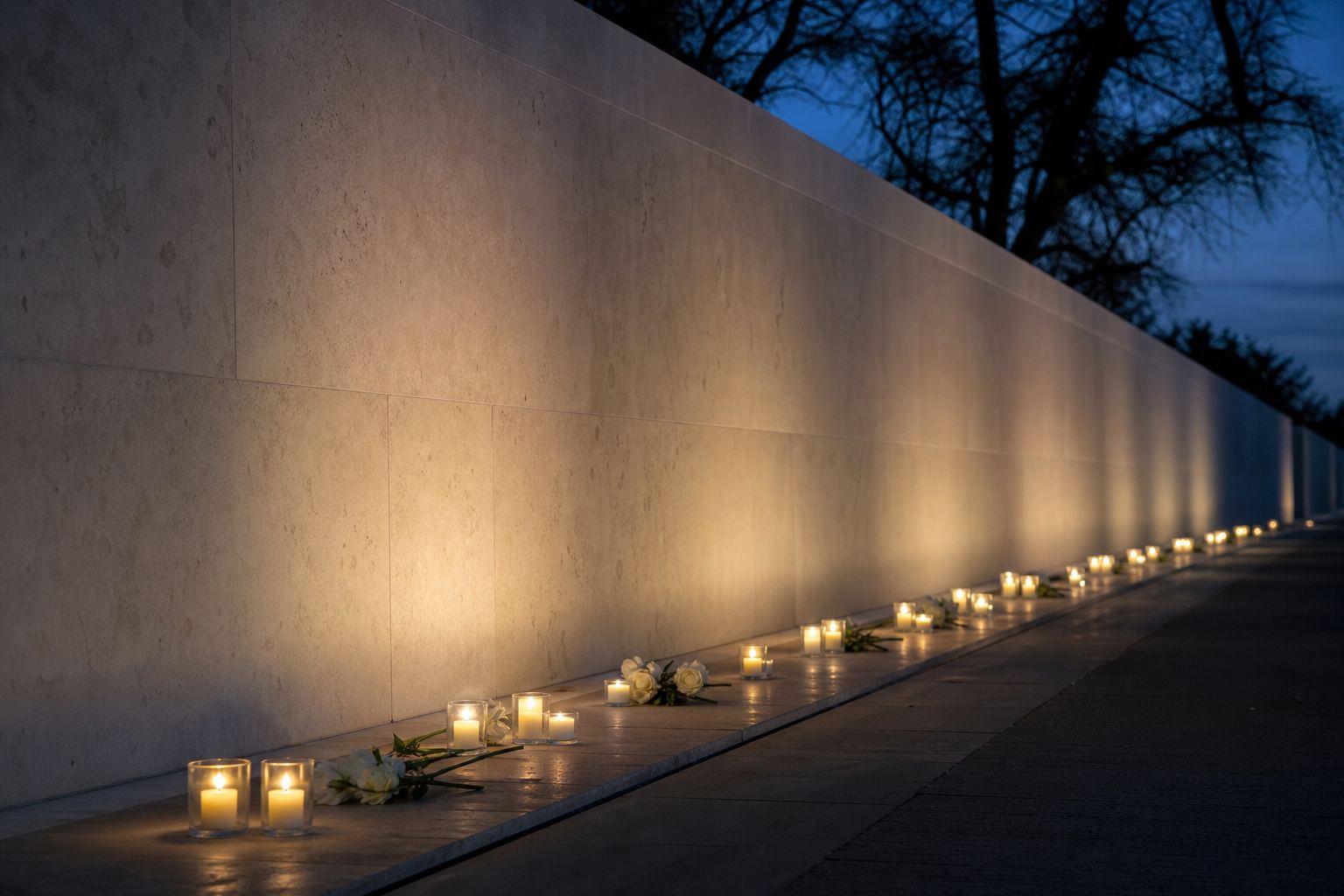
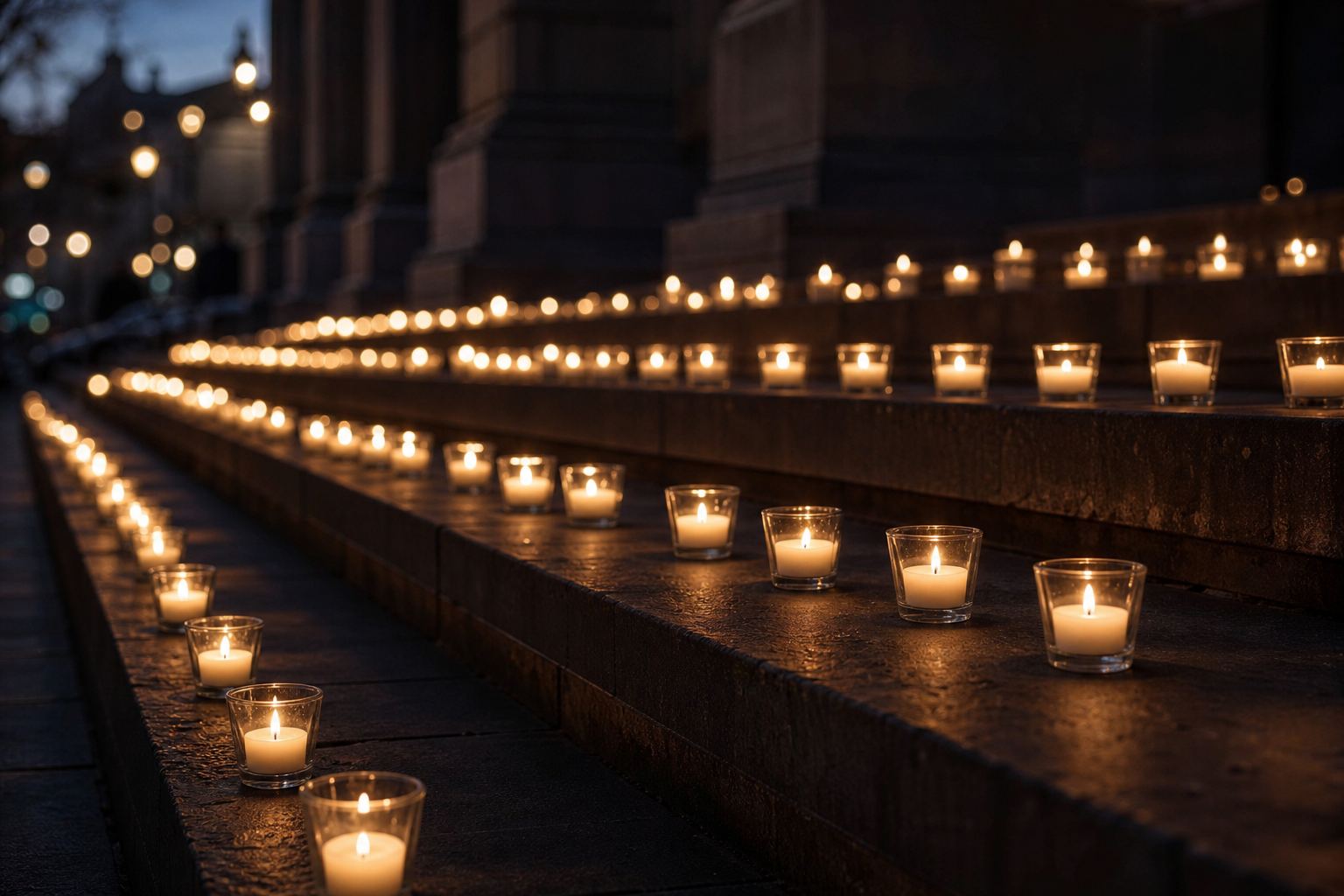
9–10 November 2026 is the 88th anniversary of the November pogrom of 1938. The Friedrich-Ebert-Stiftung Bayern, together with the working group “Arbeitsgruppe Gedenken an den 9. November 1938”, held the remembrance “Every person has a name” on 10 November 2026 in Munich’s Old Town Hall, the hall where the pogrom was proclaimed; Munich’s Lord Mayor spoke, and the ceremony was streamed live. The Florida Holocaust Museum in St. Petersburg opened free on 9 November 2026 with a candle-lighting service, and a commemoration in Sydney on the same evening included live testimony from a survivor of the pogrom.
USHMM: the regime presented the pogrom as a spontaneous outburst; in fact it was state-sponsored violence. This film uses the figures of the US Holocaust Memorial Museum, Yad Vashem, the Wiener Holocaust Library and Germany’s Federal Agency for Civic Education (bpb), and says where they differ.
Sources: Friedrich-Ebert-Stiftung Bayern: “Jeder Mensch hat einen Namen” – remembering 9 November 1938, Munich Old Town Hall, 10 November 2026; The Florida Holocaust Museum: Kristallnacht Commemoration 2026 (9 November 2026); Humanitix: 2026 Kristallnacht Commemoration, Sydney (9 November 2026); United States Holocaust Memorial Museum, Holocaust Encyclopedia: Kristallnacht