In October 2026 the UN Security Council began marking the five permanent members’ ballots in red as it searched for the next Secretary-General. This film explains the organisation behind the headlines: why the League of Nations failed, how fifty countries wrote the UN Charter in 1945, what the General Assembly can and cannot do, how fifteen Council votes and five vetoes work, what peacekeepers are, and how a Secretary-General is chosen. Cast votes in the Assembly, run a Council vote and hold your own straw poll.
Interactive 3D film10 min1920 to 2026Published 23 October 2026
On the sixteenth of October 2026, fifteen countries met behind closed doors in New York and voted in secret on who should lead the United Nations.
For the first time in this race, the five permanent members, the countries that hold a veto, voted on red ballots, so it showed how many of them discouraged each candidate. No candidate won all five.
The current Secretary-General, António Guterres, leaves office on the thirty-first of December. Why do fifteen countries choose, why do five matter most, and what is the UN for?
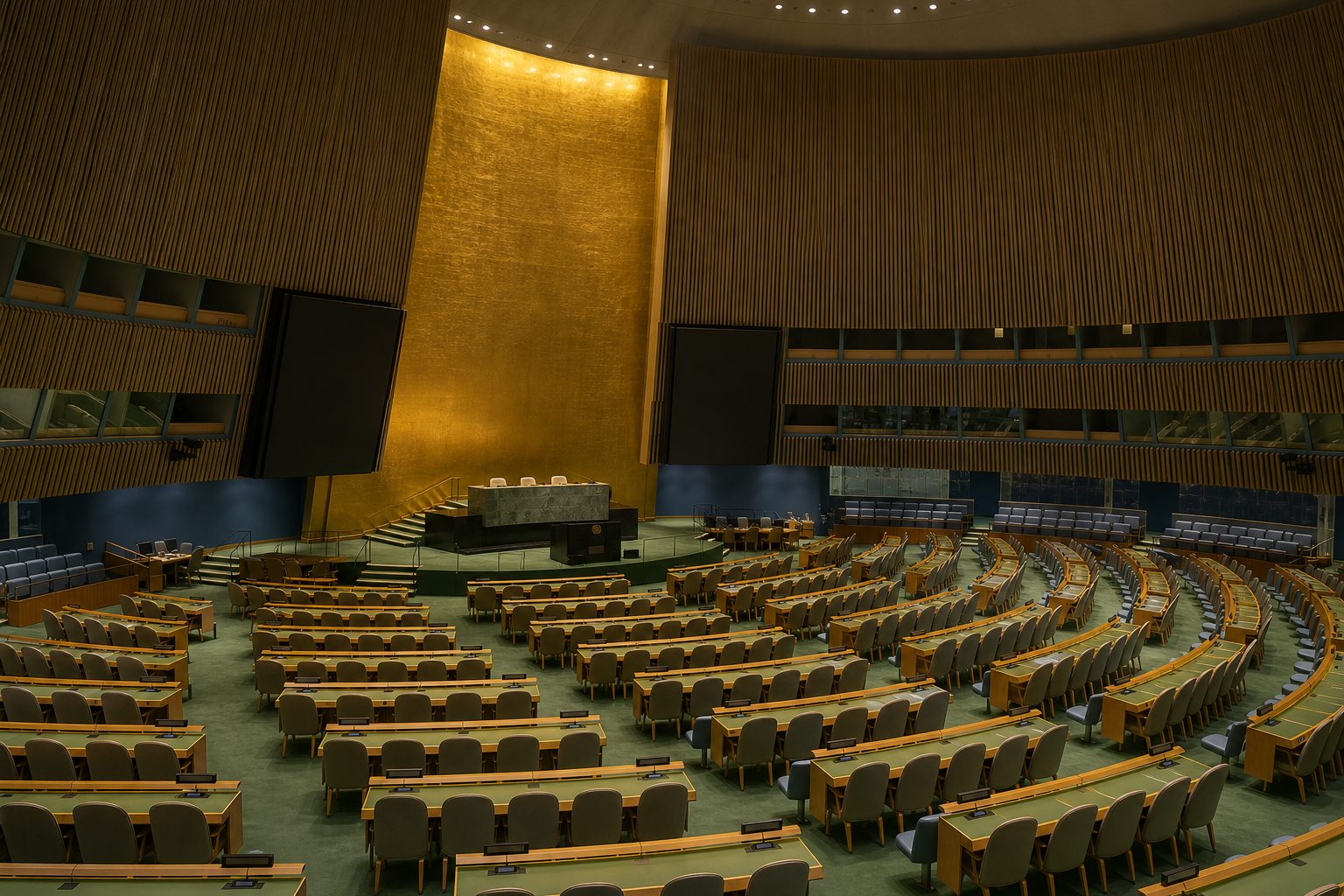
Behind closed doors An empty council chamber; straw polls are held in private. AI-generated still.
7
candidates
9
“encourage” votes for the leader, Rebeca Grynspan
2
red “discourage” votes she also received
Sixth straw poll, 16 Oct 2026
31 Dec 2026
António Guterres’s second term ends
The deadline
Prologue
The first red ballots
According to AP (via ABC News) and PassBlue, the Security Council held its sixth straw poll on 16 October 2026, the first to use red ballots for the five permanent members. Rebeca Grynspan of Costa Rica again led with nine “encourage” votes but also drew two red “discourage” votes; Rafael Grossi and Carolyn Rodrigues Birkett each also had two red “discourage” votes. No candidate had the backing of all five permanent members. Security Council Report notes the process is running late and that António Guterres’s term ends on 31 December 2026.
The 3D halls, seats and votes are a simplified teaching model; seats are not in their real positions.
The UN was the world's second attempt. After the First World War, the peace treaties set up the League of Nations, to settle quarrels before they became wars.
But the United States never joined. The League had no armed forces, and some decisions needed every member to agree. It did not stop Italy's invasion of Ethiopia in 1935, and Japan, Germany and Italy all walked out.
After a second world war, the League voted itself out of existence in April 1946. Its last words came from the British statesman Robert Cecil: the League is dead, long live the United Nations.
Geneva The League’s Palace of Nations in Geneva now houses the UN’s Geneva office. AI-generated still.
The United States never signed the Covenant
No armed forces of its own
Some decisions needed unanimity
Sanctions on Italy were weak and soon lifted
Why the League failed
The League is dead. Long live the United Nations.Viscount Robert Cecil, Geneva, 18 April 1946
Chapter I · After two wars
The League of Nations
The National WWII Museum: the League was created at the Paris Peace Conference and established by the Treaty of Versailles; 44 nations signed its Covenant and membership peaked at 58 in 1935. The United States never signed. The League had no armed forces, and some decisions required unanimous consent. It did not stop Italy’s 1935 invasion of Ethiopia: economic sanctions on Italy took effect in November 1935, excluded oil and were lifted in July 1936 (Nuffield College paper); it also failed to act on Germany’s 1936 remilitarisation of the Rhineland; Japan, Germany and Italy withdrew, and the Soviet Union was expelled in 1939. Viscount Robert Cecil gave its final eulogy on 18 April 1946, and the League dissolved on 19 April 1946, handing its assets to the UN.
On screen, each dot is one League member; the count peaks at 58, as in 1935.
From the twenty-fifth of April to the twenty-sixth of June 1945, representatives of fifty countries met in San Francisco and wrote the Charter of the United Nations, a treaty meant to prevent another world war.
The UN officially began on the twenty-fourth of October 1945, once China, France, the Soviet Union, Britain, the United States and a majority of the others had ratified it. That date is now United Nations Day.
Siam, today's Thailand, joined on the sixteenth of December 1946, as the fifty-fifth member. Today there are one hundred and ninety-three.
The Charter Delegates spent two months drafting and signing the Charter. AI-generated still.
25 Apr 1945 San Francisco Conference opens
26 Jun 1945 Charter signed
24 Oct 1945 The UN comes into being
16 Dec 1946 Siam becomes the 55th member
1947 24 October declared United Nations Day
From conference to member 55
24 Oct
United Nations Day, so named in 1947
A birthday
50
countries at San Francisco
55th
Siam, 1946
193
member states today
Members
Chapter I · After two wars
Fifty countries write a Charter
The UN’s own history: representatives of 50 countries met at the San Francisco Conference from 25 April to 26 June 1945, drafted and signed the Charter, and the UN officially came into existence on 24 October 1945 after ratification by China, France, the Soviet Union, the United Kingdom, the United States and a majority of other signatories. General Assembly resolution 168 (1947) made 24 October United Nations Day. Bangkok Post: Siam joined on 16 December 1946 as the 55th member, with Prince Wan Waithayakon signing; France had objected until Siam returned disputed border provinces. The UN lists 193 member states.
Every member sits in the General Assembly, and each has exactly one vote, whether it has a billion people or ten thousand.
Most questions pass by a simple majority of those voting. Important ones, such as peace and security, admitting new members and the budget, need two-thirds. Try both thresholds on the board.
But the Charter says the Assembly may make recommendations. On most matters, it can urge and condemn, but it cannot order countries to act.
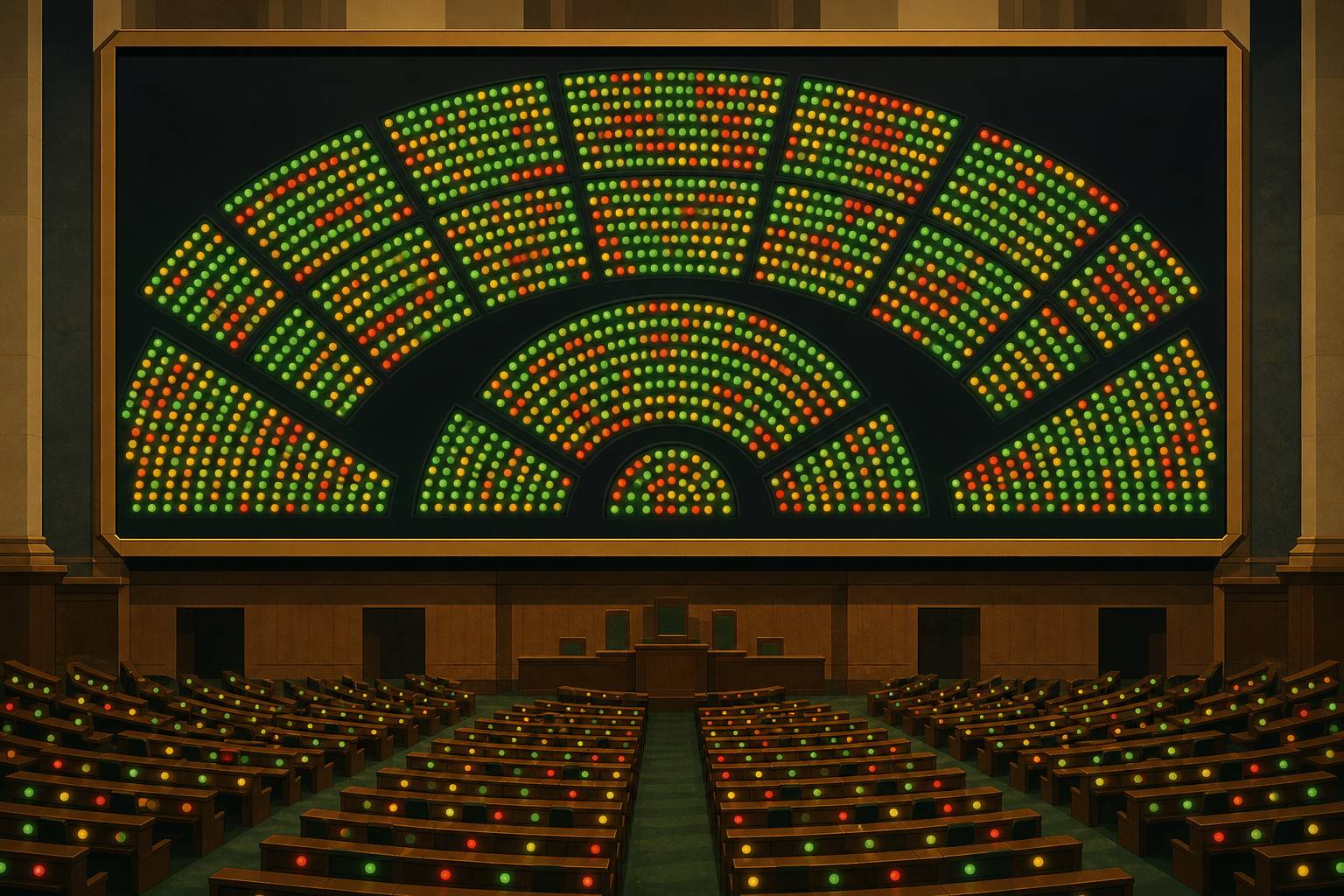
The Assembly hall An assembly hall of curved rows of desks. AI-generated still.
Simple majority
97
Two-thirds
129
Votes needed if all 193 vote Counted among members present and voting; abstentions do not count.
Counting the hall An imagined vote board: one light per delegation. AI-generated still.
The General Assembly … may make recommendations to the Members of the United Nations or to the Security Council or to bothUN Charter, Article 10
Chapter II · One country, one vote
The General Assembly
UN Charter, Article 18: each member of the General Assembly has one vote; decisions on important questions (including recommendations on peace and security, admission of new members and budgetary questions) need a two-thirds majority of the members present and voting, and other questions a simple majority. Article 10: the Assembly may discuss any matter within the Charter and make recommendations to members or to the Security Council; Article 12 bars it from making a recommendation on a dispute the Council is handling unless the Council asks. The UN describes the Assembly as its main deliberative and policymaking body, representing all 193 members.
Try it: switch the board between a simple majority and two-thirds; the vote shown is invented.
The 3D halls, seats and votes are a simplified teaching model; seats are not in their real positions.
The Charter set up six main bodies. Beside the Assembly sits the Security Council, which carries the main responsibility for peace and security.
The Economic and Social Council has fifty-four members and coordinates work on economic, social and environmental issues. The Trusteeship Council supervised eleven territories until all had become self-governing or independent, and it suspended work in 1994.
The International Court of Justice settles legal disputes between states, in The Hague. And the Secretariat, led by the Secretary-General, runs the organisation day to day.
General Assembly · all 193 members
Security Council · 15 members
Economic and Social Council · 54 members
Trusteeship Council · suspended 1994
International Court of Justice · The Hague
Secretariat · led by the Secretary-General
The six principal organs
11
Trust Territories supervised, lands not yet self-governing
1 Nov 1994
Trusteeship Council suspends operation
A job finished
54
members, elected by the Assembly
3 years
overlapping terms
Economic and Social Council
New York
five of the six organs
The Hague
the Court, at the Peace Palace
Where they sit
Chapter II · One country, one vote
Six main bodies
The UN’s “Main bodies” page: the General Assembly (all 193 members), the Security Council (15 members, 5 permanent and 10 non-permanent, with primary responsibility for international peace and security), the Economic and Social Council (54 members elected for overlapping three-year terms), the Trusteeship Council (set up to supervise 11 Trust Territories; suspended operation on 1 November 1994), the International Court of Justice (the principal judicial organ, at the Peace Palace in The Hague, the only principal organ not in New York) and the Secretariat (the Secretary-General and tens of thousands of staff).
The 3D halls, seats and votes are a simplified teaching model; seats are not in their real positions.
The body whose decisions all members must carry out.
Fifteen countries sit on the Security Council. Five are permanent: China, France, Russia, the United Kingdom and the United States, the main powers that won the Second World War.
The other ten are elected by the Assembly for two years at a time, and cannot be re-elected straight away. Watch them rotate.
This is the room with real teeth. Under the Charter, every member agrees to accept and carry out the Council's decisions.
China
France
Russia (the Soviet Union’s seat until 1991)
United Kingdom
United States
The five permanent members
10
non-permanent seats
2 years
per term, no immediate re-election
Elected members
The Members of the United Nations agree to accept and carry out the decisions of the Security CouncilUN Charter, Article 25
Chapter III · Fifteen seats, five vetoes
Who sits on the Council
UN Charter, Article 23: the Council has fifteen members; five are permanent and the General Assembly elects ten non-permanent members for two-year terms, and a retiring member is not eligible for immediate re-election. Article 24: members confer on the Council primary responsibility for the maintenance of international peace and security. Article 25: members agree to accept and carry out its decisions. The Charter’s text names the Republic of China and the USSR; their seats are held today by the People’s Republic of China and the Russian Federation.
The 3D halls, seats and votes are a simplified teaching model; seats are not in their real positions.
To pass, a Council resolution needs nine yes votes out of fifteen.
But on anything beyond procedure, the Charter also requires the concurring votes of the five permanent members. In practice, a no from any one of them, even against fourteen yeses, kills the draft. That is the veto.
By long practice, a permanent member that abstains does not block the vote. Add yes votes, take them away, or cast a veto, and see what happens to the draft.
yes≥9andP5 no=0
P5
the five permanent members
The rule For procedural matters, nine votes alone are enough.
an affirmative vote of nine members including the concurring votes of the permanent membersUN Charter, Article 27(3)
14
yes votes
1
permanent member says no
fails
the draft is not adopted
One against fourteen
Yes · counts toward the nine
Abstain · does not block, by practice
No · the draft fails: a veto
Three ways a permanent member can vote
Chapter III · Fifteen seats, five vetoes
How the Council votes
UN Charter, Article 27: procedural decisions need an affirmative vote of nine members; decisions on all other matters need nine votes “including the concurring votes of the permanent members”. The UN library’s guide to Council voting explains that a draft fails when a permanent member casts a negative vote, and that such failures are announced as owing to “the negative vote of a permanent member”. Security Council Procedure notes that voluntary abstentions by permanent members have long not been treated as vetoes; in its 1971 Namibia advisory opinion the International Court of Justice said this practice had been generally accepted by UN members.
Try it: add or remove yes votes and cast a veto; the vote is invented.
The veto was the price of getting the great powers to join at all; the League had shown what happens when they stay out.
Every permanent member has used it. In the first decade, the Soviet Union cast every veto. Later the United States became a frequent user, many times on drafts about the Middle East.
Britain and France have not cast a veto since December 1989.
Supporters call the veto a safety catch that keeps the great powers in; critics call it a privilege that lets five countries block the rest.
USSR / Russia
120
United States
82
United Kingdom
29
France
16
China (incl. 3 by the ROC)
16
Vetoes cast since 1946 (Security Council Report) Counts per member as listed by Security Council Report; one veto can be cast by several members together.
23 Dec 1989
cast together with the US, on Panama
The last British and French veto
For: keeps great powers inside the system
Against: five countries can block 188 others
Two views of the veto
Chapter III · Fifteen seats, five vetoes
The veto in practice
Security Council Report lists vetoes by member: USSR/Russia 120, United States 82, United Kingdom 29, France 16 and China 16 (13 by the People’s Republic after 1971, 3 by the Republic of China); the UK and France last vetoed on 23 December 1989, together with the US, on the US intervention in Panama. Statista’s 2017 count of UN records notes that the USSR cast every veto up to December 1955 and that most US vetoes in the Cold War concerned the Middle East. The UN library keeps the official list of vetoes since 1946. The two views summarised on screen are common positions in the debate on Council reform, not the film’s conclusion.
The UN has no army of its own. When the Council agrees, countries lend troops, police and observers, who wear the light blue helmets that gave them their nickname.
The first mission, in May 1948, sent observers to watch the truce between Israel and its Arab neighbours. It is still running.
By 2023 there had been seventy-one operations, and around two million people from a hundred and twenty-four countries had served. In 1988 the peacekeepers received the Nobel Peace Prize.
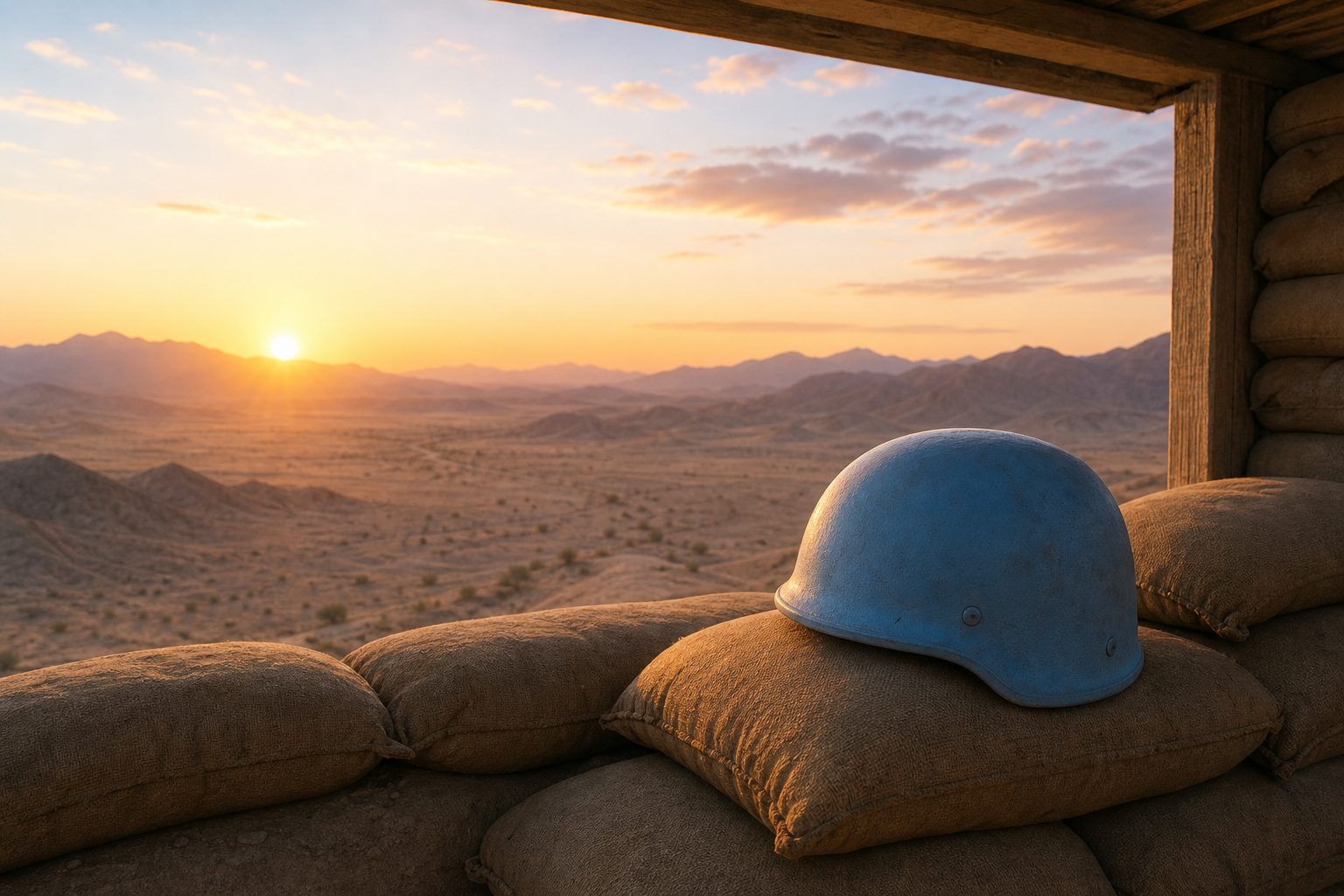
Blue helmet Peacekeepers are national troops on loan, under UN command for the mission. AI-generated still.Watching a truce Observers watch and report; they are not there to win a war. AI-generated still.
71
operations since 1948
~2 million
people have served
1988
Nobel Peace Prize
Peacekeeping (UNRIC, 2023)
Troops lent by member states
Police officers
Military observers
Who serves
Chapter IV · Blue helmets
Peacekeeping
UNRIC (the UN Regional Information Centre), writing for peacekeeping’s 75th anniversary in 2023: the first mission, UNTSO, was authorised in May 1948 to monitor the armistice between Israel and its Arab neighbours and still operates; there have been 71 operations; about 2 million women and men from 124 countries have served; UN peacekeeping forces received the Nobel Peace Prize in 1988. At that time there were 11 current operations. Peacekeepers are contributed by member states.
On screen, the dots that light up stand for the 71 operations; their positions are not real places.
Half chief administrator, half voice of the world.
The Secretary-General leads the Secretariat, with tens of thousands of staff around the world, and is appointed for a five-year term that can be renewed.
The job has no army and few powers written down. But Article ninety-nine lets the Secretary-General bring any matter that threatens peace to the Security Council's attention.
The Secretary-General and staff must not take instructions from any government. In practice, that independence depends on the trust of the very governments that chose them.
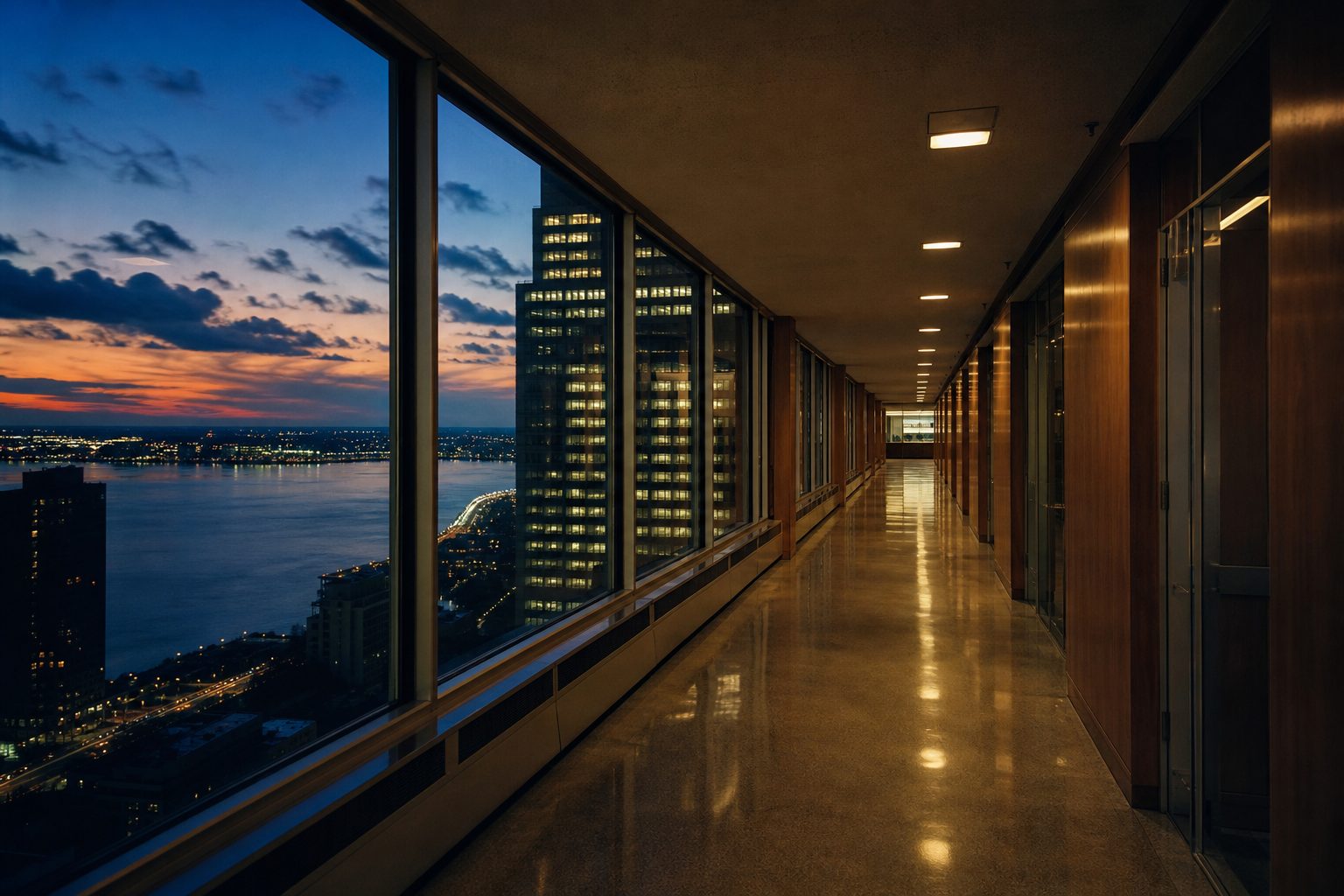
The Secretariat An office tower corridor at dusk. AI-generated still.
The Secretary-General may bring to the attention of the Security Council any matter which in his opinion may threaten the maintenance of international peace and security.UN Charter, Article 99
Staff serve the UN, not their home country
No instructions from any government
Members promise not to try to influence them
Article 100
Chapter V · The world’s top diplomat
What the Secretary-General is
UN Charter, Chapter XV: Article 97 creates a Secretariat of a Secretary-General and staff; the Secretary-General is appointed by the General Assembly upon the recommendation of the Security Council and is the chief administrative officer. Article 99: the Secretary-General may bring to the Council’s attention any matter that may threaten international peace and security. Article 100: the Secretary-General and staff shall not seek or receive instructions from any government, and members undertake to respect their international character. The UN describes a five-year, renewable term and tens of thousands of staff.
There have been nine Secretaries-General, from Trygve Lie of Norway in 1946 to António Guterres of Portugal since 2017. One was from Southeast Asia: U Thant of Burma, today's Myanmar, from 1961 to 1971.
All nine have been men. By an unwritten custom, the job rotates between the world's regions, and many governments say it is now Latin America and the Caribbean's turn.
There is also open pressure, from candidates and governments alike, to choose the first woman.
1946–52 Trygve Lie · Norway
1953–61 Dag Hammarskjöld · Sweden
1961–71 U Thant · Burma
1972–81 Kurt Waldheim · Austria
1982–91 Javier Pérez de Cuéllar · Peru
1992–2016 Boutros-Ghali · Annan · Ban Ki-moon
2017–2026 António Guterres · Portugal
Secretaries-General
U Thant
Burma (Myanmar), Secretary-General 1961–1971
From Southeast AsiaNine frames Nine office-holders so far, all of them men. AI-generated still.
4 of 6
remaining candidates are women
5 of 6
are from Latin America and the Caribbean
The 2026 field
Chapter V · The world’s top diplomat
Nine office-holders
The UN library lists nine Secretaries-General: Trygve Lie (Norway, 1946–1952), Dag Hammarskjöld (Sweden, 1953–1961), U Thant (Burma, 1961–1971), Kurt Waldheim (Austria, 1972–1981), Javier Pérez de Cuéllar (Peru, 1982–1991), Boutros Boutros-Ghali (Egypt, 1992–1996), Kofi Annan (Ghana, 1997–2006), Ban Ki-moon (Republic of Korea, 2007–2016) and António Guterres (Portugal, 2017–). Wikipedia’s summary of the 2026 selection notes the customary regional rotation favouring a candidate from Latin America and the Caribbean, and calls for a woman; of the six candidates left after Macky Sall withdrew (The New Times, 17 October 2026), four are women and five are from that region. AP reports both pressures too.
The 2026 race formally opened on the twenty-fifth of November 2025, when the presidents of the Assembly and the Council invited nominations. Candidates then answered questions from member states in public, live-streamed sessions.
Then come the straw polls. Each of the fifteen marks every candidate: encourage, discourage, or no opinion. Results are not published, but usually leak soon after.
When the five permanent members switch to red ballots, a red discourage warns of a possible veto. Switch the ballots and see what a candidate's nine votes are really worth.
25 Nov 2025 Call for nominations
Apr & Jun 2026 Public dialogues with candidates
30 Jul 2026 First straw poll
16 Oct 2026 First red ballots (sixth poll)
By 31 Dec 2026 Council recommends, Assembly appoints
The 2026 process
Encourage
Discourage
No opinion expressed
One ballot per candidate
secret
no official results
leaked
tallies usually come out soon after
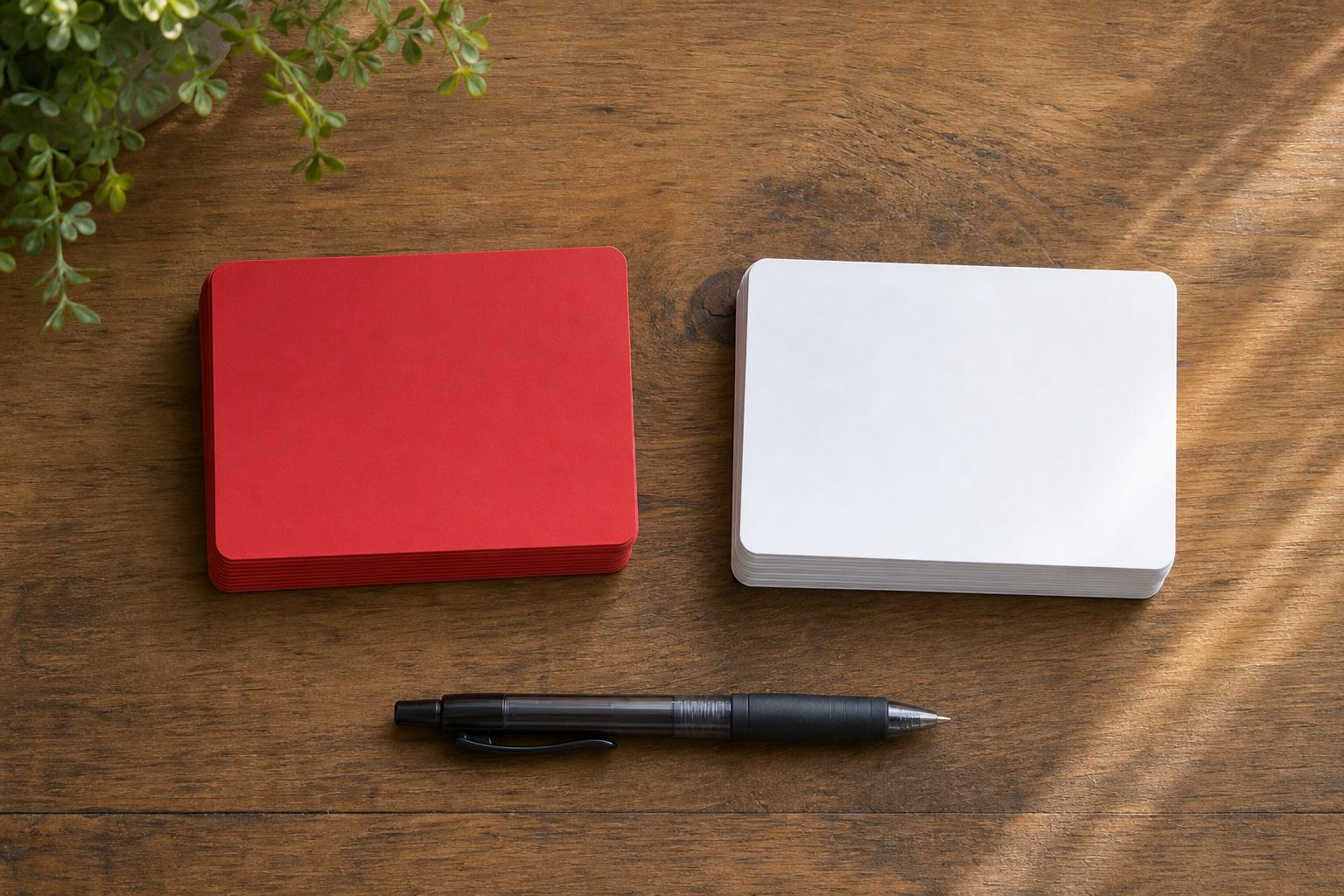
After each pollRed and white Red for the five permanent members, white for the ten elected ones. AI-generated still.
Chapter V · The world’s top diplomat
How the choice is made
Wikipedia’s summary of the 2026 selection: the process began on 25 November 2025 with a joint letter from the presidents of the General Assembly and the Security Council inviting nominations; interactive dialogues were held in April and June 2026; straw polls were held on 30 July, 21 August and 18 September, and Security Council Report records further polls on 29 September and 7 October before the sixth on 16 October. Security Council Report: in each straw poll members mark “encouraged”, “discouraged” or “no opinion expressed”; colour-coded ballots, red for the permanent members and white for the elected members, show where a red “discouraged” signals a likely veto, though it can be reversed later; results are not released officially but typically leak. The Council then adopts a recommendation in a private meeting and, under Article 97, the General Assembly appoints.
Try it: the same nine “encourage” votes look different once the permanent members’ ballots are red. Ballots on screen are invented, not the real secret votes.
Seven candidates stood in the sixth poll, five of them from Latin America and the Caribbean, and four of them women. Soon after, Macky Sall of Senegal withdrew, leaving six.
In the sixth poll, Grynspan was the only one with nine encourage votes, but two permanent members discouraged her. If no one can satisfy all five, new candidates may still enter.
Only once the Council recommends a name can the Assembly appoint. If they cannot agree by the thirty-first of December, the options discussed have little precedent.
Grynspan
9 of 15
Rodrigues Birkett
8 of 15
Grossi
5 of 15
Otunnu
5 of 15
Sall (withdrew)
5 of 15
Espinosa
3 of 15
A-Baki
0 of 15
“Encourage” votes, 18 Sep 2026 (third poll) Leaked results, as compiled on Wikipedia; nine is the number a recommendation needs.
9
encourage for Grynspan
2
red discourage for her
14
discourage for A-Baki
Sixth poll, 16 Oct (PassBlue)
An interim appointment
Extending the current term
The Assembly acting alone, which has little precedent
If the Council deadlocks (as discussed)
Chapter V · The world’s top diplomat
The 2026 race
Security Council Report lists seven candidates going into the sixth poll: Ivonne A-Baki (Ecuador), María Fernanda Espinosa (Ecuador), Rafael Grossi (Argentina), Rebeca Grynspan (Costa Rica), Olara Otunnu (Uganda), Carolyn Rodrigues Birkett (Guyana) and Macky Sall (Senegal). Third-poll figures (18 September) are from Wikipedia’s compilation of leaked results. The New Times reported on 17 October that Macky Sall had withdrawn. PassBlue (16 October): Grynspan had 9 encourage votes, 3 of them from permanent members and 2 permanent-member discourages; A-Baki had 1 encourage and 14 discourage. AP: no candidate had all five permanent members’ support, and candidates can still be added. Security Council Report: options discussed if the Council deadlocks include an interim appointment, extending the incumbent’s term or General Assembly action, each with limited precedent.
The UN was designed by the winners of a war, for a world that has since grown to nearly four times as many members. One room gives every country an equal voice; another gives five countries the last word.
That imbalance is the price of keeping the powerful inside, the lesson the League learned too late. Whether the price is still worth paying is argued over every year.
This year, the same fifteen chairs will decide who speaks for all one hundred and ninety-three.
1920 League of Nations begins
1945 UN Charter; the UN begins
1946 League dissolves; Siam joins
1948 First peacekeeping mission
2026 First red ballots in the SG race
From League to 2026
50
countries wrote the Charter
193
members today
5
permanent seats, the same number since 1945
Then and now
15
Council members recommend
193
Assembly members appoint
Who decides
Epilogue · Sources
Sources
Every fact in this film comes from the sources below. The chapter stills and pictures are AI-generated illustrations, not photographs; no real person is depicted. The 3D halls, seats and ballots are simplified teaching models. Straw-poll results are not officially published; the figures are leaked results as reported by PassBlue, AP and Security Council Report, and the race may have moved on since 16 October 2026.