History · 1918
The eleventh hour
How the First World War ended.
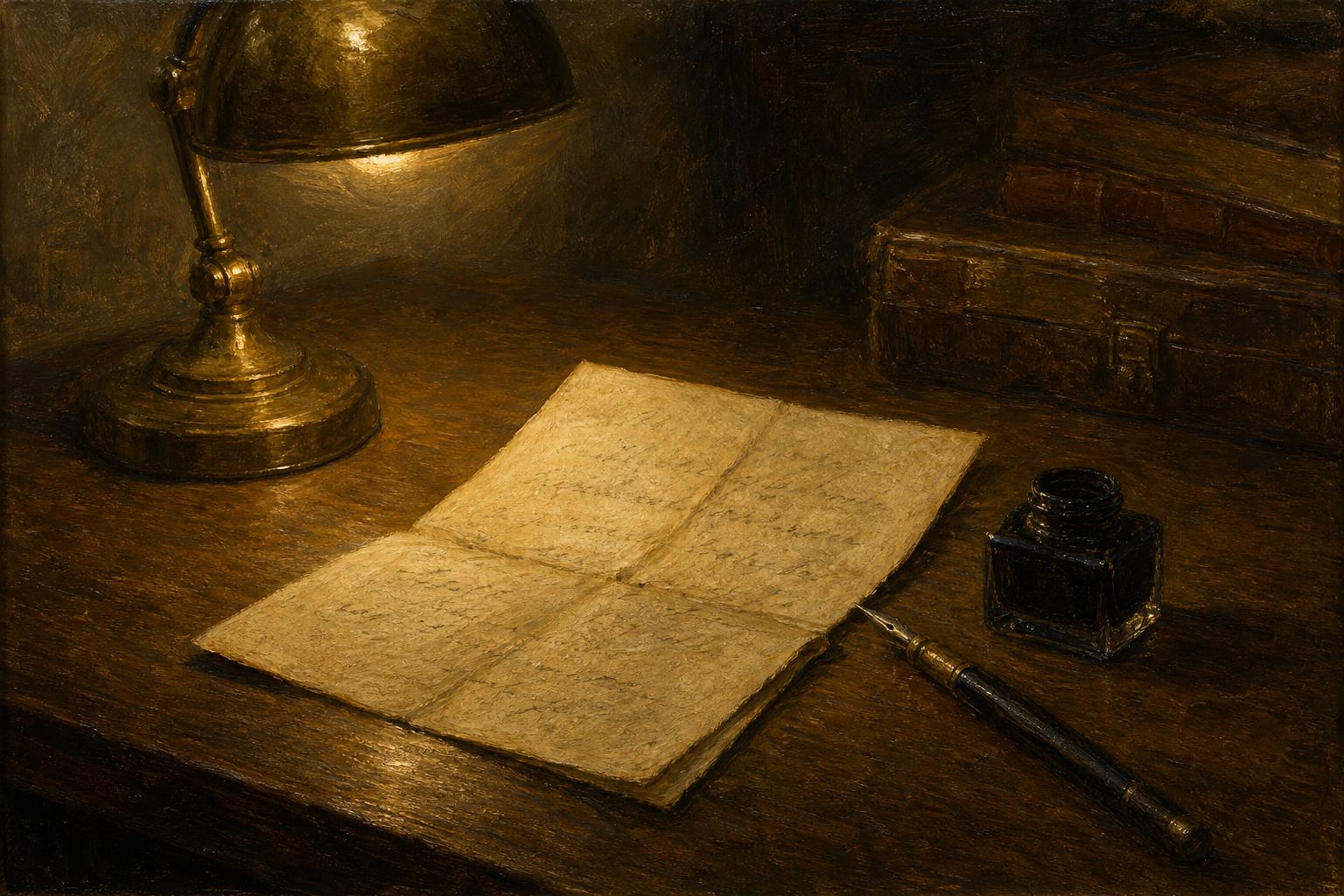
The First World War was ended on paper at about five in the morning on 11 November 1918, with an armistice: an agreement to stop fighting.
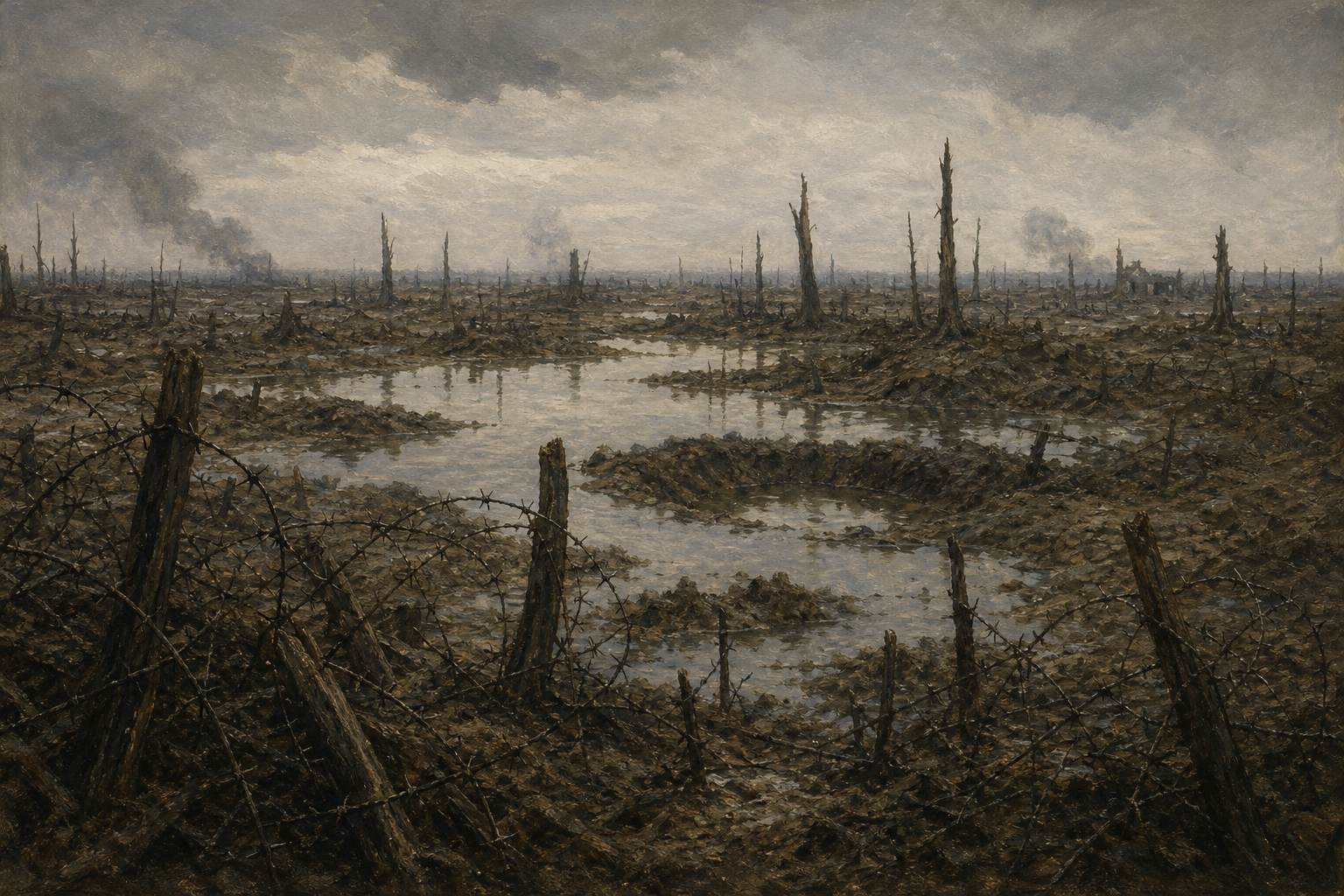
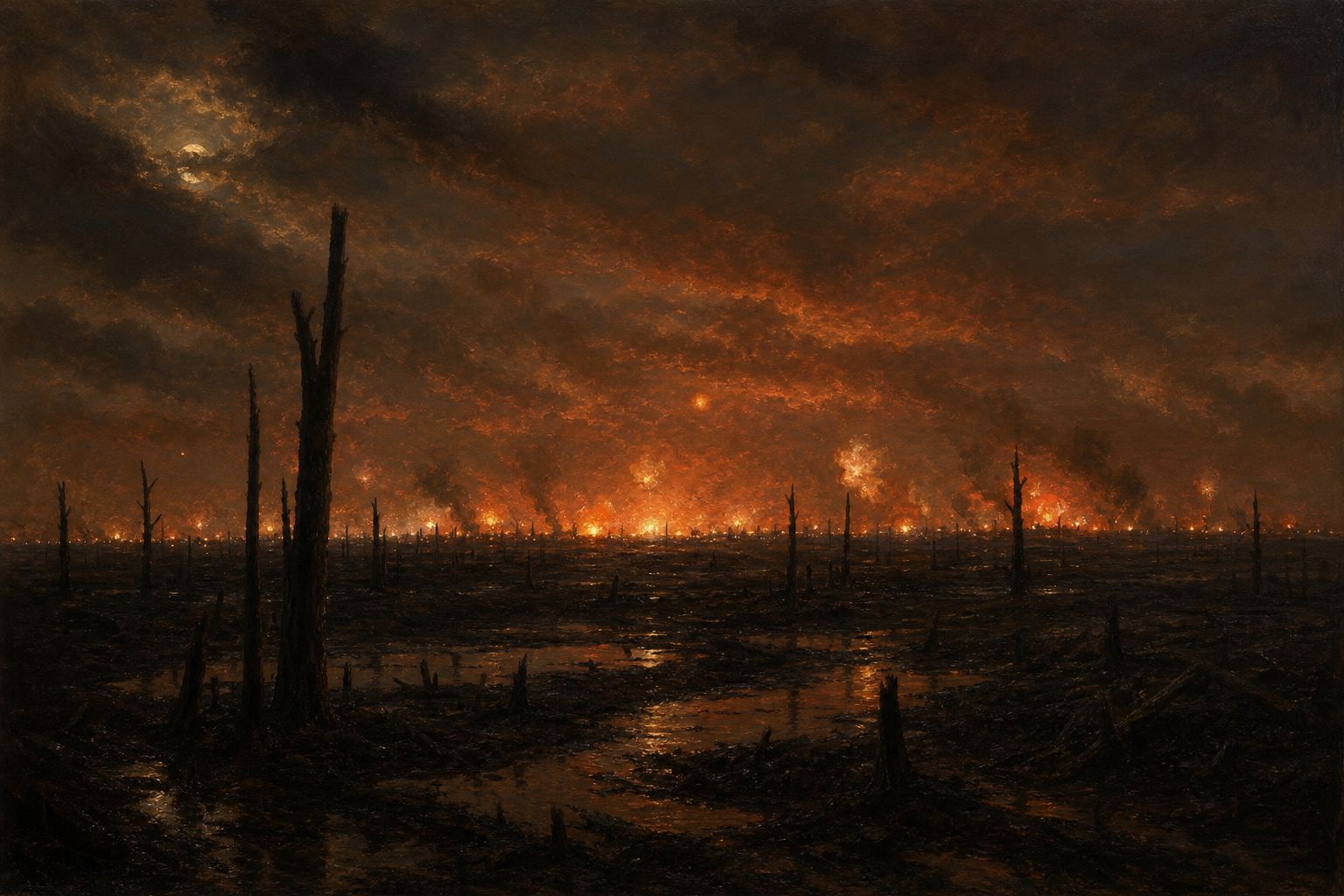
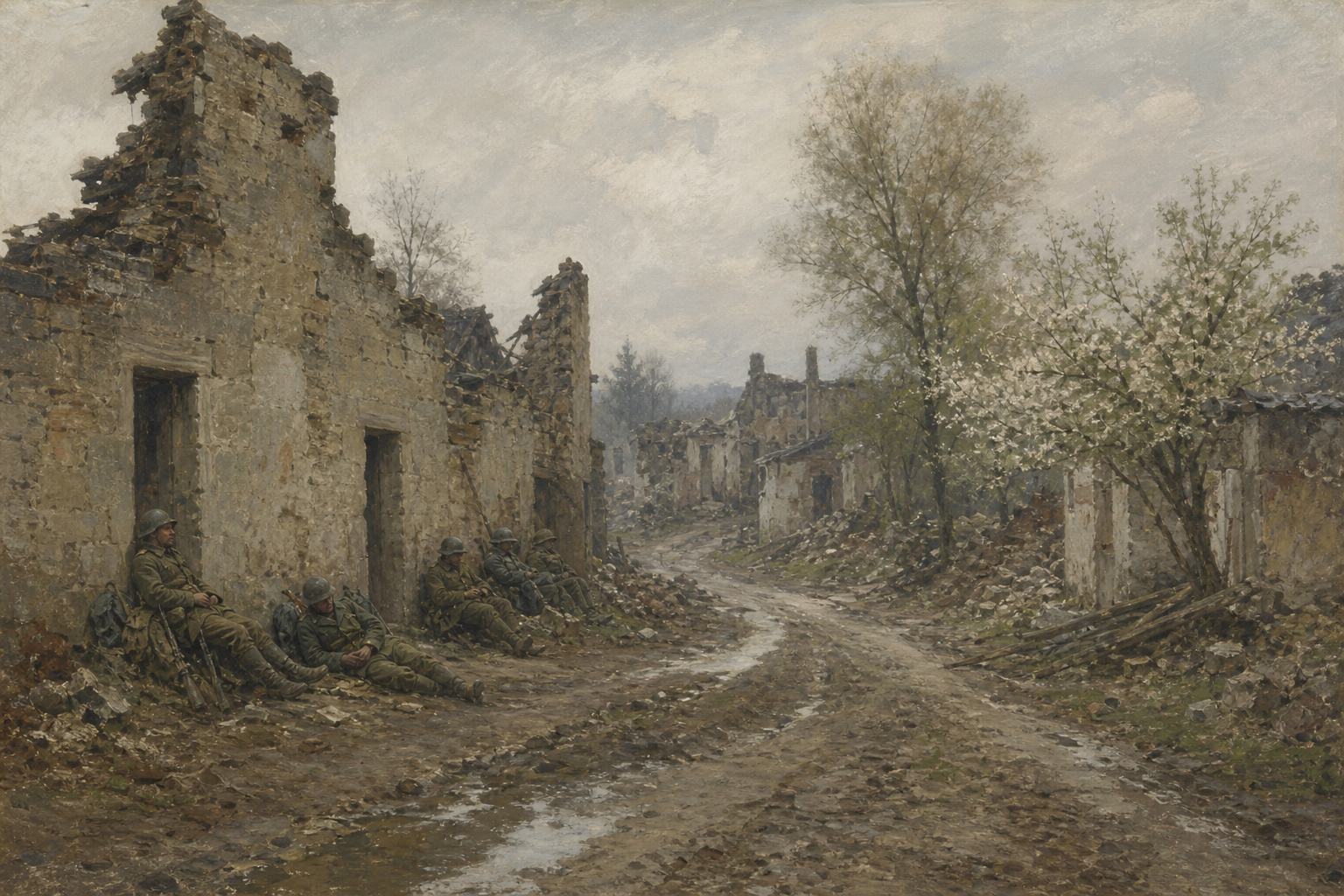
But the guns did not stop until eleven. In the six hours between, soldiers kept fighting, and some were killed in the last minutes of the war.
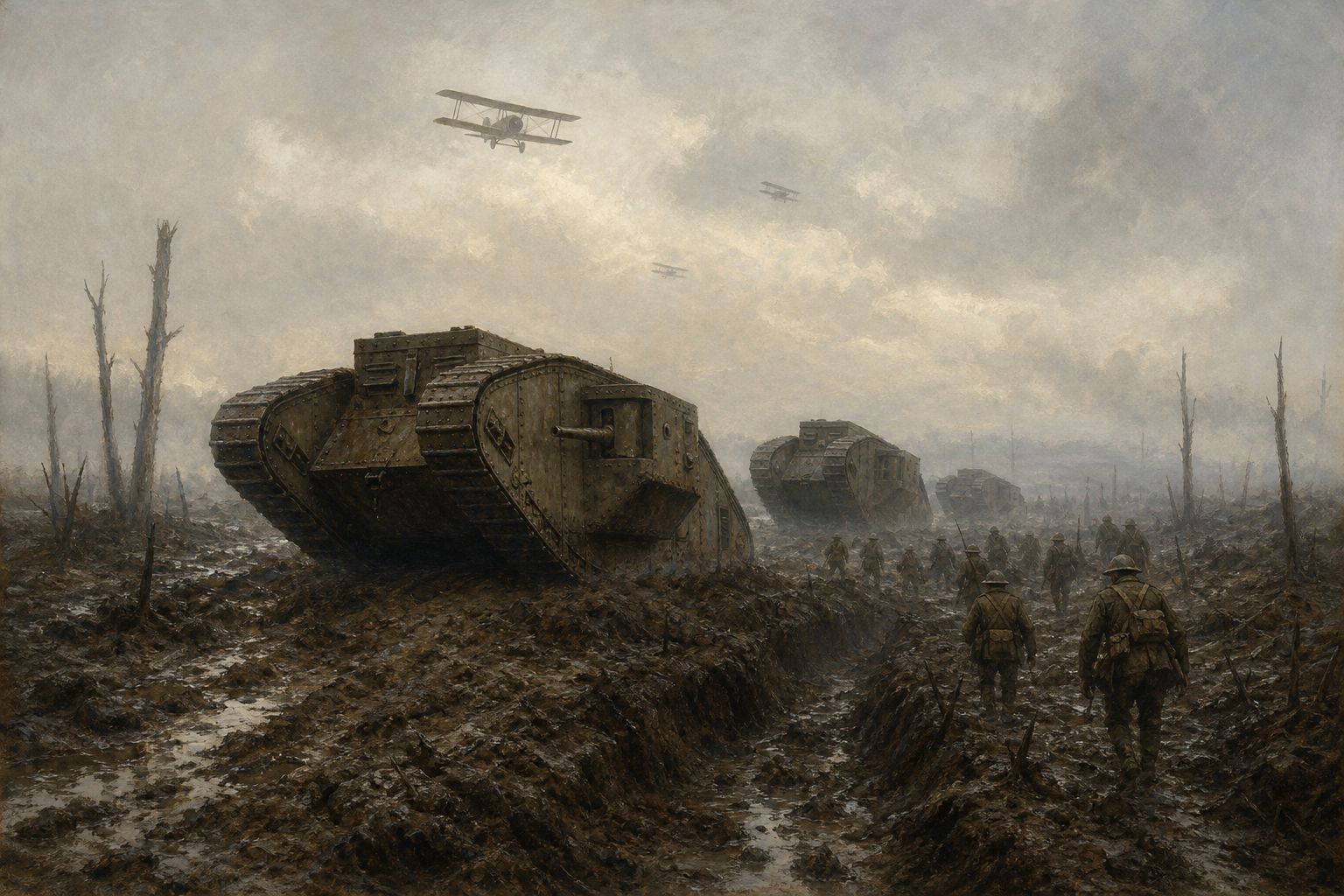
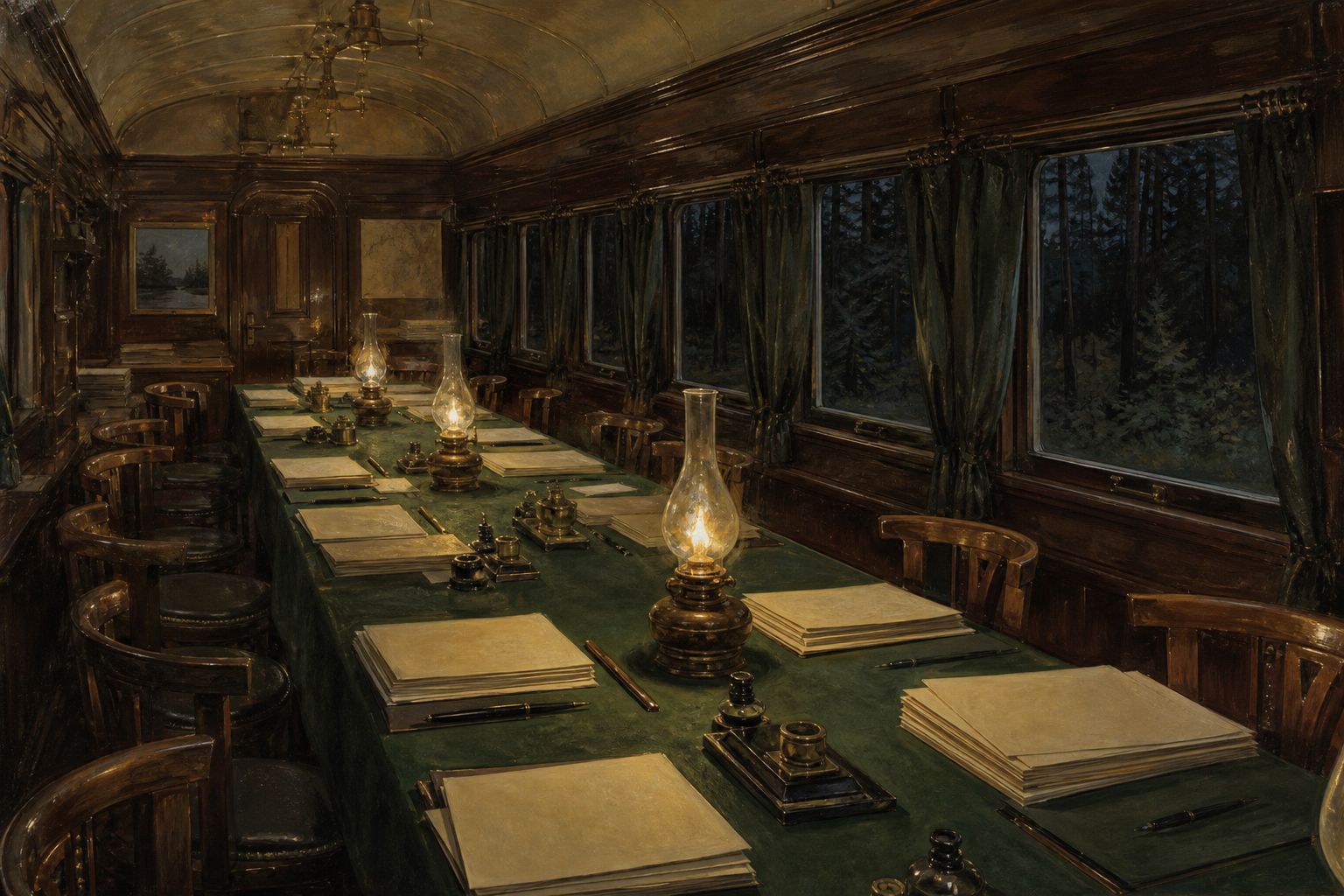
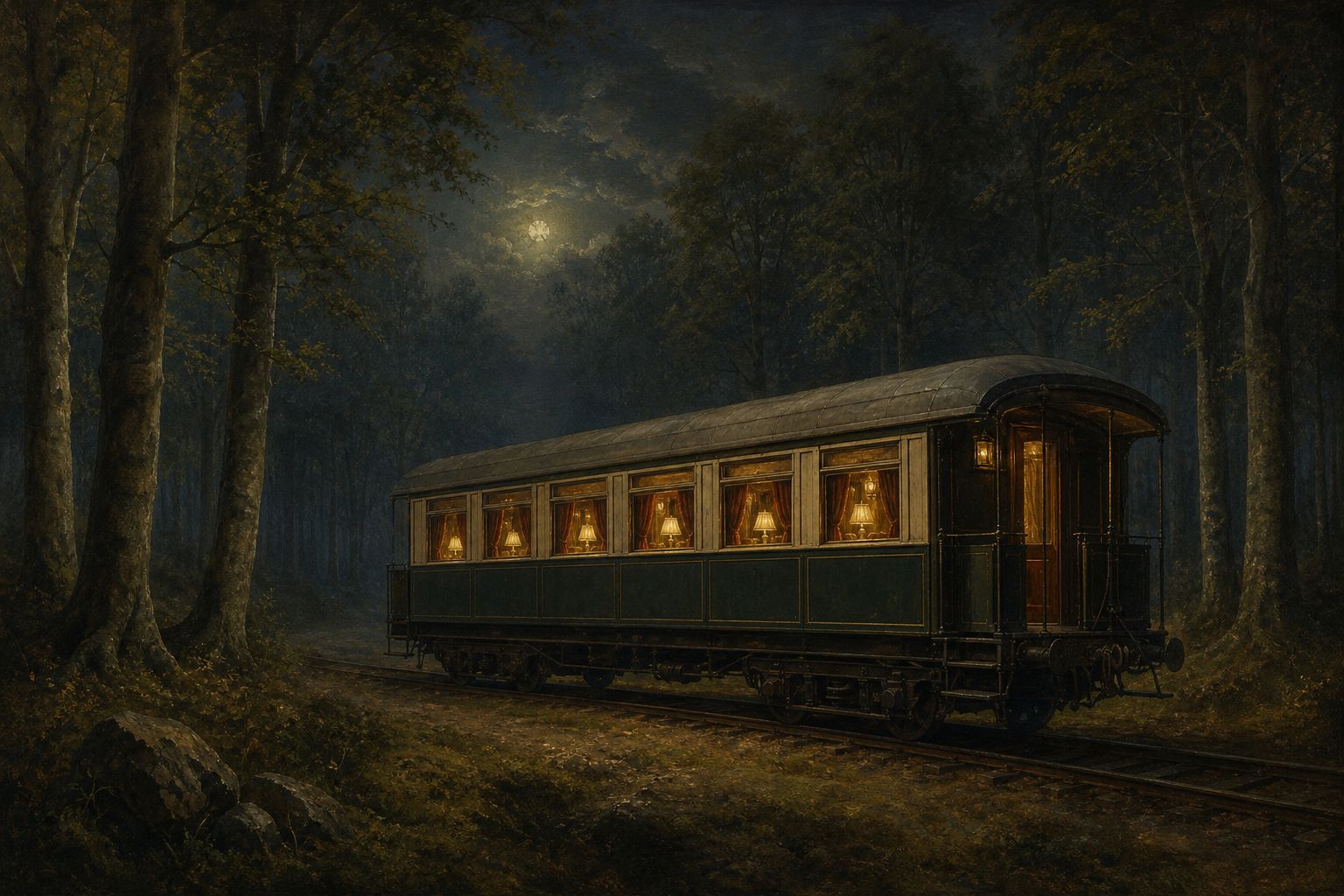
How did four years of deadlock end so suddenly, in a railway carriage in a French forest?
- ≈ 5:00
- armistice signed in the Forest of Compiègne
- 11:00
- fighting stops by land and air
Armistice Day
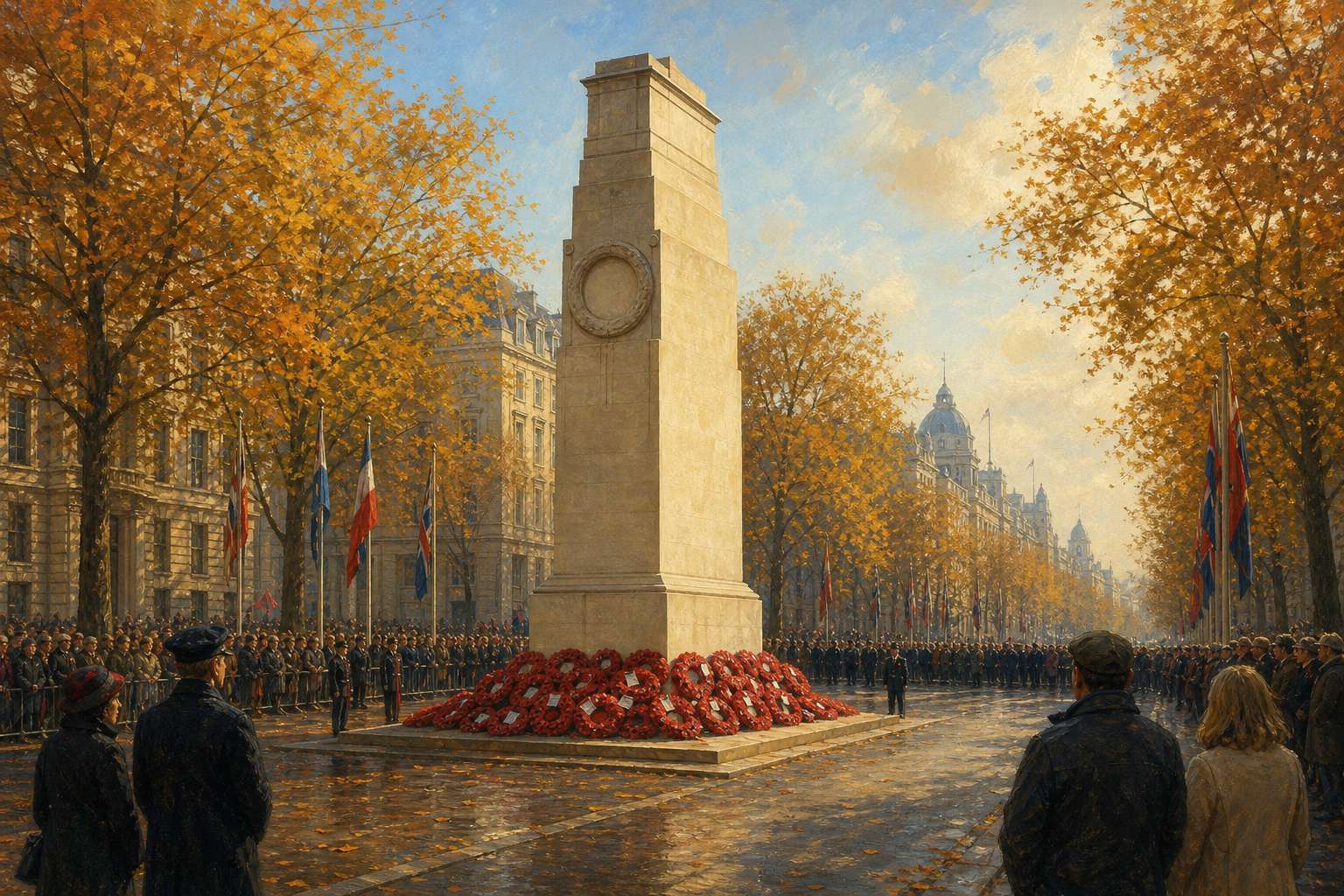
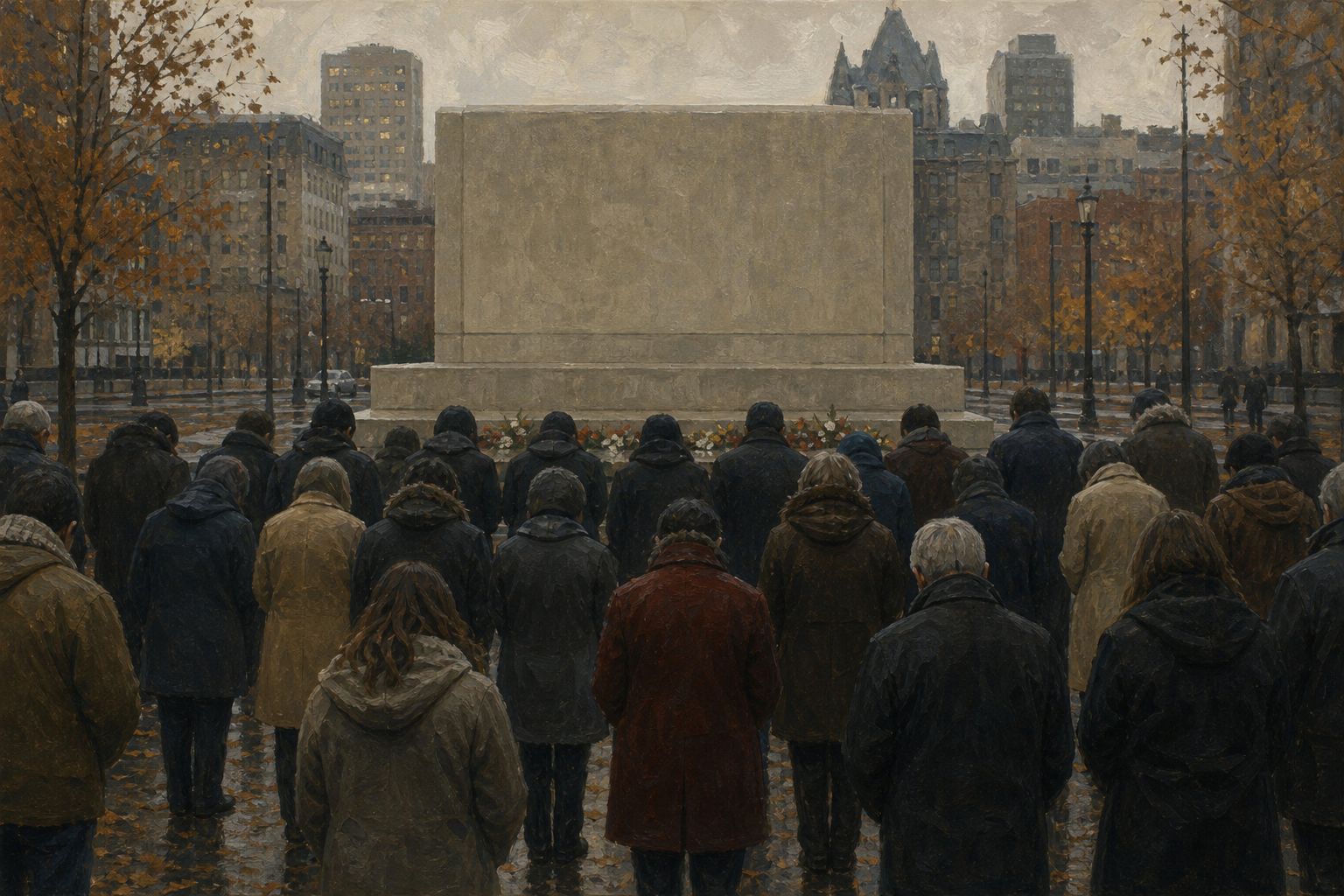
The Royal British Legion: Armistice Day, 11 November, has been observed every year since 1919 with a two-minute silence at 11 a.m., the hour the First World War ended in 1918; the silence is kept at war memorials and in public places across the UK and the Commonwealth, the countries that were once part of the British Empire. 11 November 2026 is the 108th anniversary. The armistice text says it was signed “at 5 o’clock a.m. (French time)” and that fighting by land and in the air would stop six hours after signing; The National Archives (UK) gives “about 05:00”, and some accounts give a later minute, such as 5:12 (Legion Magazine).
The 3D map, carriage, clock and columns are simplified teaching models. Front lines are approximate and not to scale.
Sources: Royal British Legion: The two-minute silence (observed every year since 1919, at 11 am on 11 November); US Department of State, Office of the Historian, FRUS 1919, Paris Peace Conference vol. II: Terms of the Armistice with Germany, signed 11 November 1918; The National Archives (UK) blog: Milestones to peace: the Armistice of Compiègne; Legion Magazine (Canada): Armistice centenary, the last to fall