PlanetPast
EN

Society · Money

How Money Laundering Works

Dirty In, Clean Out

On 6 November 2026 the US Treasury's financial-crimes unit, FinCEN, ordered US financial institutions to stop sending money to or receiving it from the crypto exchange MEXC, alleging about $16.7 billion in illicit flows; MEXC said it was reviewing the order. This film explains the established basics behind that news: what money laundering is, the three stages of placement, layering and integration, the main methods from structuring and front businesses to false trade invoices, shell companies, property and crypto mixers, the history of the rules from the US Bank Secrecy Act of 1970 to the FATF's forty Recommendations and the travel rule, how banks watch for suspicious patterns, how countries are put on watch lists, Thailand's own experience, and how a single institution can be cut off from the US financial system.

Interactive 3D film10 min1920s to 2026Published 9 November 2026

Watch the interactive filmRead in ไทย

Prologue

Society · Money

Dirty in, clean out

How money laundering works, and how the world tries to stop it.

Sixteen point seven billion dollars, linked to crime and to dodging sanctions, flowed through one crypto exchange in five years.

That is what FinCEN, the US Treasury's financial crimes unit, alleges. Sanctions are bans on doing business with certain countries, firms or people.

On 6 November 2026 it ordered American financial firms to stop moving money to or from the exchange, MEXC, which is registered in the Seychelles.

MEXC said it was reviewing the order. This is a decision by a regulator, a government watchdog, not a court verdict.

To see why a government would cut a business off, we need to understand money laundering.

$16.7 bn
tied to illicit finance (the order); Treasury’s release says “at least $16 billion”
~$1.5 bn
Russia-linked sanctions evasion
~$1.87 bn
exposure to Iran
FinCEN’s allegations, May 2021 – May 2026
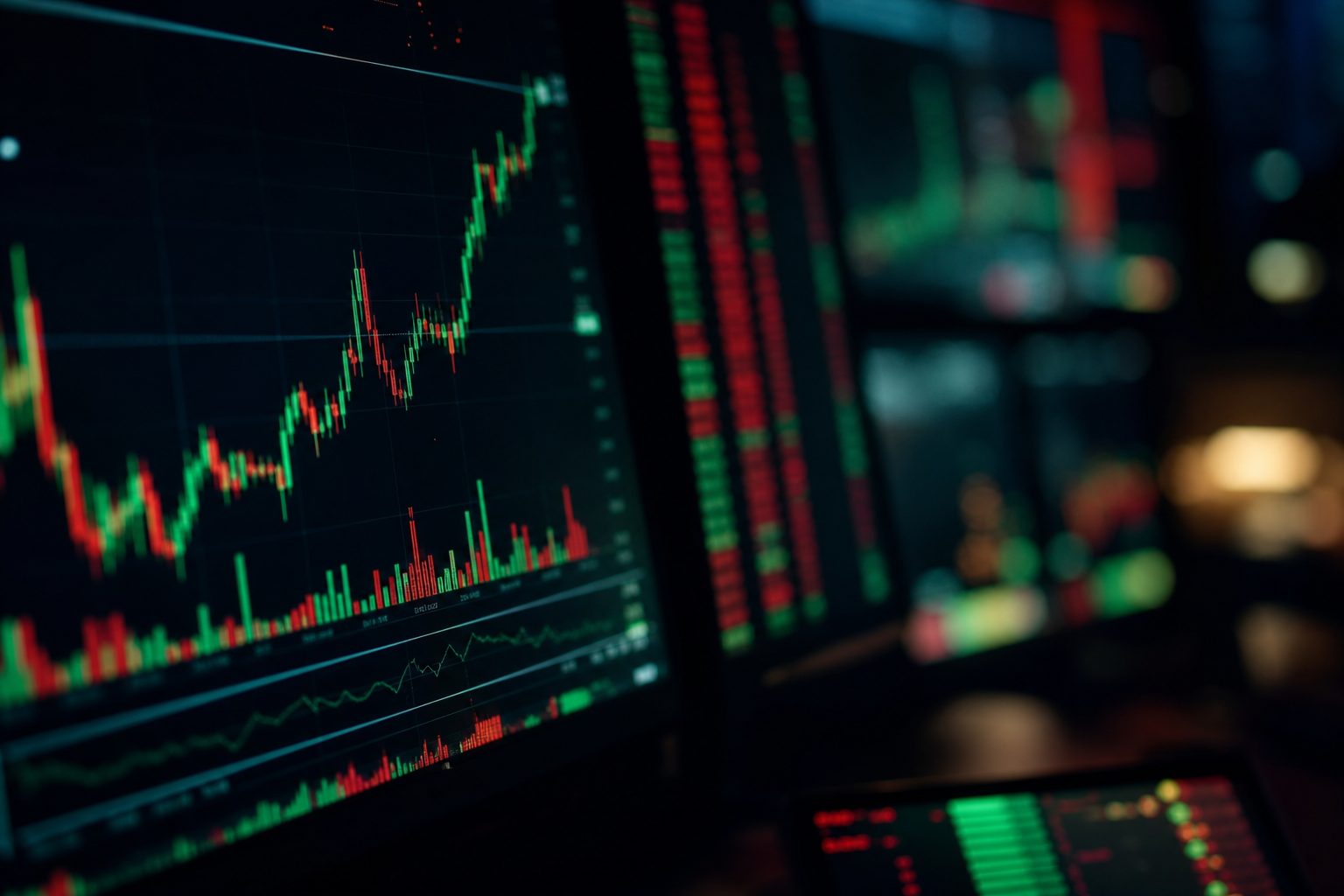
An exchange’s screens Glowing price charts and order books on trading monitors. AI-generated still.
  • Reviewing the order with its legal and compliance teams
  • An independent review of its anti-laundering and sanctions controls
  • “Operating normally”; user assets “remain secure”
MEXC’s response, as reported
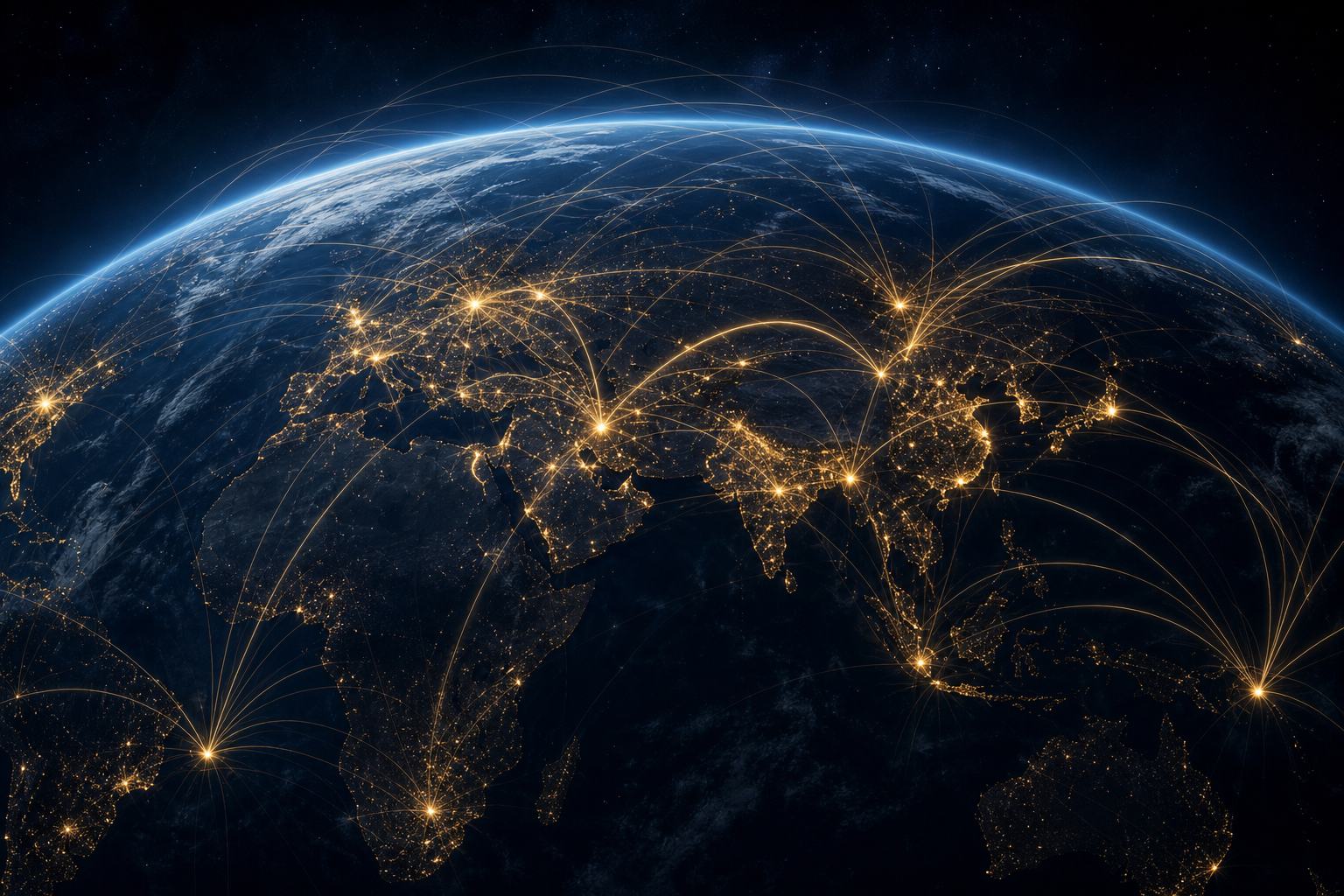
Transfers across borders Arcs of light link points around a dark globe. AI-generated still.
Prologue

The MEXC order

On 6 November 2026 the US Treasury announced that FinCEN had found MEXC Global, a Seychelles-incorporated crypto exchange, to be a foreign financial institution of “primary money laundering concern in connection with Russian illicit finance”, under section 9714 of the Combating Russian Money Laundering Act. The order bars covered US financial institutions from any transmittal of funds to or from MEXC Global, and takes effect 30 days after publication in the Federal Register. FinCEN alleges that from May 2021 to May 2026 the exchange facilitated about $16.7 billion connected to Russian illicit finance and other illicit activity, including nearly $1.5 billion of Russia-linked sanctions evasion and about $1.87 billion of exposure to Iran; the Treasury’s press release puts the total at “at least $16 billion”. Sanctions are legal bans on dealing with named countries, companies or people. MEXC said it was reviewing the order, had launched an independent review of its anti-money laundering and sanctions controls, and was operating normally.

The figures about MEXC are FinCEN’s allegations in an administrative order; they have not been tested in court.

The 3D scenes are simplified teaching diagrams, not real transactions, accounts or countries.

Sources: FinCEN: Imposition of Special Measure Prohibiting the Transmittal of Funds Involving MEXC Global (Section 9714 order, November 2026); US Treasury press release sb0685 (6 Nov 2026): Operation Economic Outcast severs MEXC Global’s access to the U.S. financial system; CoinDesk (7 Nov 2026): U.S. Treasury moves to cut off crypto exchange MEXC over $16 billion in alleged illicit flows; crypto.news (8 Nov 2026): MEXC hit by FinCEN order; Treasury also designates Canadian money services businesses


Money laundering is making money from crime look as if it came from honest work.

Criminals share one problem: their money is a trail back to the crime. Spend it openly, and it can give them away.

Nobody knows exactly. In 1998 the International Monetary Fund estimated two to five percent of world GDP, the value of everything produced in a year.

In 2011 the UN's drugs and crime office said that range was still plausible.

Proceeds of crime Bundles of cash spill from a canvas bag under a single lamp. AI-generated still.
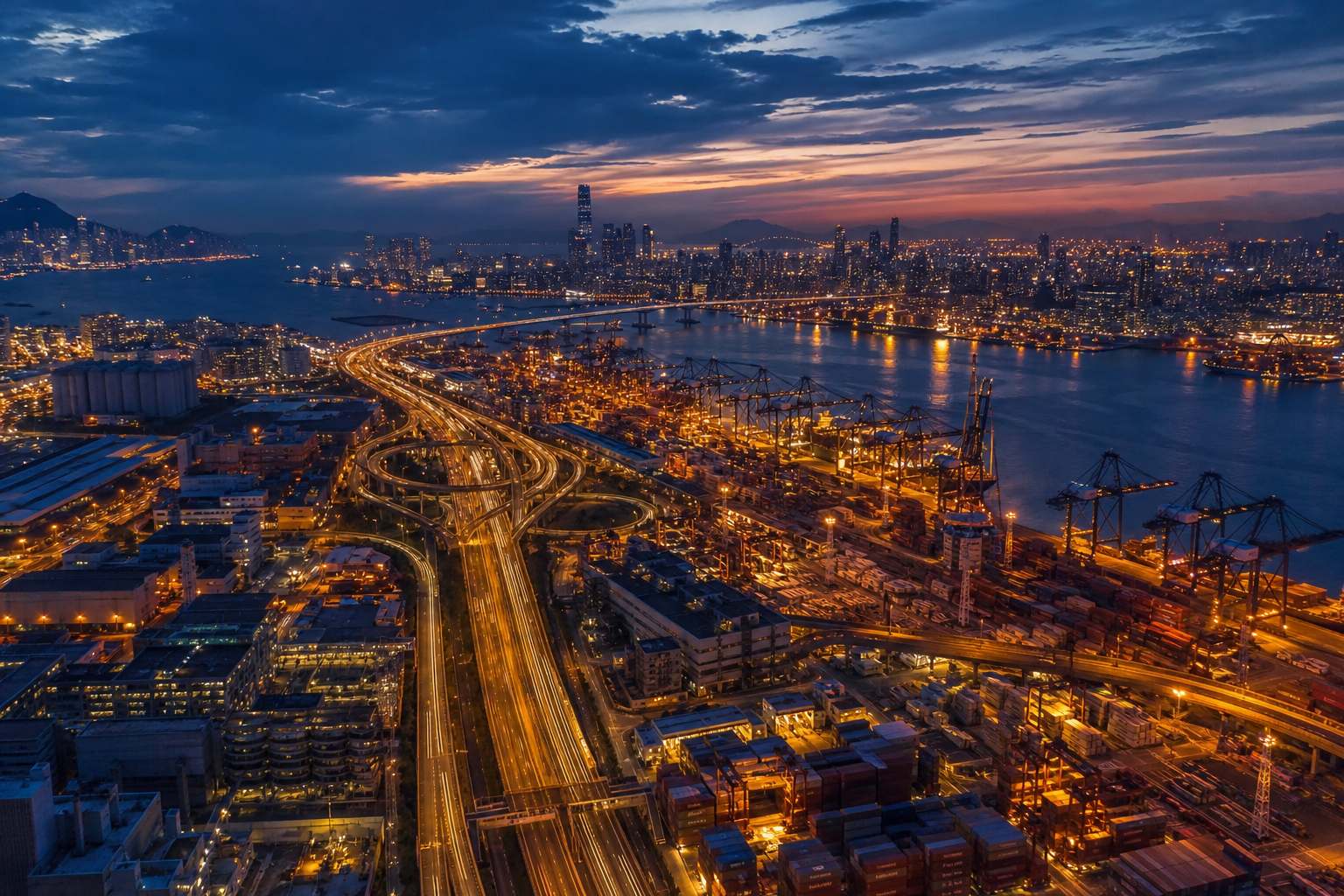
A whole economy A city, its port and its highways at dusk. AI-generated still.
2–5%
of world GDP laundered each year
$1.6 tn
UNODC’s own estimate for 2009, 2.7% of GDP
IMF estimate (1998), cited by UNODC
Prologue

What money laundering is

FinCEN defines money laundering as the process of making illegally gained proceeds, “dirty money”, appear legal, or “clean”. The size of the problem cannot be measured directly. In 1998 the IMF estimated it at between two and five per cent of global GDP, a range UNODC described in 2011 as still plausible. A 2011 UNODC study put the money laundered in 2009 at around $1.6 trillion, 2.7 per cent of global GDP, while noting that “it is difficult to arrive at internationally accepted estimates”.

These are estimates, not measurements.

Sources: FinCEN: History of Anti-Money Laundering Laws (definition, three steps, Bank Secrecy Act, Money Laundering Control Act, USA PATRIOT Act); UNODC (August 2011): Tracing dirty money, an expert on the trail (IMF estimate of 2–5% of global GDP); UN News (October 2011): UNODC study, criminals may have laundered around $1.6 trillion in 2009

Chapter I · Dirty money

Why laundering? A popular story says the gangster Al Capone hid his profits in cash-only laundromats in 1920s Chicago.

It is most likely a myth. But in the early 1900s, the US government really did wash dirty banknotes by machine, because it was cheaper than printing new ones.

The criminal meaning spread in the 1970s with Watergate, a US political scandal over secret money.

Dirty money goes in; something that looks clean comes out.

Washing real money Banknotes tumble behind the glass door of an old washer. AI-generated still.
The 1970s Blank newsprint races through a printing press. AI-generated still.
  1. 1910s Treasury washes soiled notes: $0.30 per 100, against $1.30 to print
  2. 1920s Capone laundromat story, most likely a myth
  3. 1970s “Laundering” used for Watergate funds
Where the word comes from
Chapter I · Dirty money

A word with a legend attached

Popular lore says Al Capone used laundromats, where cash was hard to track, to hide illegal profits. Mental Floss calls this most likely a myth: early and mid-20th-century references to money laundering mostly meant literally washing dirty notes, which the US government did by machine because, by a 1916 estimate, it cost $1.30 to print 100 notes but only $0.30 to clean them. The criminal sense entered public use in the 1970s in connection with the funds behind the Watergate scandal. The practice itself is far older than the word.

Sources: Mental Floss: The myth of how Al Capone gave us the term “money laundering”

Chapter II · Three stages

Investigators describe laundering in three stages. The first is placement: getting the criminal cash into the financial system.

Cash is bulky, and banks ask about big deposits. So it is fed in carefully, through accounts and currency exchanges,

or mixed into the takings of a business that handles lots of cash, such as a car wash or a restaurant.

  • Deposits into bank accounts
  • Currency exchanges and money transfer shops
  • Businesses that take lots of cash
  • Casinos
Ways in (FinCEN, Wikipedia)
A cash business An empty car wash in neon light; takings like these are hard to check. AI-generated still.
Chapter II · Three stages

Placement

FinCEN describes laundering as typically involving three steps. In the first, placement, “the illegitimate funds are furtively introduced into the legitimate financial system.” Cash-intensive businesses such as car washes, bars or casinos, whose takings are hard to check, are a classic way in, along with deposits, currency exchanges and money transmitters.

The 3D scenes are simplified teaching diagrams, not real transactions, accounts or countries.

Sources: FinCEN: History of Anti-Money Laundering Laws (definition, three steps, Bank Secrecy Act, Money Laundering Control Act, USA PATRIOT Act); Wikipedia: Money laundering (methods: structuring, cash-intensive businesses, mixers)

The second stage is layering. The money is moved again and again, between accounts, companies and countries, until the trail is hard to follow.

Each move stacks another layer on top. A sum is split, sent abroad, mixed with other money, changed into another currency, then split again.

Every border it crosses means another country's records an investigator has to obtain.

  • Wire transfers through many accounts
  • Loans between related companies
  • Currency and asset swaps
  • Buying and reselling goods
Common layering moves
Money as messages Fibre-optic cables glow in a dark server room. AI-generated still.
Chapter II · Three stages

Layering

In the second step, according to FinCEN, “the money is moved around to create confusion, sometimes by wiring or transferring through numerous accounts.” Each transfer, conversion or purchase puts more distance between the money and its source, and transfers across borders force investigators to seek records from several jurisdictions.

The 3D scenes are simplified teaching diagrams, not real transactions, accounts or countries.

Sources: FinCEN: History of Anti-Money Laundering Laws (definition, three steps, Bank Secrecy Act, Money Laundering Control Act, USA PATRIOT Act)

The third stage is integration. The money comes back looking like ordinary income: a salary, a business profit, a loan, the sale of a house.

Now it can be spent openly, on homes, cars and companies.

Investigators work the other way round. Press Follow the money, and trace the trail back from the spending to the crime.

Real cases rarely fall into three neat steps, but the model shows what each move is for.

  • Placement: cash in
  • Layering: distance from the source
  • Integration: back as “earned” money
The three stages
Clean on the surface A glass penthouse above a harbour of yachts at dusk. AI-generated still.
Spent openly An unbadged sports car alone in a concrete garage. AI-generated still.
Chapter II · Three stages

Integration

Finally, in FinCEN’s words, the money “is integrated into the financial system through additional transactions until the ‘dirty money’ appears ‘clean.’” It then funds assets and spending that look legitimate. The three-step model is a teaching simplification: in practice the stages can overlap, repeat or be skipped.

The 3D scenes are simplified teaching diagrams, not real transactions, accounts or countries.

Sources: FinCEN: History of Anti-Money Laundering Laws (definition, three steps, Bank Secrecy Act, Money Laundering Control Act, USA PATRIOT Act)

Chapter III · The tricks

Despite its name, the US Bank Secrecy Act of 1970 makes banks report every cash transaction over ten thousand dollars.

So launderers split big sums into smaller deposits that each stay under the line, often spread across many people. This is called structuring, or smurfing.

Since 1986 that splitting has itself been a crime in the United States.

Each piece slips under the line, but the pattern does not, and banks must report suspicious attempts from five thousand dollars.

Try splitting the deposit yourself.

Cash at the counter A row of cash machines glows in an empty arcade at night. AI-generated still.
  • Many deposits, each under the line
  • Often by many different people
  • Often at different branches or days
Structuring, or “smurfing”
$10,000
any cash transaction above it: a cash transaction report
$5,000
a suspected attempt to dodge reports from here: a suspicious activity report
1986
structuring becomes a federal crime
Two different lines (FinCEN)
1 deposit48,000
3 pieces16,000
6 pieces8,000
12 pieces4,000
$48,000 split into pieces (example)
Chapter III · The tricks

Structuring

The Bank Secrecy Act of 1970 required US banks to report cash transactions over $10,000 on a Currency Transaction Report, identify the people conducting them and keep records. The Money Laundering Control Act of 1986 made money laundering a federal crime and prohibited structuring transactions to evade those reports. FinCEN defines structuring as breaking up transactions to evade reporting and recordkeeping requirements, and banks must file a Suspicious Activity Report when a transaction of at least $5,000 appears designed to evade them. Splitting deposits among many people is often called smurfing.

The 3D scenes are simplified teaching diagrams, not real transactions, accounts or countries.

Sources: FinCEN: History of Anti-Money Laundering Laws (definition, three steps, Bank Secrecy Act, Money Laundering Control Act, USA PATRIOT Act); FinCEN Ruling 2005-6: Suspicious activity reporting (structuring); Wikipedia: Money laundering (methods: structuring, cash-intensive businesses, mixers)

Trade can move value across borders without sending money at all.

In trade-based laundering, a seller in one country and a buyer in another work together, and put a false price on the invoice, the bill for the goods.

Overpay for a cheap shipment, and money flows to the seller. Underpay for a costly one, and value flows to the buyer, who resells the goods at their real price.

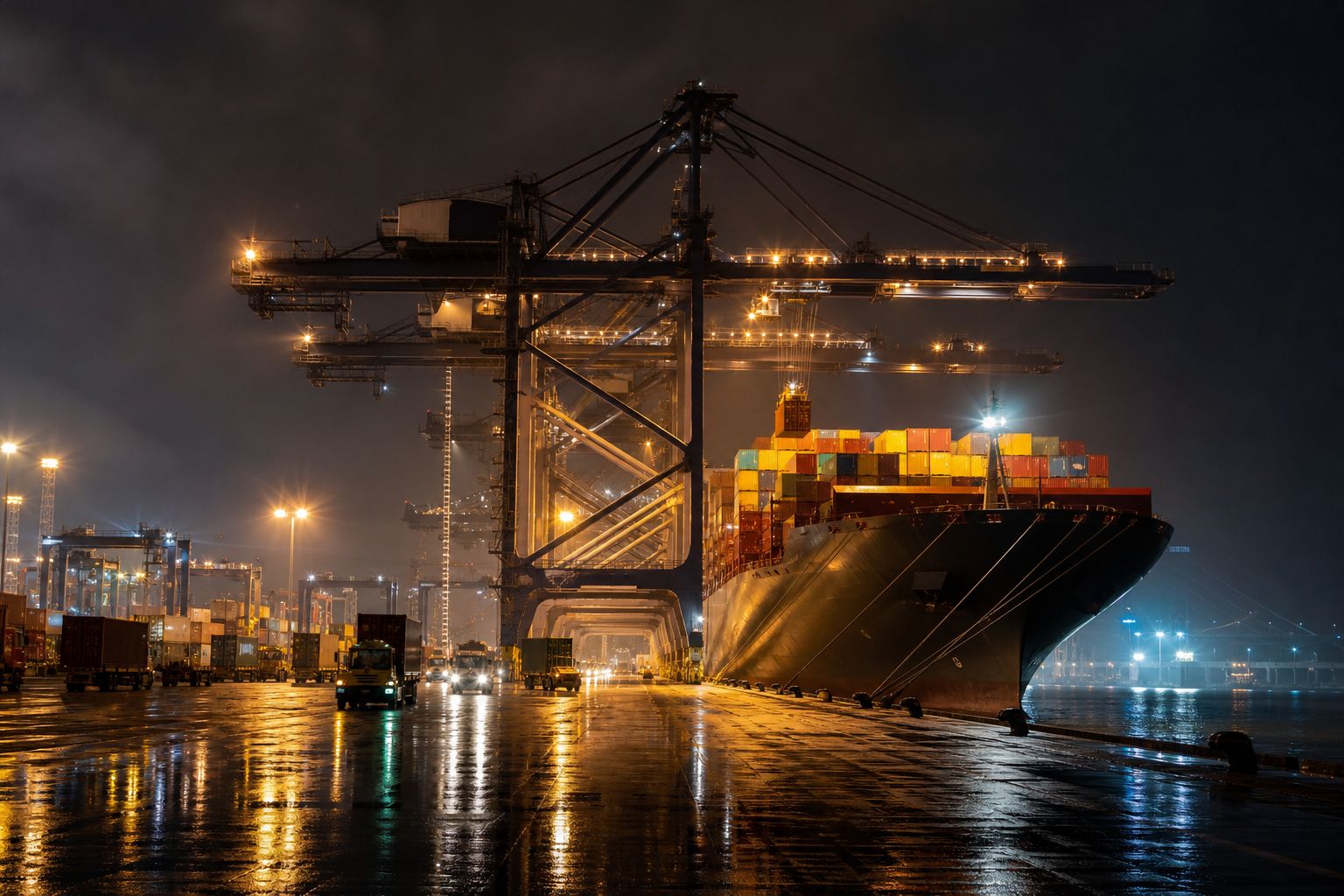
Trade as a channel Gantry cranes load containers at a port at night. AI-generated still.
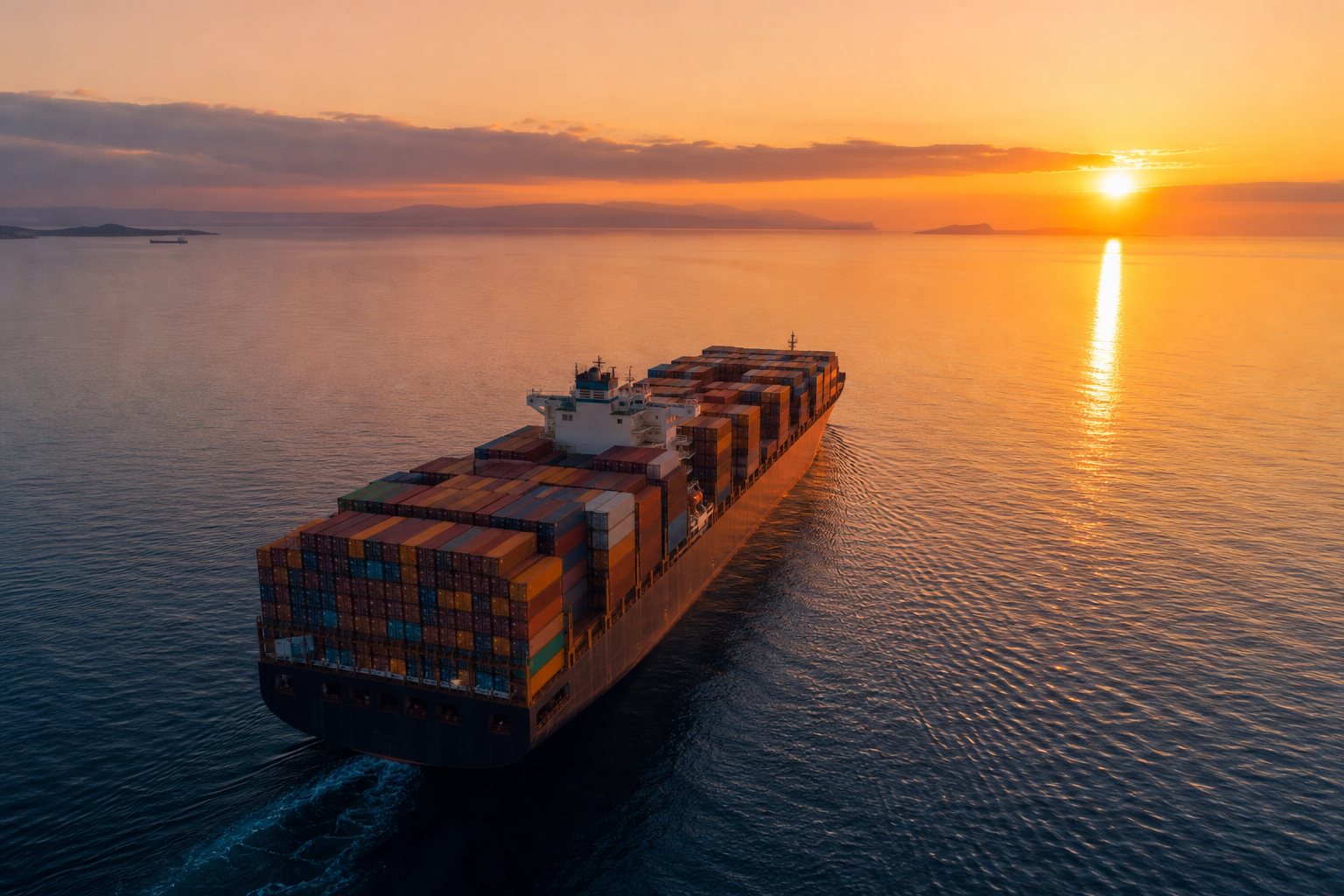
What the invoice says A container ship at sunset, stacked with sealed boxes whose value exists only on paper. AI-generated still.
hidden value=invoice price−real value\text{hidden value} = \text{invoice price} - \text{real value}
>0> 0
over-invoiced: to the seller
<0< 0
under-invoiced: to the buyer
Value moved by a false invoice
Chapter III · The tricks

Front businesses and false invoices

Mixing illicit cash with the takings of a cash-intensive business, a restaurant, bar or car wash, is one of the oldest methods. The FATF defines trade-based money laundering as disguising the proceeds of crime and moving value through trade transactions to legitimise their illicit origin. Its key element is misrepresenting the price of goods or services to transfer extra value between importer and exporter: over-invoicing moves value to the exporter, under-invoicing to the importer.

The 3D scenes are simplified teaching diagrams, not real transactions, accounts or countries.

Sources: Wikipedia: Money laundering (methods: structuring, cash-intensive businesses, mixers); FATF (June 2006): Trade-Based Money Laundering

A shell company exists mainly on paper. Stack several in different countries, each owning the next, and the real owner drops out of sight.

Sometimes a nominee, a stand-in, is named as director or shareholder. The person who really owns and controls the company is the beneficial owner.

Property is a favourite destination. An anonymous company buys a luxury flat, and the money turns into bricks.

Press Look through to peel the shells away.

In 2022 the FATF, the international body that sets anti-laundering standards, asked countries to keep a register of who really owns companies.

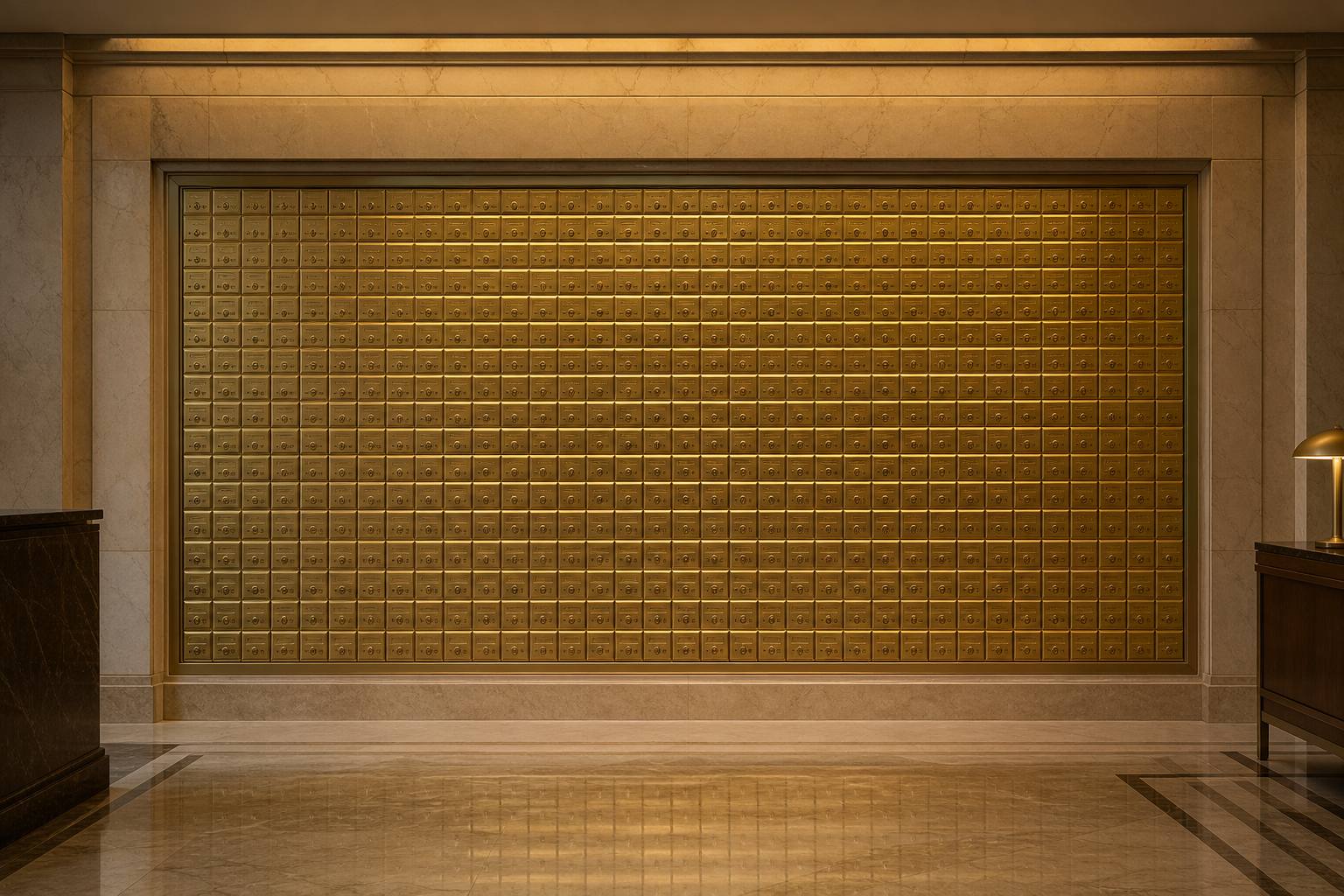
Companies on paper Hundreds of identical brass mailboxes line a lobby wall. AI-generated still.
  • Legal owner: the name on the register
  • Nominee: a stand-in director or shareholder
  • Beneficial owner: the person who really controls it
Who is on the paperwork?
Money into property A new tower at night with almost every window dark. AI-generated still.
  • A beneficial-ownership register, or an equally fast route
  • No new bearer shares, owned by whoever holds the paper
  • Tighter rules on nominees
FATF Recommendation 24, revised 2022
Chapter III · The tricks

Shells, nominees and property

Shell companies and trusts can conceal who really owns funds. On 4 March 2022 the FATF revised Recommendation 24: countries must hold adequate, accurate and up-to-date information on the beneficial ownership and control of companies, in a public registry or an alternative mechanism that gives authorities efficient access; it also banned new bearer shares (shares owned by whoever holds the certificate) and tightened rules on nominee arrangements. The FATF’s 2022 guidance on real estate lists luxury property and the use of anonymous companies in transactions among the sector’s vulnerabilities.

The 3D scenes are simplified teaching diagrams, not real transactions, accounts or countries.

Sources: FATF (4 March 2022): Public statement on revisions to Recommendation 24, beneficial ownership; FIAU Malta (2 Aug 2022): FATF updates its risk-based approach guidance for the real estate sector; Wikipedia: Money laundering (methods: structuring, cash-intensive businesses, mixers)

Chapter IV · Crypto

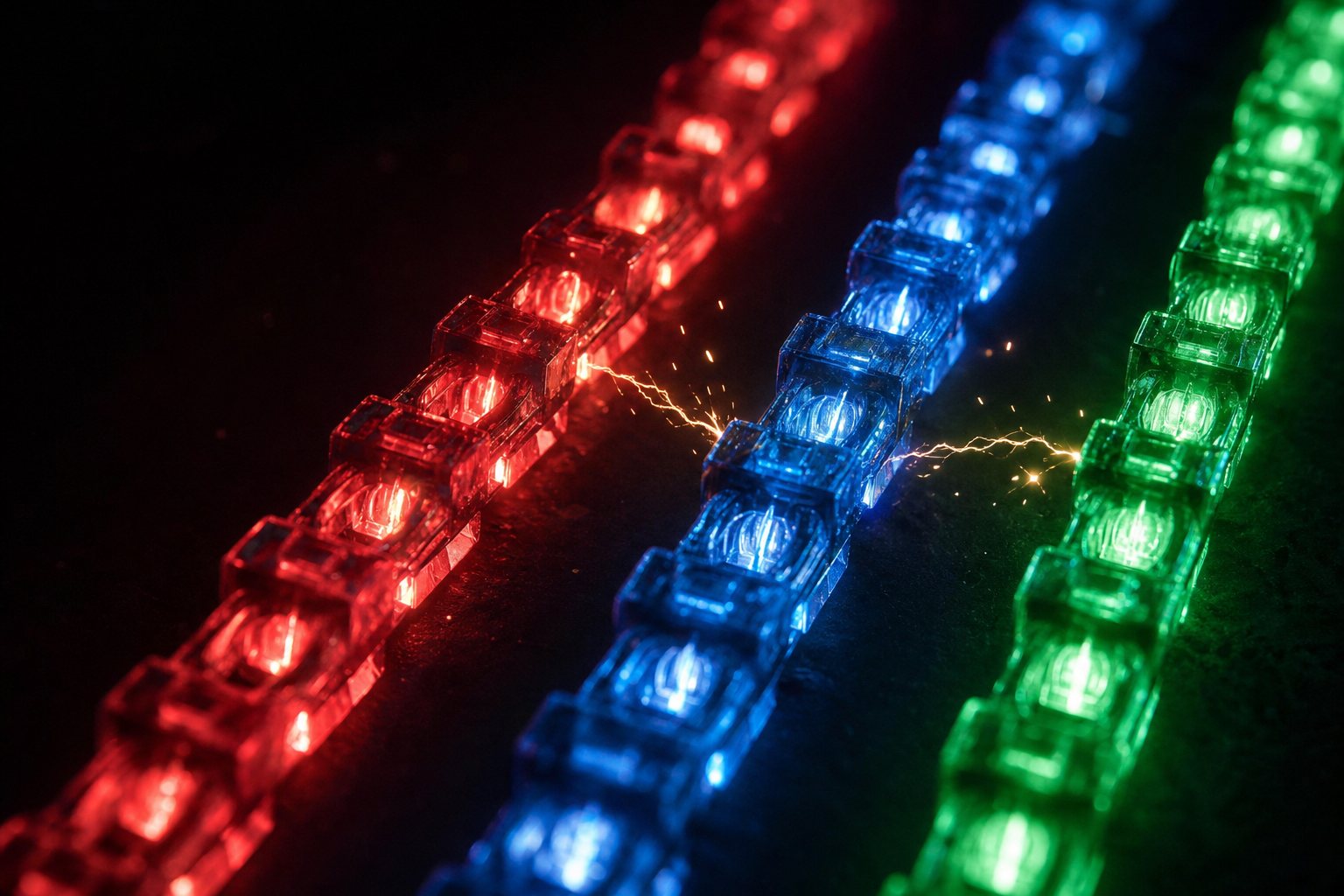
Bitcoin transfers are written on a public ledger called a blockchain. Anyone can see the trail, but only wallet addresses, like account numbers, not names.

A mixer pools coins from many users and pays them back out scrambled, so it is hard to tell which coins went where.

Chain-hopping swaps coins quickly across different blockchains and assets, so the trail has to be picked up again on each new chain.

Since 2019, the FATF's travel rule has covered crypto firms too: like banks, they must pass on the sender's and receiver's details with each transfer.

Public ledgers Three chains of glowing blocks, red, blue and green. AI-generated still.
A mixer Coins of many colours go in; uniform coins come out. AI-generated still.
33%
of complex cross-chain investigations involve more than three blockchains
Elliptic, November 2025
  • Sender’s name and account or wallet address
  • Sender’s address, ID number or date of birth
  • Receiver’s name and wallet address
What travels with a transfer (FATF R.16)
Chapter IV · Crypto

Mixers, chain-hopping and the travel rule

A mixer blends the cryptocurrencies of many users to obscure the origins and owners of funds; it can also be used for privacy, and its legality is debated. The FATF’s 2020 red-flag report lists mixing or tumbling services and anonymity-enhanced coins among features that raise risk. Elliptic describes chain-hopping as rapidly swapping crypto assets across multiple blockchains or different assets on one chain. In 2018 the FATF extended its standards to virtual assets, and in June 2019 it applied Recommendation 16, the travel rule, to virtual asset service providers, which must obtain, hold and transmit originator and beneficiary information with transfers.

The 3D scenes are simplified teaching diagrams, not real transactions, accounts or countries.

Sources: Wikipedia: Money laundering (methods: structuring, cash-intensive businesses, mixers); Regulation Tomorrow (15 Sep 2020): FATF report, virtual assets red flag indicators of money laundering; Elliptic (18 Nov 2025): Chain-hopping emerges as defining money laundering method of 2025; PwC (Aug 2019): FATF guidance on virtual assets and the travel rule for virtual asset service providers; Wikipedia: Financial Action Task Force (founding, Recommendations, grey and black lists)

Chapter V · The rulebook

In 1989 the G7, a club of rich democracies, met in Paris and created the FATF.

A year later it published forty Recommendations, its standards for fighting laundering.

From 1992, American banks had to file reports on suspicious activity.

After the attacks of 11 September 2001, the FATF took on terrorist financing too, and a new US law made banks check customers' identities more strictly.

  1. 1989 FATF founded by the G7
  2. 1990 The forty Recommendations
  3. 1992 US suspicious activity reports
  4. 2001 USA PATRIOT Act; FATF adds terrorist financing
Rules against laundering
Paris Rooftops and the Eiffel Tower at dusk; the FATF is still based in Paris. AI-generated still.
1992
suspicious activity reports replace older criminal referral forms
Annunzio-Wylie Act
  • Stronger customer identification
  • Anti-laundering programmes at all financial institutions
  • Treasury power to impose “special measures”
USA PATRIOT Act, 2001 (FinCEN)
Chapter V · The rulebook

How the rulebook grew

FinCEN’s history of US laws: the Bank Secrecy Act (1970) introduced cash transaction reports; the Money Laundering Control Act (1986) made laundering a federal crime; the Annunzio-Wylie Act (1992) required Suspicious Activity Reports; the USA PATRIOT Act (2001) strengthened customer identification, extended anti-money-laundering programmes to all financial institutions and let the Treasury impose “special measures” on jurisdictions, institutions or transactions of “primary money laundering concern”. Internationally, the FATF was set up at the 1989 G7 summit in Paris and issued its forty Recommendations in 1990, revised in 1996, 2003 and 2012; its mandate was extended to terrorist financing in 2001.

The 3D scenes are simplified teaching diagrams, not real transactions, accounts or countries.

Sources: FinCEN: History of Anti-Money Laundering Laws (definition, three steps, Bank Secrecy Act, Money Laundering Control Act, USA PATRIOT Act); Wikipedia: Financial Action Task Force (founding, Recommendations, grey and black lists); Congressional Research Service RS21904: The Financial Action Task Force, an overview

Today the front line is the bank itself. Know your customer means checking who a client is and where their money comes from.

Software watches every account for patterns that do not fit, and a human analyst decides whether to report them.

When a bank fails at this, the cost is huge. In October 2024, TD Bank and its US parent company pleaded guilty in the United States.

The bank agreed to pay over one point eight billion dollars. Prosecutors said ninety-two percent of its transaction volume went unmonitored for six years.

Switch monitoring off and on yourself, and see what slips through.

  • Verify identity
  • Find the beneficial owner
  • Understand the source of funds
  • Keep watching the account
Know your customer
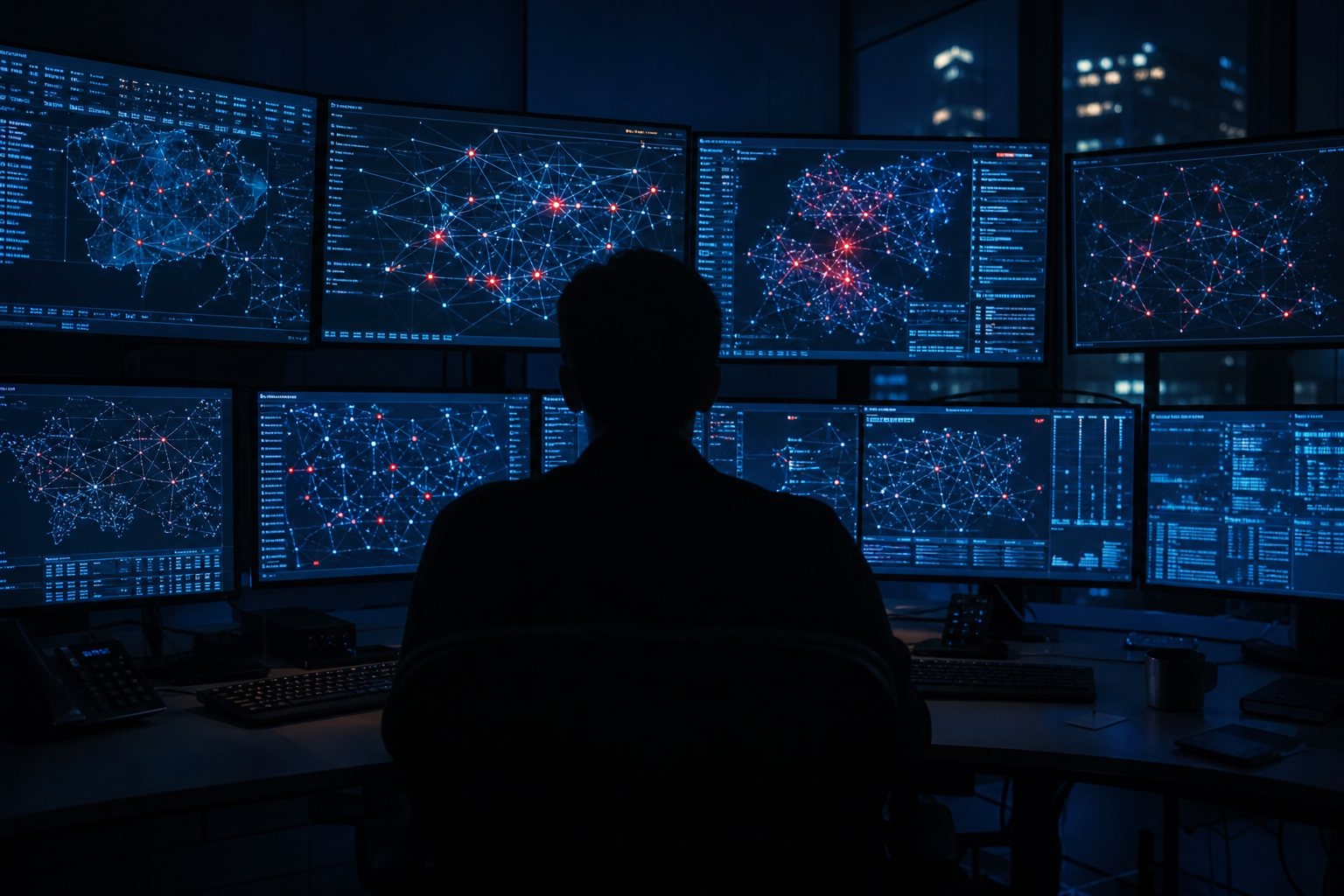
Alerts An analyst, seen from behind, faces a wall of network graphs and red alert dots. AI-generated still.
$1.89 bn
criminal penalty, fine plus forfeiture
92%
of volume unmonitored, Jan 2018 – Apr 2024
$670 m+
moved by three networks, 2019–2023
US Justice Department, 10 Oct 2024
  • Transactions split to avoid reports
  • Amounts or frequency with no business logic
  • Funds tied to high-risk places or services
Patterns monitoring looks for (FinCEN, FATF)
Chapter V · The rulebook

Watching the accounts

Banks must identify their customers, understand the purpose of their accounts and monitor transactions, reporting suspicious activity to their national financial intelligence unit, in the US to FinCEN. On 10 October 2024 the US Justice Department announced that TD Bank N.A. had pleaded guilty to conspiring to fail to maintain a compliant anti-money-laundering programme, failing to file accurate currency transaction reports and conspiring to launder money, agreeing to a criminal fine of $1,434,513,478 and forfeiture of $452,432,302 ($1.89 billion in all); its parent, TD Bank US Holding Company, pleaded guilty to causing those failures. The bank reached separate agreements with the Federal Reserve, the OCC and FinCEN. Prosecutors said 92% of its total transaction volume, about $18.3 trillion, went unmonitored from 1 January 2018 to 12 April 2024, and that three money-laundering networks moved more than $670 million through its accounts between 2019 and 2023.

The 3D scenes are simplified teaching diagrams, not real transactions, accounts or countries.

Sources: US Department of Justice (10 Oct 2024): TD Bank pleads guilty to Bank Secrecy Act and money laundering conspiracy violations; FinCEN: History of Anti-Money Laundering Laws (definition, three steps, Bank Secrecy Act, Money Laundering Control Act, USA PATRIOT Act)

Chapter VI · Cut off

Countries are checked too. The FATF and regional bodies review each country's laws, and how well they work.

Countries with serious gaps go under increased monitoring, the so-called grey list. As of February 2025, the black list, which calls for action, named Iran, Myanmar and North Korea.

Thailand's Anti-Money Laundering Office, AMLO, was set up under a law passed in 1999.

In 2012 the FATF named Thailand in a public statement for weak rules. After reforms, Thailand left FATF monitoring in June 2013.

A listing makes foreign banks wary. While Thailand was listed, some Thais were refused accounts at American banks, The Nation reported.

  • Grey list: 25 jurisdictions under increased monitoring
  • Black list: 3 high-risk jurisdictions, “call for action”
  • Both lists are updated after each of the FATF’s three plenary meetings a year
FATF lists, February 2025
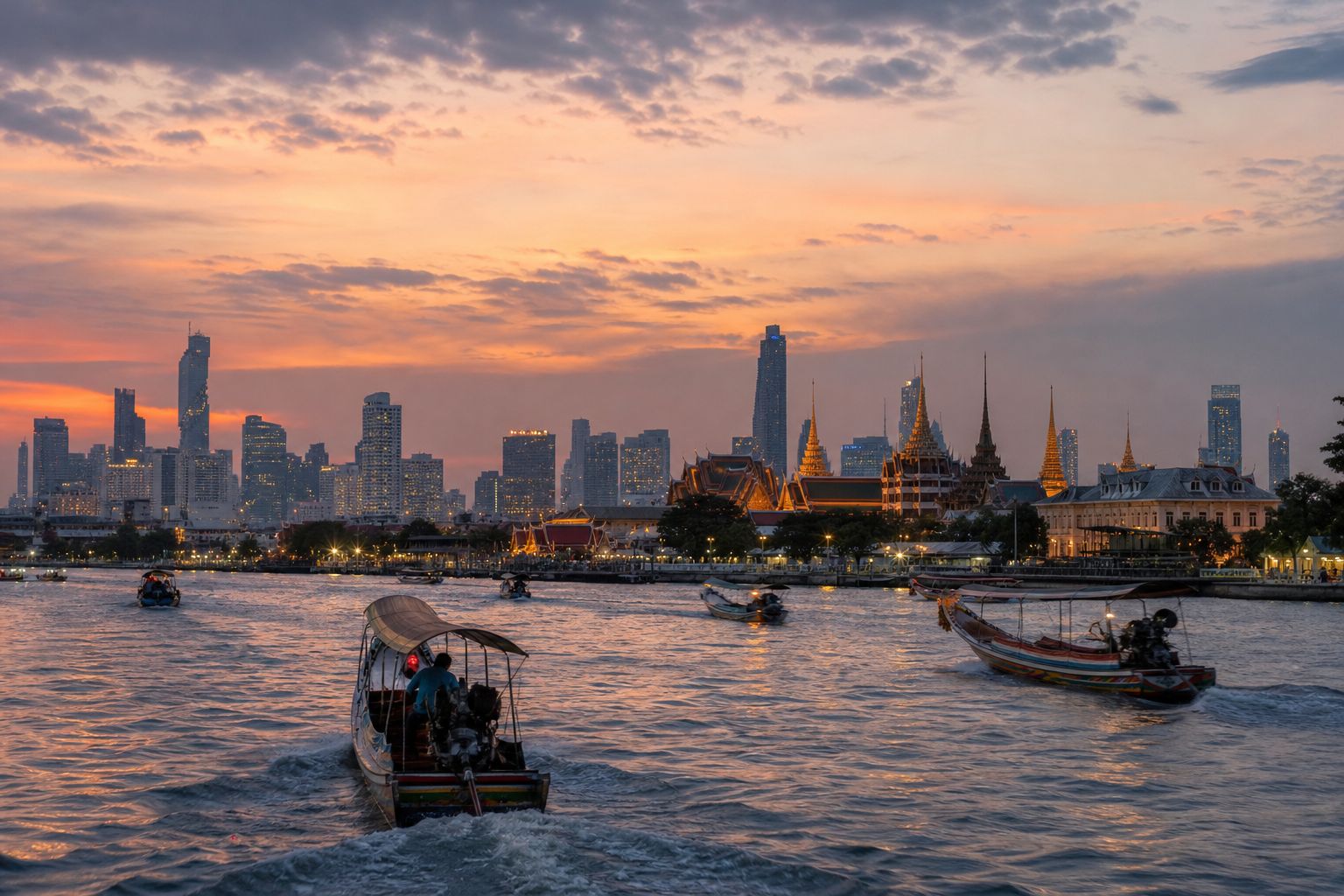
Bangkok Long-tail boats on the Chao Phraya below temple spires and towers. AI-generated still.
  1. 1999 Anti-Money Laundering Act; AMLO set up
  2. 2012 Named in an FATF public statement
  3. Feb 2013 Off the public statement, still monitored
  4. Jun 2013 Off FATF monitoring entirely
  5. 2017 APG mutual evaluation published
Thailand and the FATF
Doors that close An empty bank lobby at night, the teller window shut. AI-generated still.
Chapter VI · Cut off

Lists, and Thailand

The FATF and regional bodies, such as the Asia/Pacific Group on Money Laundering (APG), assess each country’s laws and their effectiveness. Jurisdictions with strategic deficiencies are listed as under increased monitoring (the grey list; 25 in February 2025); high-risk jurisdictions subject to a call for action (in February 2025 Iran, Myanmar and North Korea) are the black list. Listing leads financial institutions to shift services away. Thailand’s Anti-Money Laundering Office was founded on 19 August 1999 under the Anti-Money Laundering Act B.E. 2542. The Nation reported that the FATF named Thailand in its public statement in 2012. At the February 2013 plenary Thailand was dropped from that public statement but stayed under review in the FATF’s on-going process; a FinCEN advisory records that on 21 June 2013 the FATF removed Thailand from its listing and monitoring process altogether. The FATF updates both lists after each of its three plenary meetings a year. The APG’s 2017 mutual evaluation, based on an on-site visit in late 2016, rated Thailand on all forty Recommendations.

This film does not say which countries are listed today; the lists change after every FATF plenary.

The 3D scenes are simplified teaching diagrams, not real transactions, accounts or countries.

Sources: People’s Bank of China, CAMLMAC: High-risk jurisdictions and jurisdictions under increased monitoring published by FATF (February 2025); Wikipedia: Financial Action Task Force (founding, Recommendations, grey and black lists); Wikipedia: Anti-Money Laundering Office (Thailand); FATF/APG: Mutual evaluation report of Thailand, 2017; The Nation (26 Jul 2017): “No more inclusion in money-laundering blacklist” (Thailand listed by the FATF in 2012; APG review); The Nation (18 Mar 2013): Removal from FATF grey list should yield benefits for Thai firms abroad; FinCEN Advisory FIN-2013-A006 (17 Sep 2013): FATF removes Thailand and others from its listing and monitoring process

Governments can also cut off one institution. Since 2001, US law has let the Treasury impose special measures on foreign firms of primary money laundering concern.

The MEXC order used a newer power of the same kind, aimed at Russian illicit finance.

FinCEN alleges about one and a half billion dollars of the flows were linked to Russia.

Thirty days after it appears in the US government's official journal, American banks and other financial firms may not send it money, or take money from it.

Cut off A thick glowing cable severed in two. AI-generated still.
2023
Bitzlato
2024
PM2BTC
2026
MEXC Global, the largest so far, per CoinDesk
Earlier orders under the same Russia-related power
  • It does not freeze customers’ assets (crypto.news)
  • It is not a worldwide trading ban (crypto.news)
  • MEXC’s US-located affiliates are excluded (FinCEN)
What the order does not do
Chapter VI · Cut off

Cutting off an institution

The USA PATRIOT Act of 2001 gave the Treasury authority to impose special measures on jurisdictions, institutions or transactions of primary money laundering concern. Section 9714 of the Combating Russian Money Laundering Act, as amended in 2021, lets FinCEN do the same for institutions of primary money laundering concern in connection with Russian illicit finance. FinCEN’s order prohibits covered US financial institutions from engaging in any transmittal of funds from or to MEXC Global, 30 days after publication in the Federal Register; MEXC’s US-located affiliates are excluded. CoinDesk reports that earlier targets of the provision, Bitzlato (2023) and PM2BTC (2024), were much smaller.

The figures about MEXC are FinCEN’s allegations in an administrative order; they have not been tested in court.

The 3D scenes are simplified teaching diagrams, not real transactions, accounts or countries.

Sources: FinCEN: History of Anti-Money Laundering Laws (definition, three steps, Bank Secrecy Act, Money Laundering Control Act, USA PATRIOT Act); FinCEN: Imposition of Special Measure Prohibiting the Transmittal of Funds Involving MEXC Global (Section 9714 order, November 2026); US Treasury press release sb0685 (6 Nov 2026): Operation Economic Outcast severs MEXC Global’s access to the U.S. financial system; CoinDesk (7 Nov 2026): U.S. Treasury moves to cut off crypto exchange MEXC over $16 billion in alleged illicit flows

Epilogue

Laundering is the step that makes crime pay.

So the defences all work on the trail: reports that record it, checks that tie it to a real person, and registers that show who really owns what.

Follow the money one last time. Every trail begins with someone who needs dirty money to look clean.

Yet in 2011, the UN's drugs and crime office found that less than one percent of illicit money was being seized and frozen.

The trail is there. Following it to the end is the hard part.

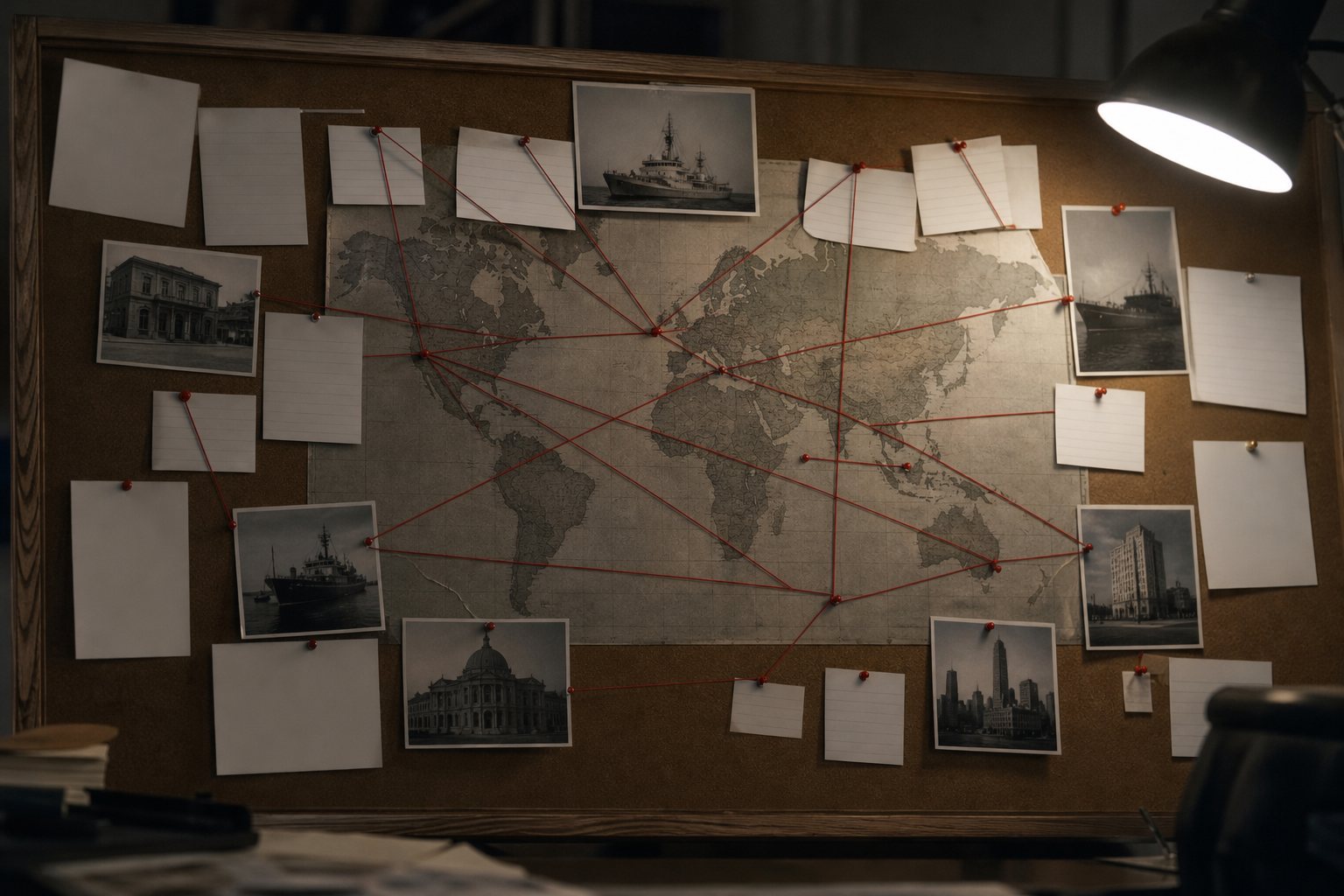
Reconstructing the trail Index cards and red string on an investigator’s board. AI-generated still.
  1. 1970 US cash reports
  2. 1989 FATF founded
  3. 2001 Special measures; customer ID
  4. 2013 Thailand off FATF monitoring
  5. 2019 Travel rule for crypto firms
  6. 2024 TD Bank guilty plea
  7. 2026 FinCEN order against MEXC
In this film
< 1%
of illicit financial flows seized and frozen (“much less than one per cent”)
UNODC, 2011
  • Records spread across many countries
  • Owners hidden behind companies
  • New channels, such as crypto, move fast
Why the trail goes cold
Epilogue · Sources

Sources

Every fact in this film comes from the sources below. Figures about MEXC are allegations made by FinCEN in an administrative order; MEXC says it is reviewing the order. Estimates of the amount laundered worldwide are rough by nature. Methods are described only in outline, to explain how the rules work. The chapter stills and pictures are AI-generated artist’s impressions; they show no real people, places, documents or events. The flows, accounts, countries and dashboards in 3D are simplified teaching diagrams.

Sources: FinCEN: Imposition of Special Measure Prohibiting the Transmittal of Funds Involving MEXC Global (Section 9714 order, November 2026); US Treasury press release sb0685 (6 Nov 2026): Operation Economic Outcast severs MEXC Global’s access to the U.S. financial system; CoinDesk (7 Nov 2026): U.S. Treasury moves to cut off crypto exchange MEXC over $16 billion in alleged illicit flows; crypto.news (8 Nov 2026): MEXC hit by FinCEN order; Treasury also designates Canadian money services businesses; FinCEN: History of Anti-Money Laundering Laws (definition, three steps, Bank Secrecy Act, Money Laundering Control Act, USA PATRIOT Act); UNODC (August 2011): Tracing dirty money, an expert on the trail (IMF estimate of 2–5% of global GDP); UN News (October 2011): UNODC study, criminals may have laundered around $1.6 trillion in 2009; Mental Floss: The myth of how Al Capone gave us the term “money laundering”; Wikipedia: Money laundering (methods: structuring, cash-intensive businesses, mixers); FinCEN Ruling 2005-6: Suspicious activity reporting (structuring); FATF (June 2006): Trade-Based Money Laundering; FATF (4 March 2022): Public statement on revisions to Recommendation 24, beneficial ownership; FIAU Malta (2 Aug 2022): FATF updates its risk-based approach guidance for the real estate sector; Regulation Tomorrow (15 Sep 2020): FATF report, virtual assets red flag indicators of money laundering; Elliptic (18 Nov 2025): Chain-hopping emerges as defining money laundering method of 2025; PwC (Aug 2019): FATF guidance on virtual assets and the travel rule for virtual asset service providers; Wikipedia: Financial Action Task Force (founding, Recommendations, grey and black lists); Congressional Research Service RS21904: The Financial Action Task Force, an overview; US Department of Justice (10 Oct 2024): TD Bank pleads guilty to Bank Secrecy Act and money laundering conspiracy violations; People’s Bank of China, CAMLMAC: High-risk jurisdictions and jurisdictions under increased monitoring published by FATF (February 2025); Wikipedia: Anti-Money Laundering Office (Thailand); FATF/APG: Mutual evaluation report of Thailand, 2017; The Nation (26 Jul 2017): “No more inclusion in money-laundering blacklist” (Thailand listed by the FATF in 2012; APG review); The Nation (18 Mar 2013): Removal from FATF grey list should yield benefits for Thai firms abroad; FinCEN Advisory FIN-2013-A006 (17 Sep 2013): FATF removes Thailand and others from its listing and monitoring process