PlanetPast
EN

Society · Law

How Impeachment Works

Charge, Trial, Verdict

On 9 November 2026 US Representative Thomas Massie filed eight articles of impeachment against Defense Secretary Pete Hegseth, who called the effort a political spectacle, and the next day the House voted 211 to 204 to send them to committee, shelving them; days earlier Paraguay’s Congress had charged and removed President Santiago Peña in two days after the collapse of Ueno Bank, which Peña’s lawyers said named no illegal act of his. This film explains the established basics: impeachment as a charge brought by a legislature, separate from removal and from criminal punishment; its birth in the English Parliament in 1376 and its end there in 1806; the US Constitution’s design, a simple majority in the House and two thirds in the Senate; the cases of Andrew Johnson, Richard Nixon, Bill Clinton, Donald Trump, William Belknap and Alejandro Mayorkas; South Korea’s Constitutional Court; Brazil, Paraguay and Peru’s “moral incapacity”; and how Thailand moved from Senate removal to the courts.

Interactive 3D film11 min1376 to 2026Published 11 November 2026

Watch the interactive filmRead in ไทย

Prologue

Society · Law

Charge, trial, verdict

How impeachment works, and why it ends so differently.

Impeachment can bring down a president in two days, or charge a minister and change nothing.

On 5 November, Paraguay's lower house charged President Santiago Peña over the collapse of Ueno Bank. The next day the Senate removed him.

On 9 November in Washington, Republican Thomas Massie filed eight articles of impeachment, written charges, against Defense Secretary Pete Hegseth, mainly for waging war on Iran without the approval of Congress.

Hegseth called it a political spectacle. The next day, Republican leaders sent the charges to a committee, 211 votes to 204. That shelves them: for now, there is no impeachment.
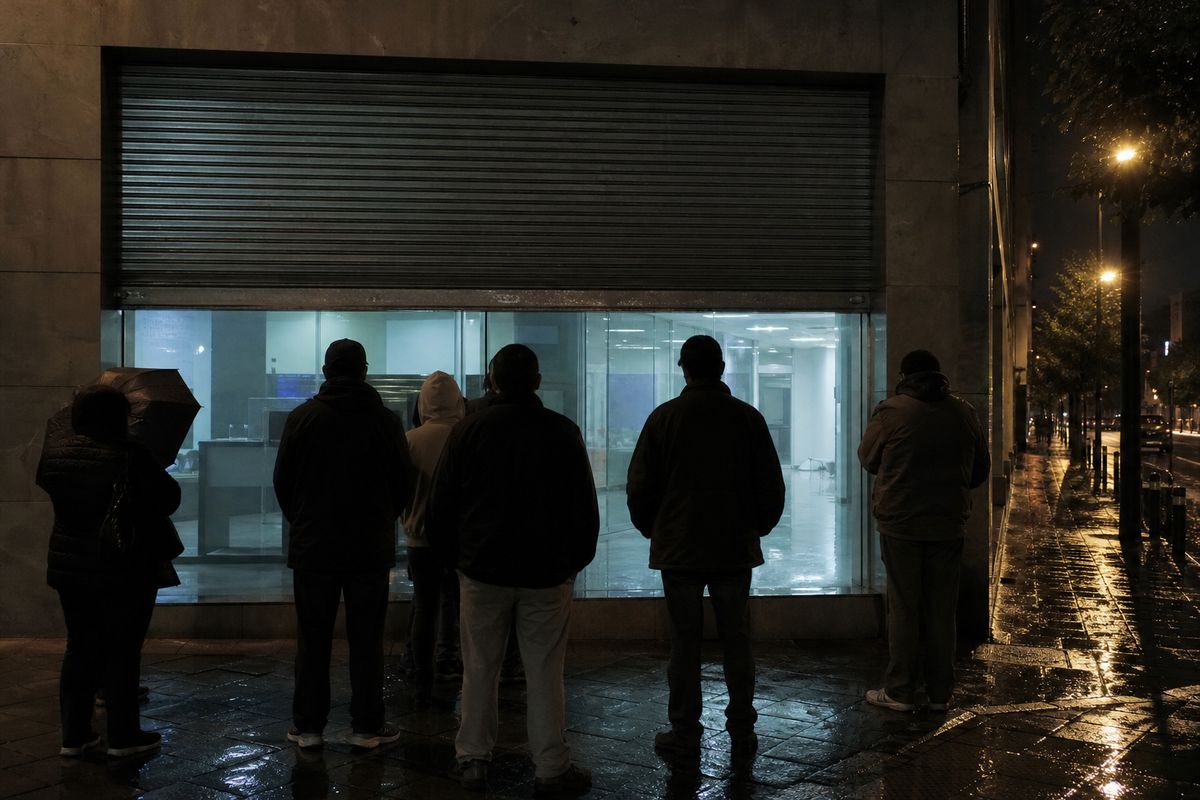
Asunción, November 2026 A shuttered bank branch at night, savers waiting outside. AI-generated still.
78
deputies, all those present, voted to charge Peña (two thirds needed)
44 / 45
senators voted to remove him for poor performance of duties
Paraguay, 5–6 November 2026
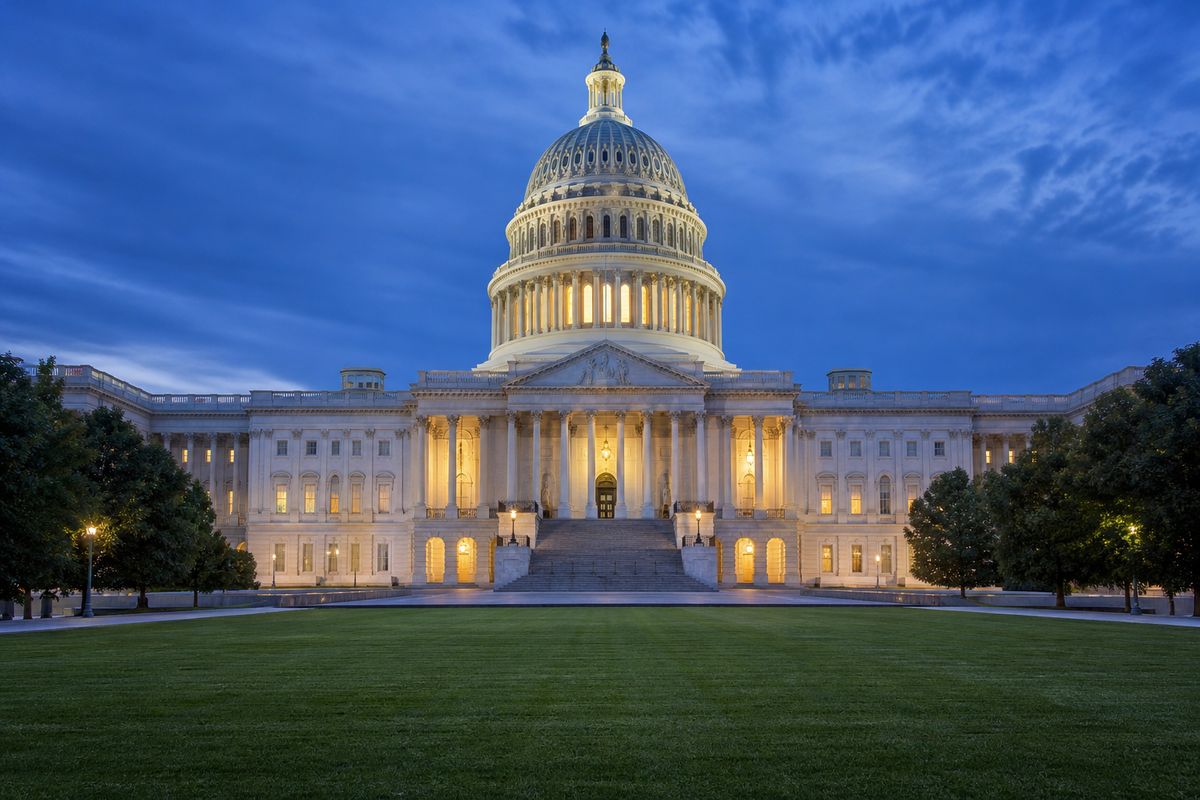
Washington, November 2026 A domed government building across a lawn at dusk. AI-generated still.
211–204
to refer the articles to the Judiciary Committee
1
Republican, Massie, voted with all Democrats against
US House, 10 November 2026
Prologue

Two cases, one word

Paraguay: by a resolution dated 2 November 2026 the Central Bank opened the resolution of Ueno Bank and froze its deposits, affecting more than 2.9 million clients. On 5 November the Chamber of Deputies approved an impeachment accusation against President Santiago Peña with 78 votes, where two thirds were required. On 6 November the Senate removed him for poor performance of his duties with 44 votes of 45 (chapter V has the details and his defence). United States: on 9 November Representative Thomas Massie (Republican, Kentucky) introduced a 34-page resolution with eight articles alleging high crimes and misdemeanors, three of them over waging war on Iran without congressional authorisation, others over boat strikes in the Caribbean and civilian deaths. Hegseth called the effort a “farce” and a “political spectacle”, saying “none of these are high crimes or misdemeanors” but “partisan policy disagreements”. On 10 November the House voted 211 to 204 to refer the resolution to the Judiciary Committee; Massie was the only Republican to vote against, with all Democrats. Deseret News reported that the move all but ensures the articles will not be voted on in this Congress. Referring a resolution sends it to a committee, a smaller group of members, which need never act on it.

Santiago Peña has been removed from office by Paraguay’s Senate, a political verdict. Prosecutors placed him under house arrest while they investigate; he denies wrongdoing and has not been convicted of any crime.

Sources: Cámara de Diputados del Paraguay (5 Nov 2026): Diputados aprueba juicio político al presidente de la República, Santiago Peña; ABC Color (4–5 Nov 2026): Cronología de una crisis, de la caída de Ueno Bank a la renuncia y el juicio político a Peña; La Estrella de Panamá (6 Nov 2026): Senado de Paraguay destituye a Santiago Peña con 44 votos tras la caída de Ueno Bank; CBS News (9 Nov 2026): Massie introduces eight articles of impeachment against Defense Secretary Pete Hegseth, teeing up a House vote; ABC News (10 Nov 2026): Defiant Hegseth blasts impeachment effort as “political spectacle”; CBS News (10 Nov 2026): House votes 211–204 to refer Massie’s Hegseth impeachment resolution to the Judiciary Committee; Deseret News (10 Nov 2026): House sends articles of impeachment against Pete Hegseth to committee, 211–204; Reason (10 Nov 2026): Thomas Massie’s attempt to impeach Pete Hegseth is derailed


To impeach means to charge. A legislature, the assembly that makes laws, formally accuses an official of serious misconduct.

That is only step one. A trial follows, and only a guilty verdict removes the official from office.

Today, in most systems, it is a political process, not a criminal one. The worst penalty is losing the job, and sometimes a ban from office.

Prison is for the ordinary courts, which may try the same person separately.

Every system makes three choices: who brings the charge, who judges it, and how many votes it takes.

The charge A thick bundle of documents tied with red ribbon. AI-generated still.
Impeach
to charge
Convict
to find guilty, which removes
Acquit
to find not guilty
Three words
  • Not removal by itself: it is the accusation
  • Not a criminal trial: no fines or prison in most systems today
  • Not a vote of no confidence, which is about policy, not misconduct
What impeachment is not
The verdict A gavel on its sound block. AI-generated still.
Prologue

A charge, not a sentence

Britannica defines impeachment as a process in which a legislative body brings charges against a public official for serious misconduct. It began in 14th-century England as a way to start criminal proceedings, and the first people impeached there were fined and imprisoned. In the United States today the House of Representatives brings the articles of impeachment and the Senate holds the trial; the penalties are limited to removal from office and disqualification from holding office again. In South Korea the Constitution says a removal decision cannot go beyond removal, and the official remains liable to civil and criminal penalties in the ordinary courts. In everyday English “impeached” is often used to mean “removed”, but in law it means only “charged”. Thai usually translates it as ถอดถอน, which sounds like removal; in this film the charge stage is “กล่าวหาเพื่อถอดถอน” and removal is “ถอดออกจากตำแหน่ง”.

The 3D chambers, seats and flowcharts are simplified diagrams: each dot is one vote, not a real member.

Sources: Encyclopaedia Britannica: Impeachment; Wikipedia: Impeachment in South Korea (Article 65, Constitutional Court, cases)

Chapter I · Born in England

The idea began in England. In 1376, a session later called the Good Parliament refused the king new taxes until its complaints were heard.

The Commons, the elected house, accused two royal insiders of lending to the crown at extortionate interest.

The Lords, the house of nobles, judged them, and both went to prison.

After a last acquittal, of Lord Melville in 1806, Britain stopped using it: ministers who lose Parliament's support simply lose their jobs.

Loans to the crown Silver coins spilling across a ledger. AI-generated still.
  1. 29 Apr 1376 Parliament opens
  2. 9 May Commons: no tax until grievances are met
  3. May–Jul Latimer jailed, fined 20,000 marks; Lyons jailed, lands and goods forfeited
  4. Jan 1377 A new parliament overturns the convictions
The Good Parliament (National Archives)
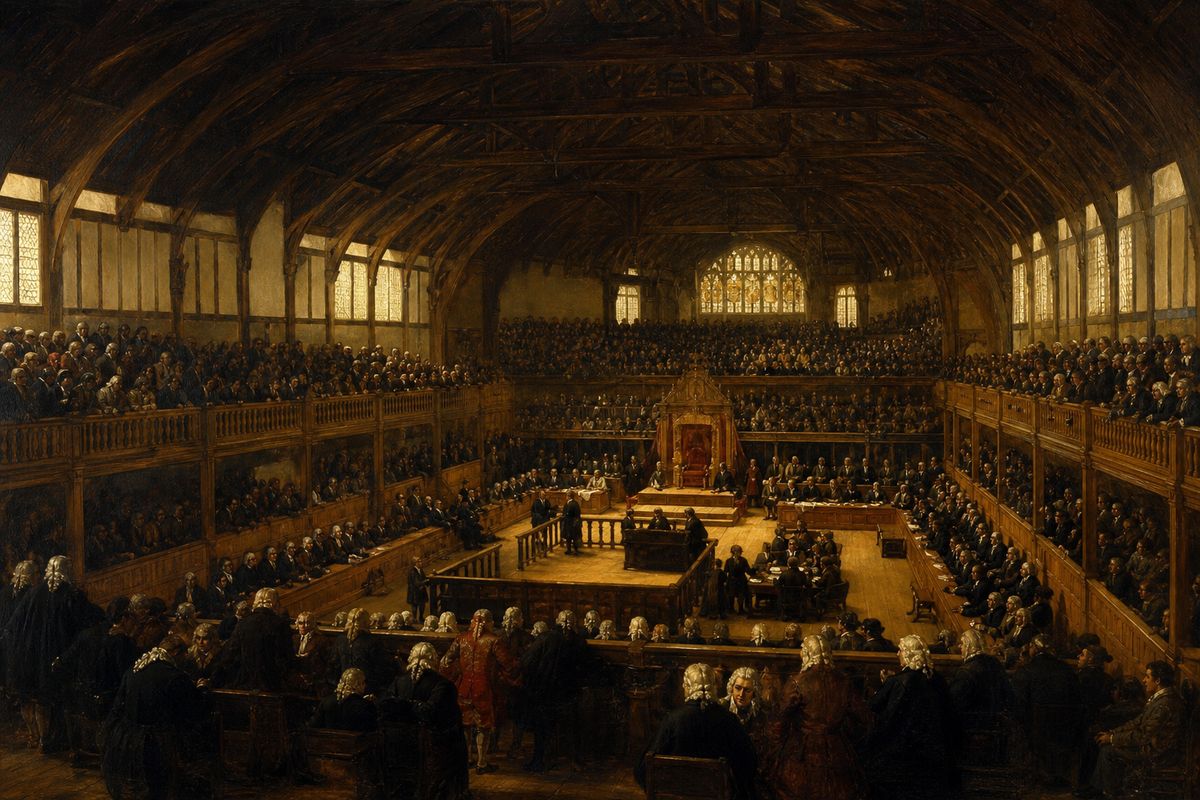
The last great trials A packed timber-roofed hall, as at the trial of Warren Hastings, governor-general of Bengal, 1788–95. AI-generated still.
Chapter I · Born in England

From the Good Parliament to 1806

The Parliament that opened on 29 April 1376 ran until 10 July, the longest in English history until then. On 9 May the Commons told the Lords they would grant no taxation until their grievances were addressed, and listed charges that included loans made to the crown by William Latimer and Richard Lyons at unreasonably high interest. Latimer, Lyons and Lord Neville were impeached; Lyons forfeited his lands and goods and was imprisoned, and Latimer was imprisoned and fined 20,000 marks. In October 1376 Latimer was pardoned, and in January 1377 Parliament overturned the convictions. Britannica describes English impeachment as beginning in the 14th century, with the House of Commons acting as prosecutor and the House of Lords as judge. The History of Parliament calls Warren Hastings, the first governor-general of Bengal (the top British official there), the most famous target; Britannica records that his trial (1788–95) was unsuccessful. In April 1805 a Commons censure motion, a formal vote of disapproval, against Henry Dundas, first Viscount Melville, tied 216 to 216 and was carried on the Speaker’s casting vote; Melville was impeached and acquitted in June 1806. Britannica notes that the procedure then fell into disuse, as cabinet ministers came to be seen as answerable to Parliament itself.

The 3D chambers, seats and flowcharts are simplified diagrams: each dot is one vote, not a real member.

Sources: The National Archives (UK) blog: The Good Parliament of 1376; Encyclopaedia Britannica: Impeachment; History of Parliament: Impeachments and the British Parliament

Chapter II · The American design

The Americans who wrote their Constitution in 1787 kept the idea.

The president, the vice president and all civil officers can be removed for treason, bribery, or other high crimes and misdemeanors, an old phrase for serious misconduct in office.

That phrase has never been precisely defined. The framers considered maladministration, simply governing badly, and rejected it.

James Madison warned it would let the Senate remove a president at will.

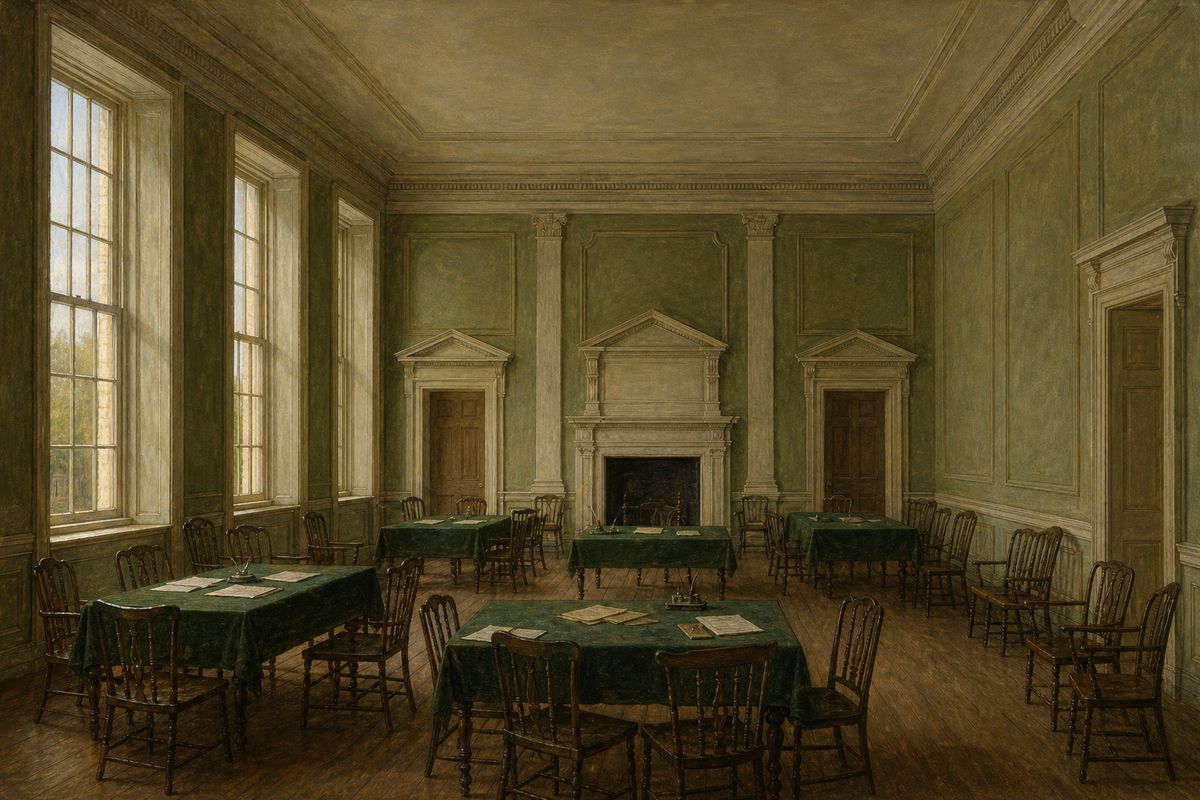
Philadelphia, 1787 An empty Georgian assembly room with green baize tables. AI-generated still.
“Treason, Bribery, or other high Crimes and Misdemeanors.”US Constitution, Article II, Section 4
  • Conduct that seriously harms the public can qualify
  • In 1804 the Senate removed a judge without finding a crime
  • Too loose a reading would let Congress control the other branches
Is it a crime? Scholars disagree (National Constitution Center)
A vague ground would mean a term “during the pleasure of the Senate”.James Madison’s objection, as summarised by the National Constitution Center
Chapter II · The American design

High crimes and misdemeanors

Article II, Section 4 of the US Constitution provides that the President, Vice President and all civil officers shall be removed on impeachment for, and conviction of, “Treason, Bribery, or other high Crimes and Misdemeanors.” The National Constitution Center notes that the drafters rejected “maladministration” after James Madison objected that so vague a term would amount to a tenure “during the pleasure of the Senate”. Scholars still disagree over whether an impeachable offence must be a crime: in the 1804 case of Judge John Pickering the Senate removed a judge without concluding that he had committed one.

Sources: National Constitution Center: Article II, Section 4, interpretation and debate; US Senate: List of individuals impeached by the House and tried by the Senate

The House of Representatives brings the charge. It needs only a simple majority: more than half of those voting.

The Senate holds the trial, with senators as the jury. To convict takes two thirds of the senators present.

When the accused is the president, the Chief Justice of the Supreme Court presides.

Sixty percent is a landslide in an election. In the Senate, it is not enough.

> ½
House: to impeach (charge)
⅔
Senate: of members present, to convict
The two bars (Article I; House practice)
Counting votes A wooden ballot box and blank folded slips. AI-generated still.
Chief Justice
when a president is on trial (Article I)
Who presides
Majority51
Three fifths60
Two thirds67
Senate votes needed if all 100 sit
Chapter II · The American design

Two chambers, two bars

Article I gives the House of Representatives “the sole Power of Impeachment” and the Senate “the sole Power to try all Impeachments”; conviction requires “the Concurrence of two thirds of the Members present”, and the Chief Justice presides when the President is tried. In practice the House impeaches by a simple majority of those voting: in 2024 Alejandro Mayorkas was impeached by 214 votes to 213. The penalty is removal, and the Senate has sometimes added disqualification from future office. Try the buttons: a vote that passes the House easily can still fall short in the Senate.

The 3D chambers, seats and flowcharts are simplified diagrams: each dot is one vote, not a real member.

Sources: US Senate: The Senate’s impeachment role; Encyclopaedia Britannica: Impeachment; Wikipedia: Impeachment of Alejandro Mayorkas

Chapter III · American trials

The first president impeached was Andrew Johnson, in 1868, after a bitter fight with Congress over rebuilding the South after the Civil War.

He had tried to fire his secretary of war, against a law that required the Senate's approval.

The House voted 126 to 47 to impeach.

In the Senate, 35 voted guilty and 19 not guilty. Conviction needed 36. He survived by one vote.

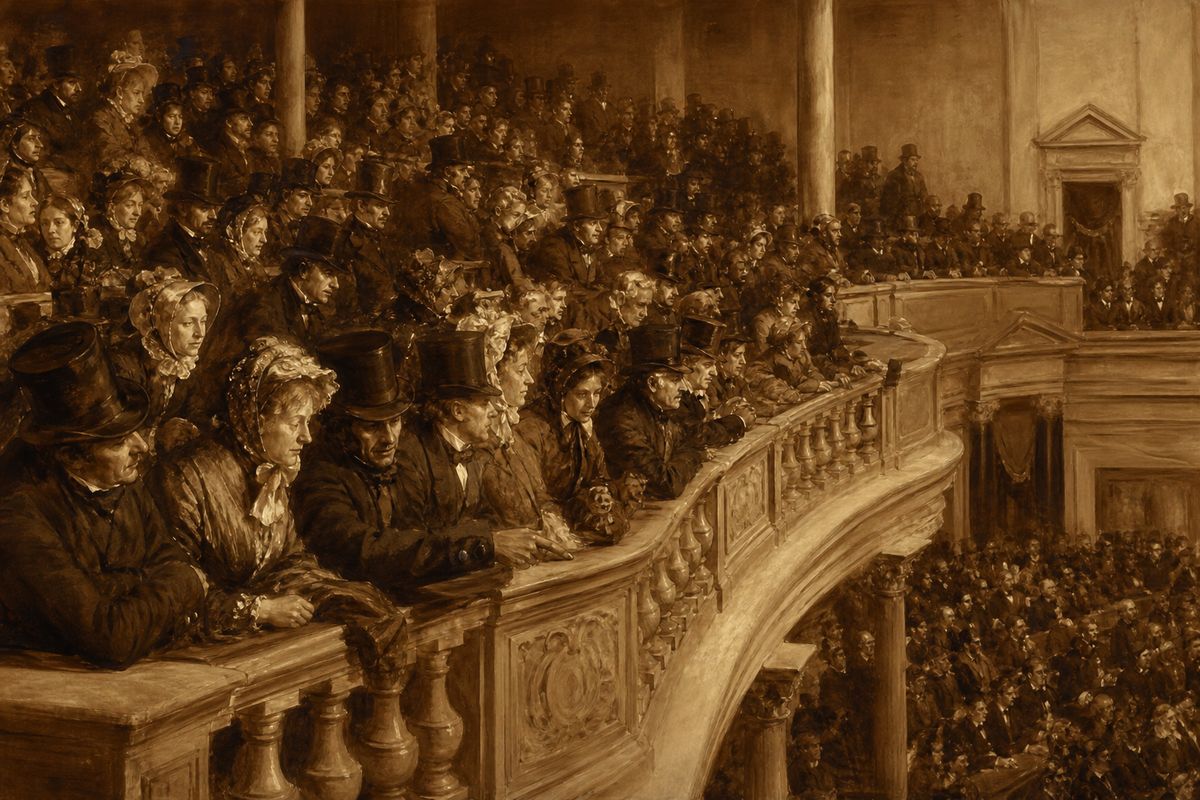
Washington, 1868 A packed public gallery leaning over a balcony rail. AI-generated still.
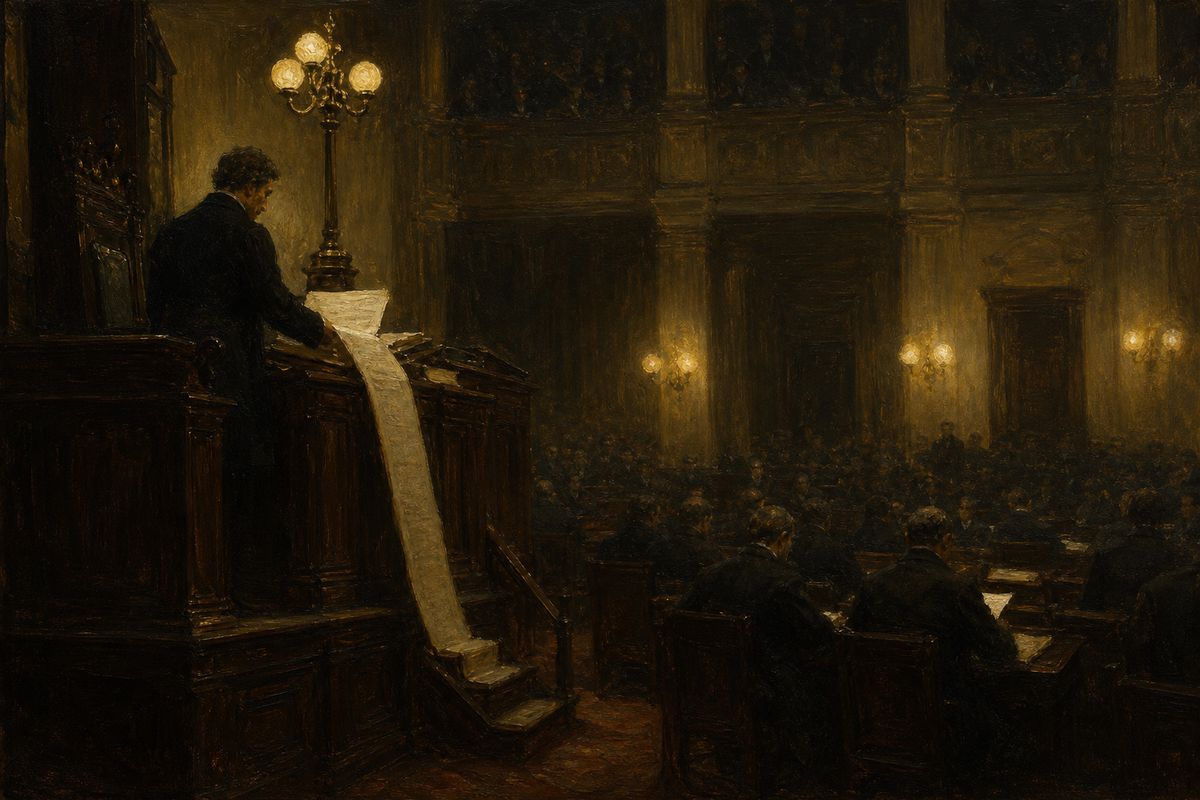
The roll call A clerk reads names from a ledger in a gaslit chamber. AI-generated still.
126–47
House votes to impeach
35–19
Senate, 16 May: one short of the 36 needed
Andrew Johnson, 1868
Chapter III · American trials

Andrew Johnson, by one vote

Johnson clashed with the Radical Republicans in Congress over Reconstruction and tried to remove Secretary of War Edwin Stanton without the Senate’s approval, in violation of the Tenure of Office Act. The House voted 126 to 47 to impeach him. On 16 May 1868 a test vote on the eleventh article produced 35 votes of guilty and 19 of not guilty; conviction needed 36. Johnson was acquitted and finished his term.

The 3D chambers, seats and flowcharts are simplified diagrams: each dot is one vote, not a real member.

Sources: FindLaw: Presidential impeachment cases (Johnson, Nixon, Clinton, Trump); US Senate: The Senate’s impeachment role

Richard Nixon was never impeached.

In 1974, over the Watergate scandal, a burglary at the Democratic Party's offices and its cover-up, a House committee, a smaller group of members who prepare its work, approved charges against him.

Before the full House could vote, he resigned, on 9 August 1974.

The threat of a trial can be enough, so resignations are part of this story too.

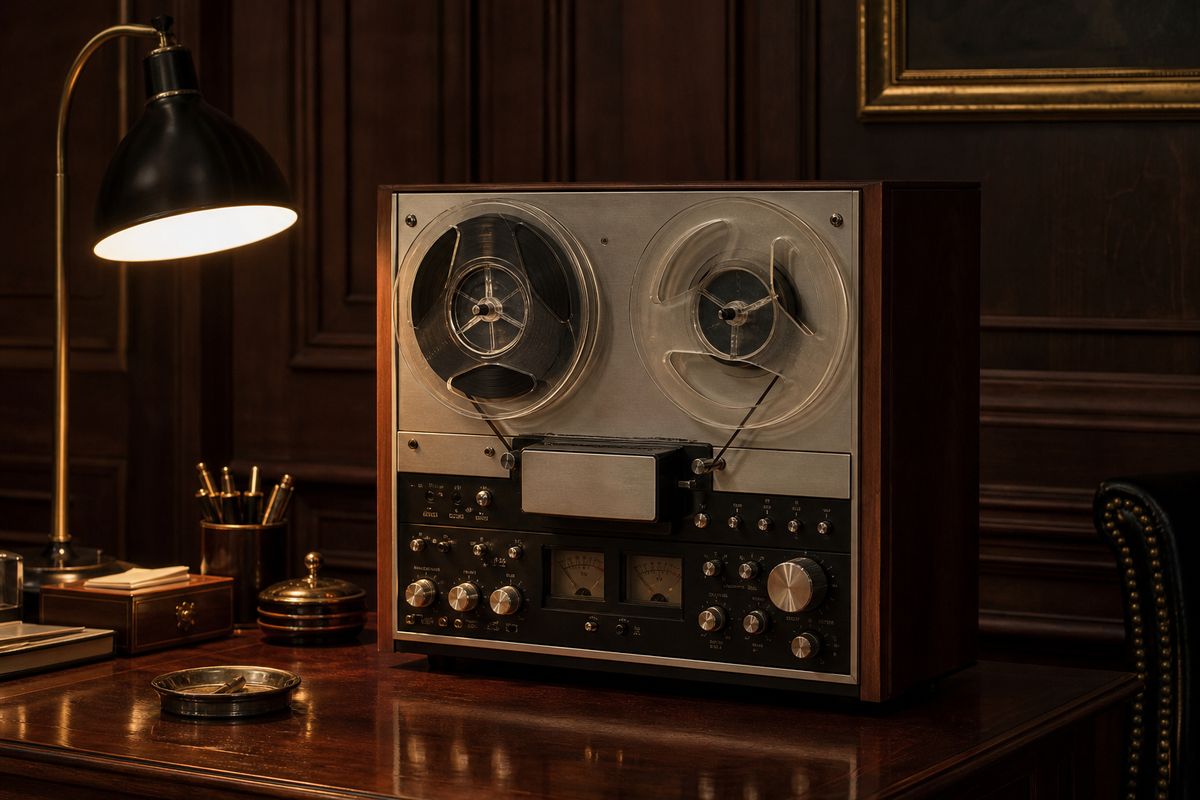
Watergate A 1970s reel-to-reel tape recorder on an office desk. AI-generated still.
9 August 1974 A helicopter waiting on a lawn at dawn. AI-generated still.
  • Obstruction of justice
  • Abuse of power
  • Contempt of Congress
Articles drafted by the House Judiciary Committee
Chapter III · American trials

Richard Nixon resigns

Nixon was linked to the Watergate break-in and its cover-up. The House Judiciary Committee drafted articles on obstruction of justice, abuse of power and contempt of Congress. Nixon resigned on 9 August 1974, before the full House voted, so he was never impeached.

The 3D chambers, seats and flowcharts are simplified diagrams: each dot is one vote, not a real member.

Sources: FindLaw: Presidential impeachment cases (Johnson, Nixon, Clinton, Trump)

Two presidents since have been impeached and acquitted. In 1998 the House charged Bill Clinton with perjury, lying under oath, and obstruction of justice.

In February 1999 only 45 senators voted to convict him of perjury.

Donald Trump was impeached twice: in 2019 over pressure on Ukraine, and in 2021, charged with inciting the attack on the Capitol.

The second time, 57 senators voted guilty, seven of them Republicans: ten short of two thirds.

Only eight officials have ever been convicted by the Senate, and all of them were judges.

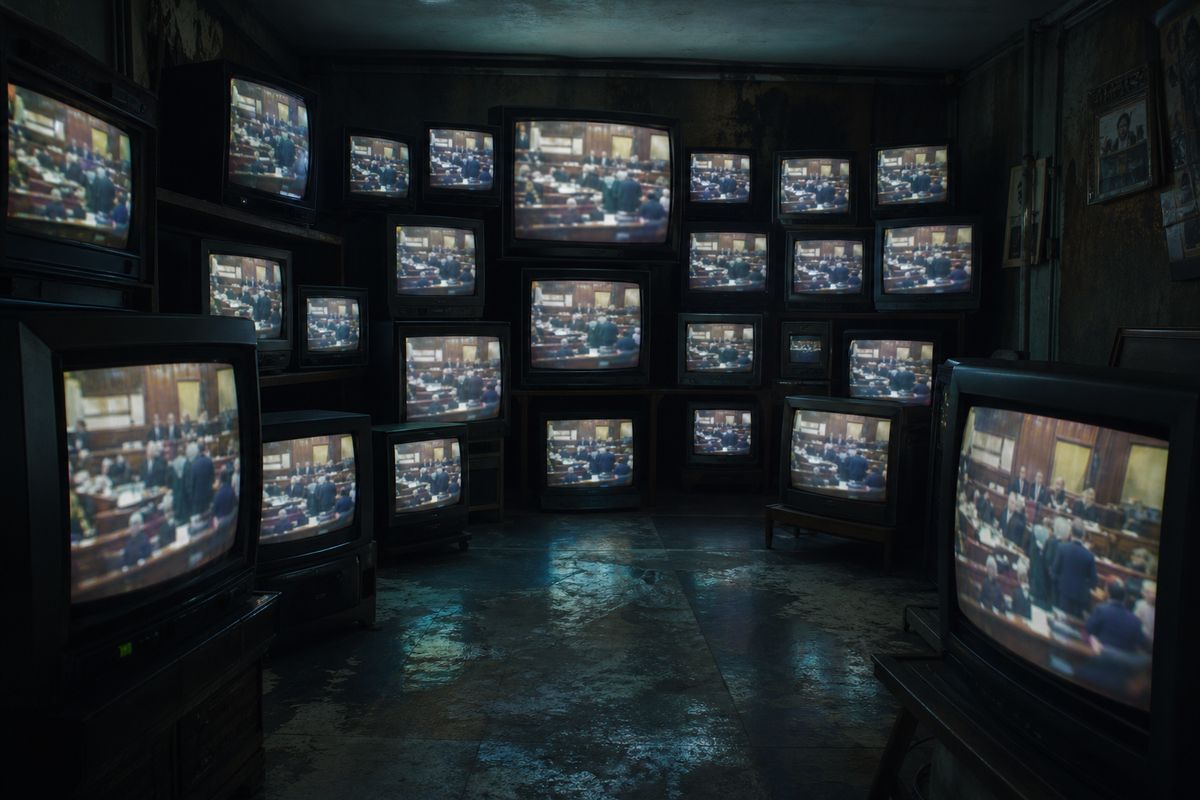
Trials on television A wall of 1990s TV sets showing the same chamber. AI-generated still.
45
guilty
55
not guilty: 45 Democrats and 10 Republicans
Bill Clinton, 12 Feb 1999 (perjury)
Clinton 199945
Trump 202048
Trump 202157
Needed67
Guilty votes in the Senate (highest article)
8
convictions, all of federal judges
0
presidents convicted
Senate verdicts since 1789 (US Senate list)
Chapter III · American trials

Clinton and Trump

The House impeached Bill Clinton for perjury and obstruction of justice; the Senate acquitted him on 12 February 1999, with 45 Democrats and 10 Republicans voting not guilty on perjury. Donald Trump was first impeached for abuse of power and obstruction of Congress over pressure on Ukraine; on 5 February 2020 the Senate acquitted him 52 to 48 and 53 to 47, with Mitt Romney the only Republican to vote guilty. His campaign said he was “totally vindicated”. Trump was impeached again in January 2021 for incitement of insurrection after the attack on the Capitol on 6 January; on 13 February 2021 57 senators, seven of them Republicans, voted to convict, ten short of two thirds. The Senate’s own list records eight guilty verdicts since 1789, all against federal judges.

The 3D chambers, seats and flowcharts are simplified diagrams: each dot is one vote, not a real member.

Sources: FindLaw: Presidential impeachment cases (Johnson, Nixon, Clinton, Trump); Statista: How the Senate voted in the Clinton and Trump impeachment trials; NPR (5 Feb 2020): Senate acquits Trump, with Romney as sole Republican voting guilty; US Senate: List of individuals impeached by the House and tried by the Senate

Cabinet ministers can be impeached too, but it is rare. The first was a secretary of war, William Belknap, in 1876.

In 2024 the House impeached Alejandro Mayorkas, the minister for homeland security, which covers borders and immigration, by 214 votes to 213.

The Senate dismissed both charges without a trial, voting that they did not meet the constitutional standard.

Hegseth would have been the third. Only one Republican, Massie himself, voted with the Democrats, and the charges went to committee.

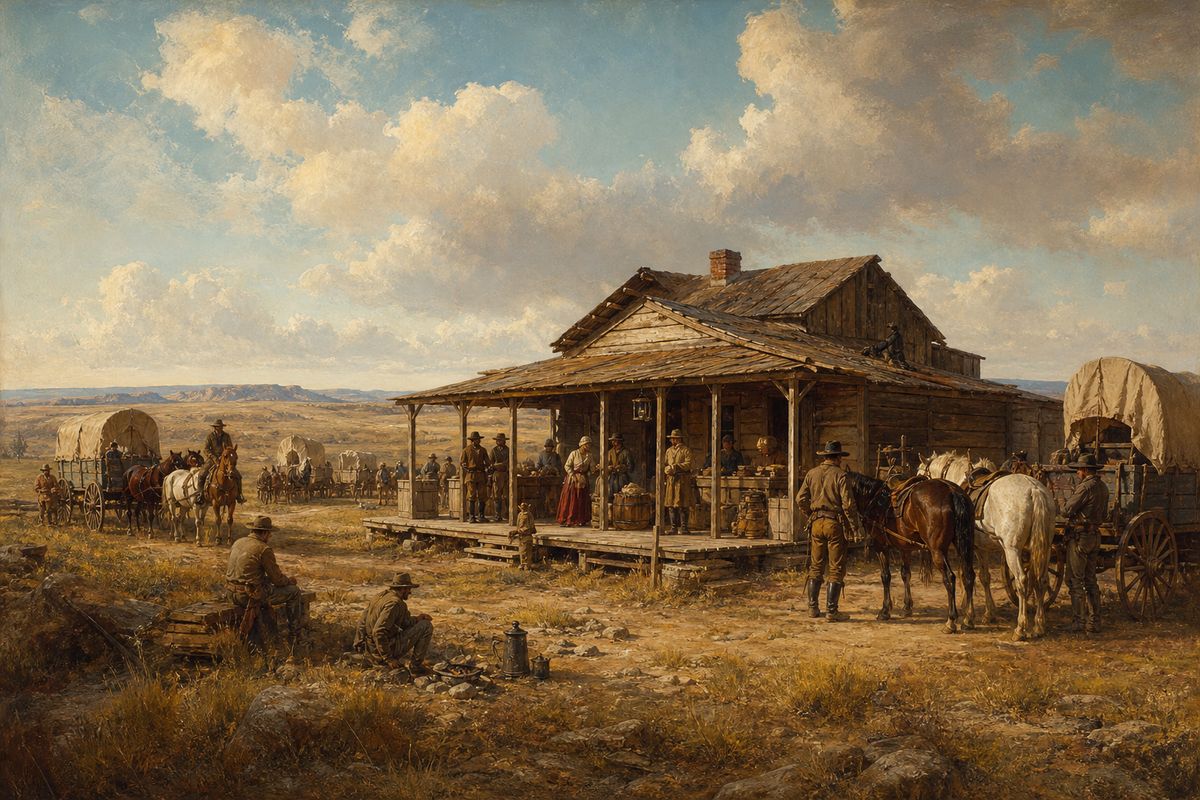
Belknap, 1876 A frontier trading post; Belknap was accused of kickbacks from one, and resigned hours before the House vote. AI-generated still.
Immigration, 2024 A steel border fence across desert hills at sunset. AI-generated still.
214–216
6 Feb: first House vote fails
214–213
13 Feb: impeached
51–48
17 Apr: Senate dismisses article 1
Alejandro Mayorkas, 2024
The Hegseth articles: shelved Grey warships in formation at dusk. AI-generated still.
Chapter III · American trials

Cabinet officers

William Belknap, President Grant’s secretary of war, was accused of collecting kickbacks from a man he had installed to run a military trading post; he rushed to the White House to resign, and the House impeached him later the same day. The Senate voted 37 to 29 that he could still be tried; a majority voted to convict, short of two thirds. In February 2024 a first House vote to impeach Alejandro Mayorkas, Secretary of Homeland Security, failed 214 to 216; on 13 February a second passed 214 to 213, on articles accusing him of wilfully refusing to comply with immigration law and of breaching public trust. On 17 April 2024 the Senate dismissed both articles on points of order, 51 to 48 and 51 to 49, on the ground that they did not allege conduct rising to high crimes or misdemeanors. Mayorkas was the first cabinet secretary impeached since Belknap. On 10 November 2026 the House voted 211 to 204 to refer the Hegseth resolution to the Judiciary Committee, with Massie the only Republican voting against; Reason reported that he had said on the floor that Hegseth would “remain a threat to the Constitution, if allowed to remain in office”.

The 3D chambers, seats and flowcharts are simplified diagrams: each dot is one vote, not a real member.

Sources: NPR (29 Jan 2021): There is precedent for trying a former government official, established 145 years ago (Belknap); US Senate: List of individuals impeached by the House and tried by the Senate; Wikipedia: Impeachment of Alejandro Mayorkas; CBS News (10 Nov 2026): House votes 211–204 to refer Massie’s Hegseth impeachment resolution to the Judiciary Committee; Reason (10 Nov 2026): Thomas Massie’s attempt to impeach Pete Hegseth is derailed
Chapter IV · A court decides

In South Korea, the judge is not a chamber of politicians but a court.

Impeaching a president takes two thirds of all 300 members of the National Assembly, and the president is suspended at once.

The Constitutional Court then decides. Six of its nine justices must agree to remove.

In 2004 the Assembly impeached Roh Moo-hyun over illegal electioneering, and the court reinstated him.

In 2017 it removed Park Geun-hye over a corruption scandal, eight to nothing.

In April 2025, with one of its nine seats empty, it removed Yoon Suk Yeol, eight to nothing, for briefly declaring martial law, rule by the army, in December 2024.

200 / 300
Assembly votes to impeach a president
6 / 9
Constitutional Court justices to remove
180 days
deadline for the court’s ruling
South Korea: Constitution Arts. 65, 113; Constitutional Court Act
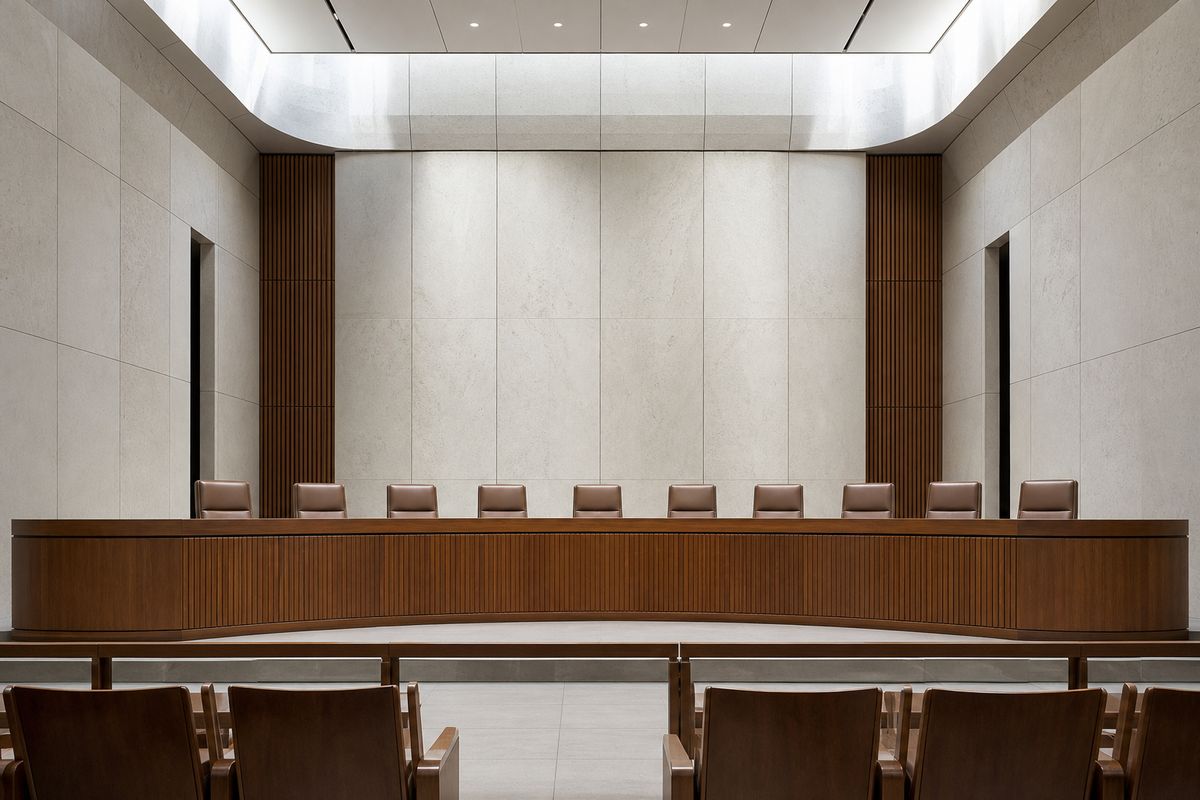
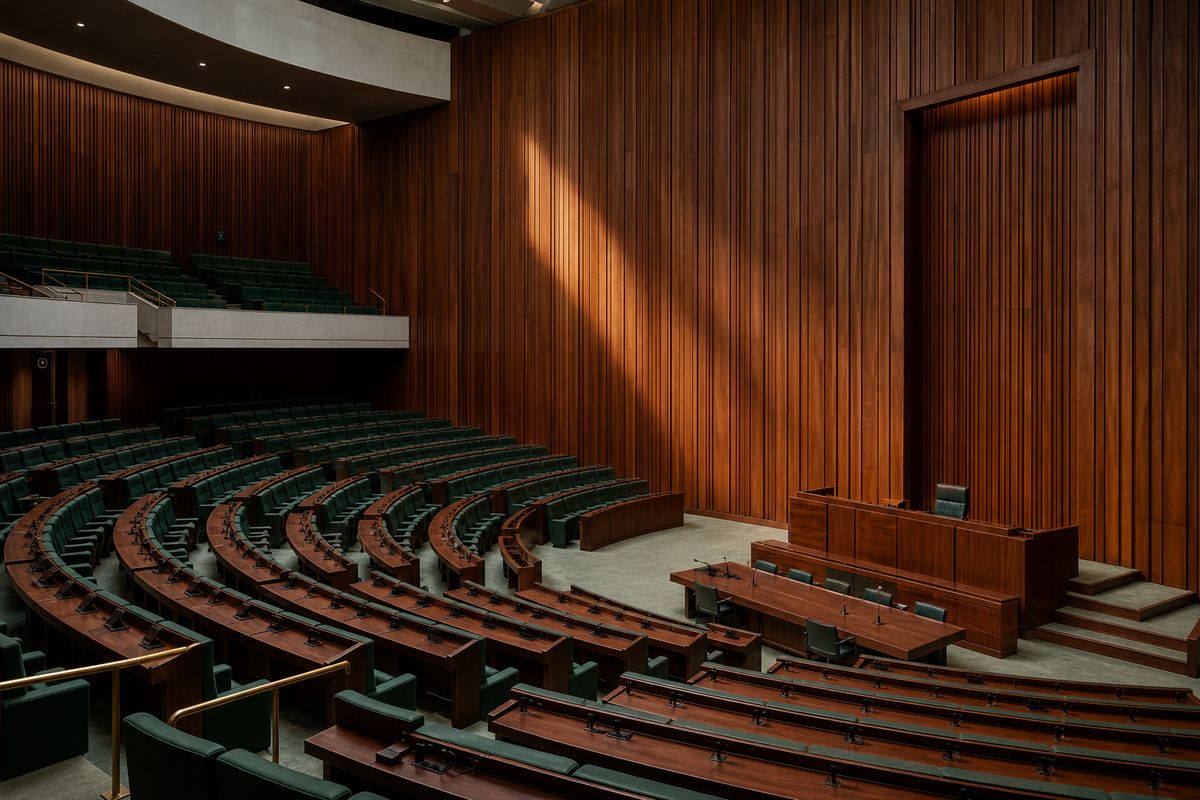
The Constitutional Court, Seoul Nine empty chairs behind a raised curved bench. AI-generated still.
  1. 2004 Roh: Assembly 193–2; court dismisses, he returns after 63 days
  2. 2016–17 Park: Assembly 234–56; court removes her 8–0, 10 Mar 2017
  3. 2024–25 Yoon: Assembly 204–85; court removes him 8–0, 4 Apr 2025
Three presidents, two outcomes
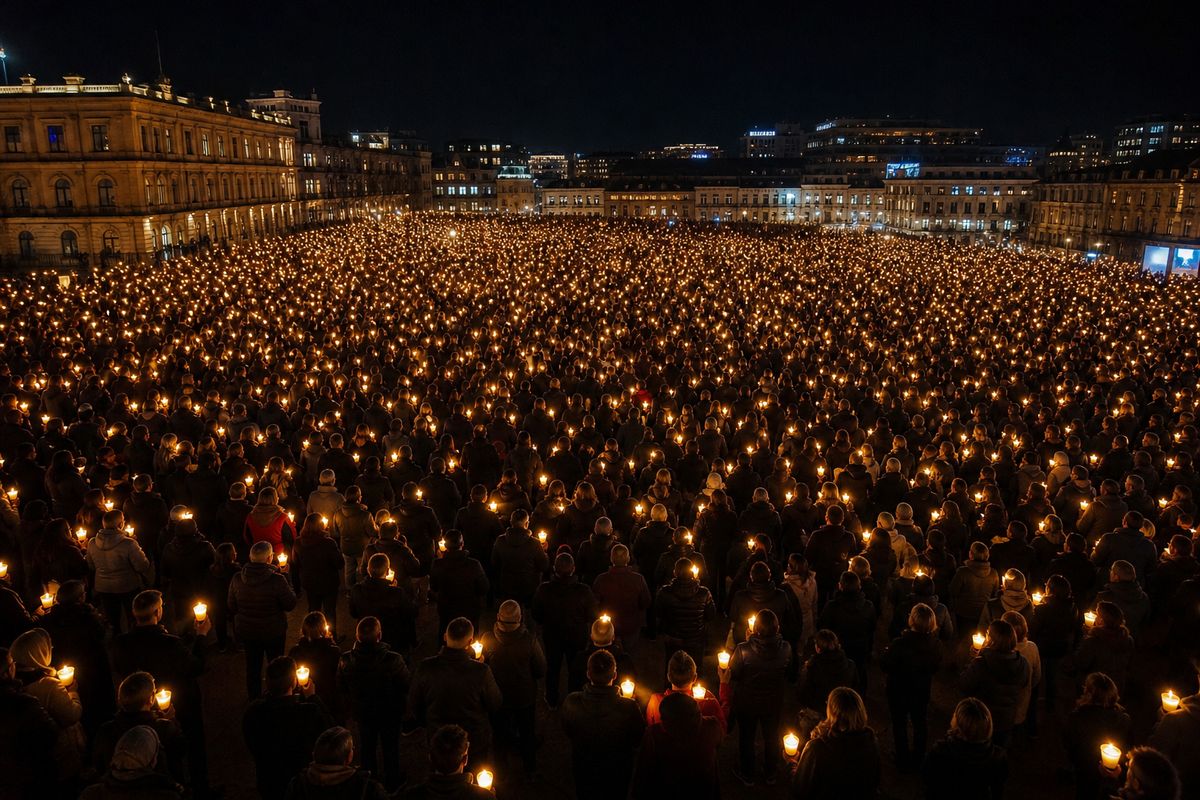
Seoul A square filled with tiny candle flames at night. AI-generated still.
Chapter IV · A court decides

When a court is the judge

Under Article 65 of South Korea’s Constitution, impeaching the president requires a motion proposed by a majority of all Assembly members and approved by at least two thirds of all members; other officials need a simple majority of all members. The impeached official is suspended until the Constitutional Court rules, which it must do within 180 days, with at least six of nine justices needed to uphold. Roh Moo-hyun was impeached on 12 March 2004 (193 to 2) over illegal electioneering; the court dismissed the case on 14 May and he returned after 63 days. Park Geun-hye was impeached on 9 December 2016 (234 to 56) over a scandal involving her friend Choi Soon-sil; the court removed her 8 to 0 on 10 March 2017, and her lawyer called it a “kangaroo court”. Yoon Suk Yeol was impeached on 14 December 2024 (204 to 85) after declaring martial law on 3 December; he accused the opposition of passing “unconstitutional bills”. In early 2025 only eight of the court’s nine seats were filled, because the acting president had not appointed a nominee. On 4 April 2025 the court removed Yoon 8 to 0, saying he had overstepped his authority by deploying troops; Yoon had denied the charges and said afterwards it had been “a great honour” to serve.

The 3D chambers, seats and flowcharts are simplified diagrams: each dot is one vote, not a real member.

Both removals were 8–0; the 3D bench shows eight lit seats.

Sources: Wikipedia: Impeachment in South Korea (Article 65, Constitutional Court, cases); The Korea Times (14 Dec 2024): Third Korean president impeached by National Assembly; Korea JoongAng Daily (4 Apr 2025): Yoon Suk Yeol ousted after unanimous Constitutional Court ruling; Al Jazeera (4 Apr 2025): South Korea’s President Yoon removed from office over martial law decree; PBS NewsHour (10 Mar 2017): Court removes South Korean president from office over corruption scandal; The Korea Times (27 Feb 2025): Constitutional Court rules acting president cannot delay appointment of remaining justice nominee (eight of nine seats filled)

Chapter V · Fast and slow

In Brazil the Senate judges, with the head of the Supreme Court presiding. Removal takes fifty-four of its eighty-one senators.

In 1992 Fernando Collor, accused of corruption, resigned as the Senate opened its final session, and was banned from office for eight years anyway.

In 2016 the Senate removed Dilma Rousseff, 61 to 20, for breaking budget laws, not for personal corruption.

She said the senators had thrown away the 54 million votes that elected her. Her successor, Michel Temer, rejected her side's claim of a coup.

Brasília A modernist chamber with a sweep of green seats. AI-generated still.
441–38
Chamber of Deputies votes to try him, 29 Sep
76–3
Senate, 30 Dec, after he resigned
2014
Supreme Court acquits him in a criminal case, for lack of evidence
Fernando Collor, 1992 (Rádio Senado)
Budget decrees Budget ledgers, a calculator and reading glasses. AI-generated still.
“Sixty-one men, many of them charged and corrupt, threw 54 million Brazilian votes in the garbage.”Dilma Rousseff, 31 August 2016, as reported by The Washington Times
Chapter V · Fast and slow

Brazil

On 29 September 1992 Brazil’s Chamber of Deputies voted 441 to 38 to open impeachment proceedings against Fernando Collor, after a congressional inquiry into irregular payments linked to his campaign treasurer. He resigned on 29 December, the day of the Senate’s final judgment; early on 30 December the Senate voted 76 to 3 and barred him from public office for eight years. On 24 April 2014 the Supreme Federal Court acquitted him, for lack of evidence, in a criminal case (AP 465) on charges of corruption, embezzlement and false statements. On 31 August 2016, in a trial presided over by Supreme Court president Ricardo Lewandowski, the Senate voted 61 to 20, where 54 of 81 votes were needed, to remove Dilma Rousseff for supplementary credit decrees issued without Congress’s authorisation and for delayed payments to a state bank, which the Senate held broke budget laws. In a separate vote, 42 to 36, she kept the right to hold office. Rousseff said the senators had “thrown 54 million Brazilian votes in the garbage”, her 2014 vote; her successor Michel Temer rejected the claim that it was a coup.

The 3D chambers, seats and flowcharts are simplified diagrams: each dot is one vote, not a real member.

Sources: Rádio Senado (25 Aug 2016): Esta é a segunda vez na história que o Senado opina sobre um processo de impeachment (Collor, 1992); Supremo Tribunal Federal (24 Apr 2014): STF absolve ex-presidente Fernando Collor (AP 465); Agência Senado (31 Aug 2016): Dilma Rousseff perde o mandato e Temer é confirmado presidente; The Washington Times (31 Aug 2016): Dilma Rousseff booted as Brazil president

Paraguay's Congress can remove a president for poor performance of duties, with two thirds in each house.

In June 2012, after a land eviction in which 17 people died, it removed Fernando Lugo in about thirty hours, by 76 to 1 and then 39 to 4.

Lugo called it a parliamentary coup. His successor said there was no coup, the Supreme Court upheld it, and the Mercosur trade bloc suspended Paraguay.

This month Peña was accused of conflicts of interest, and of letting state pension money pile up in Ueno Bank beyond legal limits.

He resigned in the middle of the debate, but Congress never voted to accept it, so the trial went on: all 78 deputies present, then 44 of 45 senators.

His lawyers said he was denied a fair procedure. He is under house arrest while prosecutors investigate: accused, not convicted.

Eastern Paraguay, 2012 Red-earth farmland at a forest edge under low cloud. AI-generated still.
  1. 21 Jun 2012 Lugo: Chamber 76–1 (54 needed)
  2. 22 Jun 2012 Lugo: Senate 39–4 (30 needed)
  3. 5 Nov 2026 Peña: Chamber 78 votes, all present
  4. 6 Nov 2026 Peña: Senate 44 of 45; Pedro Alliana sworn in
Two removals, side by side
Asunción, 2026 A riverside city at dusk, its lights coming on. AI-generated still.
  • Under 12 hours to answer a 15-page accusation with about 300 pages of annexes, which his written request said violated due process
  • No illegal order or decision by the president was identified
  • He calls the bank’s failure a regulatory issue
Peña’s defence, in its own terms
Chapter V · Fast and slow

Paraguay, 2012 and 2026

On 15 June 2012 a police eviction of landless farmers at Curuguaty turned violent; six police officers and eleven farmers died. On 21 June the Chamber of Deputies voted 76 to 1 to begin impeachment under Article 225 of the Constitution, where 54 of 80 votes were needed; on 22 June the Senate voted 39 to 4, where 30 of 45 were needed, to remove Fernando Lugo for poor performance of his duties. Lugo said he had about two hours to prepare a defence; he accepted the decision but called it an “express coup d’état”. His successor, Federico Franco, said “there is no coup nor institutional breakdown”, and on 25 June the Supreme Court and the electoral court endorsed the removal. On 29 June Mercosur and UNASUR suspended Paraguay until the April 2013 elections. In 2026, by a resolution dated 2 November, the Central Bank took over Ueno Bank and froze its deposits. On 5 November the Chamber of Deputies approved the accusation against Santiago Peña with 78 votes, citing a conflict of interest over Ueno Holding, the appointment of a former Ueno executive to head the Central Bank, and Social Security Institute funds held in the bank above legal limits; it rejected impeachment of Vice-President Pedro Alliana 48 to 30. Peña announced his resignation in a recorded message during the session; ruling-party deputies broke the quorum of the joint session, so it was never accepted. On 6 November the Senate rejected his written request for 72 more hours (39 to 3), which said that under 12 hours to answer a 15-page accusation with about 300 pages of annexes violated due process, and removed him with 44 votes. His lawyers argued that the accusation identified no illegal order or decision by the president and that banking supervision belonged to the Central Bank and pension boards. That evening prosecutors ordered his detention on suspicion of breach of trust and placed him under house arrest; charges are still being determined. Peña denies wrongdoing and calls the affair a regulatory issue.

Santiago Peña has been removed from office by Paraguay’s Senate, a political verdict. Prosecutors placed him under house arrest while they investigate; he denies wrongdoing and has not been convicted of any crime.

The 3D chambers, seats and flowcharts are simplified diagrams: each dot is one vote, not a real member.

Sources: Wikipedia: Impeachment of Fernando Lugo; AS/COA: Resource guide, Paraguay’s presidential impeachment (2012); Cámara de Diputados del Paraguay (5 Nov 2026): Diputados aprueba juicio político al presidente de la República, Santiago Peña; ABC Color (4–5 Nov 2026): Cronología de una crisis, de la caída de Ueno Bank a la renuncia y el juicio político a Peña; ABC Color (6 Nov 2026): Cronología del juicio político, destitución de Santiago Peña y asunción de Alliana; La Estrella de Panamá (6 Nov 2026): Senado de Paraguay destituye a Santiago Peña con 44 votos tras la caída de Ueno Bank; La República (5–6 Nov 2026): Crisis en Paraguay, renuncia de Santiago Peña, juicio político y asunción de Pedro Alliana; N+ (6 Nov 2026): Fiscalía de Paraguay ordena la detención de Santiago Peña; permanecerá en su domicilio; bdnews24 / AP (7 Nov 2026): Ousted Paraguayan president Peña placed under house arrest

Until July 2026, Peru's single-chamber Congress could simply declare the presidency vacant for permanent moral incapacity, with 87 of its 130 votes.

Critics call the phrase vague. Congress removed Dina Boluarte that way in October 2025; her lawyers said she had no time to defend herself.

Since July 2026, Peru's Congress has two chambers.

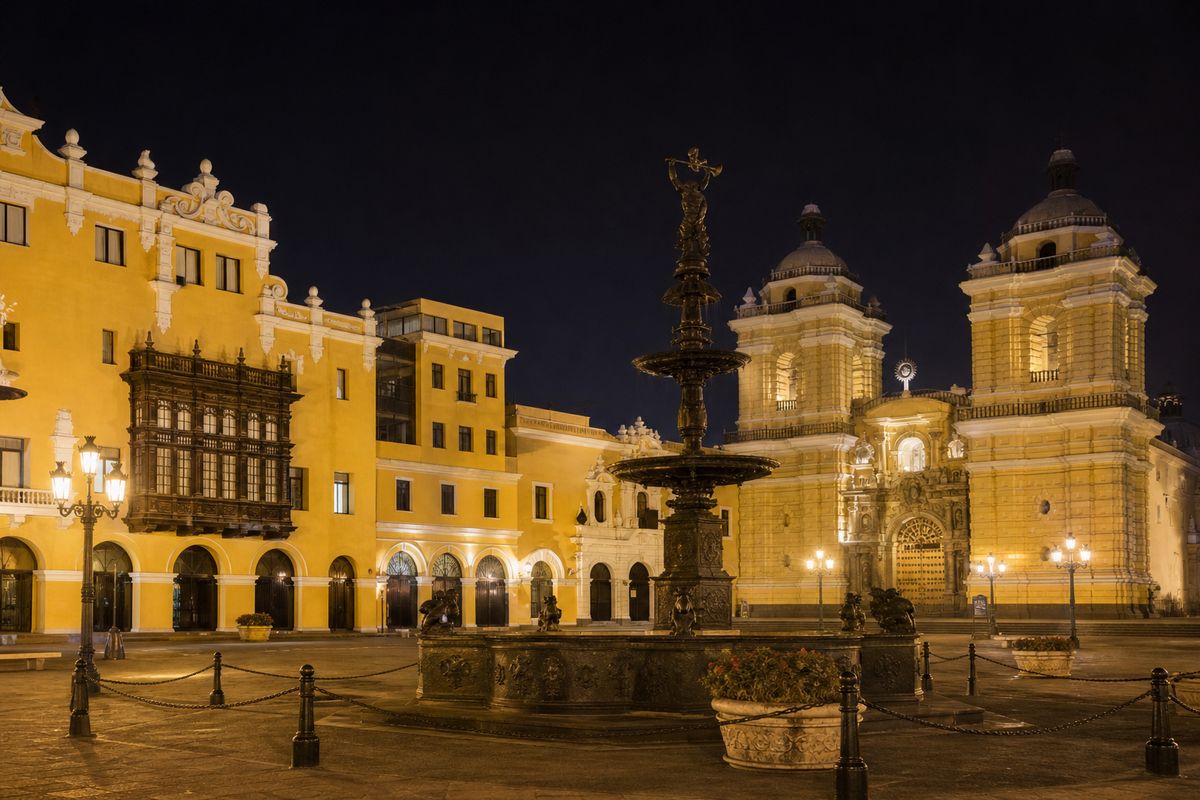
Lima A colonial plaza at night, yellow facades and wooden balconies. AI-generated still.
122
votes for vacancy, on grounds of “permanent moral incapacity”
87
votes needed
7th
president since 2016: José Jerí
Dina Boluarte, 10 October 2025 (Anadolu)
60
senators
130
deputies
Peru’s new Congress, installed 24 July 2026 (El Peruano)
Chapter V · Fast and slow

Peru’s vacancy

Article 113 of Peru’s Constitution lists the grounds on which the presidency becomes vacant, among them “permanent moral or physical incapacity declared by Congress”. Directorio Legislativo describes the moral-incapacity clause as a vaguely defined political control tool that is easy to trigger. Congress used it to remove Martín Vizcarra in 2020, amid corruption allegations; Pedro Castillo was removed and arrested in December 2022 after attempting to dissolve Congress. In the early hours of 10 October 2025 the then single-chamber Congress removed Dina Boluarte with 122 votes, where 87 were required, declaring her unfit for office for “permanent moral incapacity”; Anadolu notes her term had been marked by unrest and an unprecedented surge in organised crime. She did not appear; her lawyer said Congress had denied her time to prepare a defence, writing “Due process is a right, not an illusion”. José Jerí, the president of Congress, was sworn in as the seventh president since 2016. On 24 July 2026 Peru installed a bicameral Congress of 60 senators and 130 deputies.

The 3D chambers, seats and flowcharts are simplified diagrams: each dot is one vote, not a real member.

Sources: Directorio Legislativo: Motion of vacancy, the Peruvian Congress mechanism to remove presidents; Anadolu Agency (10 Oct 2025): Peruvian Congress ousts President Boluarte, marking seventh leader since 2016; El Peruano (25 Jul 2026): Instalan el Congreso bicameral

Chapter VI · Thailand

Thailand has tried both routes. Under its 1997 and 2007 constitutions, the Senate could remove officials after the anti-corruption commission investigated.

No Senate removal vote ever reached the bar.

After the 2014 coup, the military government replaced the Senate with an appointed National Legislative Assembly.

In 2015 it removed Yingluck Shinawatra, already ousted as prime minister by the Constitutional Court, over the rice-pledging scheme.

The vote was 190 to 18, with a five-year ban from politics. She said she was confident she was innocent.

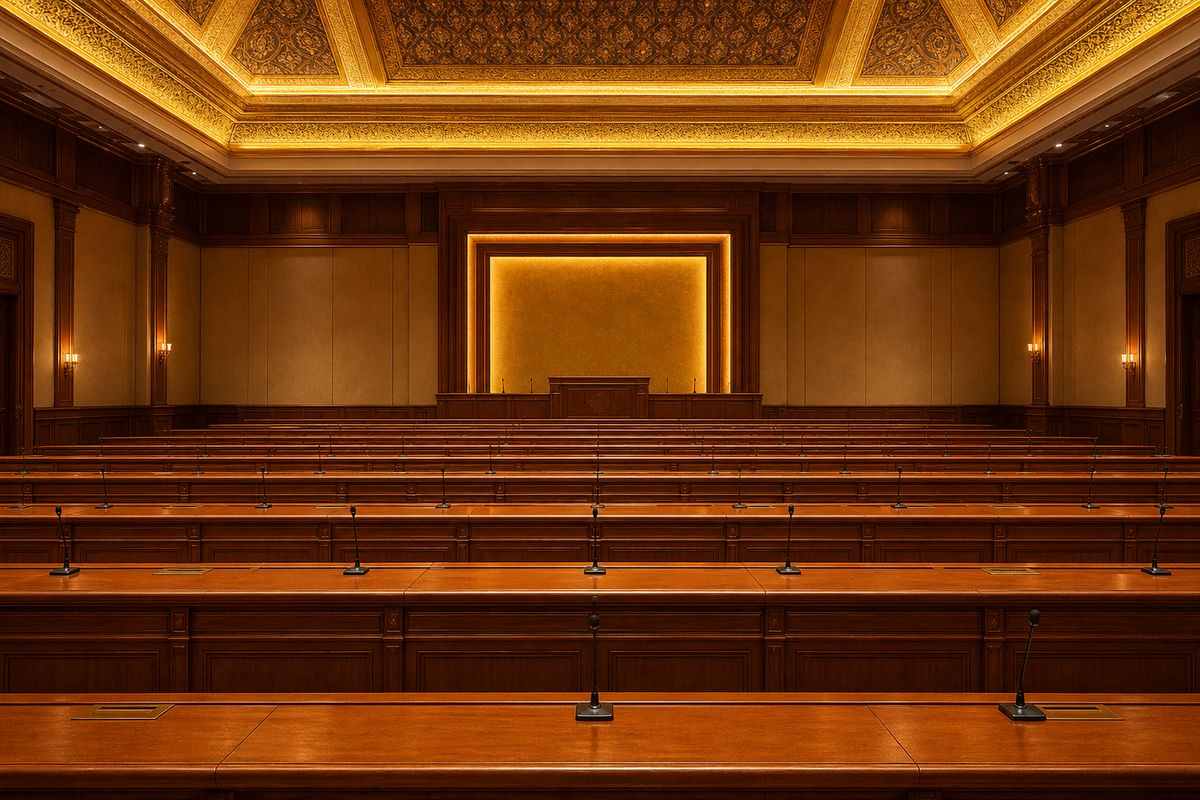
The Senate route Rows of empty desks and microphones in a gilded hall. AI-generated still.
31
under the 1997 charter: none reached a vote
74
under the 2007 charter: 6 voted on, none passed
Removal petitions to the Senate (ThaiPublica)
The rice-pledging scheme A warehouse stacked high with rice sacks. AI-generated still.
“I am confident that I am innocent.”Yingluck Shinawatra, January 2015, as reported by the Bangkok Post
Chapter VI · Thailand

Thailand’s Senate route

Under the 1997 and 2007 constitutions, removal petitions went to the Senate; the National Anti-Corruption Commission (NACC) examined and investigated them, and the Senate voted. ThaiPublica counts 31 petitions under the 1997 charter, none of which reached a vote, and 74 under the 2007 charter, of which six reached a Senate vote and none reached the required threshold. After coups, the appointed National Legislative Assembly (NLA) sat in the Senate’s place and did remove officials. On 23 January 2015 it voted 190 to 18, with 8 abstentions, to impeach Yingluck Shinawatra, ousted from office by the Constitutional Court in May 2014, for allegedly failing to stop corruption in the rice-pledging scheme, which the NACC said cost 500 billion baht; she was banned from politics for five years. Yingluck said she was “confident that I am innocent”, would “fight on until the end to prove my innocence”, and that the proceedings had stripped her of rights a Thai citizen deserves. The NLA’s last removal vote was against Surapong Tovichakchaikul (231 to 4); the 2017 constitution then moved removal to the courts.

The 3D chambers, seats and flowcharts are simplified diagrams: each dot is one vote, not a real member.

Sources: ThaiPublica (Nov 2016): ปิดฉากยกมือ “ถอดถอน” ในสภาสูง ก่อนโอนอำนาจให้ “ศาล” ตามรัฐธรรมนูญใหม่; Khaosod English (23 Jan 2015): Junta’s legislature votes overwhelmingly to impeach former PM Yingluck; Bangkok Post (Jan 2015): Yingluck vows fight for justice

Since the 2017 constitution, the courts have taken over. The Constitutional Court can remove a prime minister for breaching ethical standards.

In August 2024, on a petition from 40 senators, it removed Srettha Thavisin, five to four, for appointing a minister who had once been jailed for contempt of court.

In August 2025 it removed Paetongtarn Shinawatra, six to three, over a leaked phone call with Cambodia's former leader Hun Sen. She said she had acted for the country, not for personal gain.

Bangkok The Chao Phraya at dusk, temple spires and towers. AI-generated still.
40
senators petitioned the court
6 months
the minister’s 2008 jail term for contempt of court
How the Srettha case began
5–4
Srettha Thavisin, 14 Aug 2024
6–3
Paetongtarn Shinawatra, 29 Aug 2025
5th
prime minister removed by the court since 2008 (Al Jazeera)
Constitutional Court rulings
A leaked call A smartphone glowing face-up on a dark desk. AI-generated still.
Chapter VI · Thailand

Thailand’s court route

Under the 2017 constitution the NACC investigates; serious ethics violations go to the Supreme Court, and other offences, through the Attorney-General, to its Criminal Division for Holders of Political Positions; the Senate no longer votes on removal. The Constitutional Court rules separately on whether ministers meet the constitution’s ethical standards. On 14 August 2024, on a petition from 40 senators, it voted 5 to 4 that Srettha Thavisin’s appointment of Pichit Chuenban, who had been jailed for six months in 2008 for contempt of court, fell short of those standards; Srettha said he respected the verdict and had “tried with good intentions to lead the country with honesty”. On 29 August 2025 it removed Paetongtarn Shinawatra 6 to 3 over a leaked phone call with Hun Sen during a border conflict, finding that she had put personal interests ahead of the nation’s; she said “my intentions were for the benefit of the country, not for personal gain”. Al Jazeera counts her as the fifth prime minister the court has removed since 2008.

The 3D chambers, seats and flowcharts are simplified diagrams: each dot is one vote, not a real member.

A removal by Thailand’s Constitutional Court is not called impeachment in Thai law; it is shown here as a related mechanism.

Sources: ThaiPublica (Nov 2016): ปิดฉากยกมือ “ถอดถอน” ในสภาสูง ก่อนโอนอำนาจให้ “ศาล” ตามรัฐธรรมนูญใหม่; Al Jazeera (14 Aug 2024): Thai court orders dismissal of Prime Minister Srettha Thavisin; Al Jazeera (29 Aug 2025): Thai court removes Prime Minister Paetongtarn Shinawatra from office

Epilogue

Side by side, every system settles the same things: who accuses, who judges, and where the bar sits.

A legislature that can remove a leader in two days can act fast, and can also be accused of acting too fast.

A court adds legal reasoning; critics answer that unelected judges then remove elected leaders.

Each design is a bet on whom to trust with the hardest vote a democracy can take. Whom would you trust?

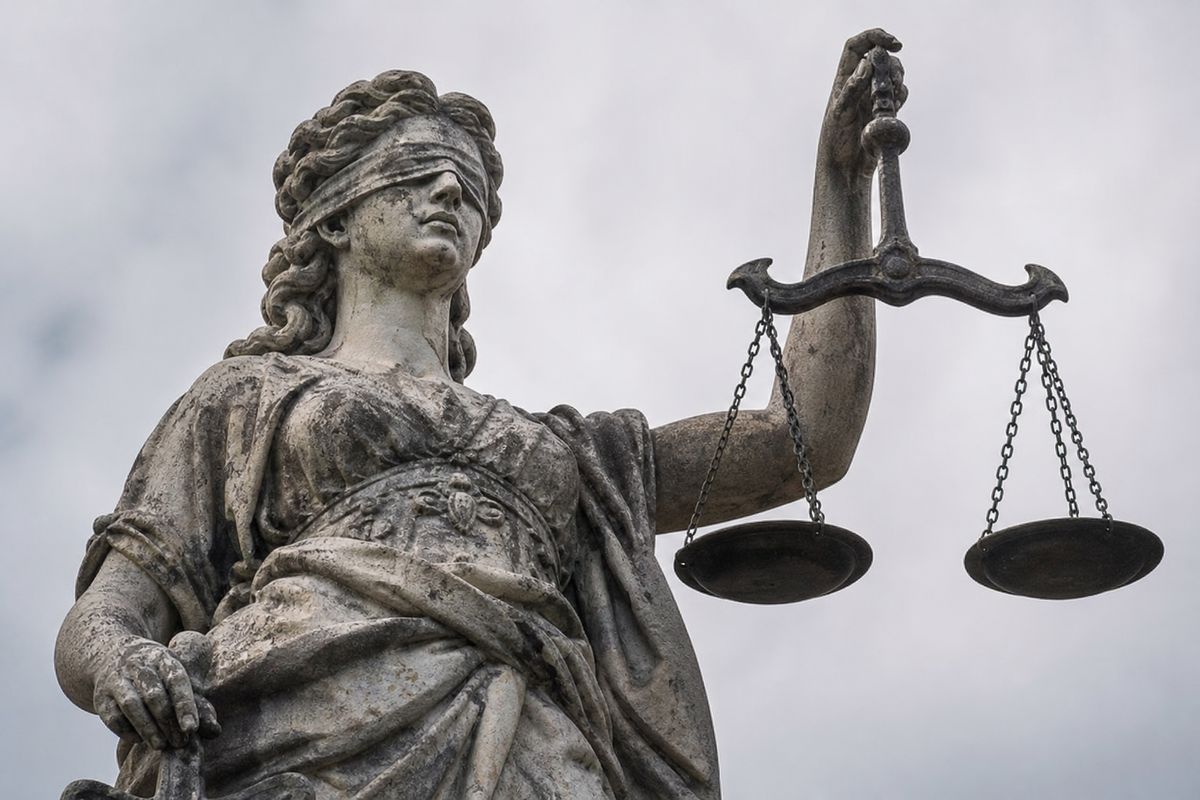
The balance A weathered marble figure of Justice in fog. AI-generated still.
  1. 1376 England: Commons accuse, Lords judge
  2. 1787 US: House majority, Senate two thirds
  3. 1868 Johnson survives by one vote
  4. 2012 Paraguay removes Lugo in about 30 hours
  5. 2017 Korea’s court removes Park 8–0
  6. 2025 Korea: Yoon; Peru: Boluarte; Thailand: Paetongtarn
  7. 2026 Paraguay removes Peña; Hegseth articles shelved 211–204
In this film
Senate
US, Brazil, Paraguay
Court
South Korea; Thailand’s ethics cases
Same chamber
Peru’s vacancy, until July 2026
Who judges
The hardest vote A dark chamber, a few desk lights glowing like votes. AI-generated still.
Epilogue · Sources

Sources

Every fact in this film comes from the sources below. Contested cases are given in each side’s own words, attributed. Santiago Peña has been removed by Paraguay’s Senate and is under house arrest while prosecutors investigate, but has not been convicted of any crime. The articles against Pete Hegseth were referred to committee on 10 November 2026 and were not voted on by the full House. Vote counts are as reported by official bodies and news agencies. Thai dates are given in the Common Era (ค.ศ.). The chapter stills and pictures are AI-generated artist’s impressions; they show no real people, rooms, documents or events. The chambers, seats and flowcharts in 3D are simplified teaching diagrams.

Sources: CBS News (9 Nov 2026): Massie introduces eight articles of impeachment against Defense Secretary Pete Hegseth, teeing up a House vote; ABC News (10 Nov 2026): Defiant Hegseth blasts impeachment effort as “political spectacle”; CBS News (10 Nov 2026): House votes 211–204 to refer Massie’s Hegseth impeachment resolution to the Judiciary Committee; Deseret News (10 Nov 2026): House sends articles of impeachment against Pete Hegseth to committee, 211–204; Reason (10 Nov 2026): Thomas Massie’s attempt to impeach Pete Hegseth is derailed; NBC DFW (10 Nov 2026): House voting on Hegseth impeachment resolution (procedural vote to block it or send it to committee); House Republican Cloakroom: Vote Series I, Tuesday 10 November 2026 (motion to refer the resolution impeaching Peter Brian Hegseth); Cámara de Diputados del Paraguay (5 Nov 2026): Diputados aprueba juicio político al presidente de la República, Santiago Peña; ABC Color (4–5 Nov 2026): Cronología de una crisis, de la caída de Ueno Bank a la renuncia y el juicio político a Peña; ABC Color (6 Nov 2026): Cronología del juicio político, destitución de Santiago Peña y asunción de Alliana; La Estrella de Panamá (6 Nov 2026): Senado de Paraguay destituye a Santiago Peña con 44 votos tras la caída de Ueno Bank; La República (5–6 Nov 2026): Crisis en Paraguay, renuncia de Santiago Peña, juicio político y asunción de Pedro Alliana; N+ (6 Nov 2026): Fiscalía de Paraguay ordena la detención de Santiago Peña; permanecerá en su domicilio; bdnews24 / AP (7 Nov 2026): Ousted Paraguayan president Peña placed under house arrest; Encyclopaedia Britannica: Impeachment; The National Archives (UK) blog: The Good Parliament of 1376; History of Parliament: Impeachments and the British Parliament; National Constitution Center: Article II, Section 4, interpretation and debate; US Senate: The Senate’s impeachment role; US Senate: List of individuals impeached by the House and tried by the Senate; FindLaw: Presidential impeachment cases (Johnson, Nixon, Clinton, Trump); Statista: How the Senate voted in the Clinton and Trump impeachment trials; NPR (5 Feb 2020): Senate acquits Trump, with Romney as sole Republican voting guilty; NPR (29 Jan 2021): There is precedent for trying a former government official, established 145 years ago (Belknap); Wikipedia: Impeachment of Alejandro Mayorkas; Wikipedia: Impeachment in South Korea (Article 65, Constitutional Court, cases); The Korea Times (14 Dec 2024): Third Korean president impeached by National Assembly; Korea JoongAng Daily (4 Apr 2025): Yoon Suk Yeol ousted after unanimous Constitutional Court ruling; Al Jazeera (4 Apr 2025): South Korea’s President Yoon removed from office over martial law decree; PBS NewsHour (10 Mar 2017): Court removes South Korean president from office over corruption scandal; The Korea Times (27 Feb 2025): Constitutional Court rules acting president cannot delay appointment of remaining justice nominee (eight of nine seats filled); Agência Senado (31 Aug 2016): Dilma Rousseff perde o mandato e Temer é confirmado presidente; Rádio Senado (25 Aug 2016): Esta é a segunda vez na história que o Senado opina sobre um processo de impeachment (Collor, 1992); Supremo Tribunal Federal (24 Apr 2014): STF absolve ex-presidente Fernando Collor (AP 465); The Washington Times (31 Aug 2016): Dilma Rousseff booted as Brazil president; Wikipedia: Impeachment of Fernando Lugo; AS/COA: Resource guide, Paraguay’s presidential impeachment (2012); Anadolu Agency (10 Oct 2025): Peruvian Congress ousts President Boluarte, marking seventh leader since 2016; Directorio Legislativo: Motion of vacancy, the Peruvian Congress mechanism to remove presidents; El Peruano (25 Jul 2026): Instalan el Congreso bicameral; ThaiPublica (Nov 2016): ปิดฉากยกมือ “ถอดถอน” ในสภาสูง ก่อนโอนอำนาจให้ “ศาล” ตามรัฐธรรมนูญใหม่; Khaosod English (23 Jan 2015): Junta’s legislature votes overwhelmingly to impeach former PM Yingluck; Bangkok Post (Jan 2015): Yingluck vows fight for justice; Al Jazeera (14 Aug 2024): Thai court orders dismissal of Prime Minister Srettha Thavisin; Al Jazeera (29 Aug 2025): Thai court removes Prime Minister Paetongtarn Shinawatra from office