In November 2026 the UN and aid groups warned that siege, road closures and a lack of safe water in the Yemeni city of Taiz were raising the risk of cholera. This film explains the disease: the comma-shaped bacterium Vibrio cholerae, how it travels from faeces into drinking water, how its toxin jams a switch in gut cells so that chloride, sodium and water pour out, and why that can kill within hours. It follows John Snow's map of the 1854 Broad Street outbreak and his comparison of two London water companies, the discovery of oral rehydration solution, the seven cholera pandemics since 1817, and how clean water, sewers and vaccines keep it away.
Interactive 3D film10 min1817 to 2026Published 19 November 2026
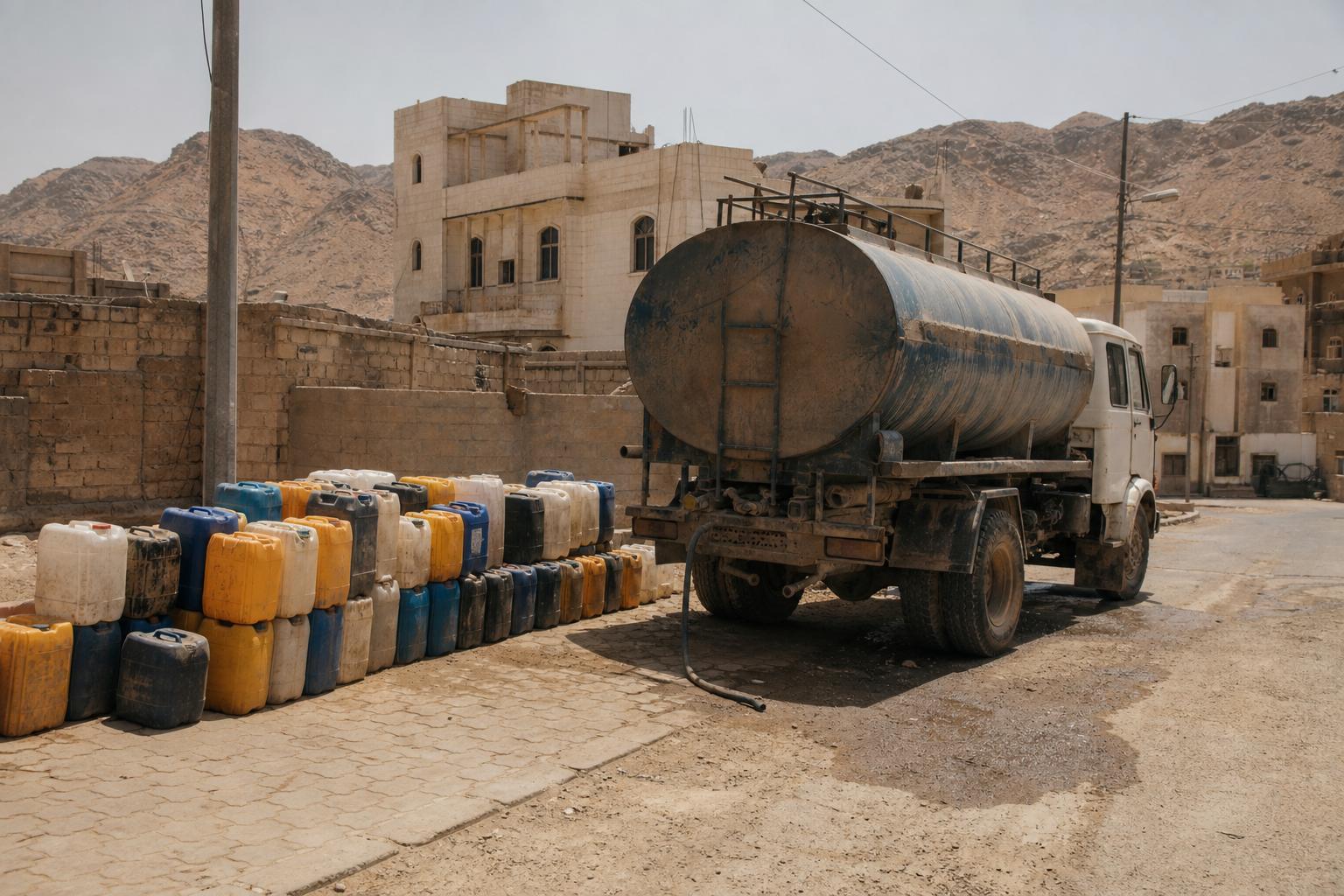
In the Yemeni city of Taiz, the United Nations says water supplies now cover only about eight percent of what people need.
Aid groups warn that the siege, closed roads and unsafe water raise the risk of cholera, acute diarrhoea and dengue.
In four recent weeks, officials there recorded over five thousand cases of acute watery diarrhoea and 182 suspected cases of cholera.
~8%
of water needs met, according to the UN
~2 million
people living in the besieged city
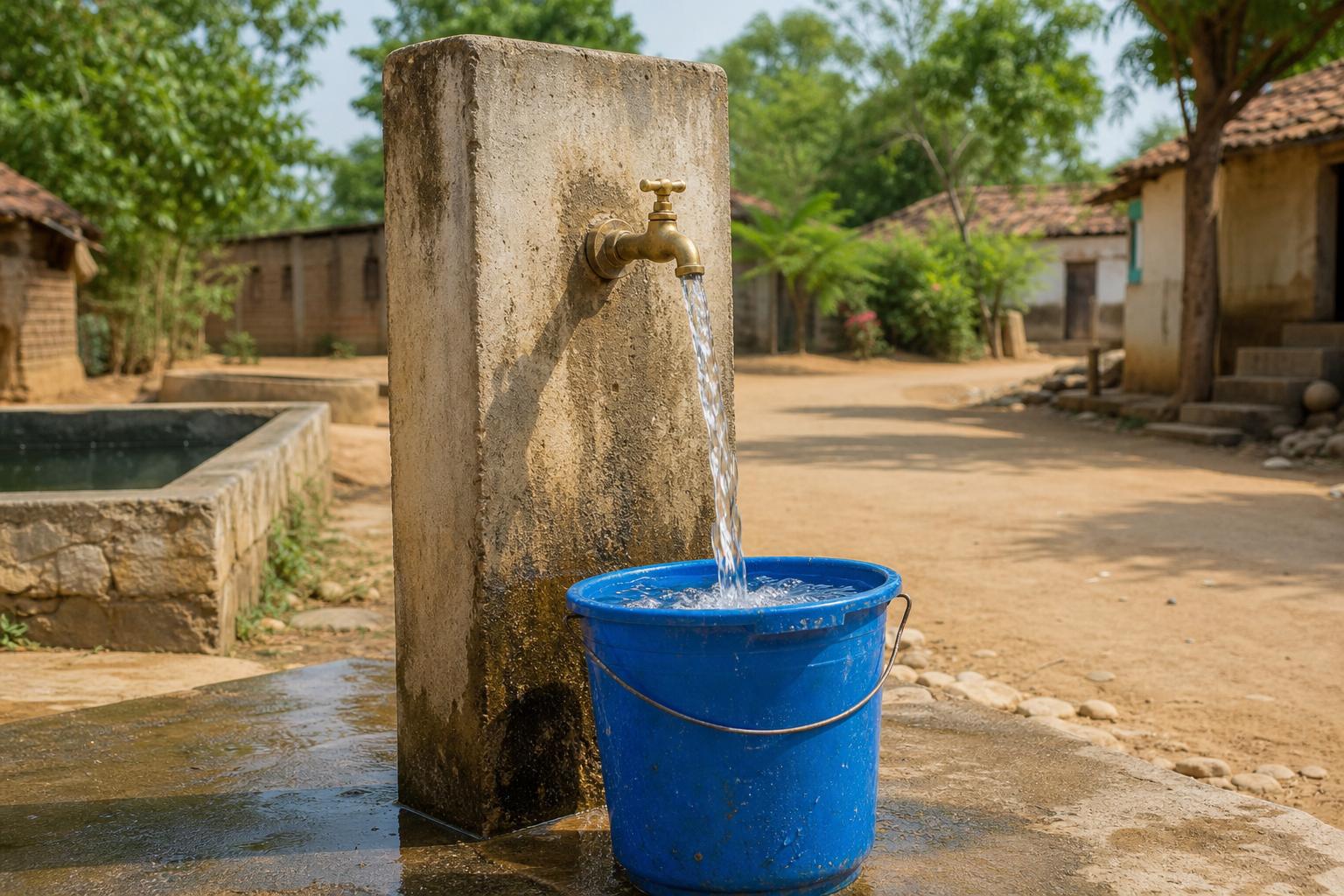
Taiz, November 2026Water by truck When pipes and wells fail, water arrives by tanker and is sold by the jerrycan, at prices driven up by fuel shortages. AI-generated illustration.
5,228
acute watery diarrhoea
232
suspected dengue
182
suspected cholera
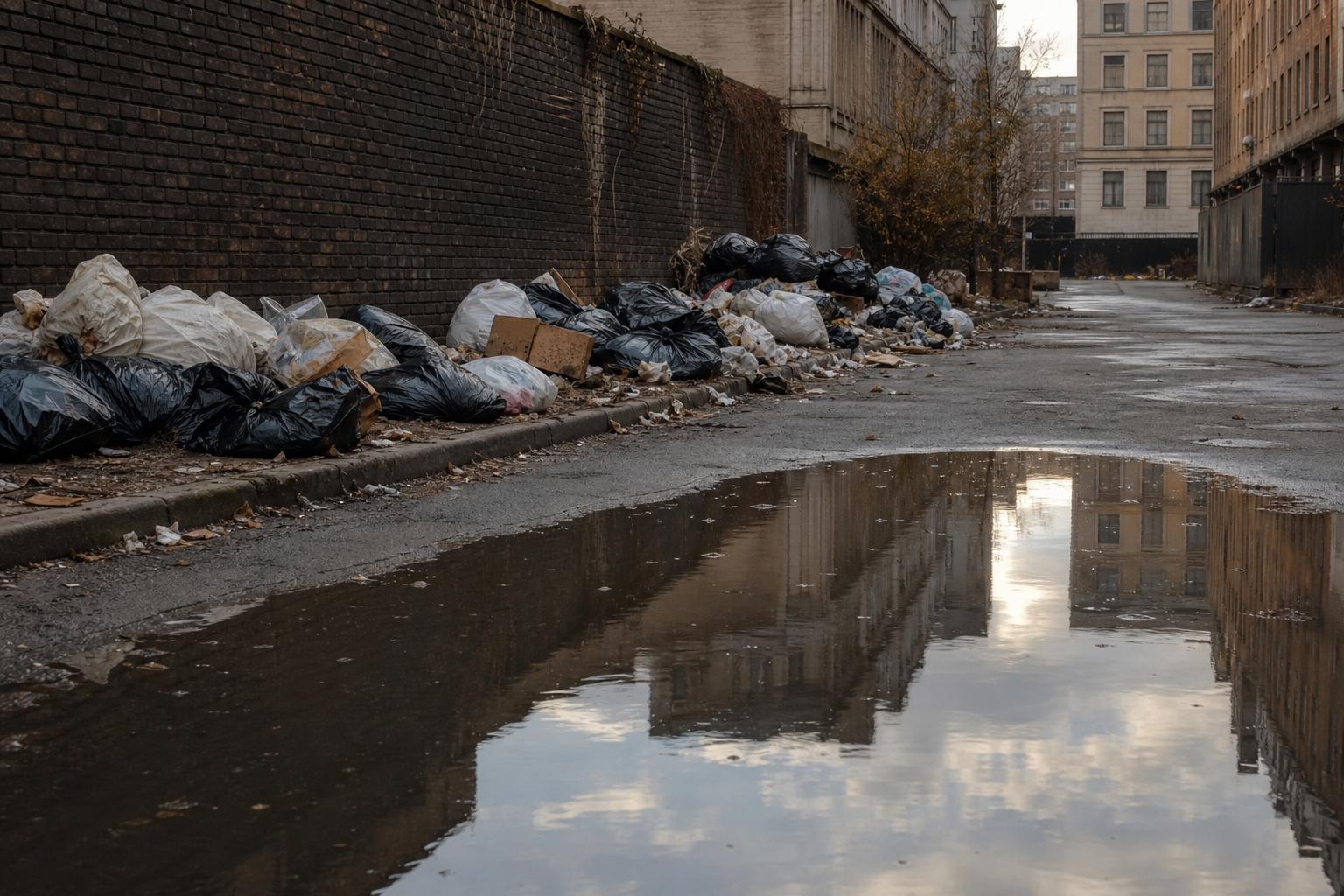
Four weeks of cases in TaizWhen services stop Uncollected waste and standing water: when pipes and rubbish collection break down, sewage and drinking water get closer together. AI-generated illustration.
Prologue
The news
Al Jazeera (14 November 2026) reports that the Yemeni government accuses the Houthis of tightening a siege on nearly two million people in Taiz, blocking food, safe water, medicines and fuel; the Houthis deny responsibility for the road closures and blame government forces. Local health officials recorded 5,228 cases of acute watery diarrhoea, 232 of suspected dengue and 182 of suspected cholera in the latest four-week period, and say many patients could not reach care. OCHA warned that health services are failing. Democracy Now! (18 November 2026): the UN says water supplies cover only 8% of residents’ needs.
For the background of the conflict, see the PlanetPast film The war in Yemen. This film covers the disease only.
This film is education, not medical advice. Anyone with sudden, heavy watery diarrhoea where cholera is present should seek medical care quickly.
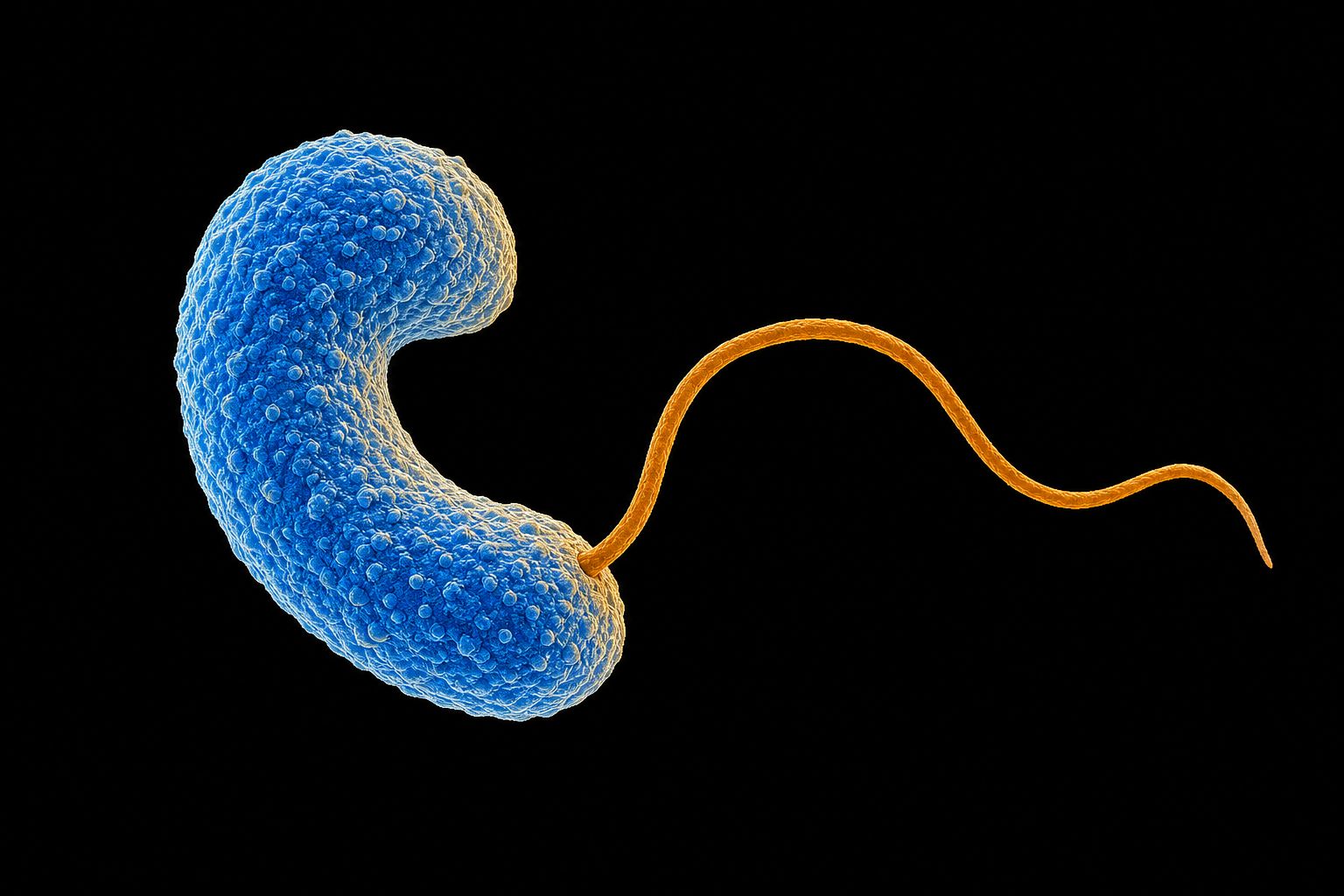
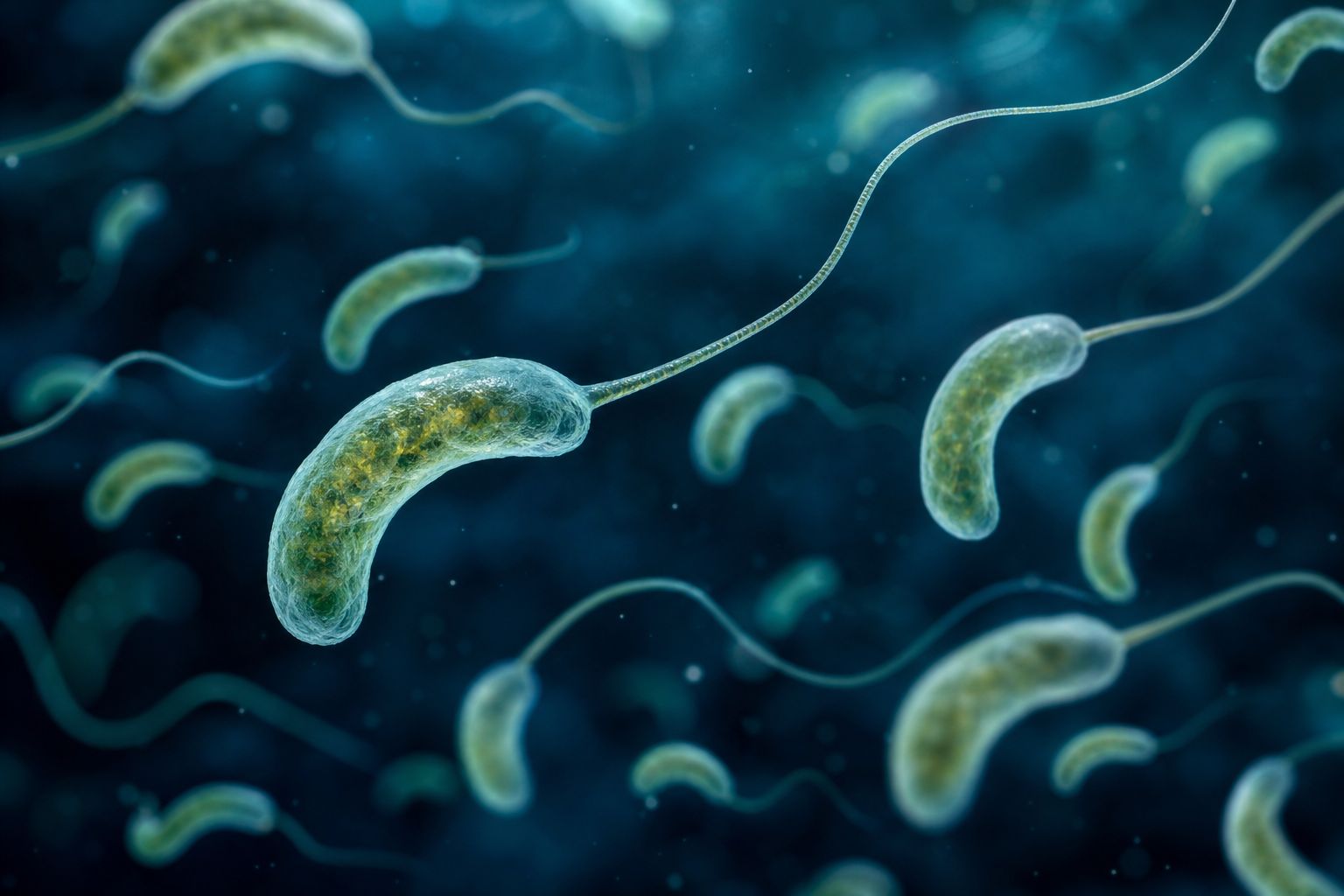
Cholera is caused by a bacterium, Vibrio cholerae: a tiny curved rod, shaped like a comma, that swims with a single whip-like tail.
Filippo Pacini described it in Italy in 1854, but few noticed. In 1883 Robert Koch identified it again, and the world took note.
There are many kinds of this bacterium, but only two groups, called O1 and O139, cause outbreaks, and almost every recent one has been O1.
Vibrio cholerae One curved cell and its single flagellum, the tail it swims with. Real cells are a few thousandths of a millimetre long. AI-generated illustration.
1854 Pacini describes it in Florence
1854 Snow traces an outbreak to a pump
1883 Koch identifies it under the microscope
Finding the germA 19th-century bench Brass microscopes and glass slides like these were the tools that let germs be seen. AI-generated illustration.
O1
behind nearly all recent outbreaks
O139
now only sporadic cases
Outbreak groups
Chapter I · A comma in the water
The bacterium
StatPearls: Vibrio cholerae is a gram-negative, comma-shaped rod. WHO: only serogroups O1 and O139 cause outbreaks; O1 has caused all recent outbreaks, while O139 now appears only in sporadic cases. Pacini isolated the bacterium in 1854 but his work was not widely known; Koch identified it in 1883 (Wikipedia; CDC MMWR notes it was isolated in 1883).
The 3D scenes are simplified teaching models: cells, molecules, streets and routes are drawn schematically and not to scale.
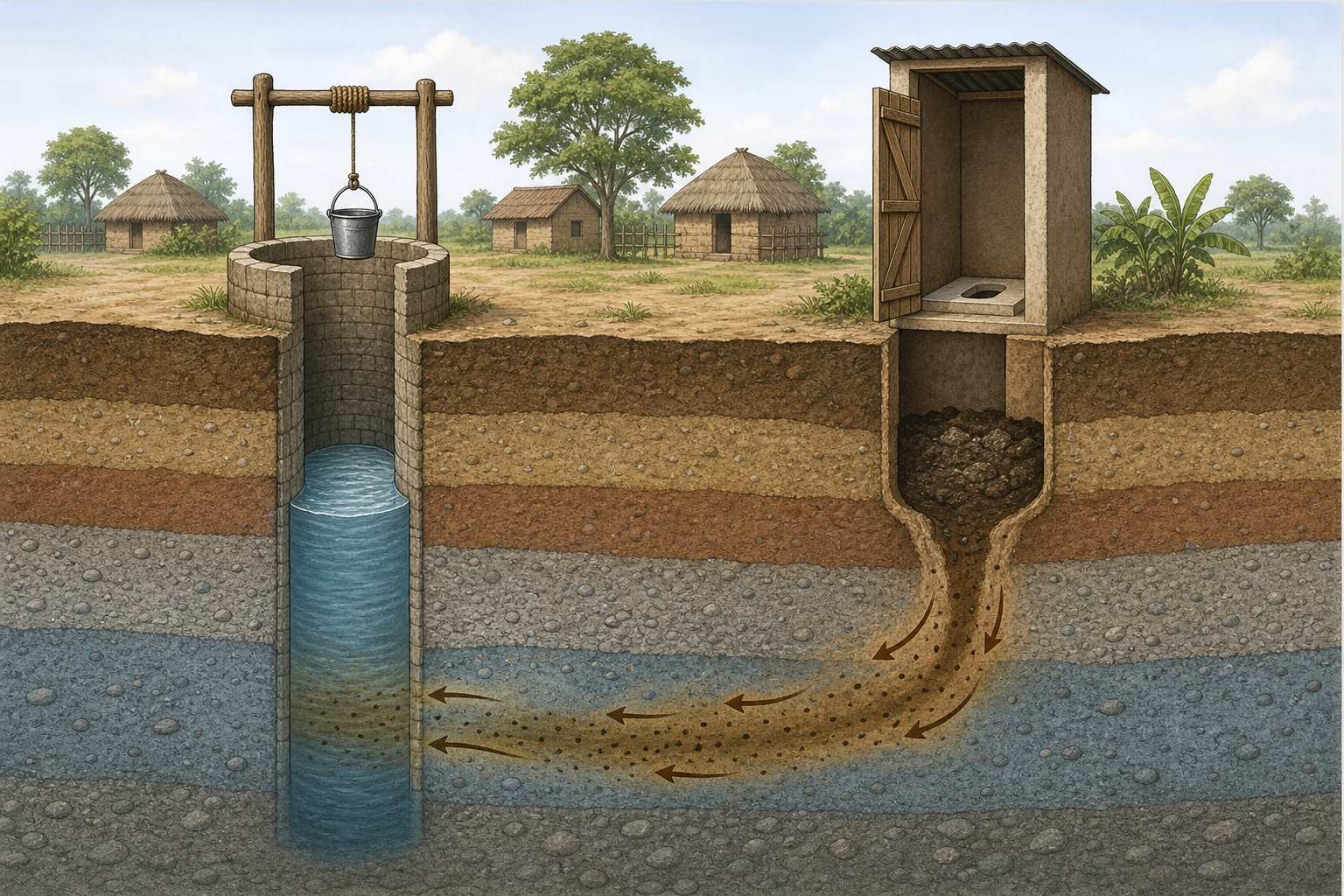
It spreads by the faecal–oral route: bacteria leave one person's gut in faeces, get into water or food, and are swallowed by the next person.
Most people who swallow it feel little or nothing, yet shed the bacteria for one to ten days.
Symptoms, if any, start twelve hours to five days after infection. Raw shellfish from brackish water can carry it too.
It rarely passes by casual contact. So which link in this loop matters most, and where could it be cut?
Latrine and well Cutaway: seepage from a pit latrine reaching a shallow well through the soil. AI-generated illustration.
symptoms: 12 hours to 5 days after infection
shedding without symptoms: 1 to 10 days
most infections: no symptoms at all
The timing, per WHOShellfish The bacterium also lives naturally in brackish estuaries and coastal water. AI-generated illustration.Where the loop breaks Protected water and safely contained faeces: either one alone cuts the route. AI-generated illustration.
Chapter I · A comma in the water
The faecal–oral route
CDC: people usually get cholera from water or food containing traces of faeces from someone with cholera; the bacteria also live in brackish and coastal waters, and raw shellfish can cause it; it is not likely to spread person to person through casual contact. WHO: symptoms appear 12 hours to 5 days after infection; most infected people have no symptoms but shed the bacteria in their faeces for 1 to 10 days.
Press “Leaky latrine”, “Treat the water” and “Seal the latrine” to break the loop in different places.
The 3D scenes are simplified teaching models: cells, molecules, streets and routes are drawn schematically and not to scale.
The bacteria stay in the gut. The damage is done by a poison they release there: cholera toxin.
The toxin is built like a key in a ring: a ring of five identical B pieces holds a single A piece.
The ring sticks to a molecule called GM1 on the gut cell's surface, and the cell draws the whole toxin in.
It travels backwards through the cell's packaging system, and the active part, A1, is set loose inside.
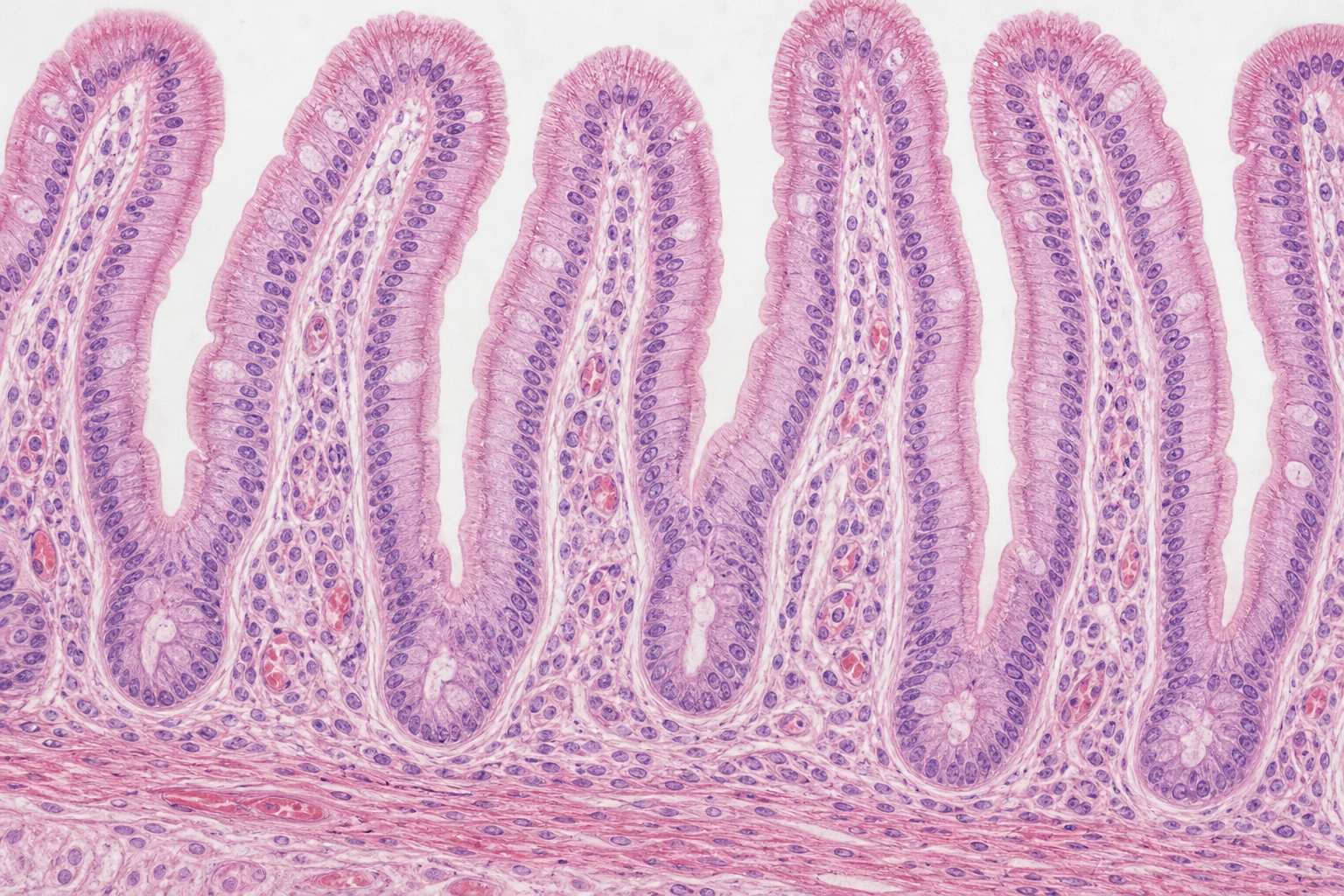
The small intestine Seen in section, the lining is folded into villi, each covered by a single layer of cells. AI-generated illustration.
A: one piece, 27 kDa, the active part
B: five pieces of 11.5 kDa in a ring
one ring can grip up to five GM1 molecules
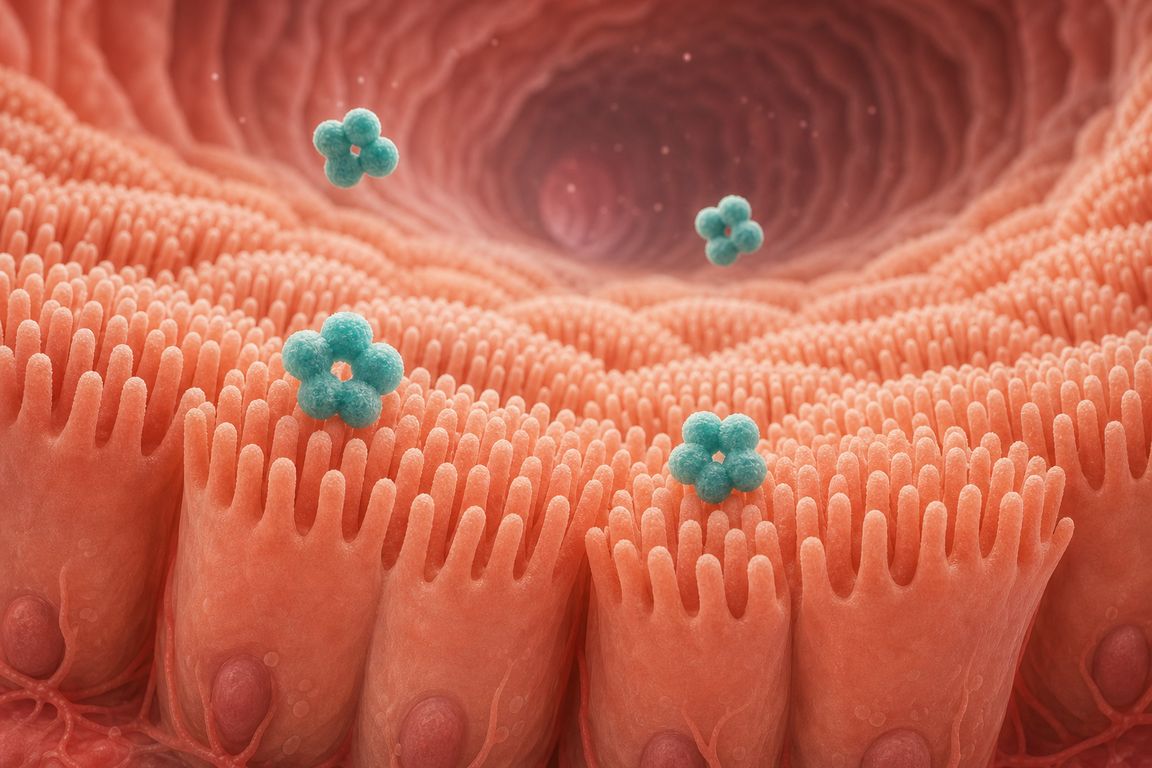
An AB5 toxinLanding Toxin rings landing on the brush-like tops of the gut cells, the side that normally absorbs water. AI-generated illustration.
GM1 → ER
carried backwards to the endoplasmic reticulum
A1
released into the cytosol, the cell’s interior
The route inside
Chapter II · The toxin
Cholera toxin
Wernick et al. (2010): cholera toxin is an AB5 toxin, a single 27 kDa A subunit and a pentamer of five 11.5 kDa B subunits. The B pentamer binds the ganglioside GM1 on the apical surface of intestinal cells and can cluster up to five GM1 molecules. The toxin travels from the cell surface via the trans-Golgi network to the endoplasmic reticulum, where the A1 chain is unfolded and moved into the cytosol.
Press “Replay docking” to watch it again.
The 3D scenes are simplified teaching models: cells, molecules, streets and routes are drawn schematically and not to scale.
Inside the cell, A1 jams a molecular switch in the on position.
The stuck switch floods the cell with a signal, cyclic AMP, that never turns off.
The signal holds open a chloride gate, CFTR, on the side facing the gut. Chloride pours out, and sodium follows it.
Water always moves toward the saltier side: that is osmosis. So as salt pours into the gut, water follows it.
A gut that normally soaks up water now pours it out.
the switch (a G protein) is locked on
cyclic AMP keeps rising
the CFTR chloride gate is held open
Cl⁻ out, then Na⁺, then water by osmosis
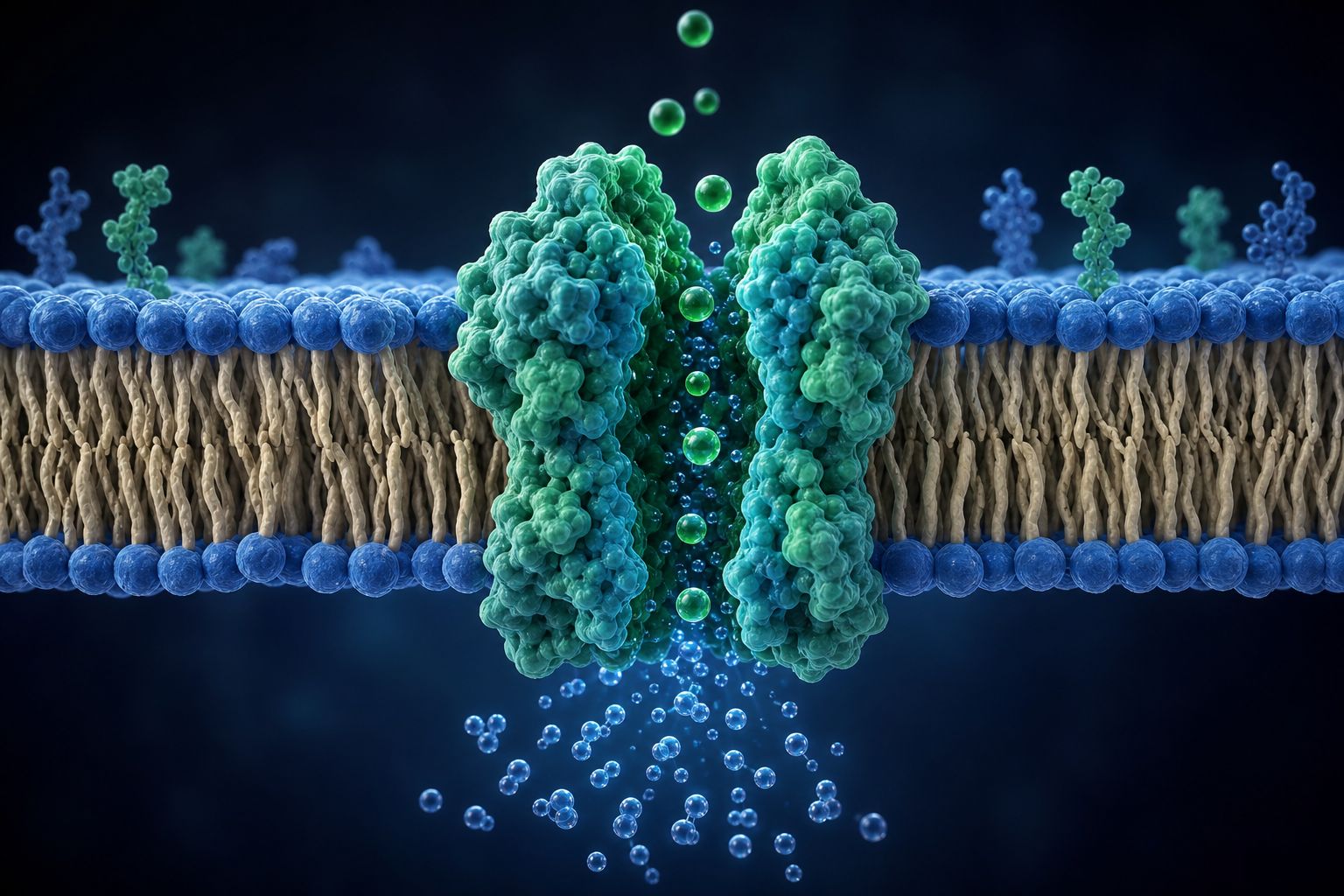
The chain, step by stepAn ion channel A protein tunnel through the cell membrane; CFTR is one of these, built to let chloride through. AI-generated illustration.
The resulting Cl⁻ flux is accompanied by efflux of Na⁺ ions and water into the intestinal lumen.Guichard et al., Cell Host & Microbe, 2013
Chapter II · The toxin
From switch to flood
Wernick et al. (2010): in the cytosol the A1 chain ADP-ribosylates the G protein Gsα, which constitutively activates adenylate cyclase and raises cAMP; the rise in cAMP causes chloride secretion and the massive diarrhoea of cholera. Guichard et al. (2013): cAMP drives fluid secretion mainly by activating protein kinase A, which acts on the CFTR chloride channel; the chloride flux is accompanied by sodium and water moving into the gut. StatPearls: secretion of chloride, bicarbonate, sodium and potassium rises, and water follows osmotically.
Press “Toxin on” and “Toxin off” to compare the two cases.
The 3D scenes are simplified teaching models: cells, molecules, streets and routes are drawn schematically and not to scale.
That is why cholera is so fast. An adult with severe cholera can lose around a litre of fluid an hour.
Only about one in ten infected people get this sick.
But losing fluid that fast leads to dehydration and shock, and the organs begin to fail.
With cholera, says Doctors Without Borders, a deadly loss of fluid can take only a couple of hours.
Untreated, severe cholera kills about half of its victims. Treated quickly, fewer than one in a hundred die. Anyone who may have it should seek care at once.
~1 L/hour
an adult, per StatPearls
10–15%
of body weight lost before death can follow (MSF)
Fluid loss, severe cholera
mild or none
symptoms in most infected people (CDC)
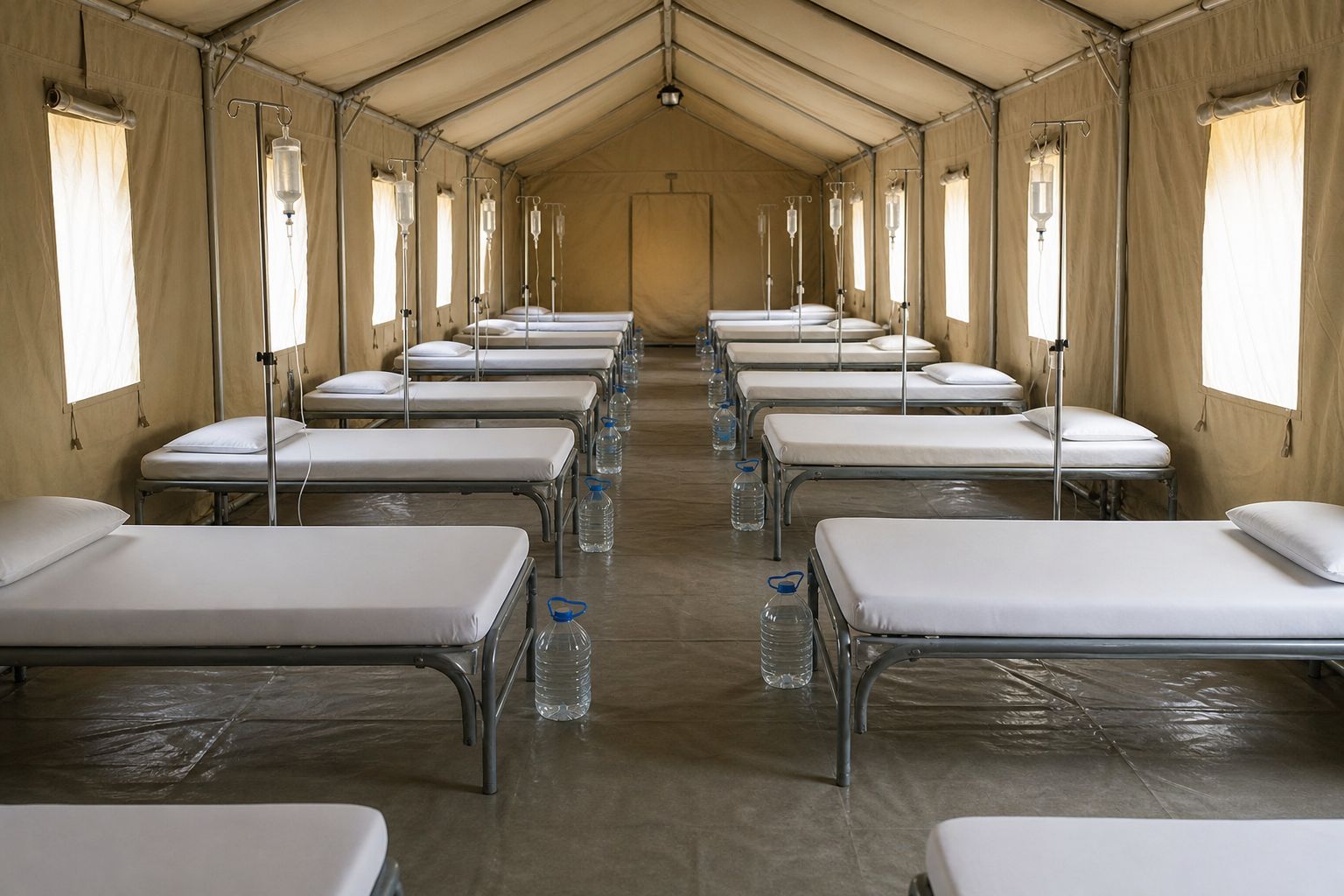
Most infectionsA treatment tent Cholera centres are built around fluids: water containers, drip stands and simple cots. AI-generated illustration.
untreated
~50%
treated promptly
<1%
Deaths among severe cases
Chapter II · The toxin
Hours, not days
StatPearls: adults can pass up to about one litre per hour; without rehydration mortality exceeds 50%, and prompt fluid treatment reduces it to under 0.5%. CDC: about 1 in 10 people develop severe symptoms (watery diarrhoea, vomiting, leg cramps), and rapid fluid loss can lead to dehydration and shock. WHO: cholera can be fatal within hours if not treated, and the case fatality rate in treatment centres should stay below 1%. MSF: death usually follows the loss of 10 to 15% of body weight, which with cholera may take only a couple of hours. Wikipedia: severe cholera kills about half of untreated patients.
The draining tank is illustrative. Press “Untreated hour” and “Replace fluids”.
This film is education, not medical advice. Anyone with sudden, heavy watery diarrhoea where cholera is present should seek medical care quickly.
London, 1854. Most doctors still blamed cholera on miasma: bad air rising from filth.
On the last day of August, it exploded in Soho. By the end of September, 616 people in the neighbourhood were dead.
Three-quarters of the residents fled. A doctor who lived nearby, John Snow, stayed to count.
He had argued since 1849 that cholera spread through water. Now he checked the death records and asked each family: where did you get your water?
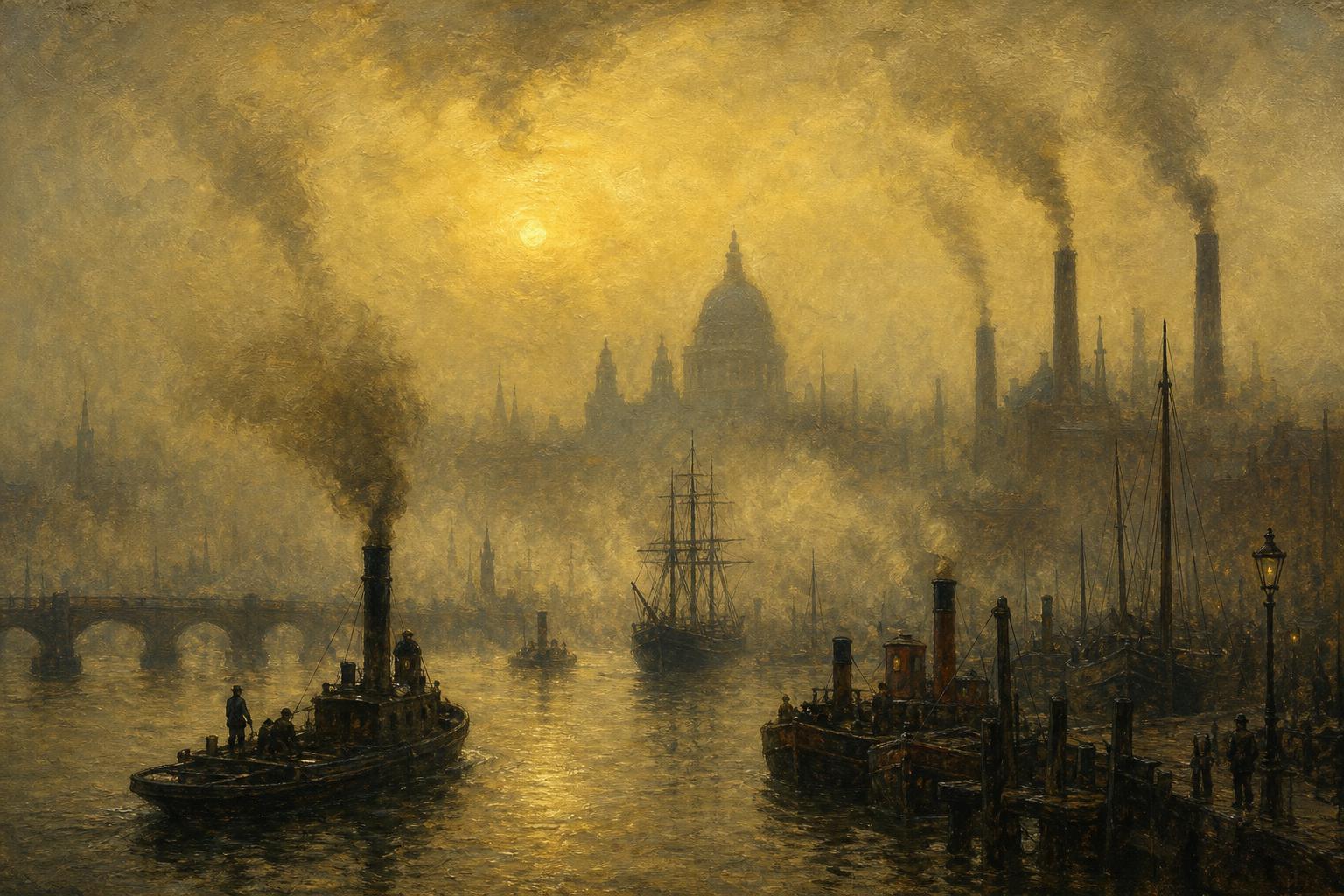
The miasma idea Fog and smoke over the Thames: in the 1850s most doctors thought disease travelled in foul air like this. AI-generated illustration.
31 Aug
the outbreak begins, per Snow
616
deaths in Soho by the end of September
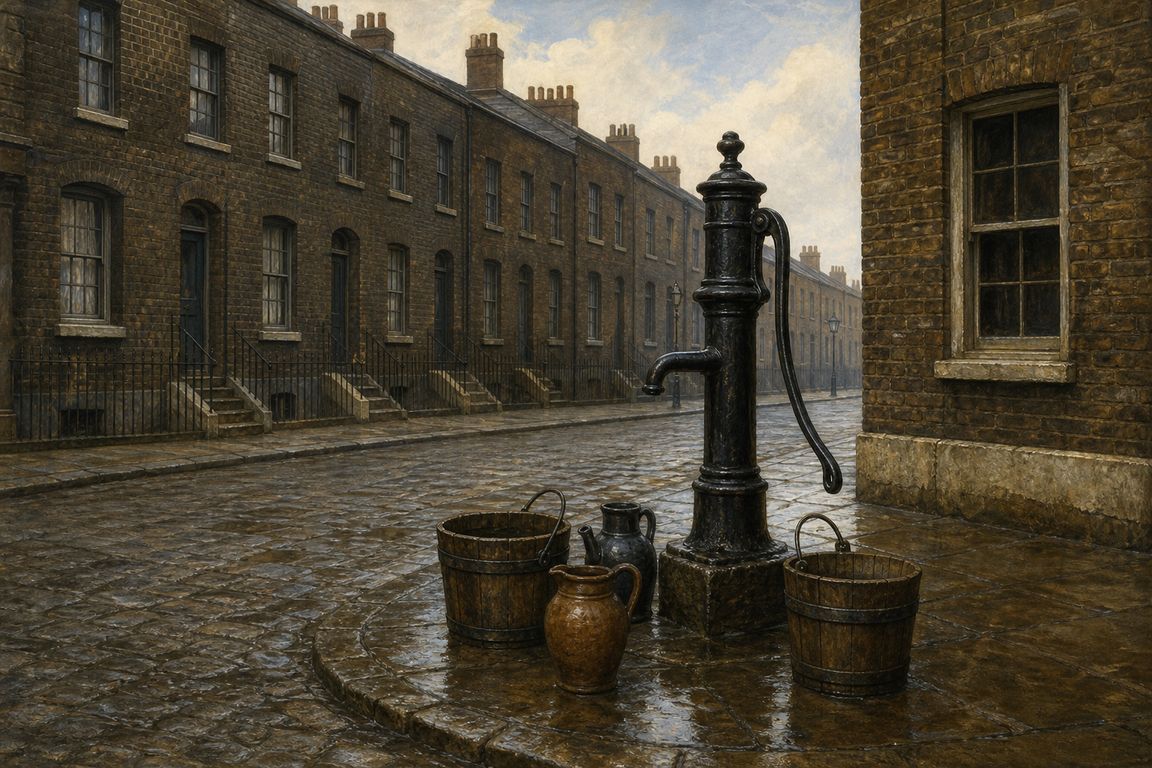
Broad Street outbreakBuckets at the pump Many households had no piped water and carried it home in buckets and jugs from public street pumps. AI-generated illustration.Crowded courts Cesspits sat under or beside houses, close to the wells that fed the pumps. AI-generated illustration.
Chapter III · The pump on Broad Street
The Broad Street outbreak
UCLA (from Snow’s own account): the outbreak began on Thursday 31 August 1854; 89 cholera deaths were registered in the week ending 2 September, and 616 had died in the Soho neighbourhood by the end of September. Science History Institute: miasma, foul vapours from rotting matter, was the accepted explanation; three-quarters of the population fled. CDC MMWR: Snow reviewed death records and interviewed household members. Britannica: Snow described contaminated water as the principal mode of transmission in 1849.
The street plan is schematic, not a copy of Snow’s map. Press “Play the outbreak”.
The 3D scenes are simplified teaching models: cells, molecules, streets and routes are drawn schematically and not to scale.
Snow marked each death on a street map as a small black bar beside the house.
The bars piled up around one spot: a public water pump on Broad Street. Of 75 deaths he could check, 68 were people who drank from it.
The exceptions told the same story. A nearby workhouse had its own well: of 535 inmates, five died.
Workers at a brewery on Broad Street never used the pump either. Of more than seventy, none fell seriously ill.
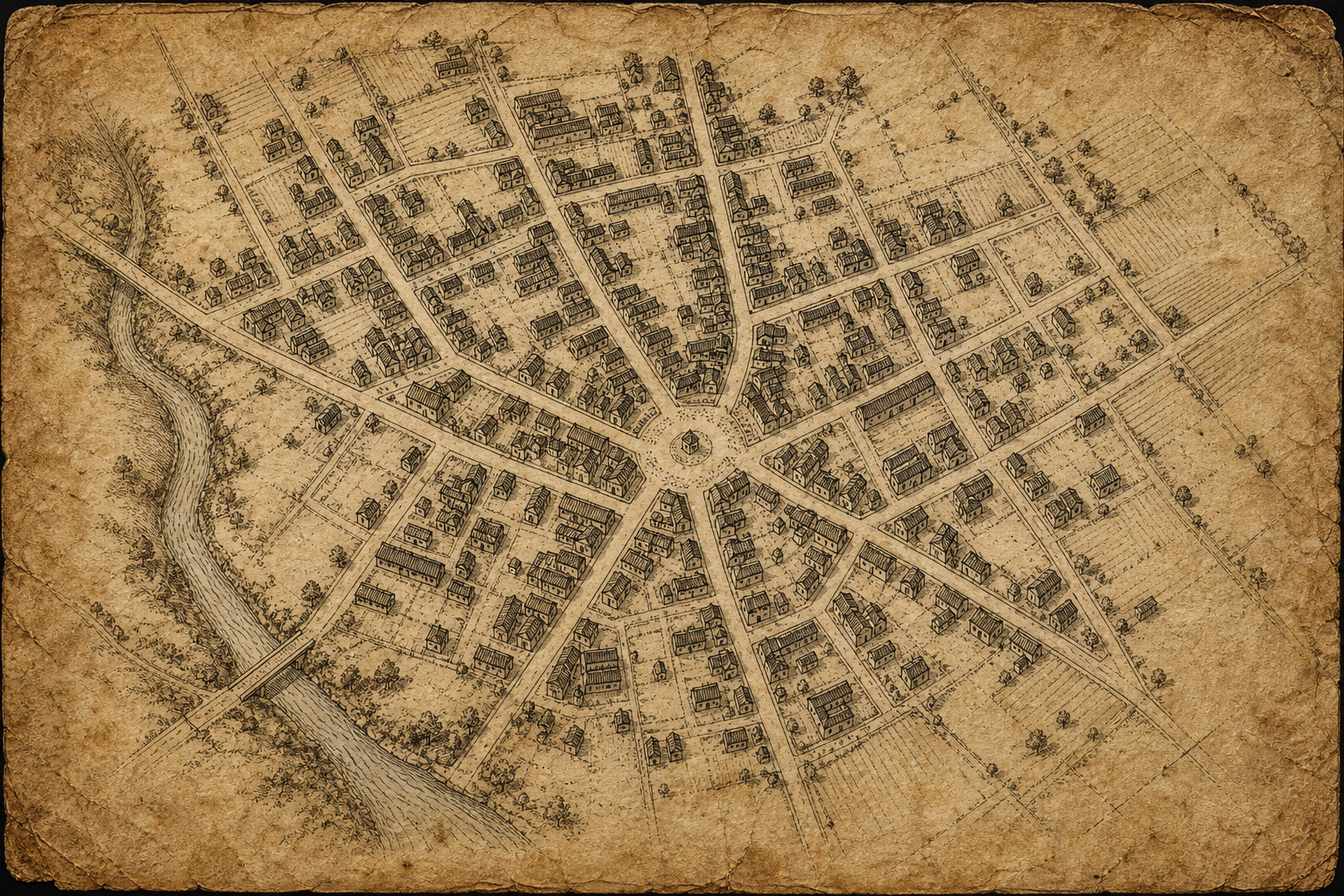
A map of deaths In the style of Snow’s map: each stack of bars is a household, each bar one death. AI-generated illustration.
68 / 75
deaths among Broad Street pump users
6
deaths among people who did not use it
Snow’s first count
5 / 535
inmates who died
~100
deaths Snow would have expected
The workhouseThe brewery Brewery workers drank from the brewery’s own supply, not the street pump. AI-generated illustration.
Chapter III · The pump on Broad Street
The map
UCLA: of 75 deaths with known pump use, 68 (91%) were Broad Street pump users, one a probable user and six non-users. The St James workhouse on Poland Street had 535 inmates and five cholera deaths, against about 100 Snow would have expected; its inmates never sent to Broad Street for water. The brewery on Broad Street had over 70 workmen, none seriously ill; they never obtained water from the street pump. Science History Institute: each death is a black line on the map, and the map would today be called a Voronoi diagram.
Press “Nearest-pump areas” and “Workhouse and brewery”. Positions are schematic.
The 3D scenes are simplified teaching models: cells, molecules, streets and routes are drawn schematically and not to scale.
On the seventh of September, Snow took his findings to the parish Board of Guardians. The next day, the pump handle was removed.
Within two or three days, Snow reported, new cases became very few.
Most residents had already fled, so the handle alone proved little. The map was the stronger evidence.
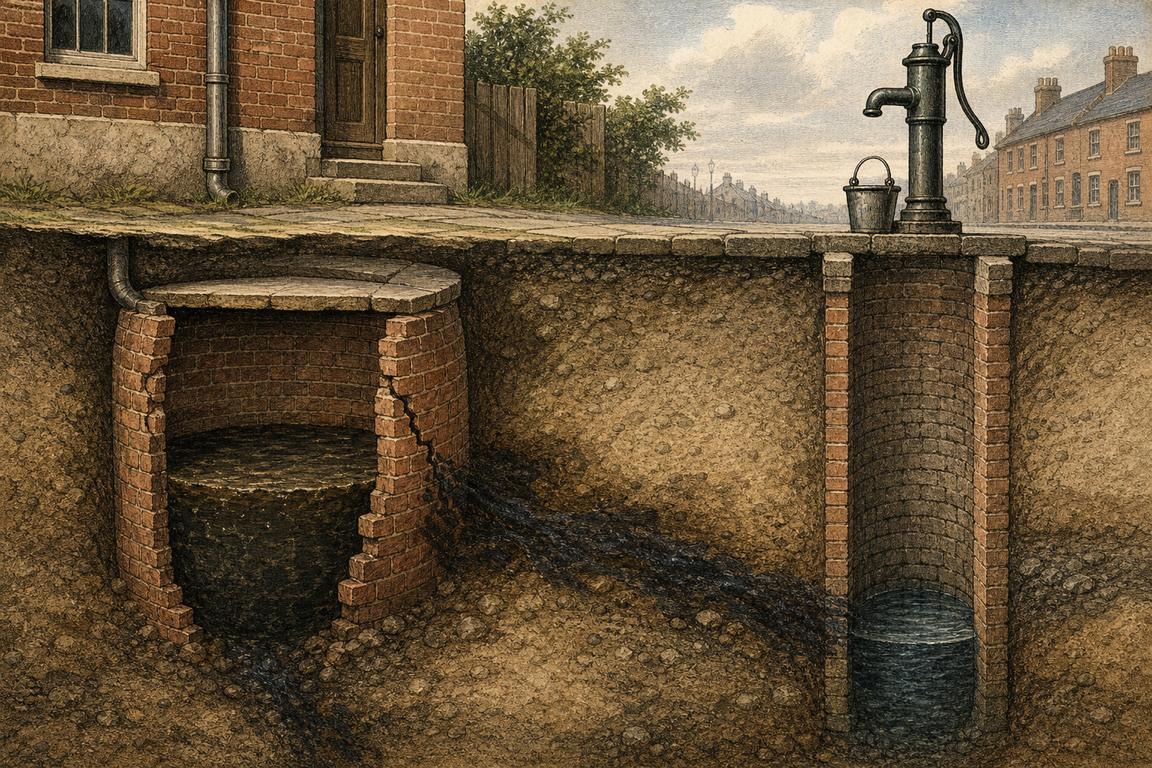
A local curate, Henry Whitehead, at first doubted Snow. Investigating, he found the likely first case: a baby whose soiled nappies were rinsed into a leaking cesspit beside the pump's well.
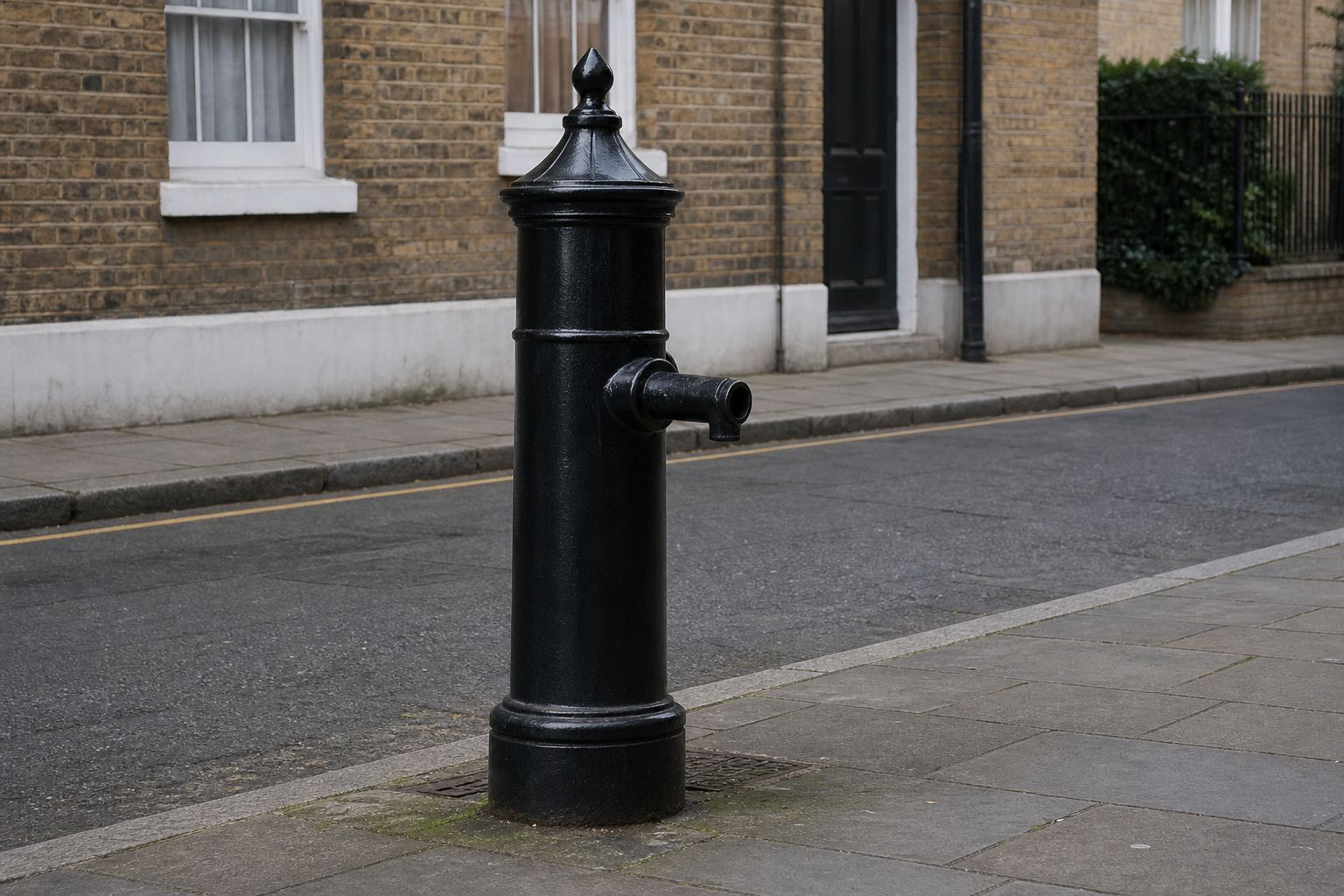
A pump without a handle A cast-iron street pump of the kind Soho relied on, its handle gone. AI-generated illustration.
31 Aug outbreak begins
3 Sep Snow examines the pump water
7 Sep he presents to the Board of Guardians
8 Sep the handle is removed
Ten days in 1854The cesspit Cutaway: a cracked brick cesspit leaking through the soil into the well that feeds a street pump. AI-generated illustration.
Chapter III · The pump on Broad Street
The handle
UCLA: Snow examined the pump water on 3 September, presented his findings to the Board of Guardians of St James’s parish on 7 September, and the handle was removed the next day; he reported that new cases became very few within two or three days. CDC MMWR: the handle was removed on 8 September 1854. Science History Institute: three-quarters of the population had fled; the curate Henry Whitehead first dismissed Snow’s theory, then traced the earliest known case, an infant whose family’s soiled linens were emptied into a cracked cesspit that leaked into the pump’s well.
Press “Remove the handle”.
The 3D scenes are simplified teaching models: cells, molecules, streets and routes are drawn schematically and not to scale.
Snow had a second, larger test. In south London, two companies supplied homes in the same area.
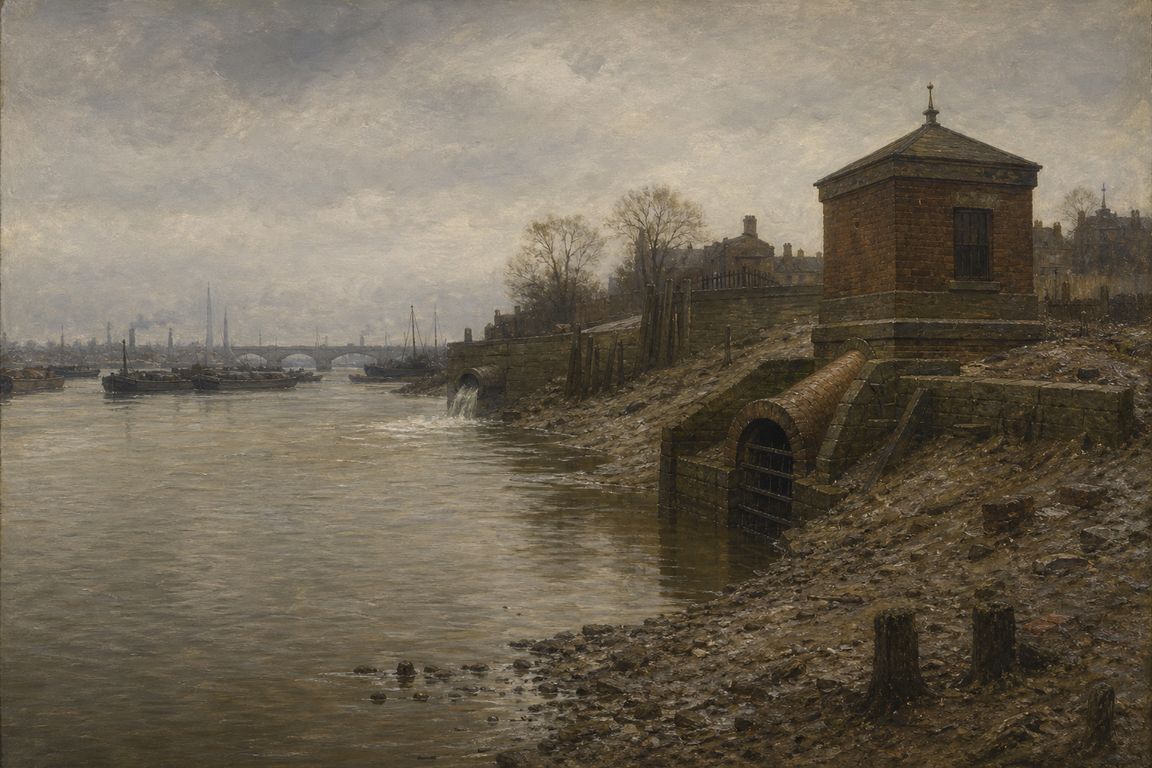
Southwark and Vauxhall drew its water from the Thames below the point where sewage poured in. Lambeth drew from upstream.
In the 1854 epidemic, homes on Southwark and Vauxhall water lost 315 people to cholera for every ten thousand houses. Homes on Lambeth water lost 37.
Snow wrote that the houses and the people did not differ. Only the water did, and the death rate was over eight times higher.
Intake and outfall A water intake downstream of a sewage outfall: the arrangement that poisoned one company’s supply. AI-generated illustration.
Southwark & Vauxhall
315
Lambeth
37
rest of London
59
Cholera deaths per 10,000 houses, 1854
There is no difference whatever in the houses or the people receiving the supply of the two Water Companies.John Snow, 1855
Chapter III · The pump on Broad Street
The grand experiment
Inferential Thinking (UC Berkeley): Southwark & Vauxhall supplied 40,046 houses with 1,263 cholera deaths (315 per 10,000 houses); Lambeth 26,107 houses with 98 deaths (37 per 10,000); the rest of London 256,423 houses with 1,422 deaths (59 per 10,000). S&V drew water below the sewage discharge, Lambeth above it; Snow focused on where the two service areas overlap. Smithsonian: the comparison covers the 1854 epidemic.
Press the two company buttons. Houses and river are schematic.
The 3D scenes are simplified teaching models: cells, molecules, streets and routes are drawn schematically and not to scale.
A drip into a vein needs needles, sterile fluid and trained staff. In the late 1960s, researchers in Dhaka and Kolkata tested something simpler: a drink.
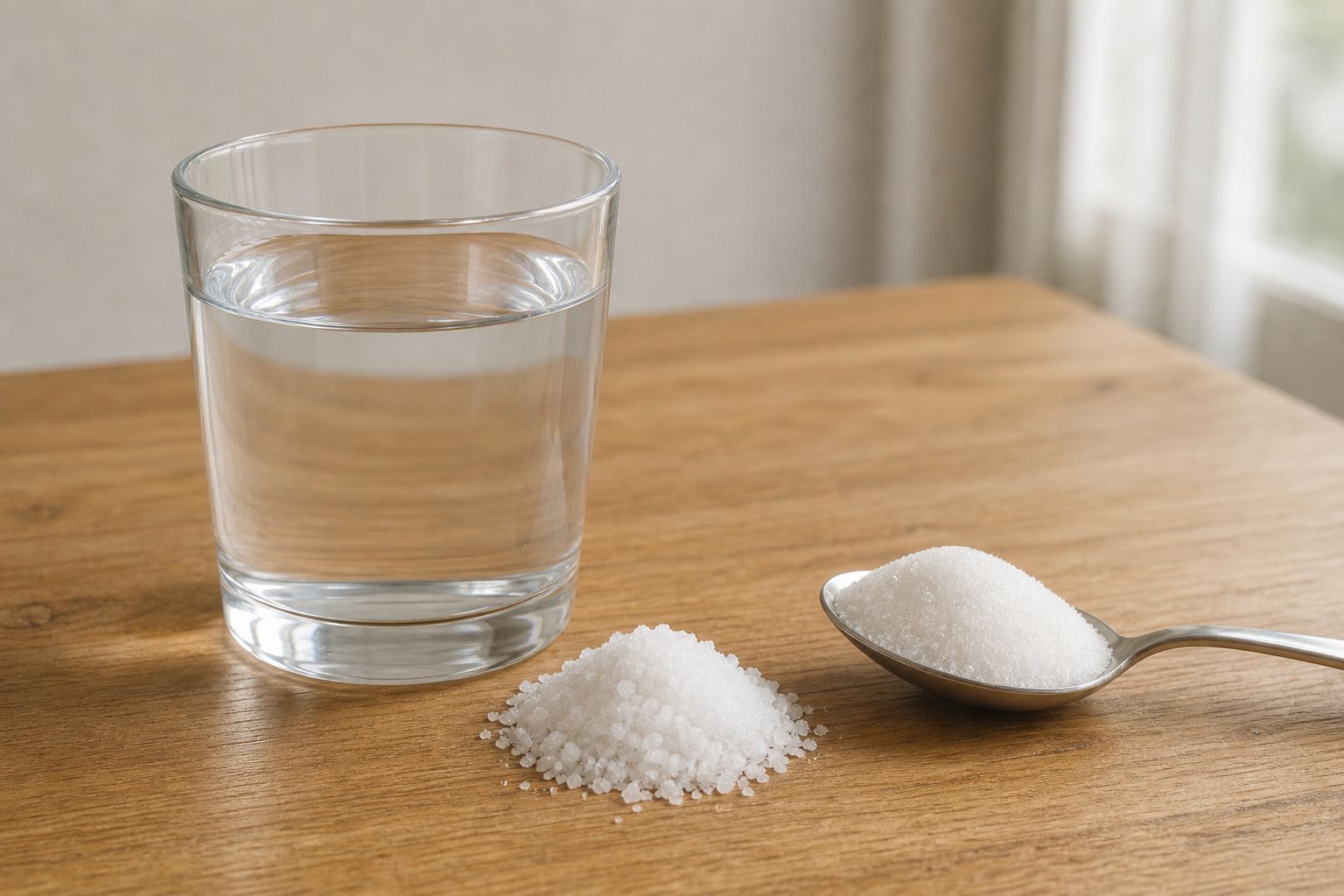
The trick is in the gut wall: a transporter carries sodium in together with glucose, and it keeps working during cholera.
So a solution of salt and sugar in clean water pulls sodium back into the body, and by the same osmosis, water follows it back in.
In 1978, The Lancet called this discovery potentially the most important medical advance of the century.
A tropical laboratory The first successful trial of oral rehydration was in Dhaka; a trial in Kolkata confirmed it. AI-generated illustration.
CFTR: opened by the toxin, salt and water out
sodium–glucose transporter: still working, salt and water in
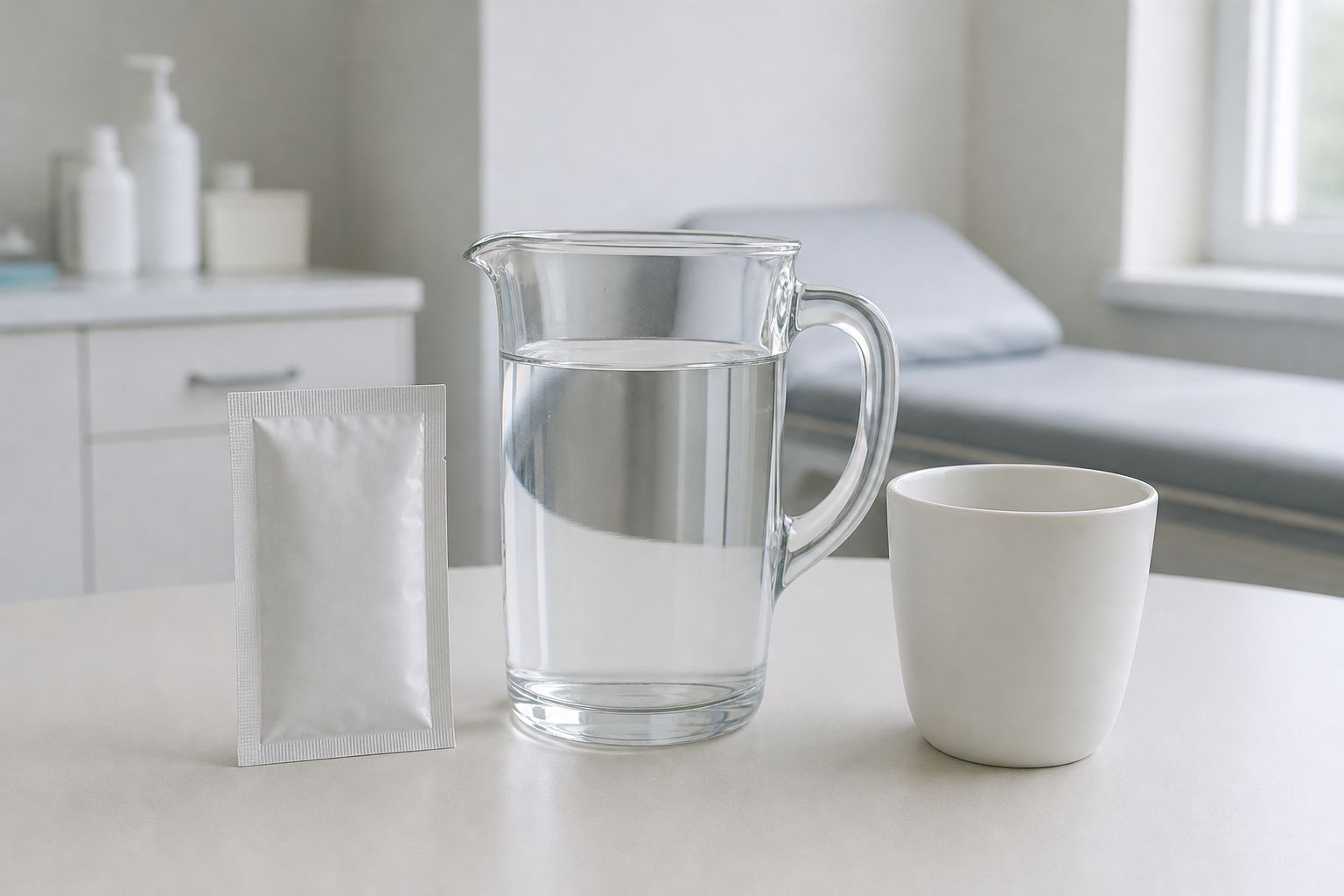
Two doors in the gut wallOral rehydration salts Oral rehydration salts come as a measured powder, mixed with a set amount of clean water. AI-generated illustration.
Potentially the most important medical advance this century.The Lancet, editorial, 5 August 1978
Chapter IV · Salt, sugar, water
Why oral rehydration works
Nalin & Cash (2018): the first successful trial of oral rehydration was in Dhaka, Bangladesh, and a trial in Kolkata confirmed it. Fontaine & Newton (WHO Bulletin): oral rehydration therapy was developed in the late 1960s in Dhaka and Calcutta. Britannica: sodium absorption in the small intestine is linked to glucose absorption, so a solution of sodium, glucose and water can offset the losses caused by cholera toxin. A 1997 study in Gastroenterology found glucose-driven sodium absorption more than doubled when cholera toxin was present. The Lancet (5 August 1978): the discovery that sodium and glucose transport are coupled in the small intestine is “potentially the most important medical advance this century”.
Press “Give oral rehydration solution”.
This film is education, not medical advice. Anyone with sudden, heavy watery diarrhoea where cholera is present should seek medical care quickly.
The 3D scenes are simplified teaching models: cells, molecules, streets and routes are drawn schematically and not to scale.
The drink faced its biggest test in 1971, in refugee camps in India during Bangladesh's war of independence.
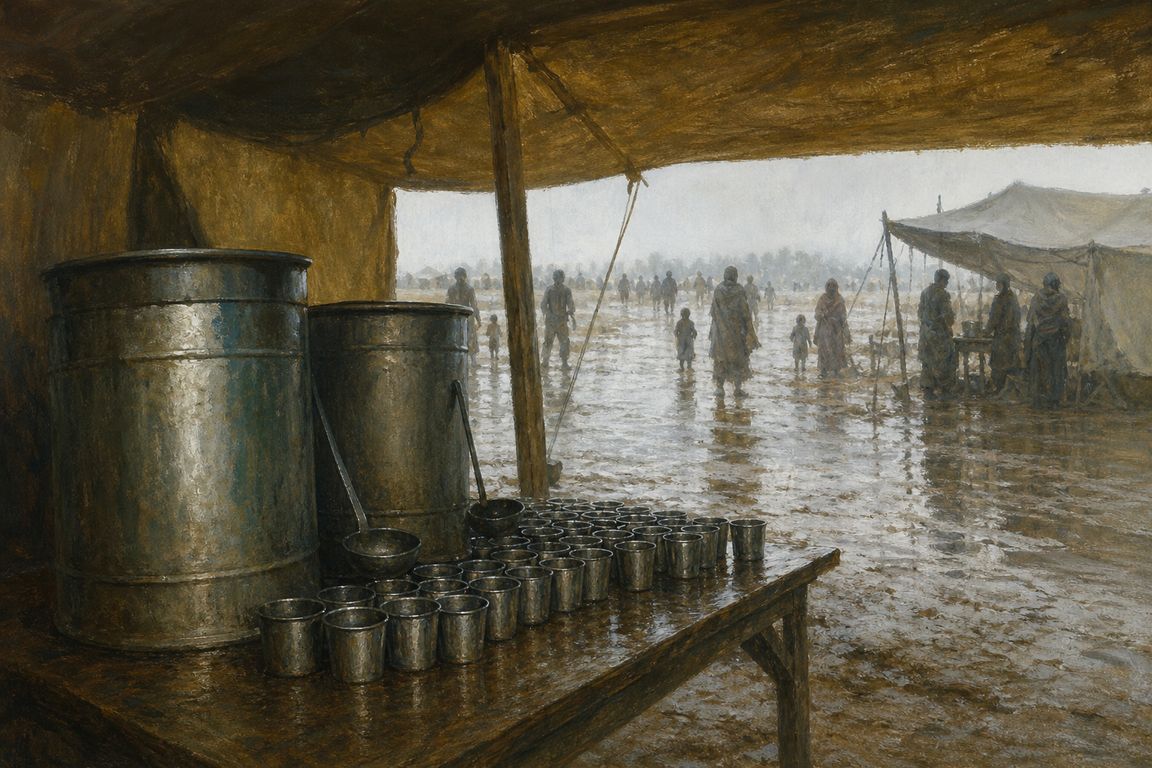
Drip fluid was running short, so Dr Mahalanabis's team let relatives give the drink themselves, cup by cup, from big drums.
In that camp, about three in a hundred cholera patients died. In camps using drips alone, twenty to thirty did.
Since then, child deaths from diarrhoea have fallen from an estimated 4.6 million a year in 1980 to under half a million.
It is a treatment given under care; anyone who may have cholera should seek help quickly.
Drums and cups Health workers kept the drums filled; relatives carried the solution to patients in small cups. AI-generated illustration.
oral rehydration camp
~3%
drips only
20–30%
Cholera deaths in the 1971 camps
4.6 m → <0.5 m
under-fives dying of diarrhoea each year, 1980 to 2018
54 million
deaths prevented by 2007, one estimate
Since 1980Salt, sugar, water The ingredients are simple; the right proportions and clean water are what matter. AI-generated illustration.
Chapter IV · Salt, sugar, water
Lives saved
Nalin & Cash (2018): oral rehydration was used in cholera-stricken refugee camps in India during the Bangladesh independence war (Mahalanabis and colleagues); child diarrhoea deaths fell from an estimated 4.6 million in 1980 to under 500,000 in 2018; by 2007 oral rehydration alone was estimated to have prevented 54 million deaths. Fontaine & Newton, on Mahalanabis et al. (1973): with intravenous fluids in short supply, oral fluids were given to patients who did not urgently need a drip; relatives collected the solution in small cups from central drums while the overwhelmed staff kept the drums filled; case fatality was about 3% in the camp using oral fluids, against 20–30% in camps using only intravenous fluids.
This film is education, not medical advice. Anyone with sudden, heavy watery diarrhoea where cholera is present should seek medical care quickly.
Cholera was not always a world disease. It became one in 1817, spreading out of the Ganges delta in Bengal.
Six pandemics followed one another out of South Asia over the next century, reaching Russia, Europe, Africa and the Americas.
The seventh began in Indonesia in 1961. Its strain, El Tor, was first described in 1905 at a quarantine station in the Sinai.
That pandemic never ended. It reached Africa in 1970, and Peru in 1991, where about three thousand people died in the first year.
A connected world In the 19th century, faster ships and growing trade linked ports across oceans. AI-generated illustration.
1817–23 Ganges delta to Asia, Middle East, East Africa
1829–49 Russia, Europe, the Americas
1852–59 Asia, Europe, North America, Africa
1863–79 Bengal to Middle East, Europe, Africa
1881–96 Asia, Africa, South America, Europe
1899–1923 Middle East, North Africa, Russia
1961– Indonesia to the world: El Tor
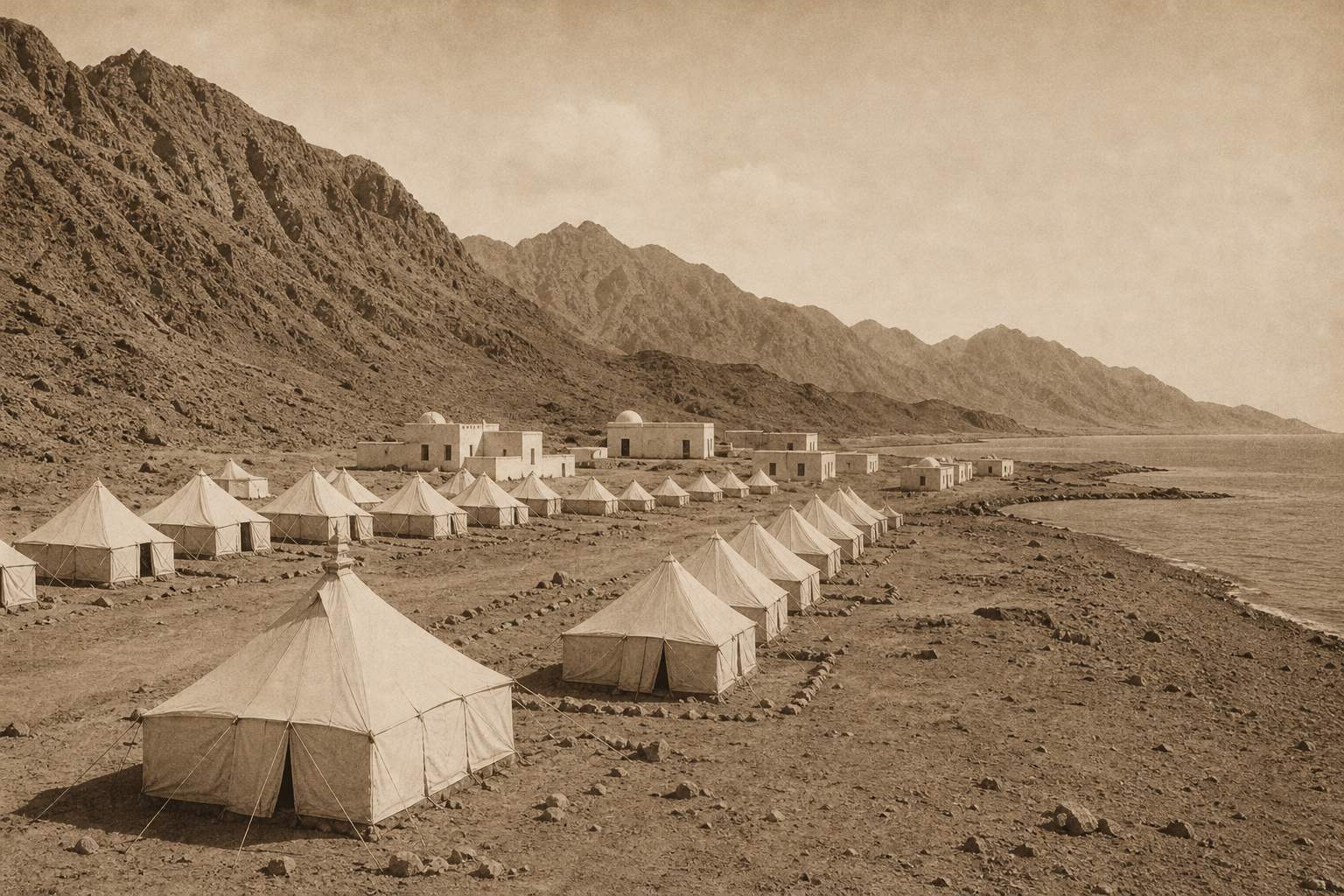
Seven pandemicsEl Tor A desert quarantine camp: El Tor is named after the Sinai station where Gotschlich described it. AI-generated illustration.Out of Bengal Each pandemic began in Asia and spread along the routes people travelled. The arcs here are decorative, not real routes. AI-generated illustration.
Chapter V · Seven waves
Seven pandemics
CBC: 1817–1823 from the Ganges delta; 1829–1849; 1852–1859; 1863–1879; 1881–1896; 1899–1923; 1961–present from Indonesia. Britannica: cholera became a disease of global importance in 1817 (Jessore, India); the seventh pandemic began on Celebes (Sulawesi) in 1961; Peru, free of cholera for 100 years, was hit in 1991, and cholera caused 3,000 deaths there in the first year; El Tor was first described by E. Gotschlich in 1905 at a quarantine station in the Sinai. Wikipedia (Seventh pandemic): based on the El Tor biotype; reached Africa in 1970. PAHO: by December 1997 the epidemic that began in Peru in January 1991 had reached 21 countries of Latin America, with 1,199,804 cases and 11,875 deaths. WHO: the current seventh pandemic began in South Asia in 1961 (WHO counts its start there; other sources name Sulawesi, Indonesia).
Arcs show the regions each pandemic reached, not exact routes. Press 1 to 7.
The 3D scenes are simplified teaching models: cells, molecules, streets and routes are drawn schematically and not to scale.
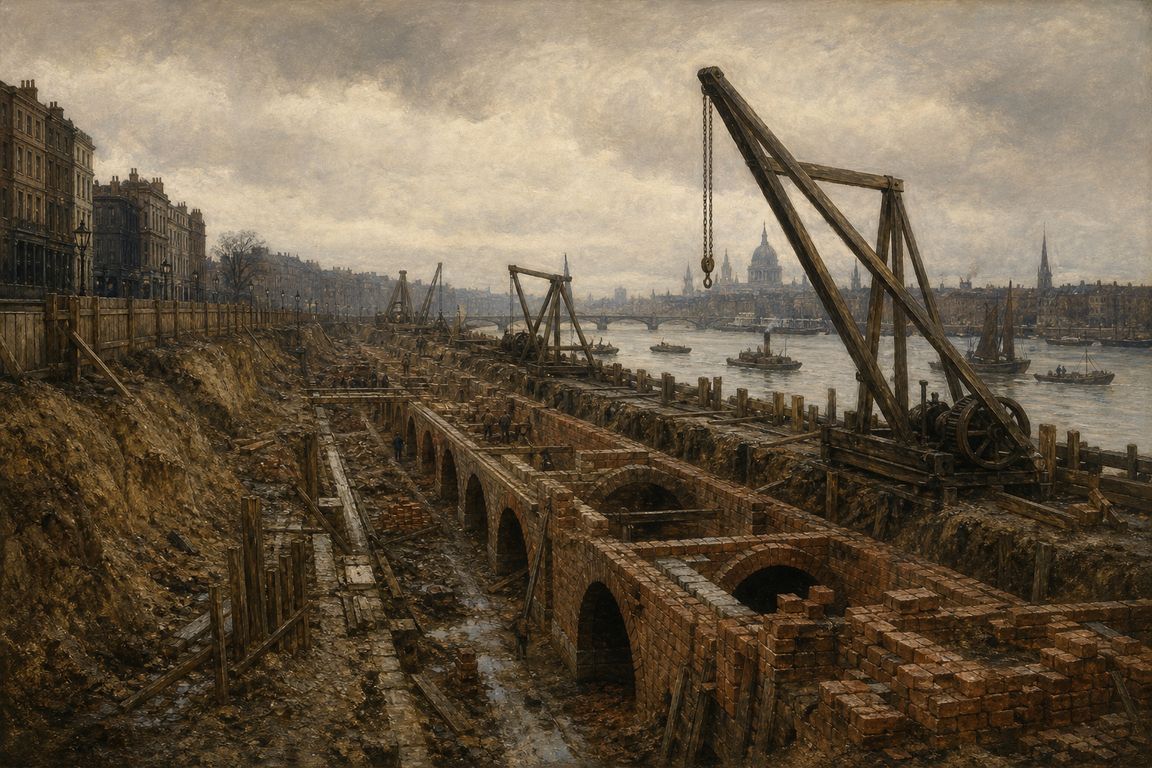
Rich cities beat cholera with engineering. In 1858 the stench of the Thames, the Great Stink, pushed Parliament to act.
The engineer Joseph Bazalgette built 132 kilometres of great brick sewers to carry waste away, mostly finished around 1870.
London's last cholera epidemic came in 1866, while parts of the system were still unfinished.
Across rich countries, clean water and sewage treatment built between the 1850s and early 1900s ended the threat of cholera epidemics.
Building the sewers Dug in deep trenches and lined with brick, sewers like these still carry much of London’s waste today. AI-generated illustration.
132 km
of main intercepting sewers
2,100 km
of sewers built or rebuilt by 1875
Bazalgette’s London
1854 Broad Street outbreak
1858 the Great Stink; £3 million voted
1866 the last London epidemic
~1870 main sewers complete
London cleans upWater treatment Settling and filtering basins: the quiet machinery that keeps cholera out of a city. AI-generated illustration.
Chapter VI · Pipes, vaccines and now
Pipes and sewers
History.co.uk: the Great Stink of summer 1858 pushed Parliament to grant £3 million to the Metropolitan Board of Works; Joseph Bazalgette designed 132 km (82 miles) of main brick sewers and by 1875 had built or rebuilt 2,100 km of sewers; the main sewers were completed around 1870; a final cholera epidemic hit London in 1866 because of delays to the works. Wikipedia: from the mid-1850s to the 1900s, cities in developed nations invested in clean water supply and sewage treatment, which ended the threat of cholera epidemics there.
Press “Build the sewers”. The street plan and pipes are schematic.
The 3D scenes are simplified teaching models: cells, molecules, streets and routes are drawn schematically and not to scale.
Today the tools are well known: safe water, toilets, hygiene, oral rehydration and vaccines.
The World Health Organization has approved three oral cholera vaccines, but says safe water, sanitation and hygiene remain essential.
Even so, researchers estimate 1.3 to 4 million cases and 21,000 to 143,000 deaths every year.
Where war or disaster breaks the pipes, it comes back. In Yemen, suspected cases passed one million in 2017.
This October, WHO counted over eight thousand suspected cases in Yemen this year, nine in ten of them in five governorates, Taiz among them.
Oral vaccines WHO lists Dukoral, Euvichol-Plus and Euvichol-S as its prequalified oral cholera vaccines. AI-generated illustration.
1.3–4 m
cases, estimated
21,000–143,000
deaths, estimated
Every year, worldwide
> 1 million
suspected cases by December 2017 (UN)
Yemen
8,034
suspected cases in 2026, 27 deaths: WHO figures reported 13 Oct 2026
92%
of them in Abyan, Lahij, al-Dhalea, Taiz and Aden
Yemen, 2026
Chapter VI · Pipes, vaccines and now
Today
WHO: three WHO-prequalified oral cholera vaccines (Dukoral, Euvichol-Plus, Euvichol-S); safe water, basic sanitation and good hygiene are essential to prevent cholera; researchers estimate 1.3 to 4.0 million cases and 21,000 to 143,000 deaths a year. UN News (22 December 2017): suspected cholera cases in Yemen crossed one million. Al Jazeera (13 October 2026), on a WHO report: 8,034 suspected cases and 27 deaths in Yemen this year; Abyan, Lahij, al-Dhalea, Taiz and Aden account for 92% of cases.
This film gives no vaccine schedule or treatment instructions; those come from health workers.
This film is education, not medical advice. Anyone with sudden, heavy watery diarrhoea where cholera is present should seek medical care quickly.
Cholera is one of the best understood diseases there is.
We know the bacterium and its toxin, and we can treat it with salt, sugar and water, and stop it with pipes.
What John Snow showed in 1854 still holds: it travels in water, and it stops where water is kept clean.
So when the water runs out in a city like Taiz, cholera is one of the first dangers health workers watch for.
One glass A glass of water is safe or deadly depending on what reached the water before it. AI-generated illustration.
1817 first pandemic
1854 Snow and the Broad Street pump
1866 London’s last epidemic
1883 Koch identifies the germ
1961 seventh pandemic begins
1968 oral rehydration trials
2017 Yemen passes one million cases
2026 warnings for Taiz
Cholera in eight dates
safe, treated water
toilets and sewers
handwashing with soap
quick rehydration and care
oral vaccines
What stops itThe comma Vibrio cholerae: harmless in a sealed pipe, dangerous in a broken one. AI-generated illustration.
Epilogue · Sources
Sources
Every fact in this film comes from the sources below. Where they differ (the start of the seventh pandemic: Sulawesi, Indonesia, in Britannica and CBC, “south Asia” in WHO’s fact sheet; deaths among untreated severe cases: “over 50%” in StatPearls, about half in Wikipedia), the film says so or uses the cautious figure. Figures about Taiz are attributed to the officials and agencies who gave them. All stills and pictures are AI-generated illustrations, not photographs of real places or people, and the 3D scenes are simplified teaching models. This film is education, not medical advice.