Chemistry · Climate
How carbon capture works
Catching a gas, and putting it back underground.
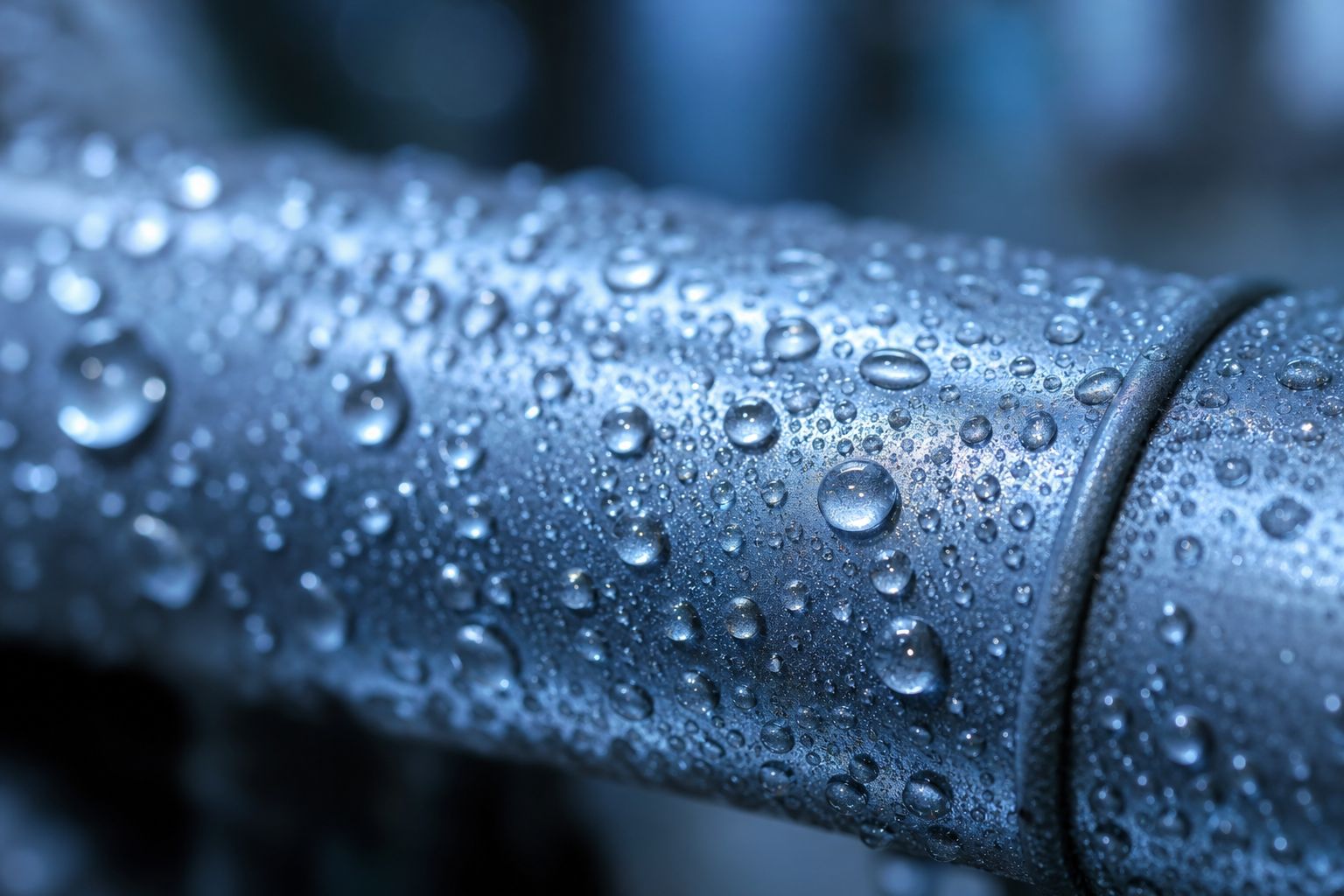
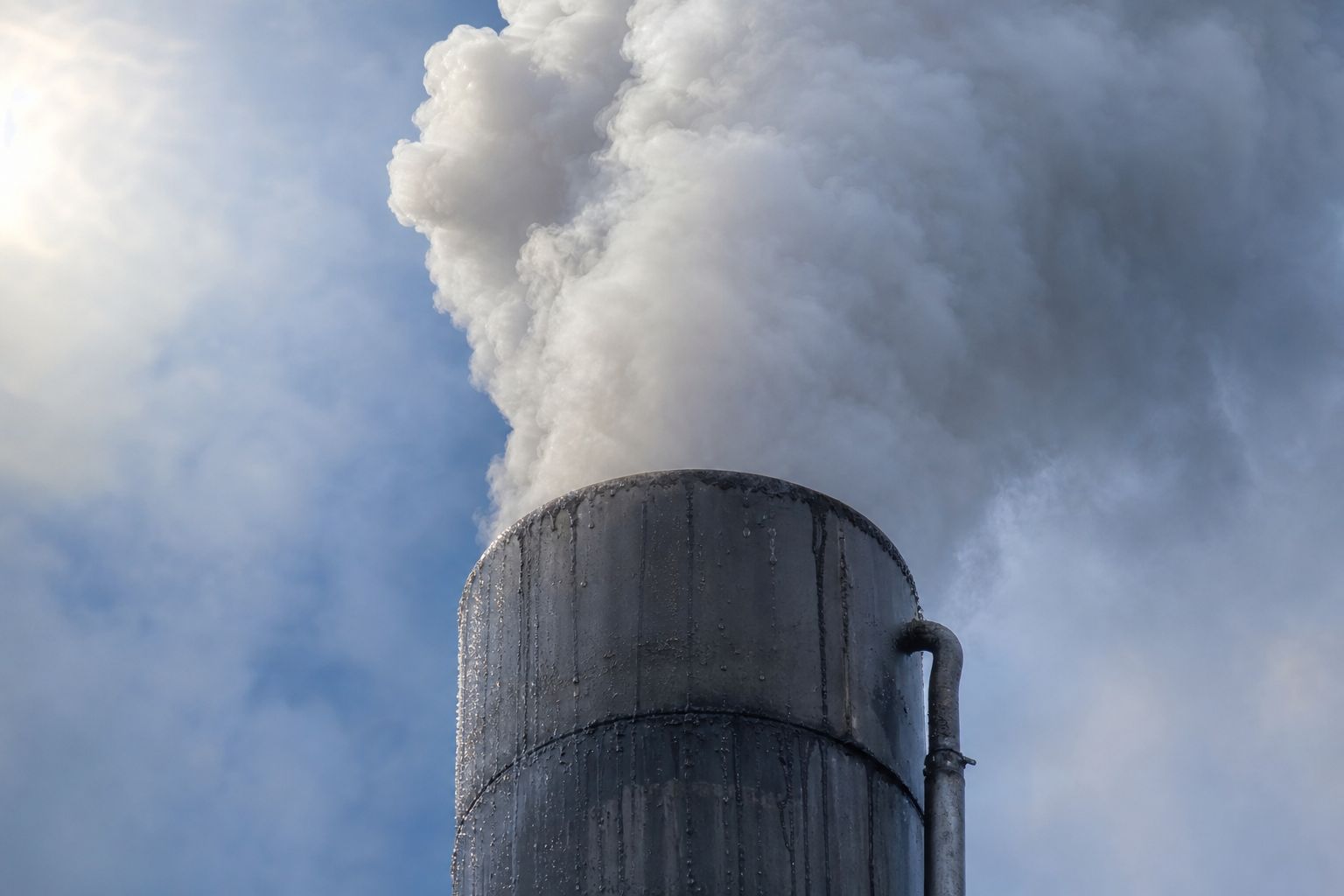
Carbon dioxide is only about four molecules in every ten thousand of the air. Smoke holds far more, but on many solid traps, the water in smoke gets in the way.
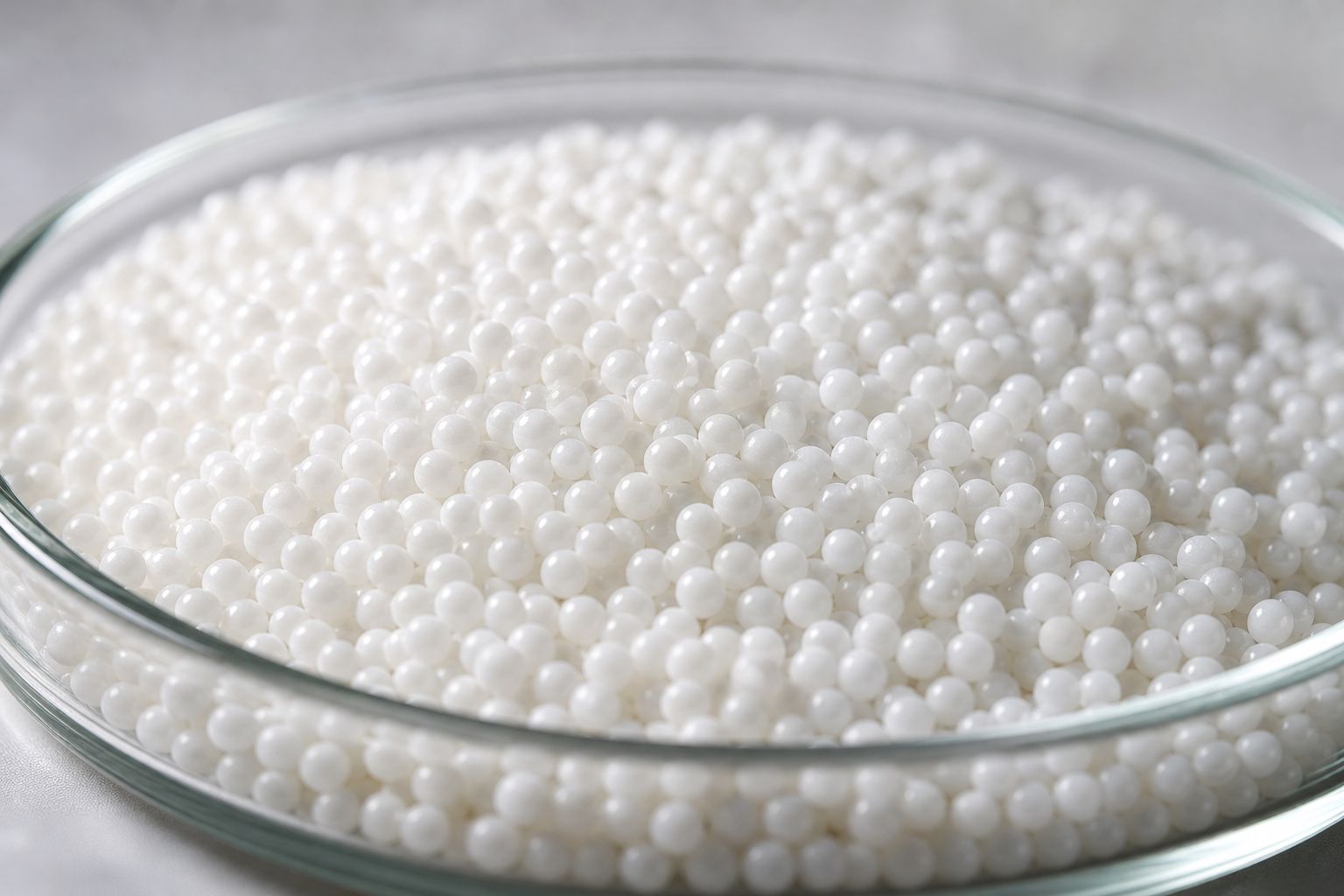
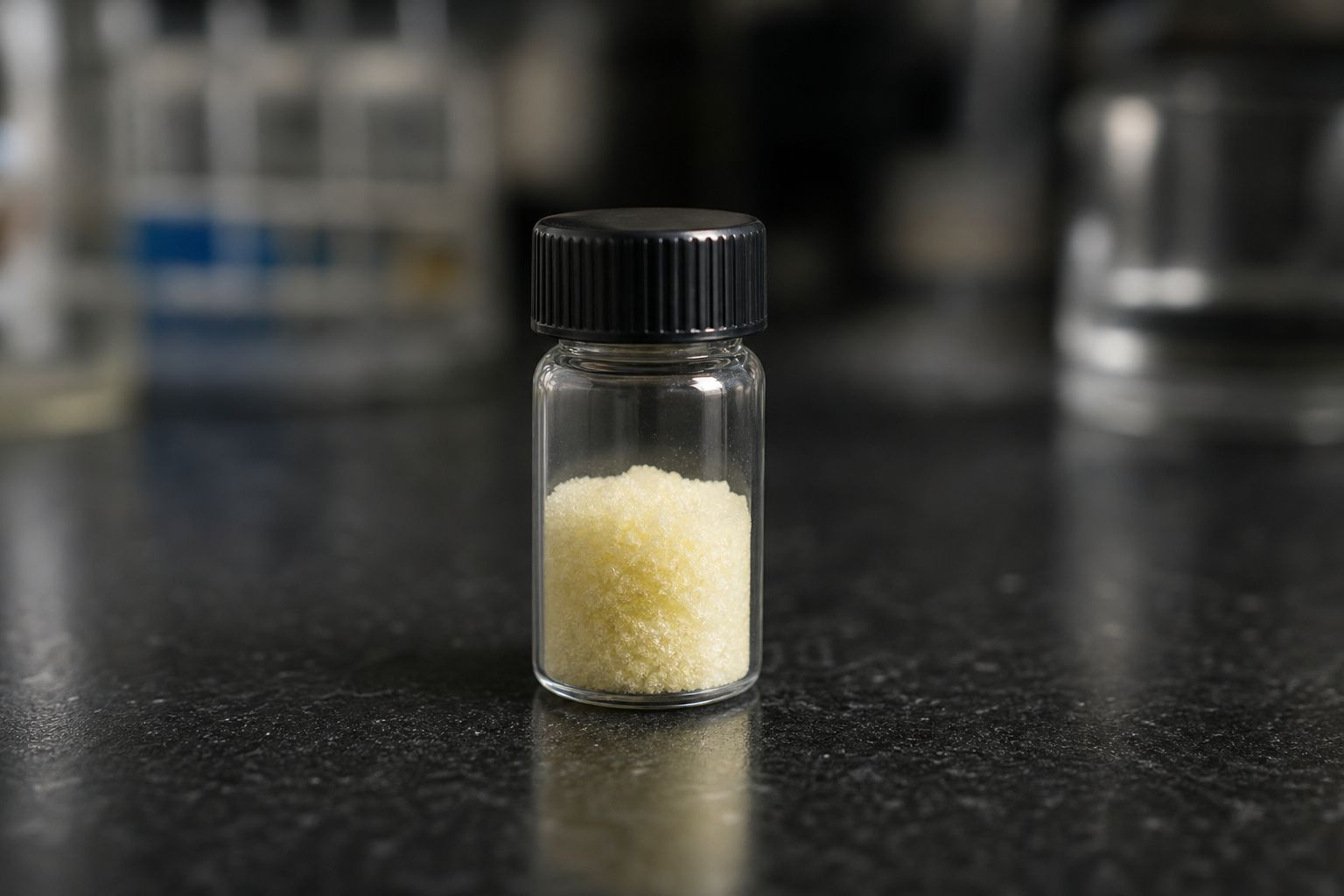
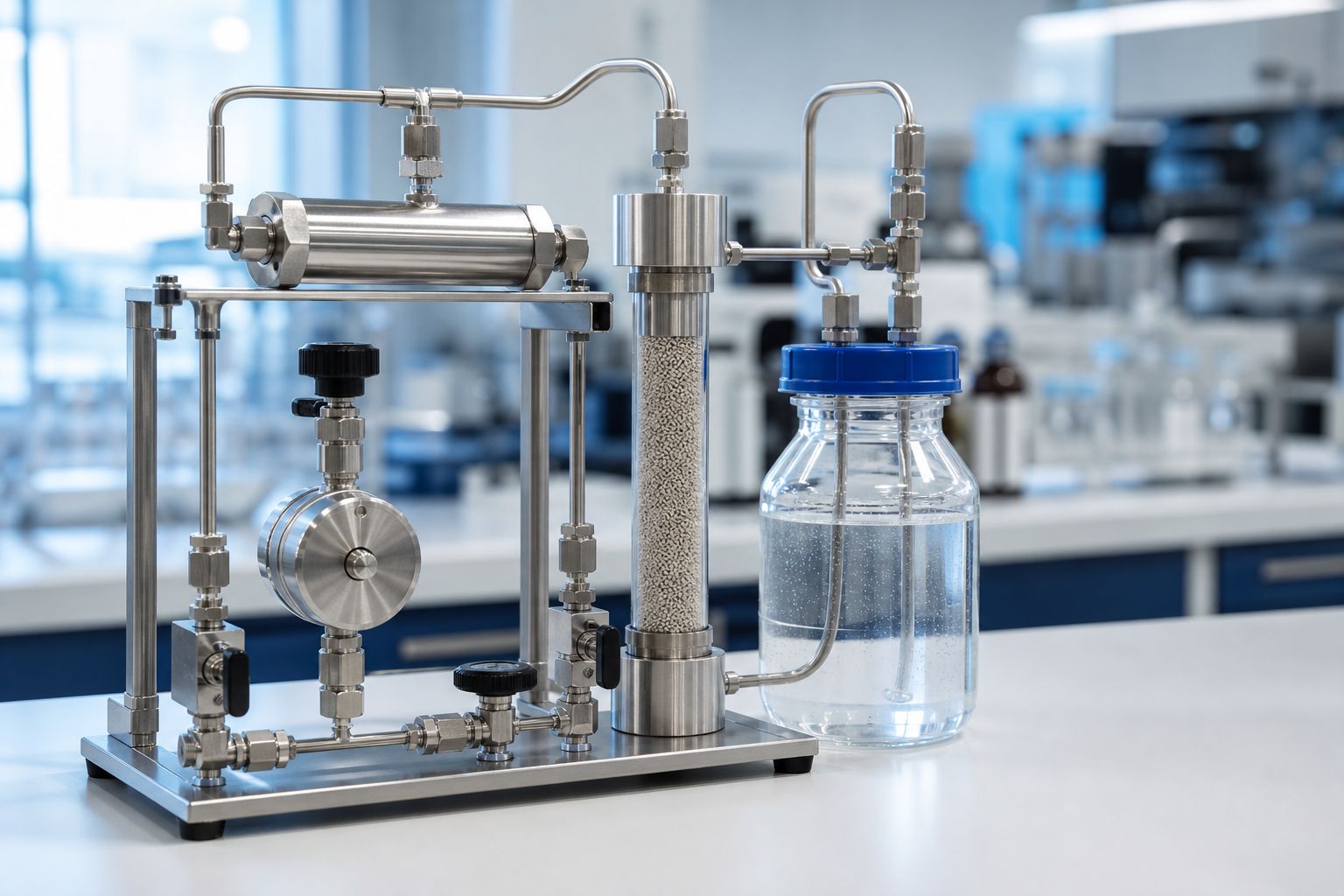
This November, chemists at Oregon State University reported a porous crystal that kept grabbing CO2 from very humid gas. Catching CO2 and locking it away underground is called carbon capture and storage, or CCS.
It is one new lab result, not yet tried at the size of a power plant.

- 4%
- CO2 in the humid test gas
- dozens
- capture-and-release cycles reported
The news
ScienceDaily (17 November 2026), from an Oregon State University release, and Pulse 2.0: a team led by Kyriakos Stylianou reported in Angewandte Chemie a metal-organic framework called BVR-X that captured CO2 from a highly humid gas stream containing only 4% CO2 and kept its performance over dozens of capture-and-release cycles. The results are from laboratory tests; a patent application has been filed, and the work was funded in part by Saudi Aramco, with collaborators from the ARAMCO Research and Development Center among the co-authors.
This is one new study. Chapter III explains the problem it addresses; the rest of the film is the established science of capture and storage.
The 3D scenes are simplified teaching models: molecules, columns and rock layers are drawn schematically and not to scale.
Sources: ScienceDaily (17 Nov 2026, Oregon State University): This remarkable new material could solve a major carbon capture problem; Pulse 2.0 (2026): Oregon State researchers develop new carbon capture material for humid industrial emissions