Technology · Biology
How bionic eyes work
Seeing in dots of light.
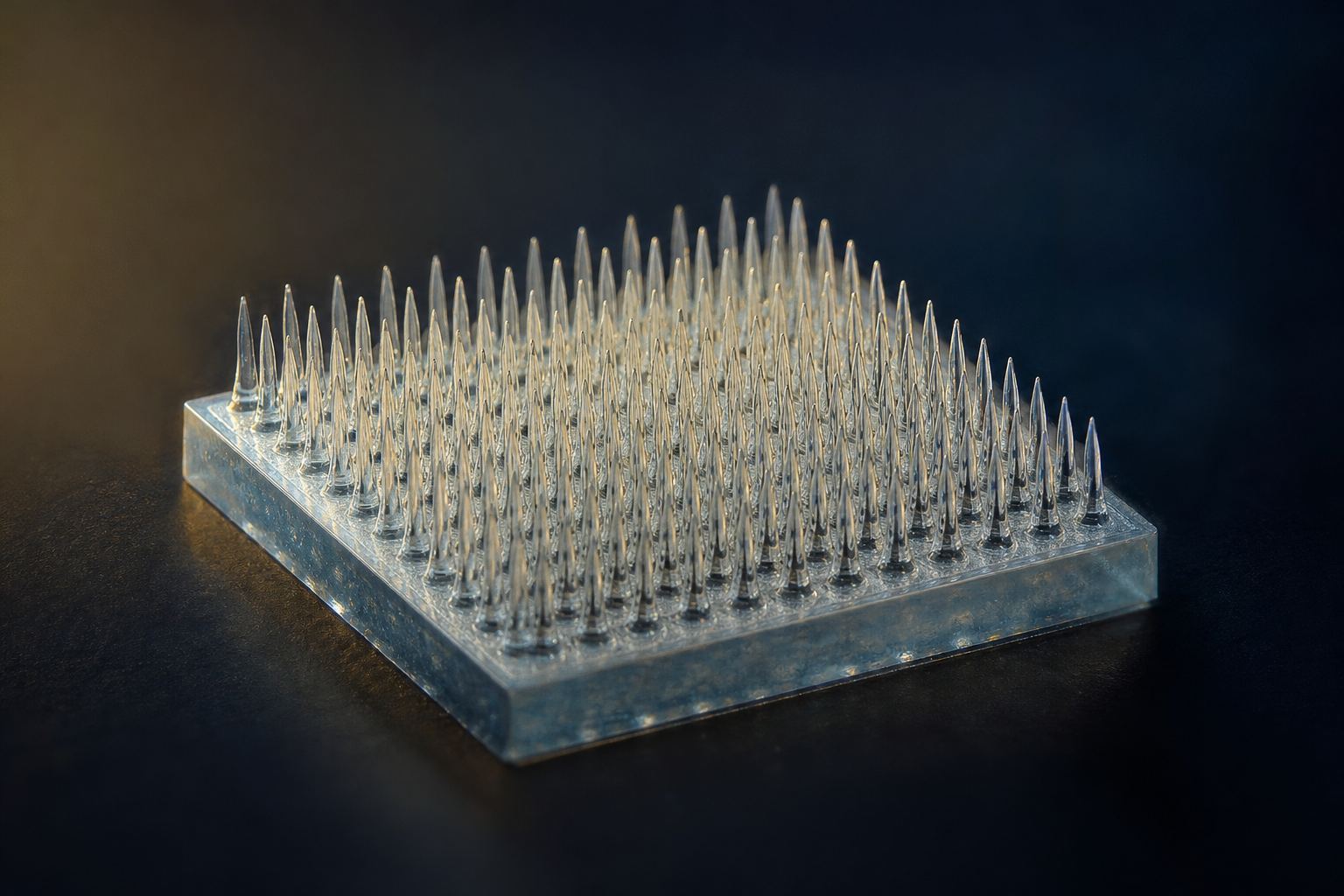
A blind man saw flashes of light, made by 96 tiny electrodes in his brain.
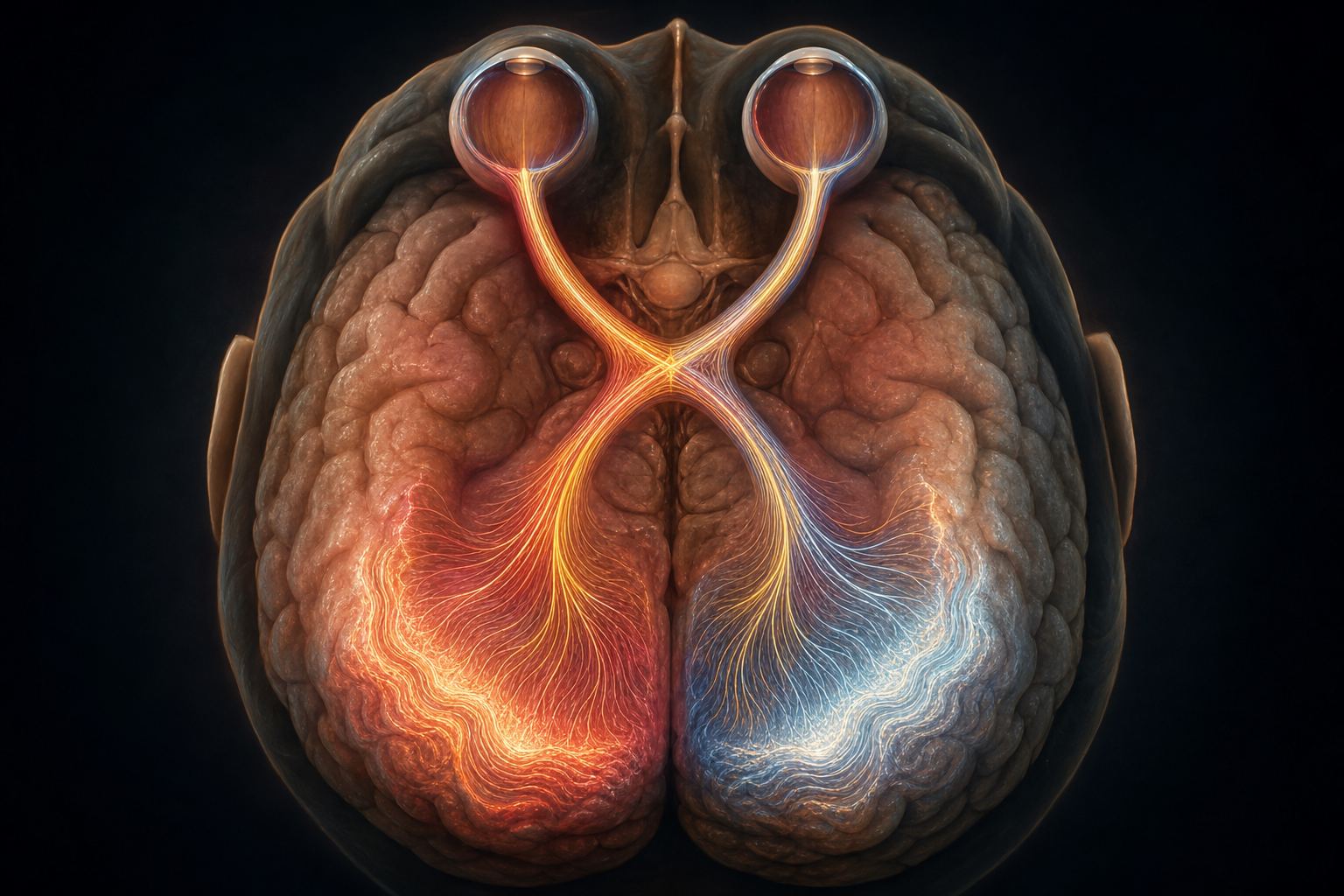
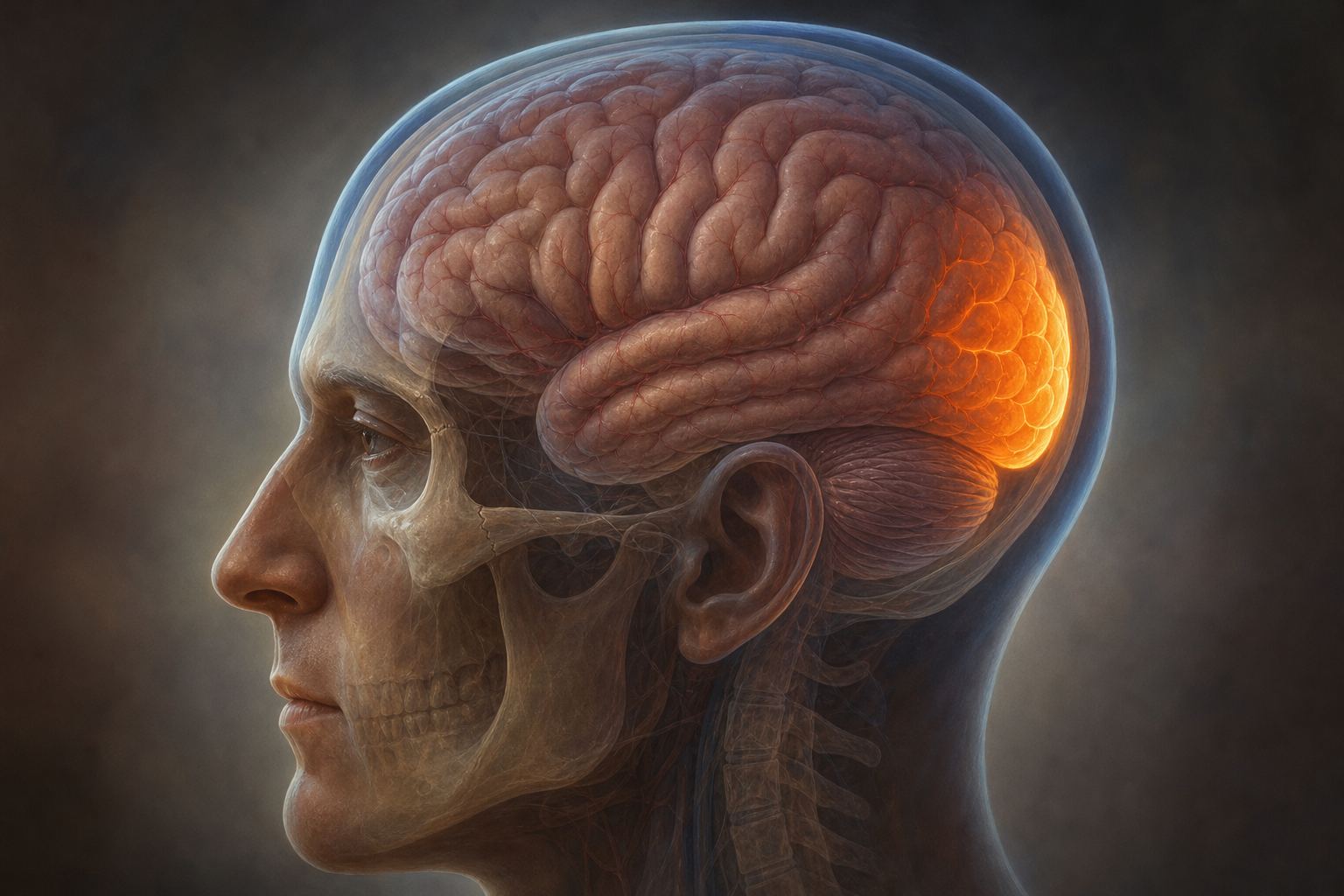
He is 27, blinded by a brain injury. In a hospital in Elche, Spain, the electrodes were placed in his visual cortex, the part of the brain that builds what we see, which still responds.
Researchers from UC Santa Barbara, ETH Zurich and a Spanish university reported in the journal Neuron that an AI model could choose the current for those electrodes.
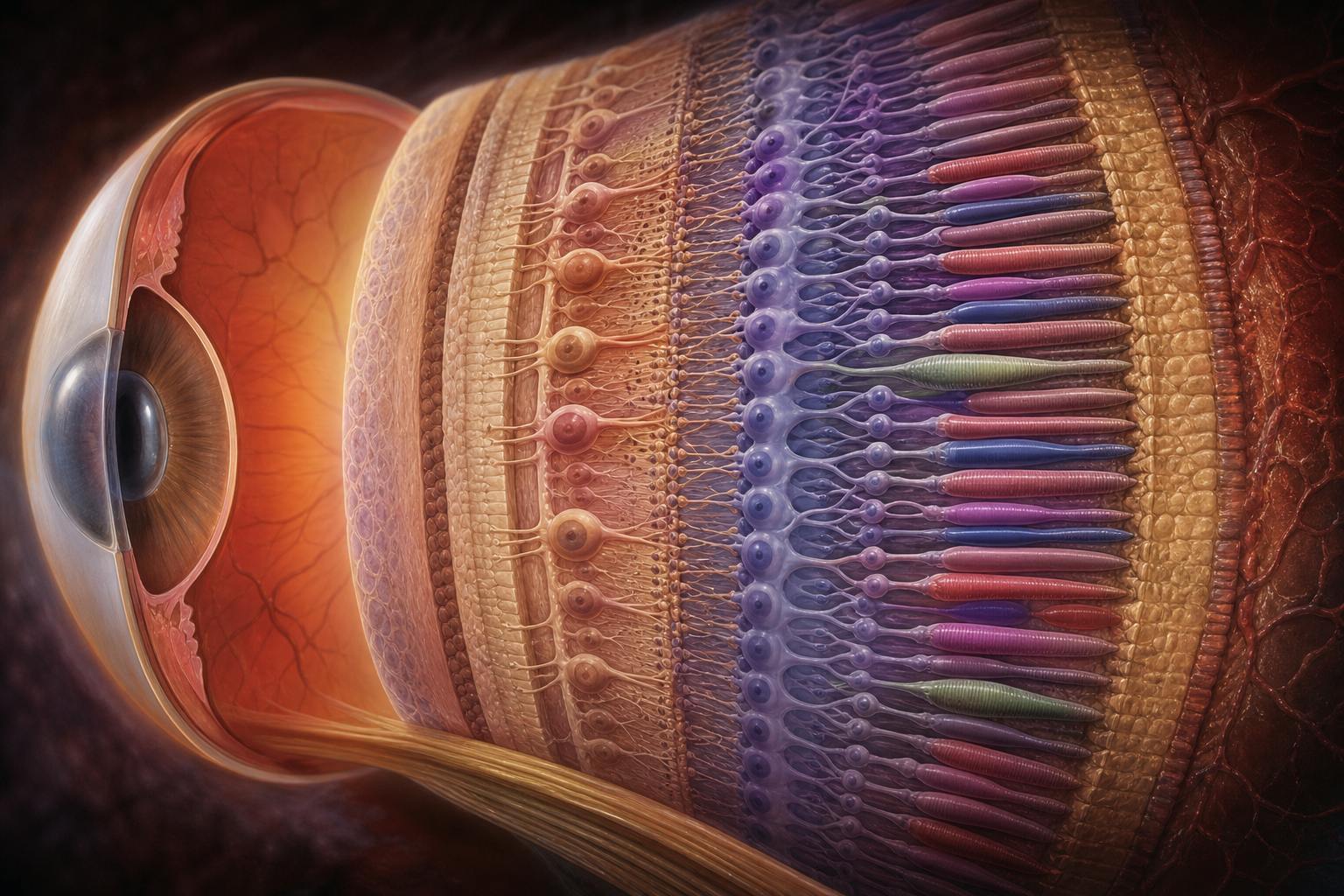
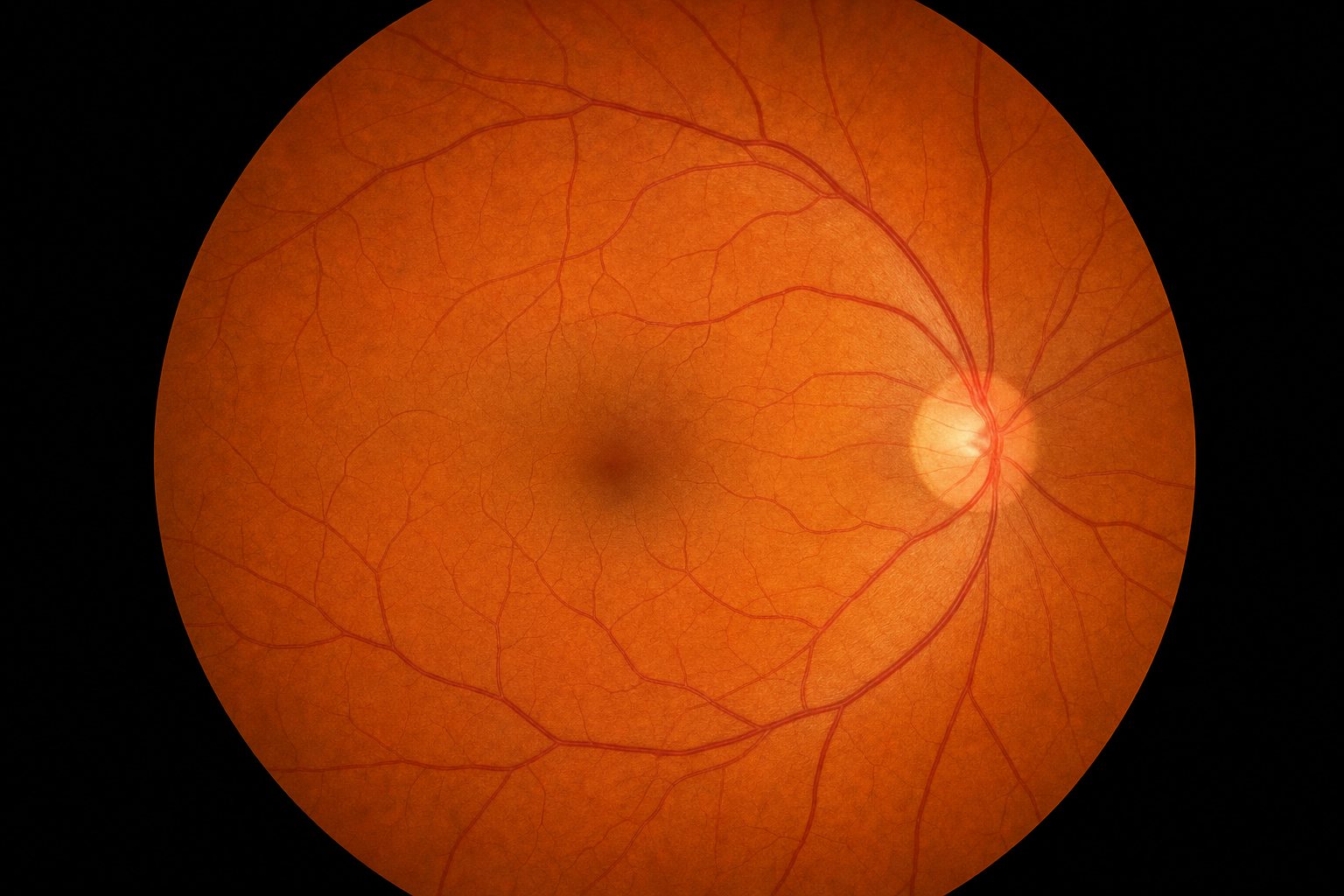
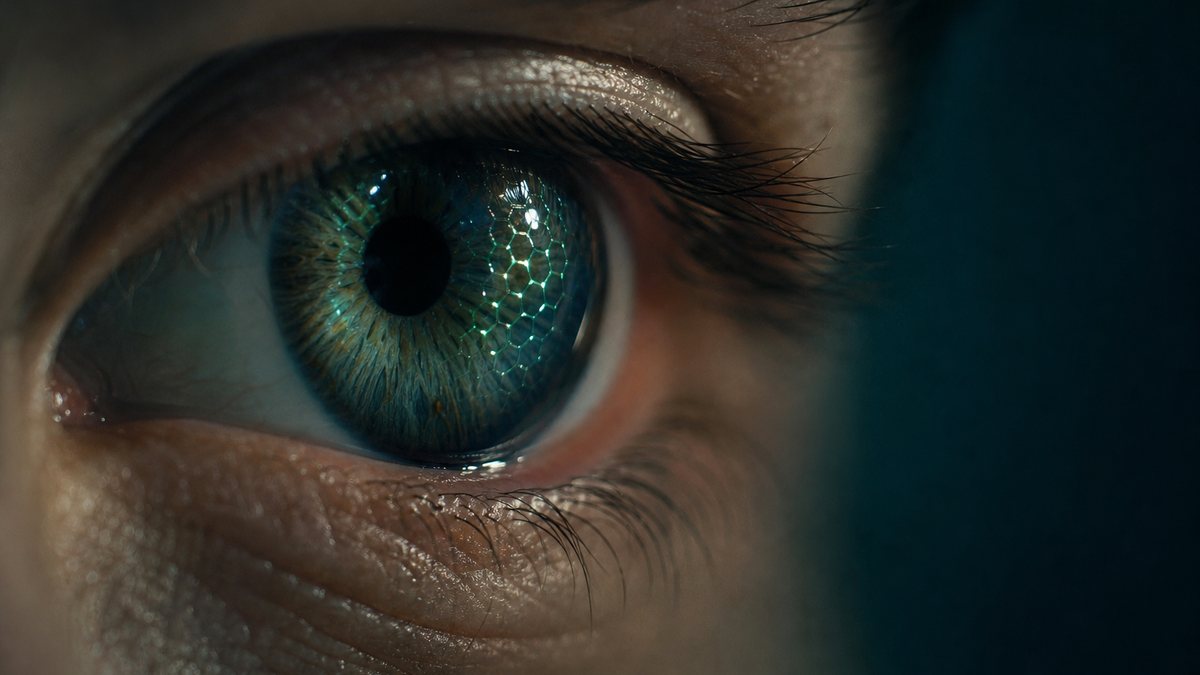
To understand how that works, start with how a healthy eye sees.
- 96
- electrodes in the visual cortex
- 1
- volunteer, aged 27
- Neuron
- journal

- UC Santa Barbara, USA
- ETH Zurich, Switzerland
- Miguel Hernández University, Spain
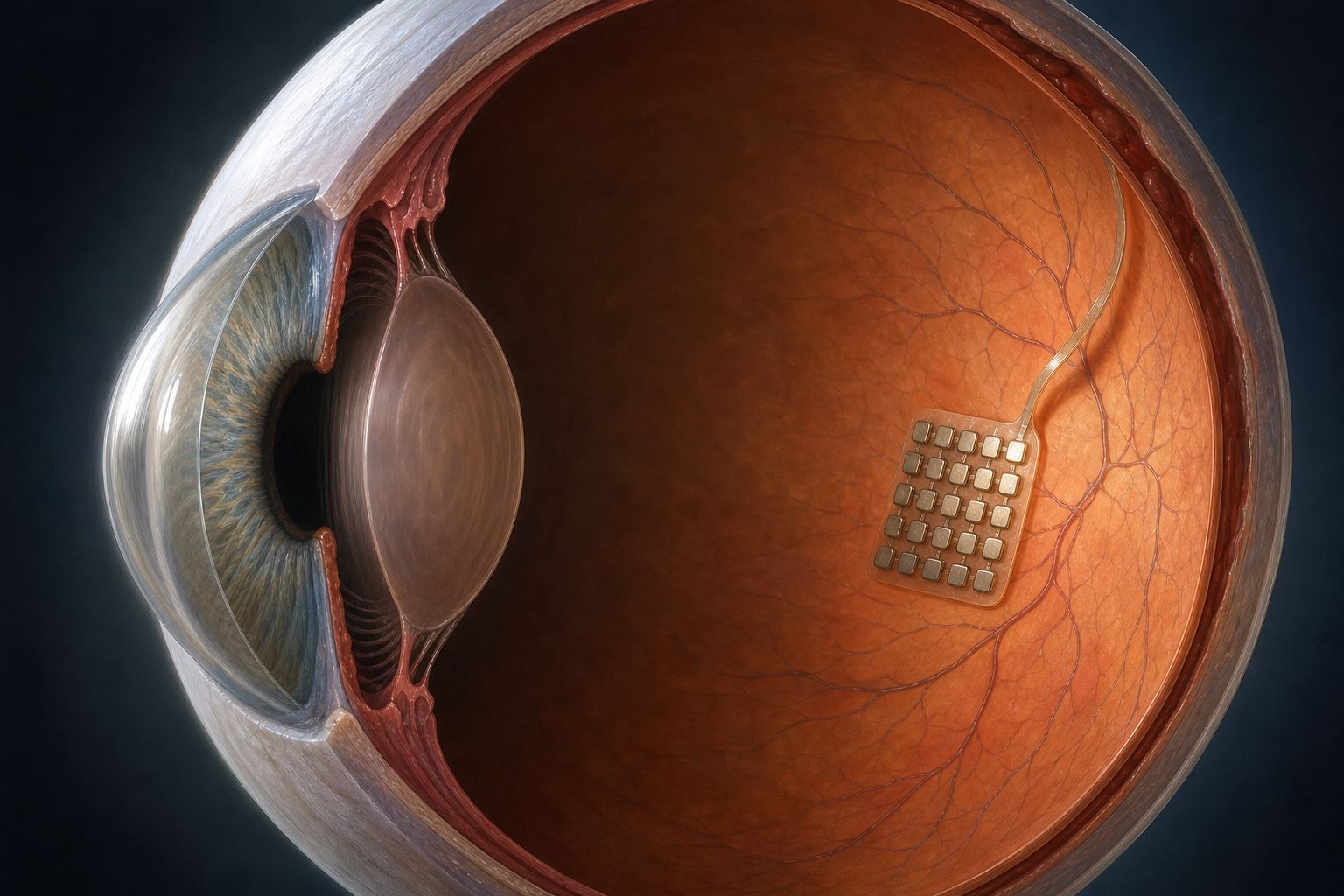
- how the eye turns light into signals
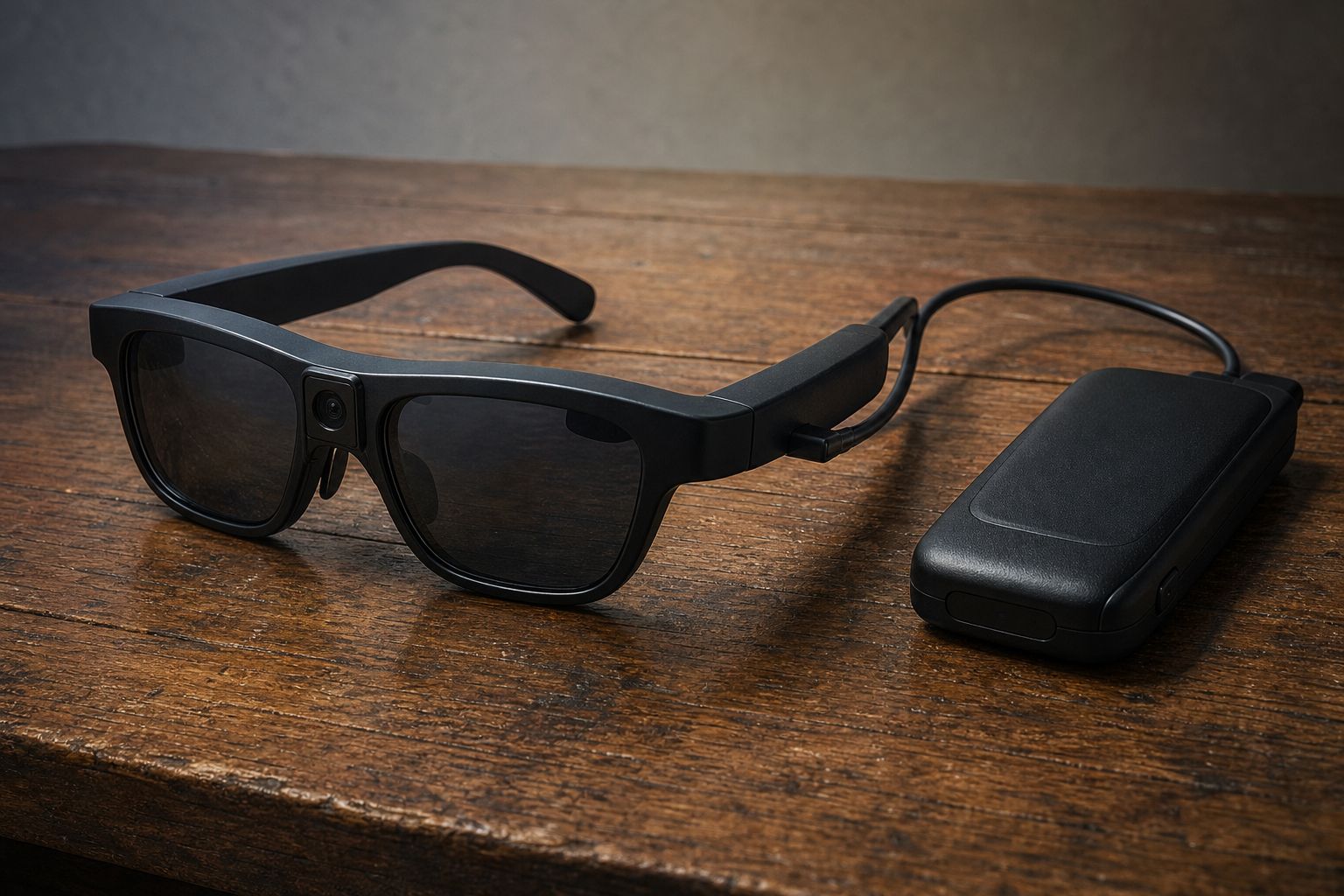
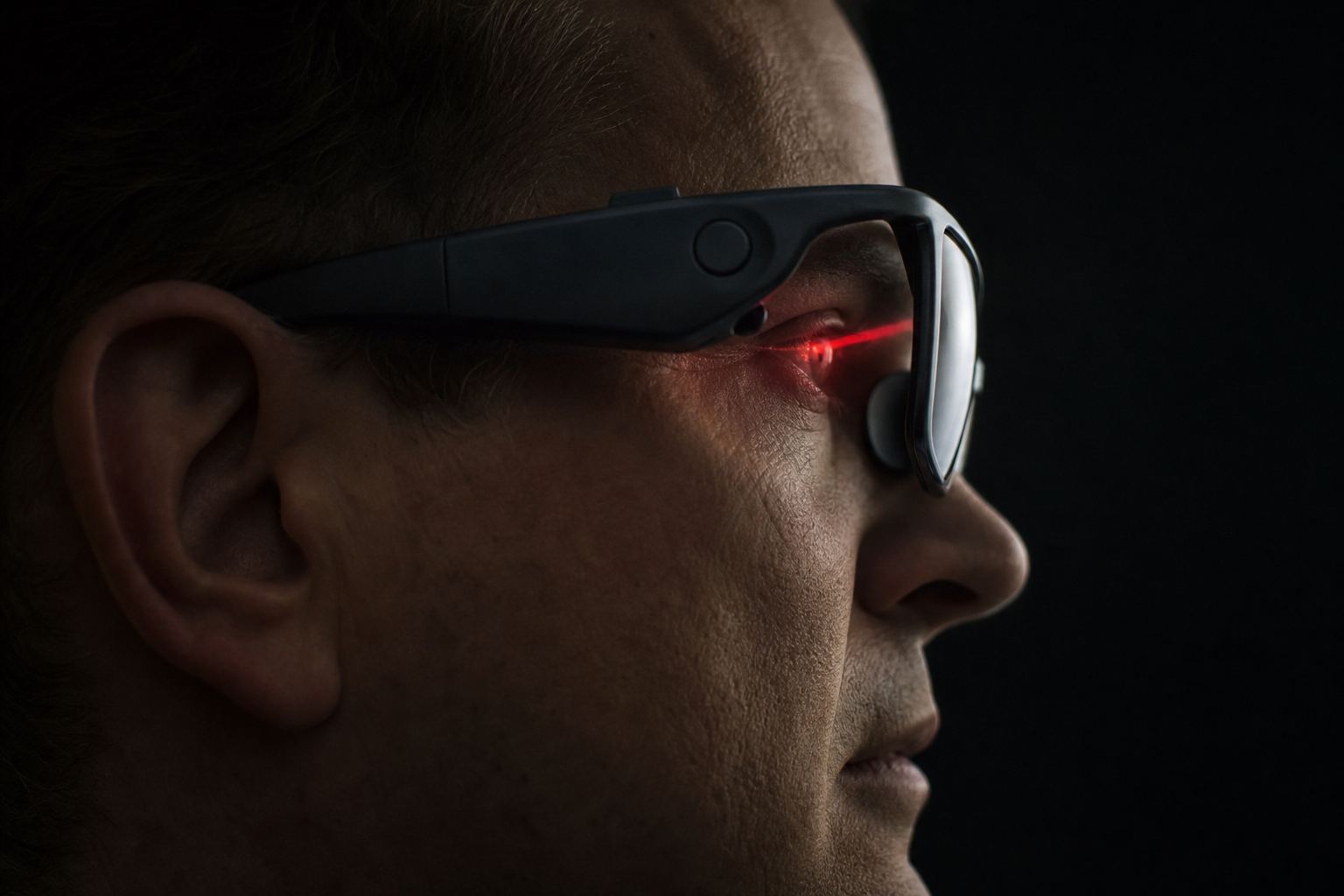
- a camera wired to the retina
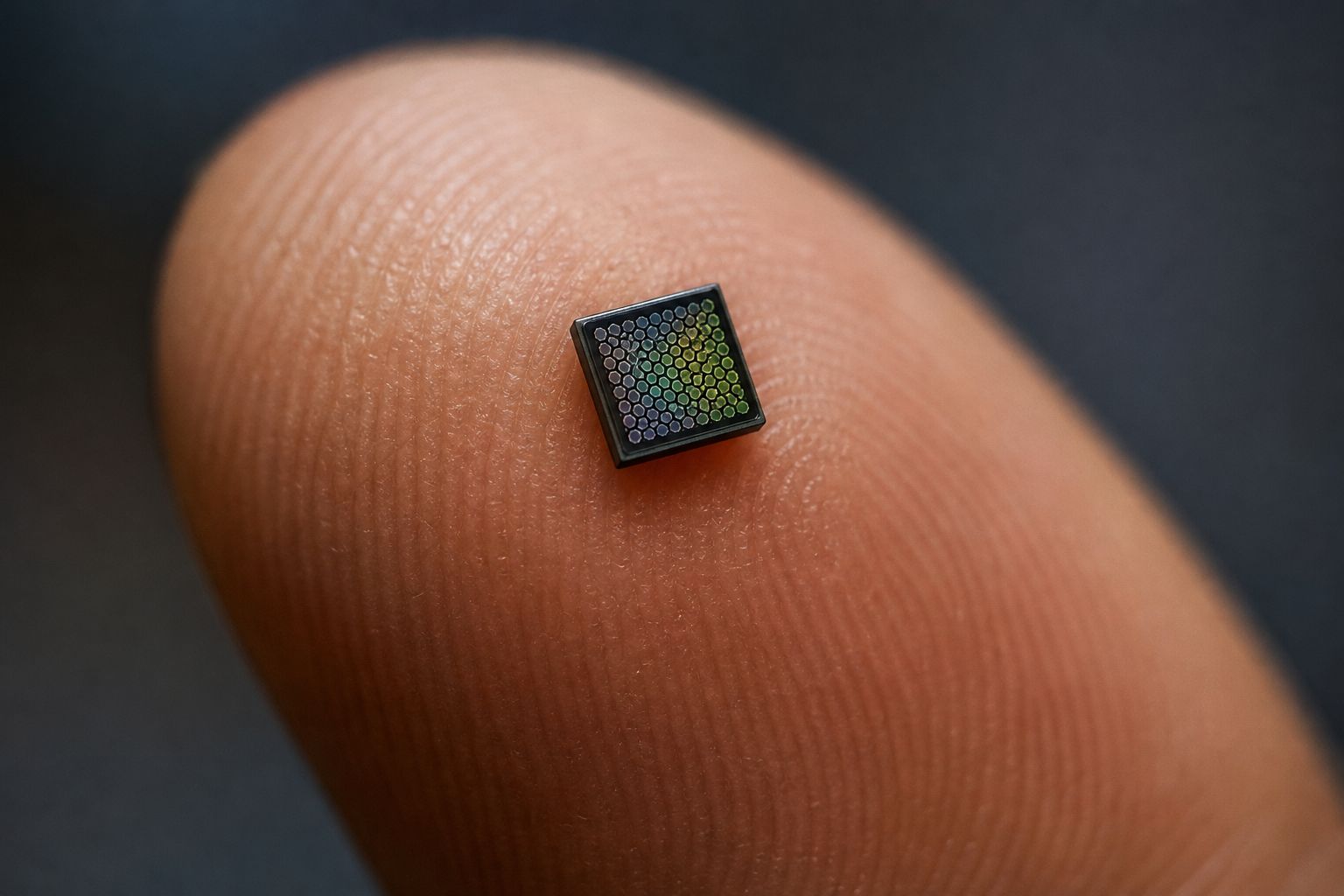
- a 2 mm chip that helped people read
- implants in the brain itself
- what they still cannot do
The news
UC Santa Barbara, via ScienceDaily (12 November 2026) and EurekAlert! (7 August 2026): in Neuron, Michael Beyeler’s team with ETH Zurich and Miguel Hernández University reported a deep-learning model that chose stimulation for a 96-electrode array in the visual cortex of a 27-year-old man blinded by traumatic brain injury, at Hospital IMED Elche. AI-chosen patterns reproduced target brain activity more accurately and with less current. The work remains experimental; the participant saw flashes and shapes of light.
This film is education, not medical advice: ask an eye doctor about any treatment.
The 3D scenes are simplified teaching models, not to scale.
Sources: ScienceDaily / UC Santa Barbara (12 Nov 2026): AI-powered bionic eye breakthrough could help the blind see again; EurekAlert! / UC Santa Barbara (7 Aug 2026): Deep learning refines how bionic eyes communicate with the brain