PlanetPast
EN

History · Society

How Apartheid Ended

From Pass Laws to One Person, One Vote

In November 2026 the African National Congress, which has led South Africa since 1994, won 30.76% in local elections, its lowest share yet. This film explains how that party came to power: the apartheid system the National Party built after 1948, with racial classification, separate residential areas, pass laws and homelands; resistance from the Freedom Charter of 1955 to Sharpeville in 1960, the banning of the ANC and PAC, armed struggle, the Rivonia Trial, the Soweto uprising of 1976 and the United Democratic Front; international pressure through the UN arms embargo, sports boycotts and sanctions; F. W. de Klerk’s speech of 2 February 1990 and Nelson Mandela’s release; negotiations, the 1992 referendum and the violence of the transition; the election of 27 April 1994; the 1996 Constitution and the Truth and Reconciliation Commission; and the ANC’s falling vote since. Figures are attributed to their sources, and where accounts differ, the film says so.

Interactive 3D film11 min1948 to 2026Published 13 November 2026

Watch the interactive filmRead in ไทย

Prologue

History

From pass laws to the ballot box

How apartheid ended, and what came after.

In 1994, millions of South Africans voted for the first time in their lives. On 8 November 2026, the party they elected, the African National Congress, or ANC, recorded its lowest share yet in local elections: 30.76 percent.

The Democratic Alliance came second, with 24.64 percent. In 127 of 213 municipalities, no party won a majority of seats, so coalitions must be negotiated.

The ANC has led the national government ever since 1994. How did that first election open to all come about?

To answer that, we go back almost eighty years, to a system of laws called apartheid.
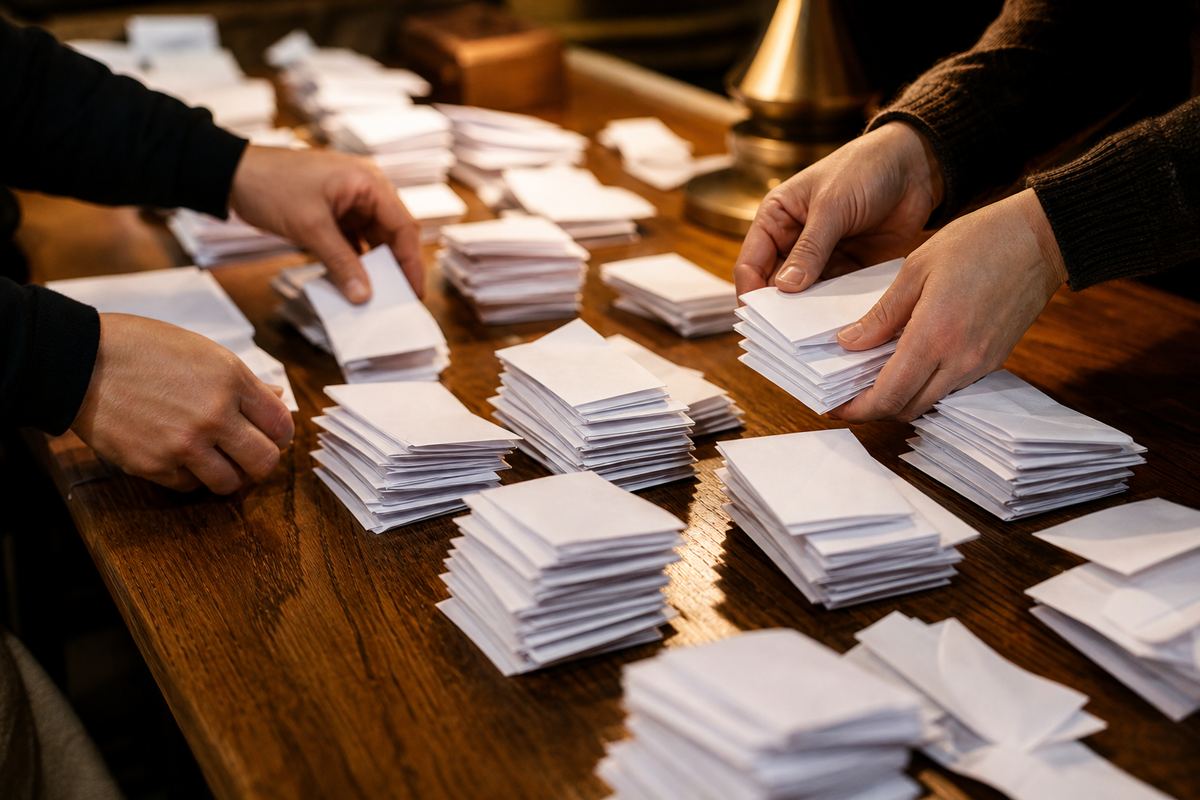
Counting the vote Ballot papers being sorted on a long table at a counting station; no party names or faces shown. AI-generated illustration, not a photograph.
30.76%
ANC, first place
24.64%
Democratic Alliance (DA)
2026 local elections (IEC, via SAnews)
127 / 213
municipalities with no majority
66
in 2021
Hung councils (IEC; EWN)
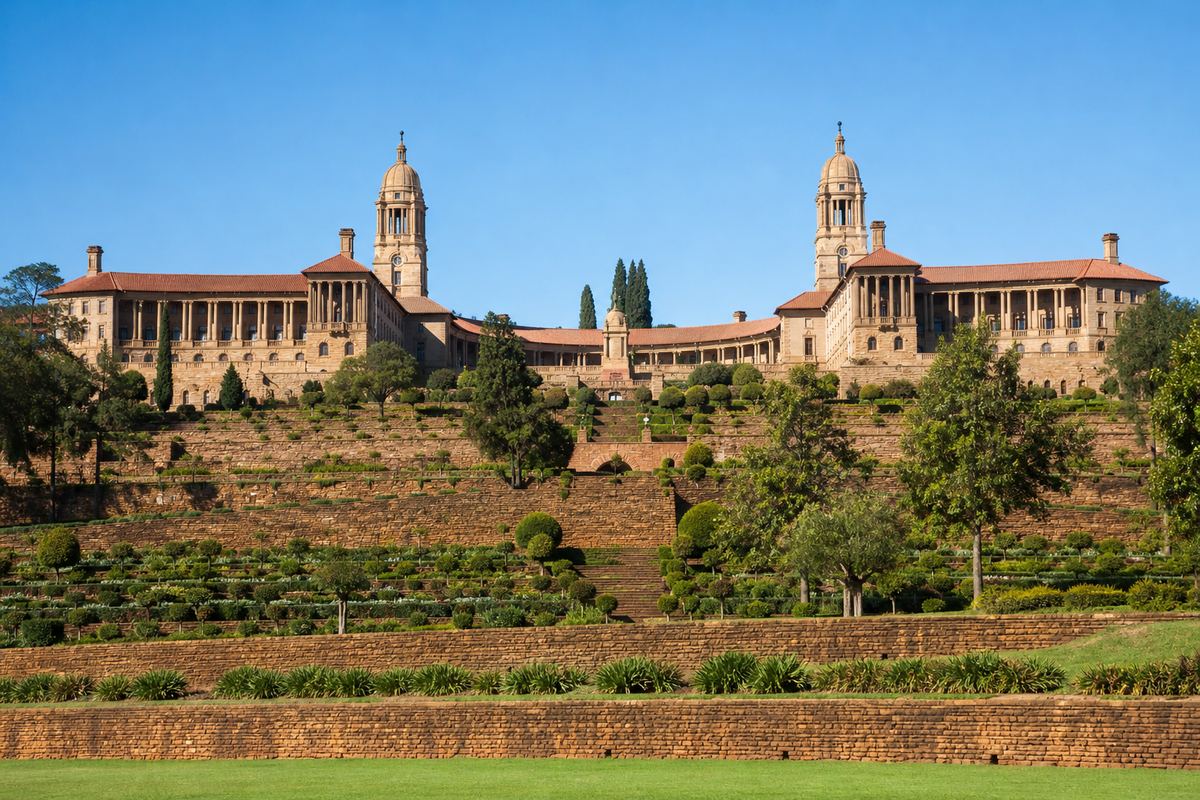
The seat of government A grand sandstone government building with terraced gardens on a hill, in the style of Pretoria’s Union Buildings. AI-generated illustration, not a photograph.
  1. 27 Apr 1994 first election open to all; ANC 62.65%
  2. 4 Nov 2026 local elections; ANC 30.76%, turnout 52%
Two elections
Prologue

The news

SAnews (8 November 2026): the Electoral Commission (IEC) declared the results of the local government elections of 4 November in Midrand; the ANC won 30.76% and 3,246 seats, the Democratic Alliance 24.64% and 1,695 seats, and the MK party 9.76%; turnout was 52%, up from 45.9% in 2021; 127 of 213 municipalities are hung. Reuters (8 November 2026): no party won more than 50% in many cities including Johannesburg, and parties have 14 days to negotiate coalitions. Al Jazeera: the ANC’s share fell about 14 points from 2021 and it won no outright majority in any of the eight metros. EWN: hung councils rose from 66 in 2021 to 127.

Some agency reports gave slightly different early figures; the film uses the IEC’s declared results.

The 3D scenes are schematic: the tiles, figures and bars are drawn to show proportions and events, not maps or real people.

Sources: SAnews, South African Government News Agency (8 Nov 2026): IEC declares 2026 local government election results; Reuters via The Star (8 Nov 2026): South Africa’s ANC battered by local election losses ahead of coalition talks; Al Jazeera (8 Nov 2026): South Africa’s ANC suffers setback in local elections; EWN: ANC loses significant ground in 2026 local government elections

Chapter I · A system of separation

Chapter I · A system of separation

Sorted by law

The National Party and the first apartheid laws.

Racial segregation in South Africa was old, but in 1948 the National Party, led by Daniel Malan, won power and wrote it fully into law.

Its name was apartheid: apartness, in Afrikaans, a language that grew out of Dutch in South Africa.

The Population Registration Act of 1950 classified every person by race: white; ‘Coloured’, the law’s word for people of mixed descent; or ‘Bantu’, its word for Black Africans, a term now considered offensive. ‘Asian’ was added later.

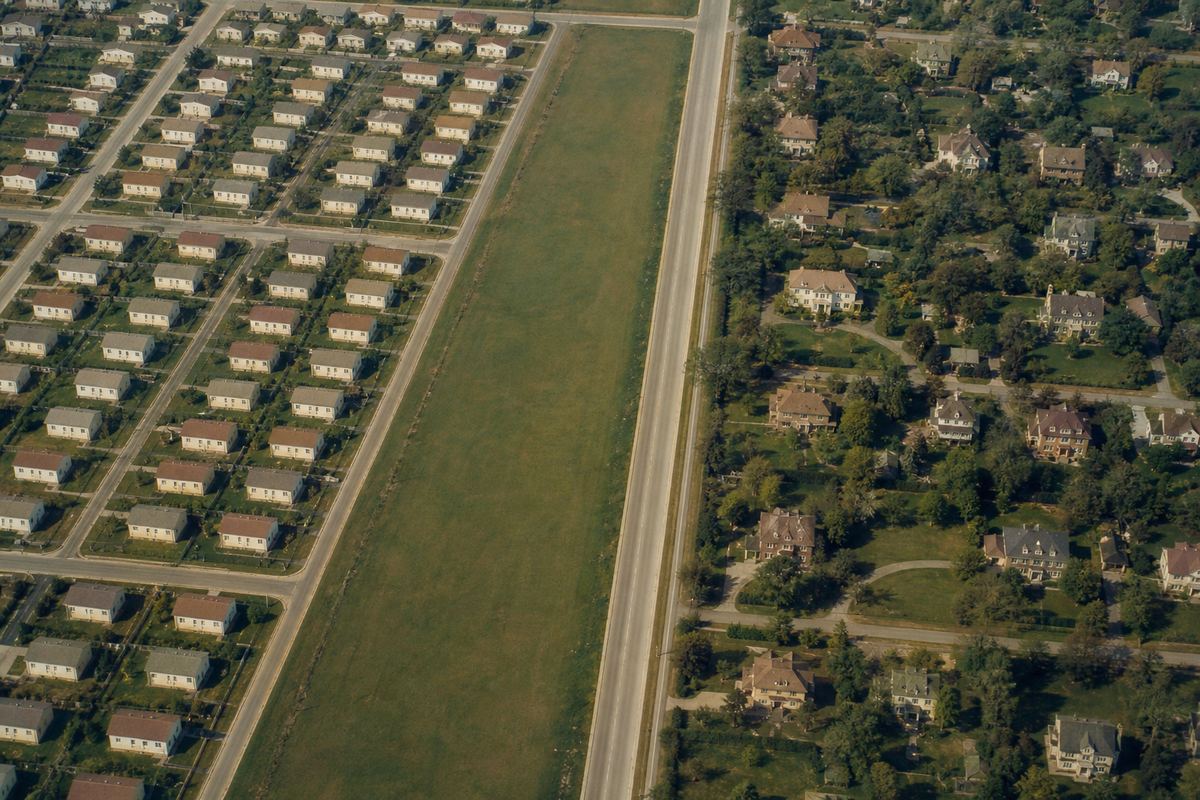
The Group Areas Act of the same year set aside separate residential and business areas in towns and cities for each group.

Where you were classified decided where you could live, which schools you could attend, and whether you could vote for parliament.

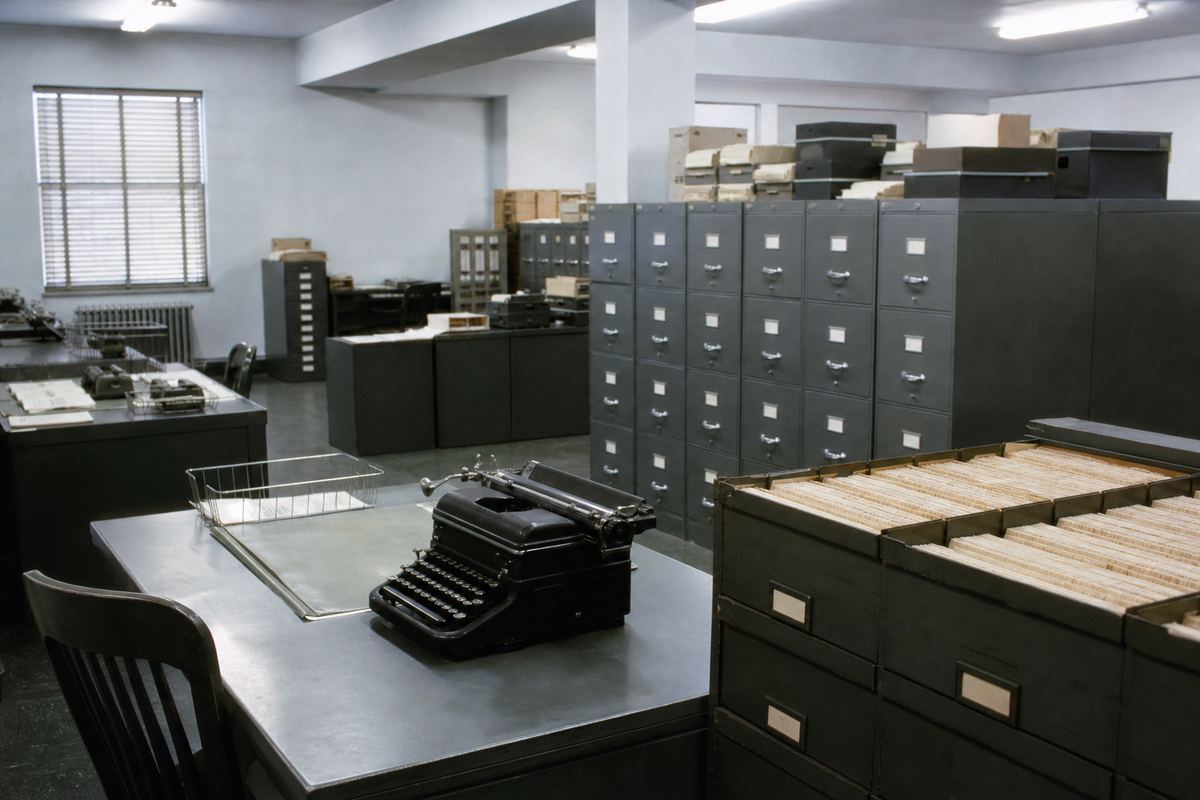
A government registry Rows of filing cabinets and index cards in a 1950s government office: every person had a racial category on record. AI-generated illustration, not a photograph.
  1. 1948 National Party wins power under D. F. Malan
  2. 1950 Population Registration Act: racial classification
  3. 1950 Group Areas Act: separate urban areas
The first apartheid laws (Britannica)
  • white
  • “Coloured”: mixed descent
  • “Bantu”: Black Africans
  • “Asian”: added later
The categories in the 1950 law (Britannica)
Separate areas Two neighbourhoods divided by an empty strip of land: a planned buffer of the kind the Group Areas Act produced. AI-generated illustration, not a photograph.
  • where you could live
  • which schools you could attend
  • whether you could vote for parliament
What your category decided
Chapter I · A system of separation

Apartheid in law

Britannica: in 1948 the National Party, led by Daniel F. Malan, gained office and enforced existing segregation through apartheid; the Population Registration Act (1950) classified South Africans as Bantu (Black Africans), Coloured (of mixed race) or white, with a fourth category, Asian, added later; the Group Areas Act (1950) established residential and business sections in urban areas for each race. The Population Registration Act was in effect from 1950 to 1991.

The category names are those used in the laws of the time, quoted here as history.

The 3D scenes are schematic: the tiles, figures and bars are drawn to show proportions and events, not maps or real people.

Sources: Britannica: Apartheid; Britannica: Population Registration Act

Chapter I · A system of separation

Where you could be

Pass laws, land and the homelands.

Pass laws required people who were not white to carry documents allowing them to be in restricted areas. Without the right pass, a person could be arrested.

Land laws, some of them older than apartheid, reserved more than eighty percent of the country’s land for the white minority.

From 1959, Black South Africans were assigned by ethnic group to eight, later ten, homelands, or Bantustans.

The government called this ‘separate development’, presenting the homelands as nations of their own. Four were declared independent, but no foreign government recognised them.

Under the Bantu Education Act of 1953, Black children went to separate state-run schools.

A pass book A worn identity booklet in a pocket, the kind of document that had to be carried at all times. AI-generated illustration, not a photograph.
> 80%
of the land set aside for the white minority
Land (Britannica)
8 → 10
homelands, by ethnic group
4
declared “independent”, recognised abroad by none
Homelands (Britannica)
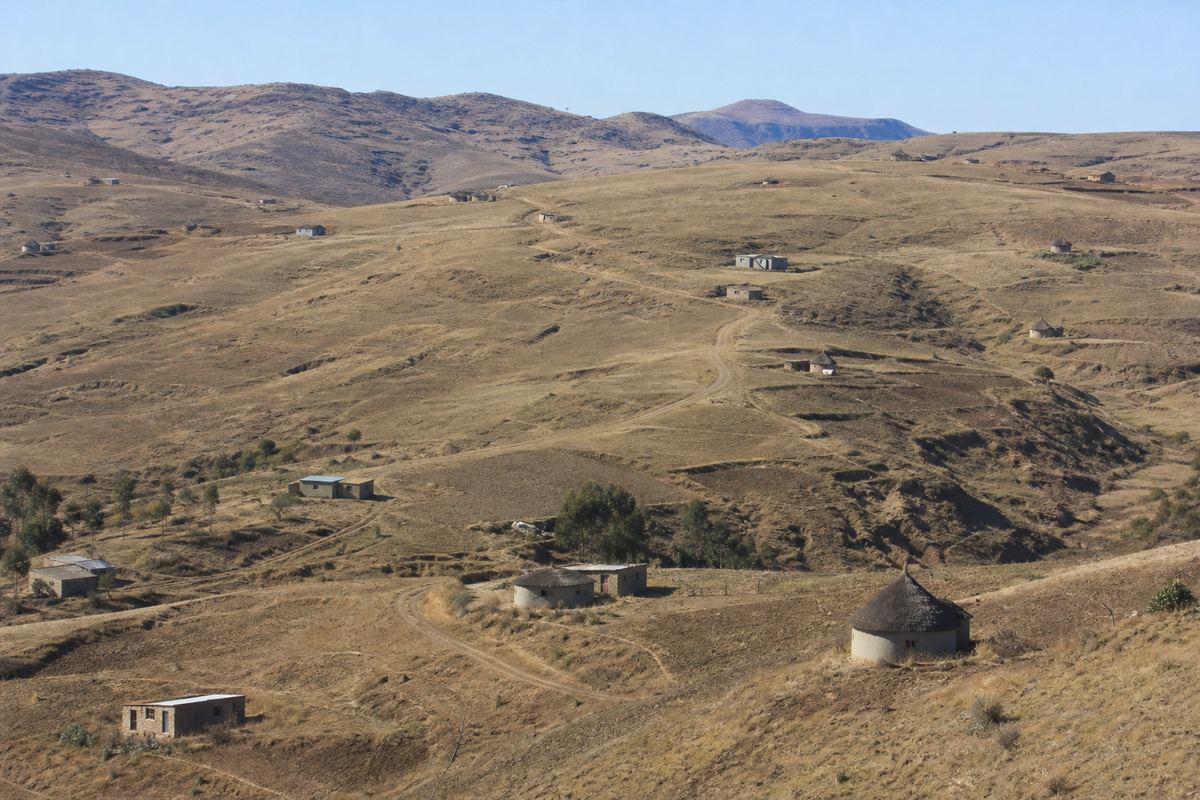
Far from the cities Dry hills and scattered houses far from any city: much homeland territory was rural and fragmented. AI-generated illustration, not a photograph.
  • passes for restricted areas
  • separate residential areas
  • separate schools (1953)
  • homelands by ethnic group (from 1959)
Everyday apartheid (Britannica)
Chapter I · A system of separation

Passes, land and homelands

Britannica: pass laws required nonwhites to carry documents authorizing their presence in restricted areas; apartheid set aside more than 80 percent of South Africa’s land for the white minority; the Bantu Authorities Act (1951) and the Promotion of Bantu Self-Government Act (1959) created 8, later 10, African homelands, or Bantustans; four were granted nominal independence, which no foreign government recognised; under Bantu Education (1953) Black children were required to attend separate state-run schools. Mail & Guardian (2001): the pass laws ended in 1986.

The tiles show only the share of land, not its shape or place on a map.

The 3D scenes are schematic: the tiles, figures and bars are drawn to show proportions and events, not maps or real people.

Sources: Britannica: Apartheid; Mail & Guardian (2001): Ten years since the day apartheid died

Chapter II · Resistance

Chapter II · Resistance

All who live in it

The ANC and the Freedom Charter.

Opposition was older than apartheid itself. The African National Congress was founded in 1912, as the South African Native National Congress.

On 26 June 1955, at Kliptown near Johannesburg, a mass meeting called the Congress of the People adopted the Freedom Charter. It opens: South Africa belongs to all who live in it, black and white.

It also declared that every man and woman should have the right to vote, a demand that took almost forty years to be met.

Protest at that time was largely non-violent: boycotts, strikes, and campaigns of breaking apartheid laws in public.

That would change after 1960.

  1. 1912 South African Native National Congress founded (later the ANC)
  2. 1948 apartheid begins
  3. 1955 Freedom Charter adopted
Before 1960
South Africa belongs to all who live in it, black and white…The Freedom Charter, Kliptown, 26 June 1955
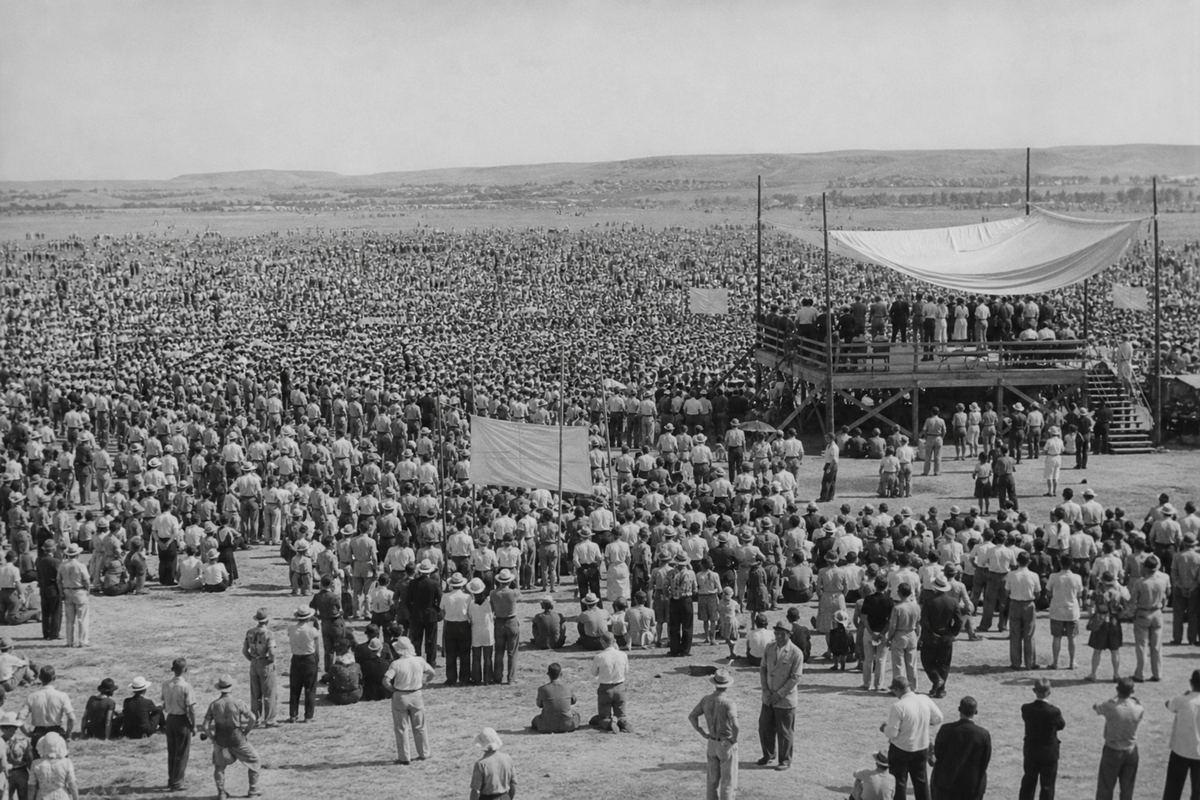
A congress in the open air A large open-air gathering on a dusty field in the 1950s, seen from a distance, banners without text. AI-generated illustration, not a photograph.
Every man and woman shall have the right to vote…The Freedom Charter, 1955
  • boycotts
  • strikes
  • breaking apartheid laws in public
Protest in the 1950s
Chapter II · Resistance

The ANC and the Freedom Charter

Britannica (ANC at a glance): founded in 1912 as the South African Native National Congress; banned from 1960 to 1990. South African History Online: the Freedom Charter was adopted at the Congress of the People, Kliptown, on 26 June 1955, and declares that South Africa belongs to all who live in it, black and white.

The 3D scenes are schematic: the tiles, figures and bars are drawn to show proportions and events, not maps or real people.

Sources: Britannica: African National Congress at a glance; South African History Online: The Freedom Charter

Chapter II · Resistance

The turning point

Sharpeville, bans and the Rivonia Trial.

On 21 March 1960, at Sharpeville, police opened fire on a crowd protesting against the pass laws. By official figures, sixty-nine people were killed and 180 seriously wounded.

The police said the crowd had thrown stones; a reporter at the scene disputed their account. Three more people were killed that day at Langa, near Cape Town.

The government declared a state of emergency, and banned the ANC and the group that had organised the protest, the Pan Africanist Congress, or PAC.

In 1961 the ANC formed an armed wing, Umkhonto we Sizwe, Spear of the Nation, for a campaign of sabotage.

Its leaders were arrested. On 12 June 1964, at the end of the Rivonia Trial, eight of them, among them Nelson Mandela, one of the ANC’s leaders, were sentenced to life in prison. Seven were sent to Robben Island, off Cape Town.

69
people killed
180
seriously wounded
Sharpeville, 21 March 1960 (official figures, via SAHO)
  • Police: the crowd threw stones
  • Humphrey Tyler, a reporter there: disputed the police account
Two accounts (SAHO; Britannica)
Remembering A quiet memorial of rows of simple stone markers under a pale sky, flowers laid at their base. AI-generated illustration, not a photograph.
  1. 1960 ANC and PAC banned
  2. 1961 Umkhonto we Sizwe, “Spear of the Nation”
  3. 11 Jul 1963 raid on Liliesleaf, Rivonia
  4. 12 Jun 1964 eight sentenced to life
1960 to 1964 (Britannica; SAHO)
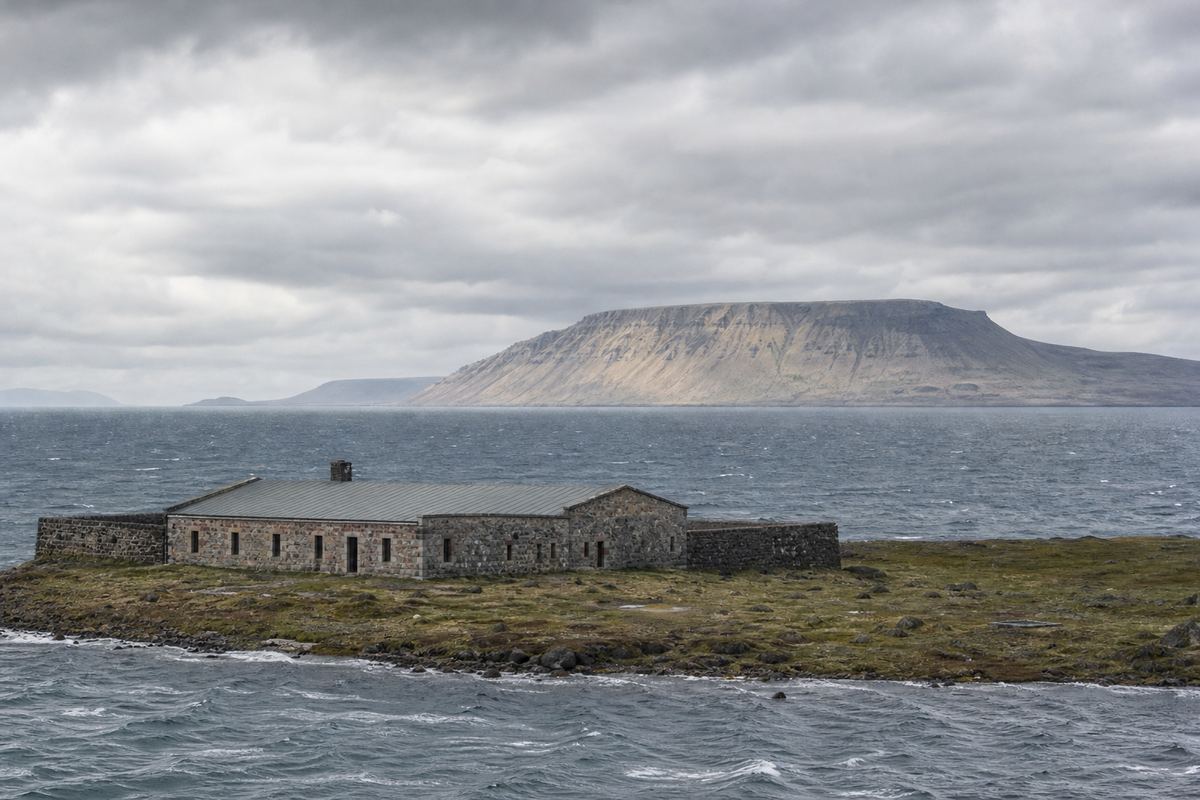
An island prison A low stone prison on a windswept island, with the sea and a distant flat-topped mountain behind. AI-generated illustration, not a photograph.
Chapter II · Resistance

1960 to 1964

South African History Online: on 21 March 1960 a PAC anti-pass campaign led by Robert Sobukwe ended at Sharpeville with 69 people dead and 180 seriously wounded, according to the official inquest; three people were killed at Langa the same day. Britannica: police said protesters had stoned them, a claim the film reports as theirs; a state of emergency was declared and the PAC and ANC were outlawed. Britannica: the ANC created Umkhonto we Sizwe in 1961 for sabotage. SAHO: after the raid on Liliesleaf on 11 July 1963, the Rivonia Trial ended on 12 June 1964 with eight accused sentenced to life imprisonment; seven were flown to Robben Island, and Denis Goldberg, the only white accused, went to Pretoria Central Prison. SAHO also reports that Humphrey Tyler, a reporter at Sharpeville, disputed the police account.

The government called the ANC’s armed campaign terrorism; the ANC called it a last resort after peaceful protest was banned. The film reports both descriptions.

The 3D scenes are schematic: the tiles, figures and bars are drawn to show proportions and events, not maps or real people.

Sources: South African History Online: Sharpeville massacre, 21 March 1960; Britannica: Sharpeville massacre; Britannica: African National Congress at a glance; South African History Online: Rivonia Trial 1963–1964

Chapter II · Resistance

A new generation

The Soweto uprising and the United Democratic Front.

On 16 June 1976, schoolchildren in Soweto protested against being taught in Afrikaans. Police fired on them, and the uprising spread across the country.

By the official count, 575 people had died across the country by February 1977.

In August 1983, the United Democratic Front, the UDF, was launched near Cape Town, to oppose a new constitution.

About fifteen thousand people came to its launch. The constitution created separate houses of parliament for white, Coloured and Indian voters, but none for Black South Africans.

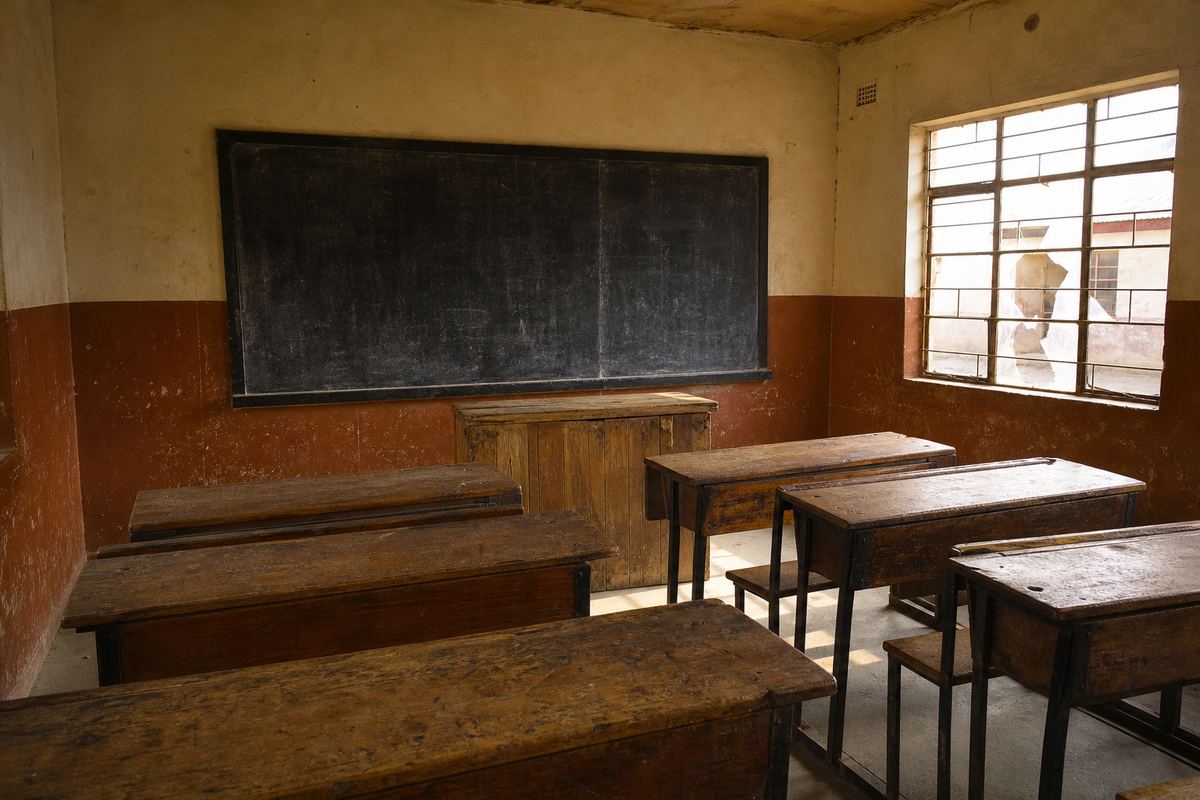
Schoolchildren Empty school desks and a chalkboard in a 1970s township classroom, morning light through the window. AI-generated illustration, not a photograph.
575
deaths by the end of February 1977, official figure
Soweto uprising (official figure, via SAHO)
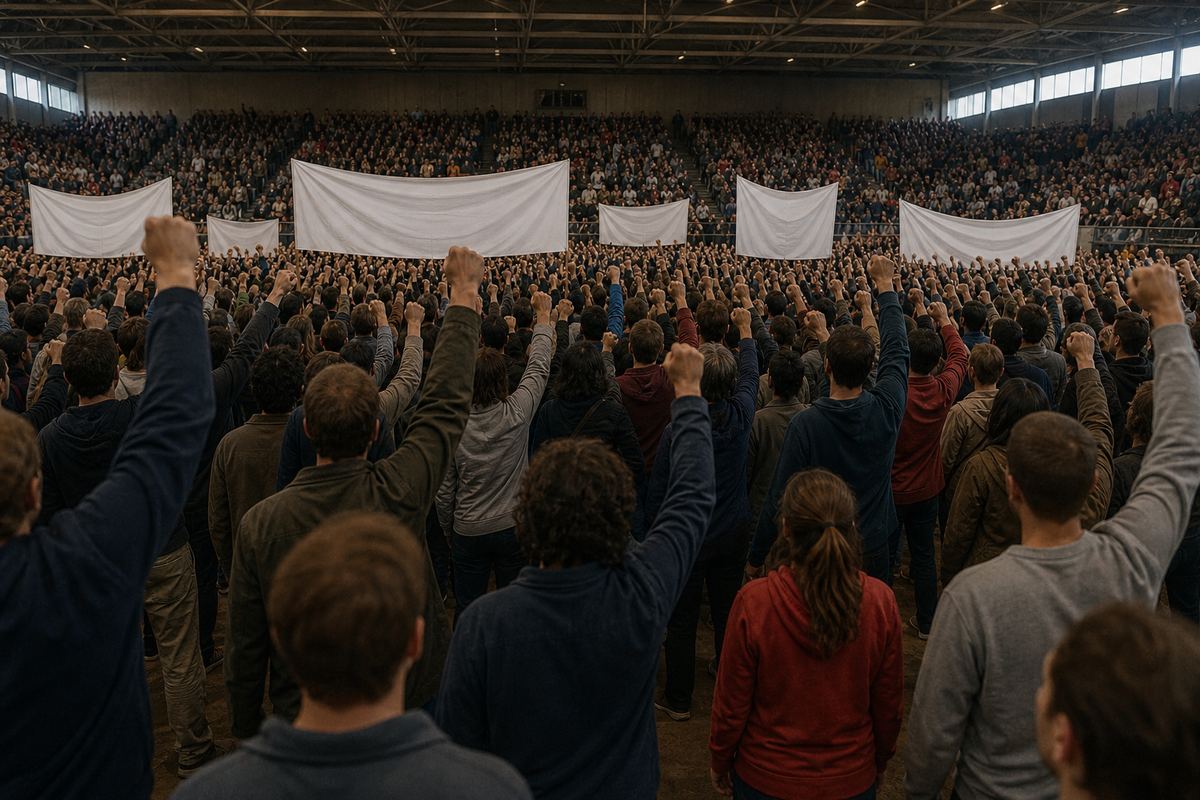
A mass movement A large peaceful rally in a sports hall in the 1980s, seen from the back of the crowd, banners without text. AI-generated illustration, not a photograph.
~15,000
at the launch, 20 August 1983
3 + 0
houses of parliament: white, Coloured, Indian; none for Black voters
The UDF and the 1983 constitution (SAHO)
Chapter II · Resistance

Soweto and the UDF

South African History Online: on 16 June 1976 students in Soweto protested against the imposition of Afrikaans as the medium of instruction; the official death toll of the uprising was 575 by the end of February 1977. SAHO: the United Democratic Front was launched on 20 August 1983 at Rocklands, Mitchell’s Plain, before about fifteen thousand people, to oppose the Tricameral Constitution, which gave separate chambers to white, Coloured and Indian voters but none to Black South Africans.

The 3D scenes are schematic: the tiles, figures and bars are drawn to show proportions and events, not maps or real people.

Sources: South African History Online: The Soweto uprising, June 1976; South African History Online: UDF launched, 20 August 1983

Chapter III · Pressure from outside

Chapter III · Pressure from outside

Isolated

Embargoes, boycotts and sanctions.

Pressure also came from outside. South Africa was barred from the Olympic Games before Tokyo 1964, and expelled from the Olympic movement in 1970.

In 1973 the United Nations adopted a convention that called apartheid a crime against humanity.

In November 1977 the Security Council made an arms embargo mandatory.

And in October 1986 the United States Congress overrode President Reagan’s veto to pass sanctions, including a halt to new loans, with Mandela’s release among the conditions for lifting them.

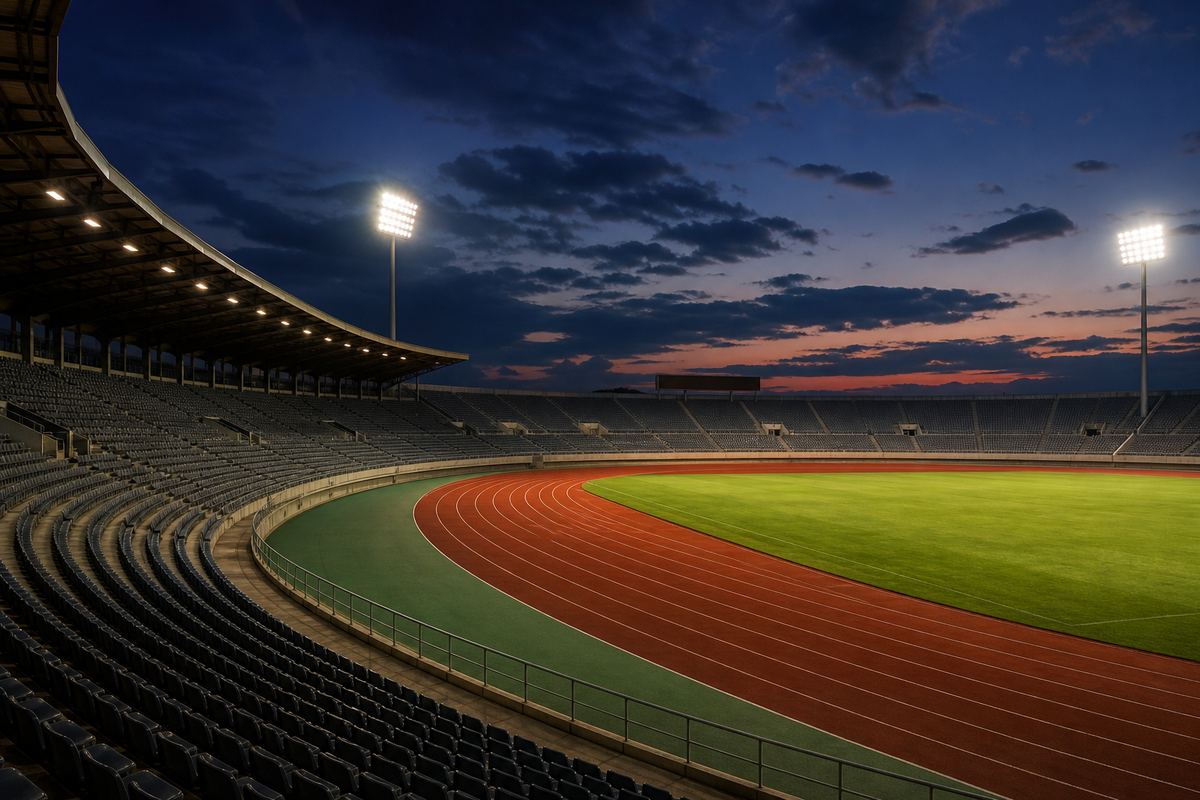
Shut out of sport An empty athletics stadium under floodlights: South Africa missed every Olympic Games from 1964 to 1988. AI-generated illustration, not a photograph.
…apartheid is a crime against humanity…UN International Convention on the Suppression and Punishment of the Crime of Apartheid, 1973
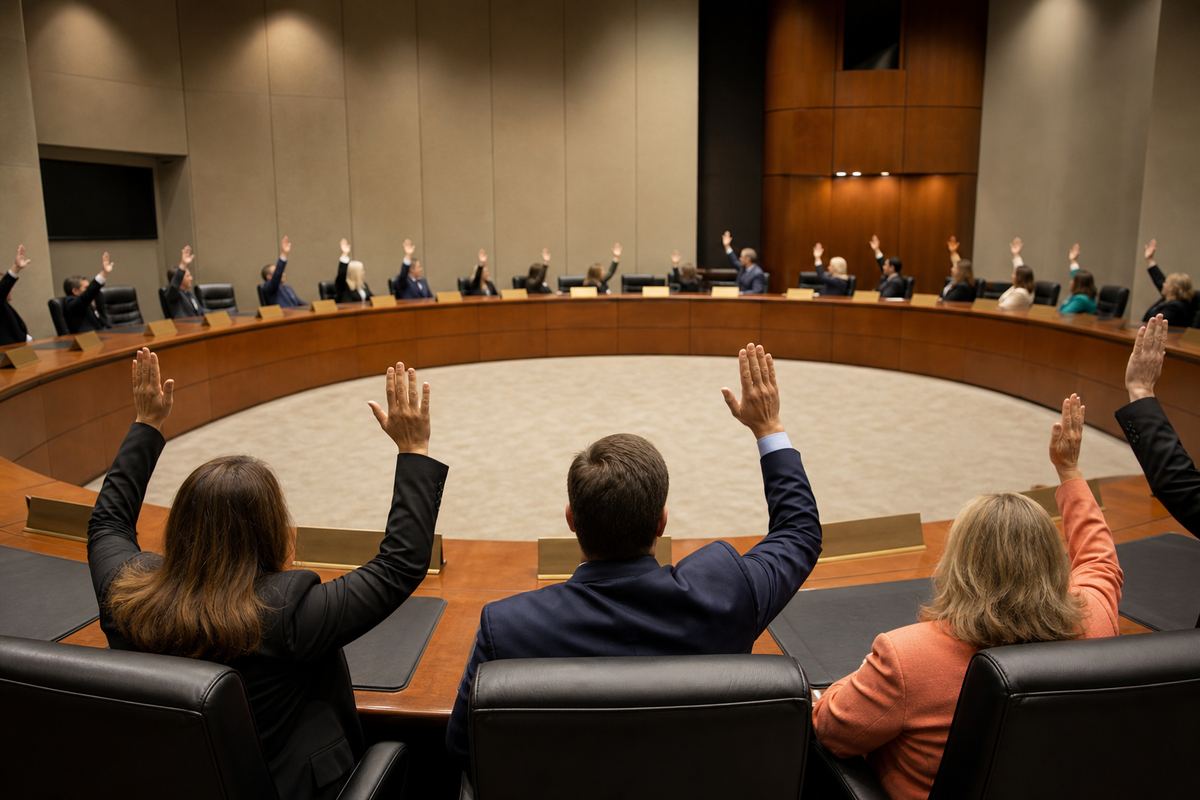
A council vote A horseshoe-shaped council table in a large chamber, hands raised in a vote, faces not distinguishable. AI-generated illustration, not a photograph.
  1. 1964 barred from the Olympics (expelled 1970)
  2. 30 Nov 1973 UN Apartheid Convention: a crime against humanity
  3. 4 Nov 1977 UN Security Council Resolution 418: mandatory arms embargo
  4. 2 Oct 1986 US Comprehensive Anti-Apartheid Act, over a veto
Measures from abroad
1992
South Africa returns, at Barcelona
Back in the Games (Olympics.com)
Chapter III · Pressure from outside

Isolation

Olympics.com: the IOC barred South Africa before the Tokyo 1964 Games, its Olympic committee was expelled in 1970, and it returned at Barcelona 1992. UN Audiovisual Library of International Law: the Apartheid Convention, adopted on 30 November 1973 and in force from 18 July 1976, declares that apartheid is a crime against humanity. SIPRI: Security Council Resolution 418 made a mandatory arms embargo from 4 November 1977, after a voluntary embargo in 1963; it was lifted on 25 May 1994. Indiana University (Lugar archive): the Comprehensive Anti-Apartheid Act was vetoed by the President and passed into law over the veto on 2 October 1986; it halted loans to the South African government, and its conditions for lifting sanctions included Mandela’s release.

How much each measure weighed on the government’s decisions is debated by historians; the film lists them, not their effect.

The 3D scenes are schematic: the tiles, figures and bars are drawn to show proportions and events, not maps or real people.

Sources: Olympics.com: Why South Africa was barred from the Olympics; UN Audiovisual Library of International Law: International Convention on the Suppression and Punishment of the Crime of Apartheid; SIPRI: UN arms embargo on South Africa; Indiana University Libraries, Lugar archive: South Africa and the Comprehensive Anti-Apartheid Act

Chapter IV · Talking

Chapter IV · Talking

Nine days in February

De Klerk’s speech and Mandela’s release.

P. W. Botha, who led the government, suffered a stroke in January 1989. That year F. W. de Klerk replaced him, first as party leader, then in September as State President.

On 2 February 1990, de Klerk told parliament that the ANC, the PAC and the South African Communist Party were no longer banned.

Nine days later, on 11 February 1990, Nelson Mandela walked out of a prison near Paarl, after twenty-seven years in prison.

Why de Klerk changed course is still debated. Some see a change of heart; others point to a stalemate at home, secret talks, and the end of the Cold War.

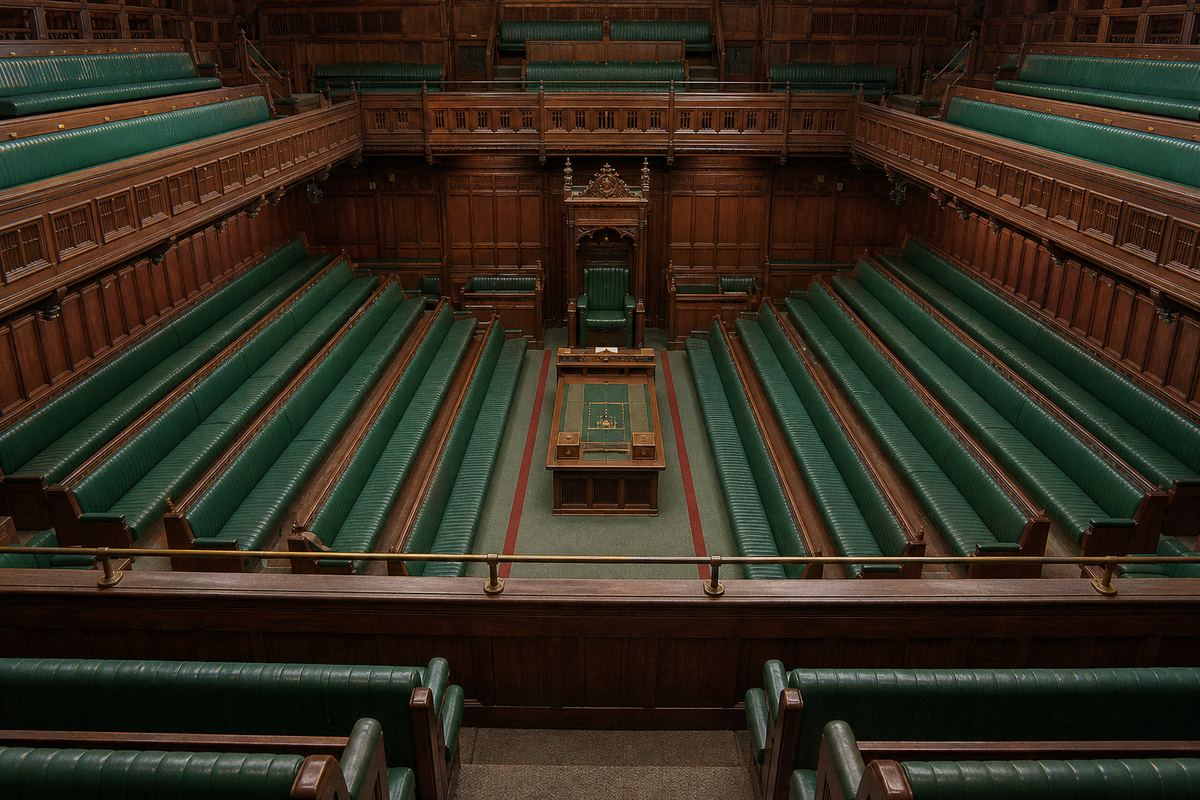
A speech to parliament A wood-panelled parliamentary chamber with green benches, seen from the gallery; no faces shown. AI-generated illustration, not a photograph.
  1. 2 Feb 1990 ANC, PAC and SACP unbanned
  2. 11 Feb 1990 Mandela released from Victor Verster prison, Paarl
February 1990
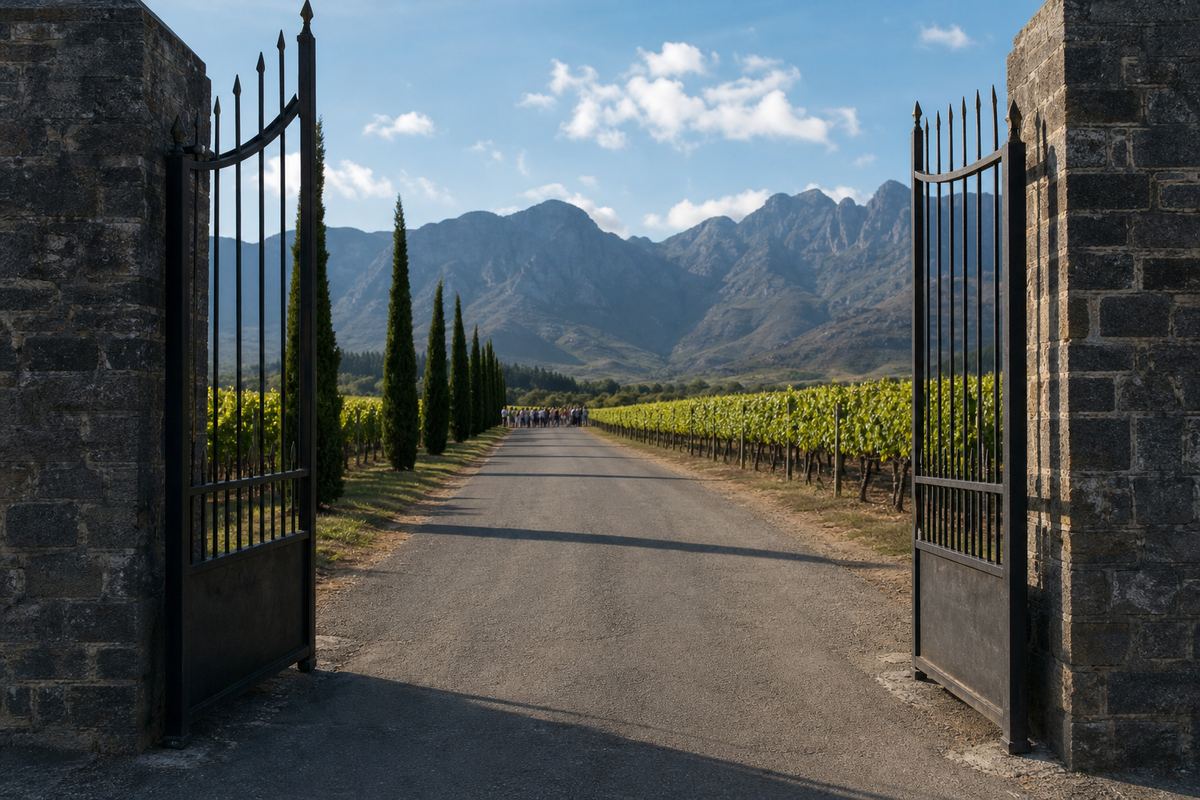
A prison gate An open prison gate on a sunny road lined with vineyards, a crowd waiting far down the road. AI-generated illustration, not a photograph.
  • a change of heart
  • a political stalemate at home
  • secret talks
  • the end of the Cold War
Explanations offered (The Conversation)
Chapter IV · Talking

Unbanning and release

The Conversation (2020): P. W. Botha had a stroke on 18 January 1989 and de Klerk became National Party leader on 2 February 1989; on 2 February 1990 he unbanned the ANC, PAC and SACP, and Mandela was released nine days later; interpretations differ between a sudden change of heart and pressures that forced or encouraged him, including a political stalemate, the UDF, secret talks, the fall of the Berlin Wall and the settlement in Namibia. Constitutional Court: de Klerk became State President in September 1989. SAnews: Mandela was released on 11 February 1990 from Victor Verster prison in Paarl, after 27 years in prison.

The 3D scenes are schematic: the tiles, figures and bars are drawn to show proportions and events, not maps or real people.

Sources: The Conversation (2020): FW de Klerk made a speech 30 years ago that ended apartheid: why he did it; Constitutional Court of South Africa: Apartheid unravels, 1989 to 1994; SAnews: Mandela’s release from prison, 11 February 1990

Chapter IV · Talking

Taking it apart

Repeal, talks and a referendum.

In June 1991, parliament repealed the Population Registration Act and the Group Areas Act.

In December, talks between many parties began, called CODESA: the Convention for a Democratic South Africa.

On 17 March 1992, in a referendum for white voters only, 68.7 percent backed continuing the reforms.

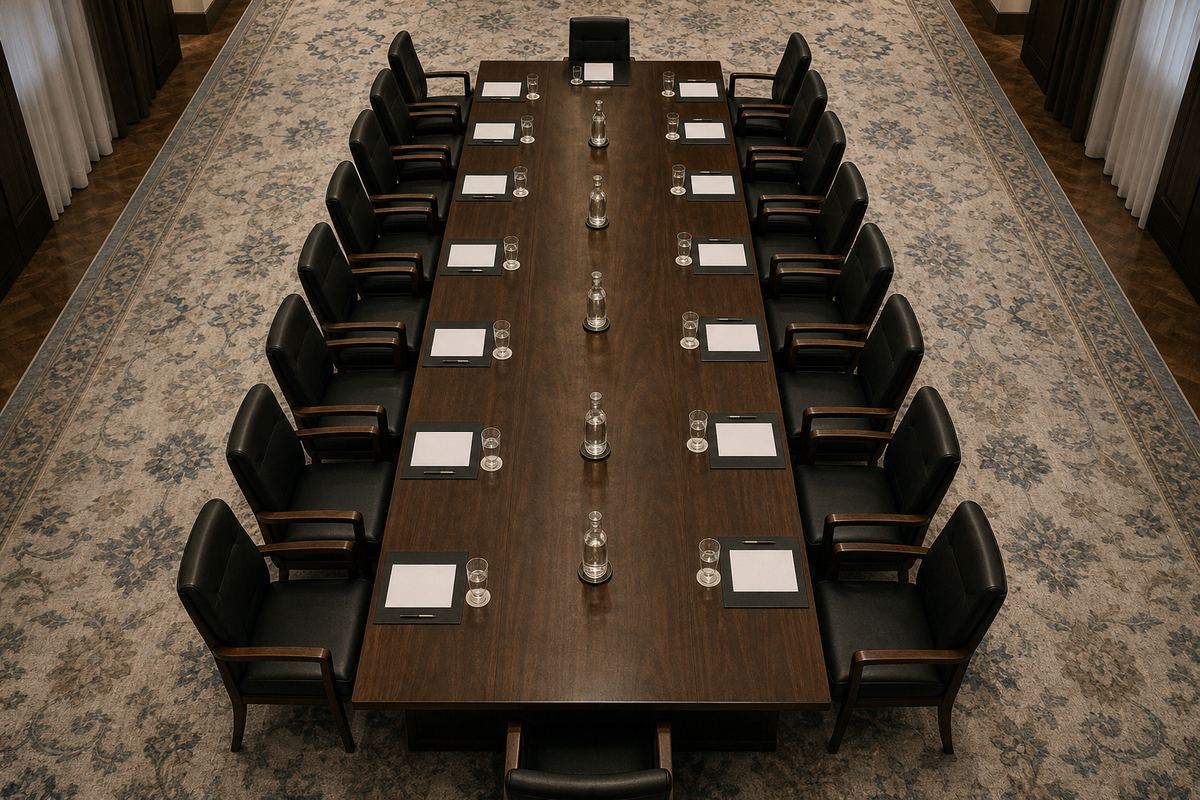
Around one table A long negotiating table in a conference hall, many chairs and papers, seen from above. AI-generated illustration, not a photograph.
  1. 28 Jun 1991 Population Registration Act repealed
  2. 30 Jun 1991 Group Areas Act repealed
  3. 20–21 Dec 1991 CODESA meets
Laws repealed, talks opened (M&G; Constitutional Court)
yes, continue reform68.7
no31.2
Referendum, 17 March 1992 (History.com)
Chapter IV · Talking

Repeal and the referendum

Mail & Guardian (2001): the Population Registration Act was repealed on 28 June 1991 and the Group Areas Act on 30 June 1991. Constitutional Court: CODESA met on 20–21 December 1991, and CODESA II on 15–16 May 1992. History.com: in the referendum of 17 March 1992, white voters backed continuing reform by 68.7 percent to 31.2 percent (SAHO gives 68.6 percent).

The 3D scenes are schematic: the tiles, figures and bars are drawn to show proportions and events, not maps or real people.

Sources: Mail & Guardian (2001): Ten years since the day apartheid died; Constitutional Court of South Africa: Apartheid unravels, 1989 to 1994; History.com: South Africa votes to end apartheid (17 March 1992); South African History Online: De Klerk announces whites-only referendum results

Chapter IV · Talking

Talks, and violence

A violent transition, and a date for the vote.

The transition was violent. By estimates the Truth Commission cites, some fourteen thousand people died in political violence between mid-1990 and April 1994, much of it between supporters of the ANC and of the Inkatha Freedom Party.

On 17 June 1992, more than forty people were killed at Boipatong, south of Johannesburg.

On 10 April 1993, Chris Hani, leader of the South African Communist Party and a senior ANC figure, was assassinated by right-wing extremists.

Talks went on. In October 1993, Mandela and de Klerk shared the Nobel Peace Prize.

In November an interim constitution was agreed, and the date of the election was set: 27 April 1994.

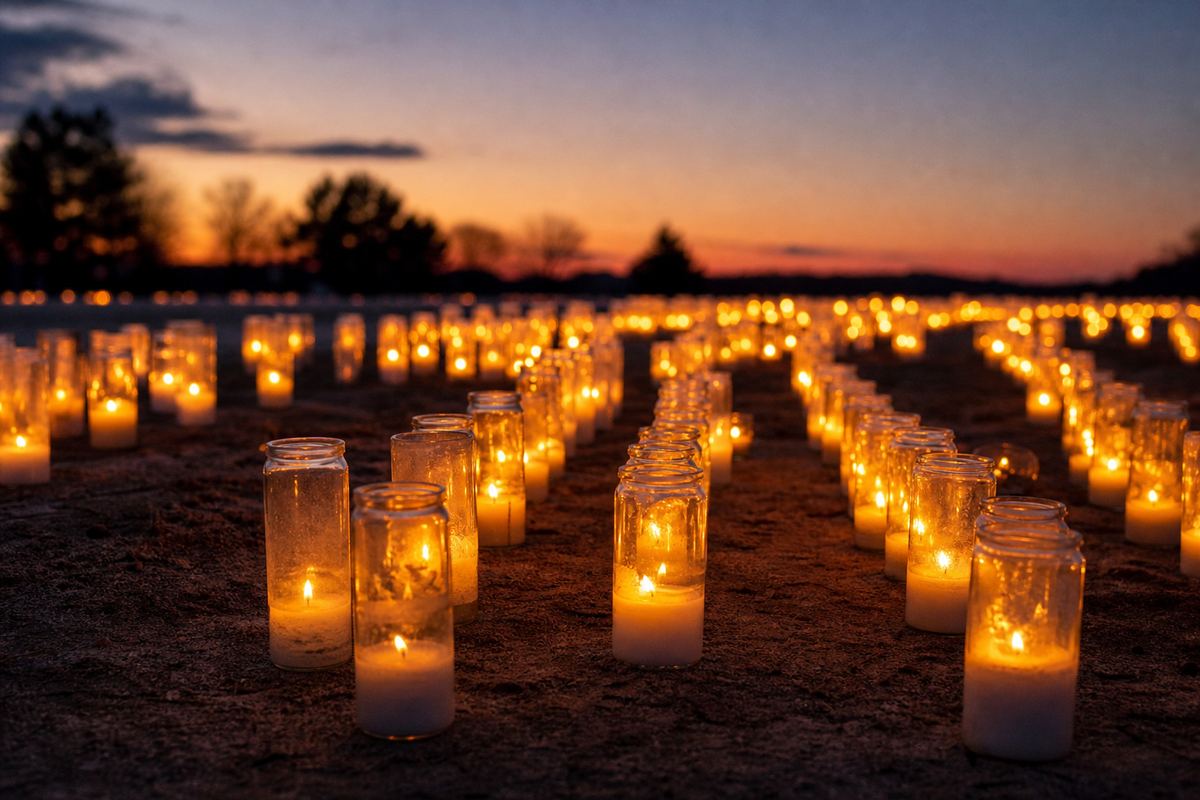
Mourning Rows of lit candles on the ground at dusk at a vigil, no people visible. AI-generated illustration, not a photograph.
~14,000
deaths, mid-1990 to April 1994
3,653
of them in KwaZulu and Natal
Political violence (estimate cited by the TRC)
> 40
killed, 17 June 1992
Boipatong (Constitutional Court)
  • leader of the South African Communist Party
  • a senior ANC figure
  • killed by right-wingers, 10 April 1993
Chris Hani (Constitutional Court)
  1. 17 Jun 1992 Boipatong: more than 40 killed
  2. 10 Apr 1993 Chris Hani assassinated
  3. 15 Oct 1993 Nobel Peace Prize: Mandela and de Klerk
  4. 18 Nov 1993 interim constitution ratified
The road to the vote (Constitutional Court; NobelPrize.org)
Chapter IV · Talking

Violence and a deal

TRC report (vol. 2, ch. 7): some 14,000 South Africans died in politically related incidents between mid-1990 and April 1994, a figure from sources other than the Commission, with 3,653 in KwaZulu and Natal; the chapter describes conflict between ANC and Inkatha supporters and examines security-force involvement. Constitutional Court: on 17 June 1992 more than 40 people were massacred at Boipatong; Chris Hani, the SACP leader, was assassinated by right-wingers on 10 April 1993; the Multiparty Negotiating Forum ratified the interim Constitution on 18 November 1993, with 27 April 1994 as the election date. NobelPrize.org: the 1993 Peace Prize, announced on 15 October 1993, went to Mandela and de Klerk for their work for the peaceful termination of the apartheid regime.

The 3D scenes are schematic: the tiles, figures and bars are drawn to show proportions and events, not maps or real people.

Sources: Truth and Reconciliation Commission report, vol. 2, ch. 7: political violence in the era of negotiations; Constitutional Court of South Africa: Apartheid unravels, 1989 to 1994; NobelPrize.org: The Nobel Peace Prize 1993, press release

Chapter V · One person, one vote

Chapter V · One person, one vote

The long queues

South Africa’s first election open to all.

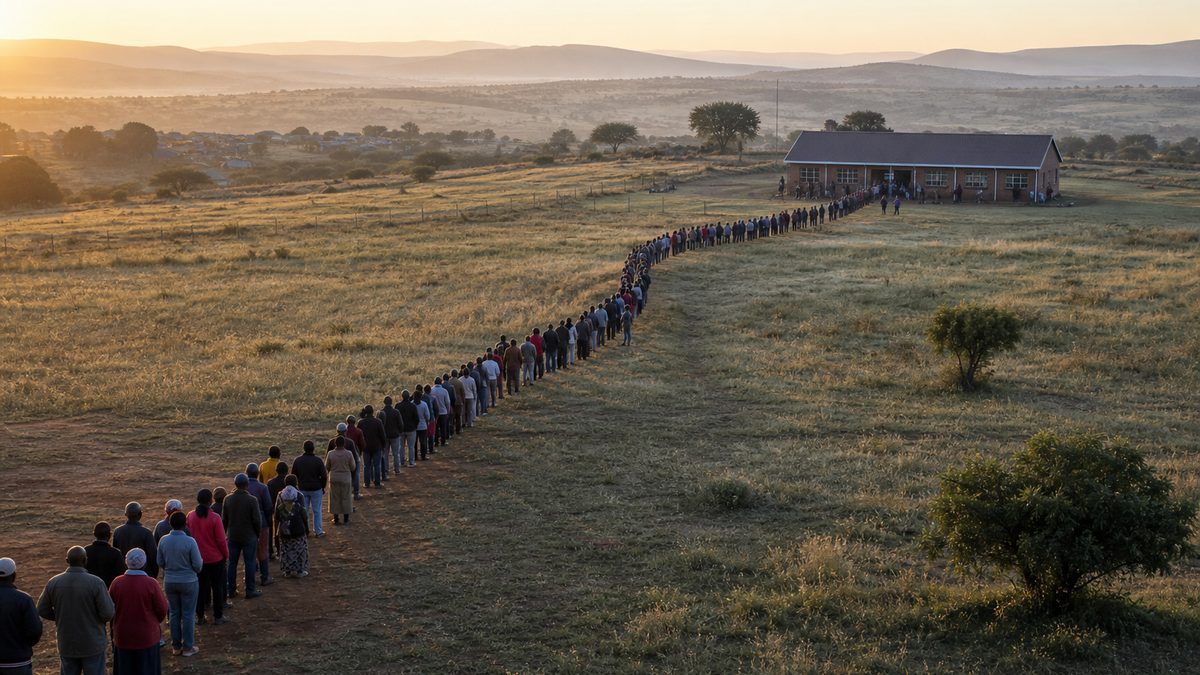
On 27 April 1994, South Africans of every race voted together for the first time. Almost twenty million votes were counted, many cast after hours in long queues.

The ANC won 62.65 percent of the vote, the National Party 20.39, and the Inkatha Freedom Party 10.54.

In the 400-seat National Assembly, that gave the ANC 252 seats.

On 10 May 1994, at the Union Buildings in Pretoria, Nelson Mandela was sworn in as president. South Africa now marks 27 April as Freedom Day.

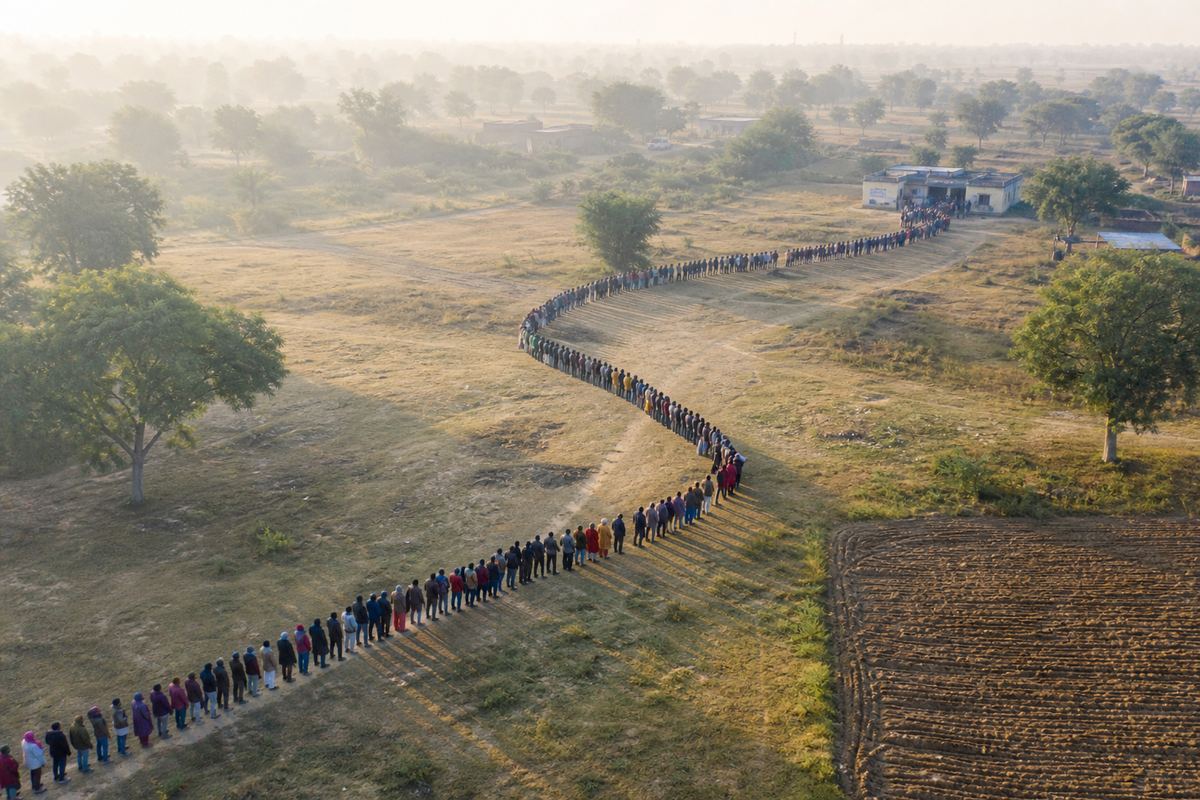
Waiting to vote A very long queue of voters winding across open ground towards a small polling station, seen from far away. AI-generated illustration, not a photograph.
ANC62.65
National Party20.39
Inkatha Freedom Party10.54
1994 national election (SAHO)
252
ANC seats of 400
82
National Party
43
Inkatha Freedom Party
National Assembly, 1994 (SAHO)
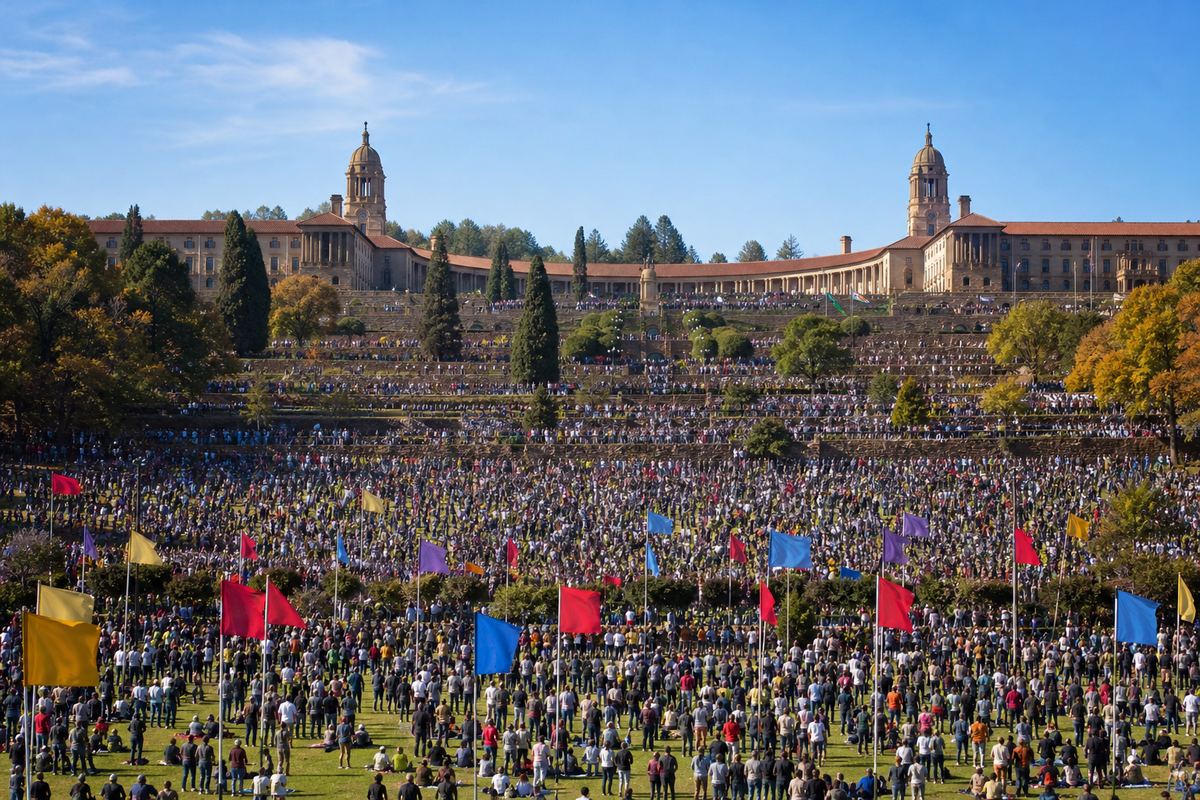
10 May 1994 Crowds on the lawns below a hilltop sandstone government building on a bright autumn day, flags as plain coloured cloth. AI-generated illustration, not a photograph.
Chapter V · One person, one vote

The 1994 election

South African History Online: the election was held on 27 April 1994; results: ANC 62.65% (252 seats), National Party 20.39% (82 seats), Inkatha Freedom Party 10.54% (43 seats), of 19,533,498 valid votes. SAHO: Mandela was sworn in at the Union Buildings in Pretoria on 10 May 1994. SAHO: Freedom Day marks the day of the first democratic election in 1994.

There was no voters’ roll in 1994, so no reliable turnout percentage exists; the film gives the number of valid votes counted.

The 3D scenes are schematic: the tiles, figures and bars are drawn to show proportions and events, not maps or real people.

Sources: South African History Online: South Africa’s first democratic elections; South African History Online: Elections in post-apartheid South Africa; South African History Online: Nelson Mandela inaugurated, 10 May 1994; South African History Online: Freedom Day

Chapter VI · After

Chapter VI · After

Writing it down

A constitution, and a commission on the past.

A final constitution was adopted on 8 May 1996, and that December Mandela signed it into law at Sharpeville, where the police had opened fire in 1960. Its Bill of Rights forbids unfair discrimination, including on grounds of race.

A Truth and Reconciliation Commission, chaired by Archbishop Desmond Tutu, heard about abuses committed between 1960 and 1994, by all sides.

People could apply for amnesty if they fully disclosed politically motivated crimes. Of 7,112 applicants, 849 were granted amnesty.

Its report, presented in October 1998, found that abuses had been committed both by the state and by the liberation movements, including the ANC.

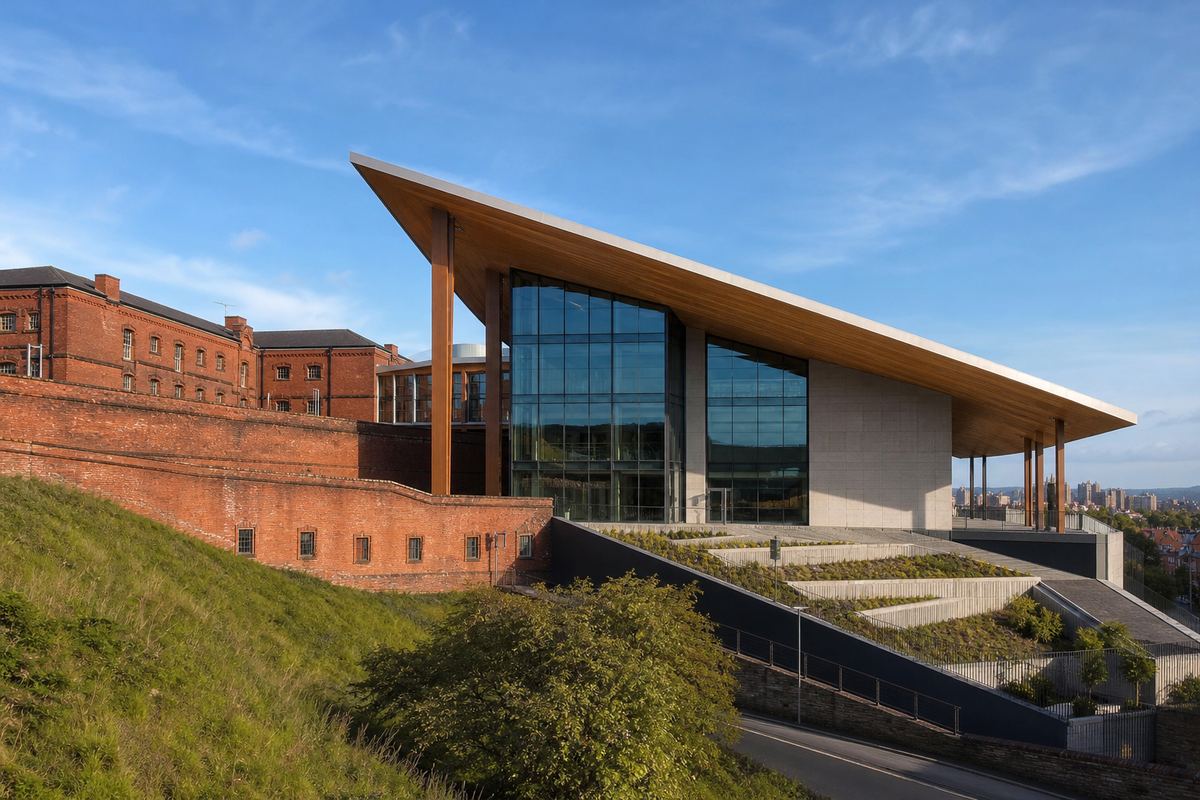
A court built in a former prison A modern court building with a slanted wooden roof beside old brick prison walls, in the style of Johannesburg’s Constitution Hill. AI-generated illustration, not a photograph.
The state may not unfairly discriminate… on one or more grounds, including race…Constitution of South Africa, 1996, section 9
  1. 8 May 1996 final constitution adopted
  2. 4 Dec 1996 certified by the Constitutional Court
  3. 10 Dec 1996 signed by Mandela at Sharpeville
  4. 28 Oct 1998 TRC report presented
A new legal order (Constitutional Court; SAHO)
all applicants7,112
refused5,392
granted849
TRC amnesty applications (SAHO)
  • abuses by the state
  • abuses by the liberation movements, including the ANC
The TRC report, 28 October 1998 (SAHO)
Chapter VI · After

Constitution and truth

Constitutional Court: the final text was finalised overnight on 7–8 May 1996; the Court refused certification on 6 September, the amended text was certified on 4 December 1996; Mandela signed it at Sharpeville on 10 December 1996, and it took effect on 4 February 1997. South African History Online (TRC): set up under Act 34 of 1995 and chaired by Desmond Tutu, the Commission covered abuses between 1960 and 1994; of 7,112 amnesty petitioners, 849 were granted amnesty and 5,392 refused; it presented its report on 28 October 1998, which found abuses by both the state and liberation movements. The Bill of Rights (section 9) prohibits unfair discrimination on grounds including race.

The remaining applications were withdrawn or otherwise dealt with; SAHO gives the two main figures.

The 3D scenes are schematic: the tiles, figures and bars are drawn to show proportions and events, not maps or real people.

Sources: Constitutional Court of South Africa: The certification process; Constitutional Court of South Africa: The Constitution is signed into law; South African History Online: Truth and Reconciliation Commission (TRC)

Chapter VI · After

From 63 to 31

The ANC’s vote since 1994.

The ANC has won every national election since 1994, but its share has fallen: from 62.65 percent then, to 57.5 percent in 2019.

In May 2024 it won 40.18 percent and lost its majority in parliament for the first time. It formed a government of national unity with the Democratic Alliance and other parties.

The new MK party, led by the former president Jacob Zuma and named after the ANC’s old armed wing, came third, with 14.58 percent.

And in the local elections of November 2026, 30.76 percent. Local and national elections are different contests, but the direction is the same.

Sharing power Many hands from different sleeves resting on one document on a table, a sign of a coalition agreement. AI-generated illustration, not a photograph.
  • ANC
  • Democratic Alliance
  • and other parties
Government of national unity, 2024 (Britannica)
40.18%
ANC
21.81%
Democratic Alliance
14.58%
MK party
2024 national election (Al Jazeera)
1994 national (SAHO)62.65
2019 national (Al Jazeera)57.5
2024 national (Al Jazeera)40.18
2026 local (IEC)30.76
ANC share of the vote
Chapter VI · After

The ANC’s vote

SAHO: ANC 62.65% in 1994. Al Jazeera (2 June 2024): the ANC won 40.18 percent in the 2024 election, down from 57.5 percent in 2019; the DA 21.81%, MK 14.58%, EFF 9.52%. Britannica: the election was held on 29 May 2024; the ANC formed a government of national unity, which the DA joined. IEC via SAnews (8 November 2026): ANC 30.76% in the local government elections. Local and national elections use different ballots and systems, so the figures are not directly comparable.

Why voters have moved away from the ANC is argued over by its supporters and critics; the film reports only the results.

The 3D scenes are schematic: the tiles, figures and bars are drawn to show proportions and events, not maps or real people.

Sources: South African History Online: Elections in post-apartheid South Africa; Al Jazeera (2 Jun 2024): South Africa elections results, what happens next; Britannica: South African national election of 2024; SAnews, South African Government News Agency (8 Nov 2026): IEC declares 2026 local government election results

Epilogue

Epilogue

Counted, at last

A timeline, and the sources.

Apartheid was built in law, and in the end it was taken apart in law: by repeal, negotiation and a vote in which every adult could take part.

It took years of resistance, pressure from abroad, and talks between enemies, and the transition cost thousands of lives.

Thirty-two years on, South Africans are still counting votes, and who wins them now changes from one election to the next.

A ballot box A simple ballot box on a school table in morning light, a folded ballot paper going in. AI-generated illustration, not a photograph.
  1. 1948 National Party wins; apartheid in law
  2. 1955 Freedom Charter
  3. 1960 Sharpeville; ANC and PAC banned
  4. 1976 Soweto uprising
  5. 1990 unbanning; Mandela released
  6. 1994 first election open to all
  7. 1996 final constitution
  8. 2026 ANC 30.76% in local elections
Apartheid and after
62.65%
1994, national
30.76%
2026, local
The ANC’s share (SAHO; IEC)
Epilogue · Sources

Sources

Every fact in this film comes from the sources below. Casualty and other contested figures are given with their source: the official inquest for Sharpeville, the official toll for Soweto, and estimates cited by the Truth and Reconciliation Commission for the transition. Where historians or parties disagree, as on why the government changed course or how much sanctions mattered, the film reports the views rather than choosing one. The racial categories named are those of apartheid law, quoted as history. The chapter stills and pictures are AI-generated illustrations, not photographs of real events, places or people. The 3D scenes are schematic.

Sources: SAnews, South African Government News Agency (8 Nov 2026): IEC declares 2026 local government election results; Reuters via The Star (8 Nov 2026): South Africa’s ANC battered by local election losses ahead of coalition talks; Al Jazeera (8 Nov 2026): South Africa’s ANC suffers setback in local elections; EWN: ANC loses significant ground in 2026 local government elections; Britannica: Apartheid; Britannica: Population Registration Act; Mail & Guardian (2001): Ten years since the day apartheid died; Britannica: African National Congress at a glance; South African History Online: The Freedom Charter; South African History Online: Sharpeville massacre, 21 March 1960; Britannica: Sharpeville massacre; South African History Online: Rivonia Trial 1963–1964; South African History Online: The Soweto uprising, June 1976; South African History Online: UDF launched, 20 August 1983; Olympics.com: Why South Africa was barred from the Olympics; UN Audiovisual Library of International Law: International Convention on the Suppression and Punishment of the Crime of Apartheid; SIPRI: UN arms embargo on South Africa; Indiana University Libraries, Lugar archive: South Africa and the Comprehensive Anti-Apartheid Act; The Conversation (2020): FW de Klerk made a speech 30 years ago that ended apartheid: why he did it; Constitutional Court of South Africa: Apartheid unravels, 1989 to 1994; SAnews: Mandela’s release from prison, 11 February 1990; History.com: South Africa votes to end apartheid (17 March 1992); South African History Online: De Klerk announces whites-only referendum results; Truth and Reconciliation Commission report, vol. 2, ch. 7: political violence in the era of negotiations; NobelPrize.org: The Nobel Peace Prize 1993, press release; South African History Online: South Africa’s first democratic elections; South African History Online: Elections in post-apartheid South Africa; South African History Online: Nelson Mandela inaugurated, 10 May 1994; South African History Online: Freedom Day; Constitutional Court of South Africa: The certification process; Constitutional Court of South Africa: The Constitution is signed into law; South African History Online: Truth and Reconciliation Commission (TRC); Al Jazeera (2 Jun 2024): South Africa elections results, what happens next; Britannica: South African national election of 2024