On 12 November 2026 the UK Health Security Agency reported that England saw more than 400 antibiotic-resistant infections a week in 2025, up 16.8% since 2019 even though antibiotic use had fallen. This film explains the established biology behind that news: Fleming’s penicillin of 1928 and how it was mass-produced in the Second World War; how antibiotics kill bacteria by attacking the cell wall, the ribosome, DNA copying and folate, and why they do nothing against viruses; how random mutations and natural selection, with bacteria that can divide every twenty minutes in the lab, turn a drug into a filter for survivors; the defences bacteria use, from enzymes like beta-lactamase, described in 1940, to pumps and altered targets such as MRSA’s; how bacteria pass resistance genes to each other on plasmids, as loose DNA and inside viruses; the race between new drugs and resistance; Fleming’s warning of 1945; the global toll estimated in The Lancet and by WHO, including Thailand; and what slows resistance. It is education, not medical advice.
Interactive 3D film10 min1928 to 2026Published 13 November 2026
On 12 November 2026, the UK Health Security Agency reported that England had more than four hundred antibiotic-resistant infections a week in 2025.
Resistant bloodstream infections had risen by almost seventeen percent since 2019, even though antibiotic use had fallen by about a tenth.
We can’t rely on reducing antibiotic use alone, the agency said. To see why, we need to know how antibiotics kill, and how bacteria escape them.
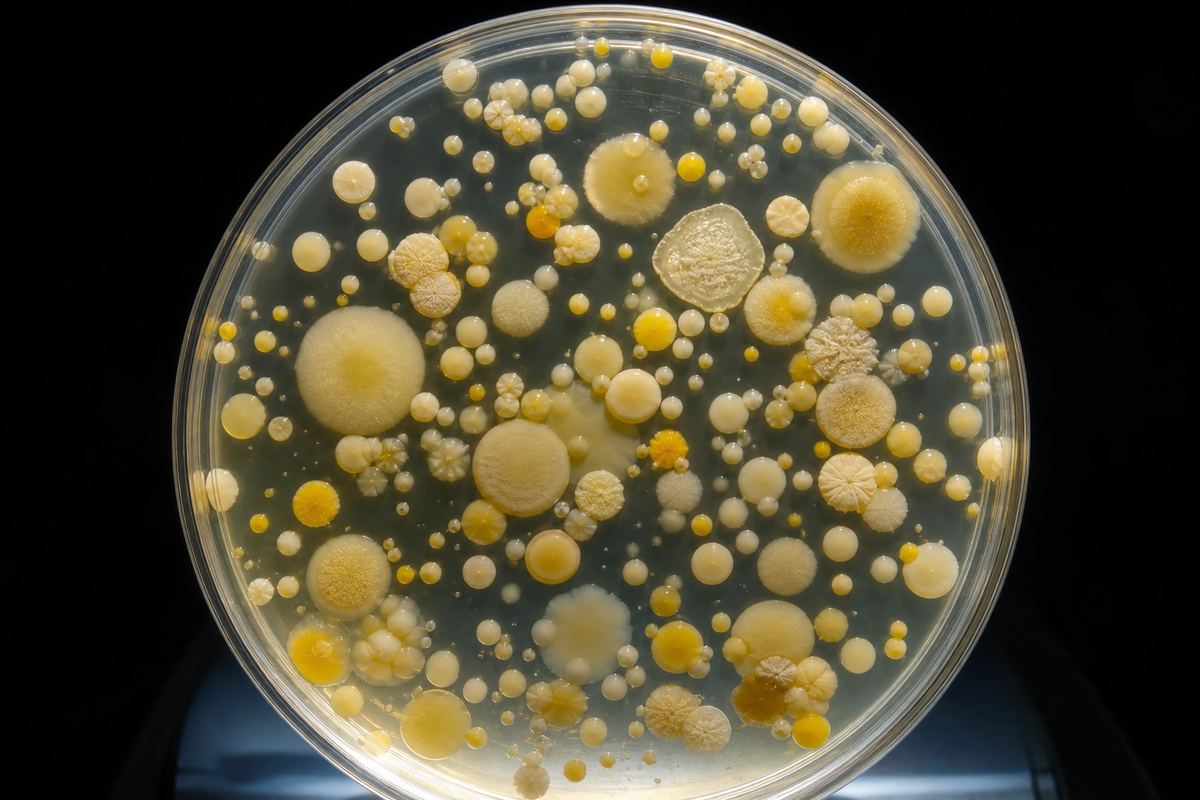
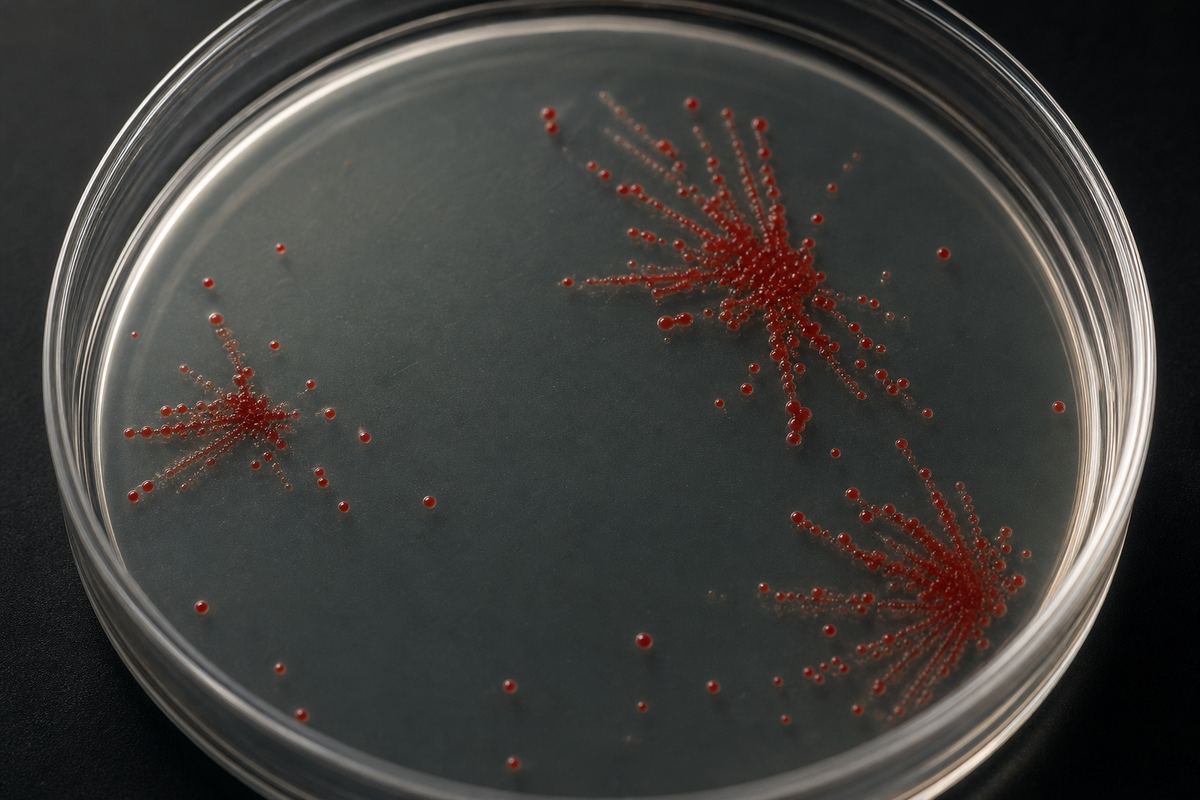
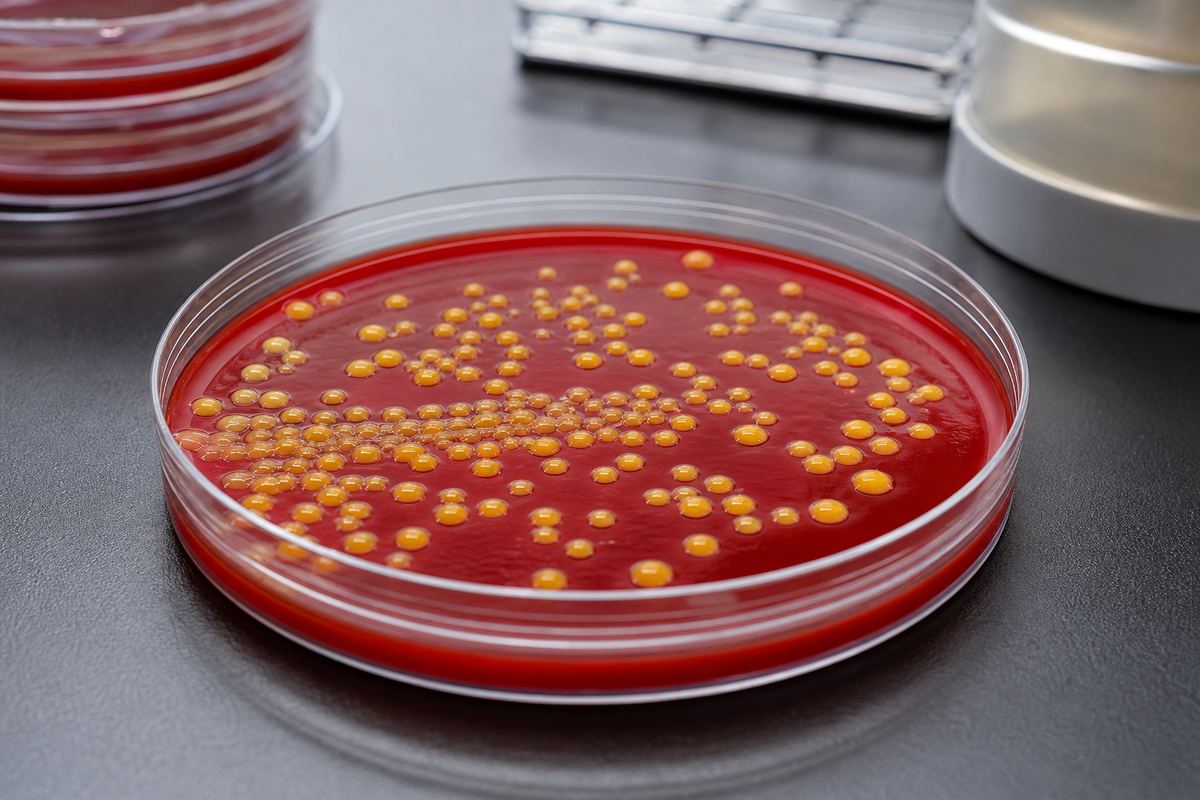
A culture dish Colonies of bacteria on a lab plate: each dot is millions of cells grown from one. AI-generated illustration.
21,129
resistant bloodstream infections in 2025
+16.8%
since 2019 (18,086)
−10.7%
antibiotic use, 2019 to 2025
England, UKHSA (via Euronews)
We can’t rely on reducing antibiotic use alone.Shona Arora, UKHSA interim chief medical adviser, 12 November 2026
Prologue
The news
Euronews (12 November 2026), reporting the UK Health Security Agency’s annual figures: more than 400 people a week in England developed an antibiotic-resistant infection in 2025; resistant bloodstream infections (bacteraemia) reached 21,129, up 16.8% from 18,086 in 2019, while antibiotic use fell 10.7%, from 17.8 to 15.9 defined daily doses per 1,000 inhabitants per day; rates were 44.2% higher in the most deprived areas. Xinhua (12 November 2026) gives an average of 406 cases a week and 2,318 deaths among patients with resistant Gram-negative bloodstream infections in 2025. The previous year’s report (gov.uk, 13 November 2025) counted nearly 400 a week in 2024, and put NHS antibiotic use about 2% below 2019; the 2025 figure for use is as reported by Euronews, and the scope of the measure may differ.
This film is education, not medical advice. Questions about your own treatment are for a doctor or pharmacist.
The 3D scenes are simplified teaching models, not to scale: real bacteria and molecules do not look like this, and the numbers in the dishes are toy numbers.
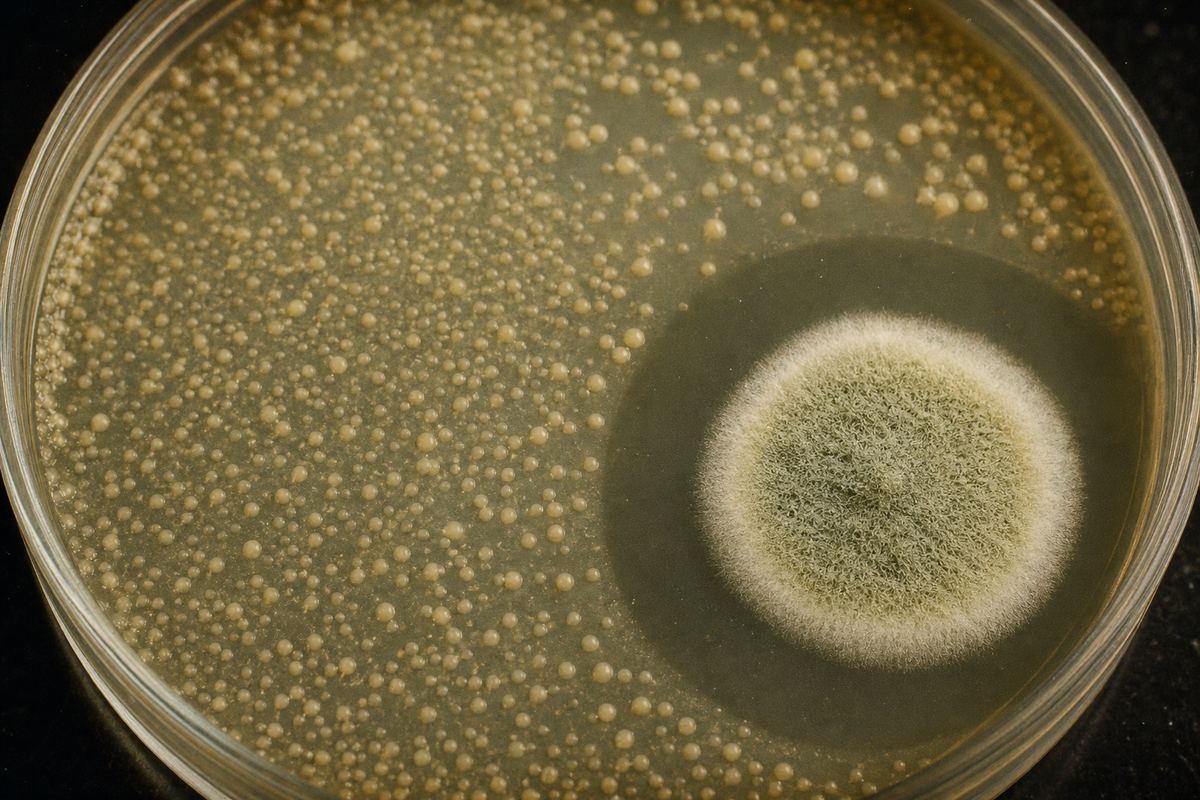
In 1928, at St Mary’s Hospital in London, Alexander Fleming noticed that a mould growing on a dish of bacteria had killed the bacteria around it.
The mould was making a substance that bacteria could not survive. He called it penicillin, and published his findings in 1929.
But making enough of it to treat people was another matter. That took Howard Florey, Ernst Chain and a world war.
The clear ring A mould colony on a culture plate, with a clear ring where bacteria could not grow. AI-generated illustration.
1928 Fleming sees the mould at St Mary’s, London
1929 he publishes on penicillin
1945 Nobel Prize: Fleming, Florey and Chain
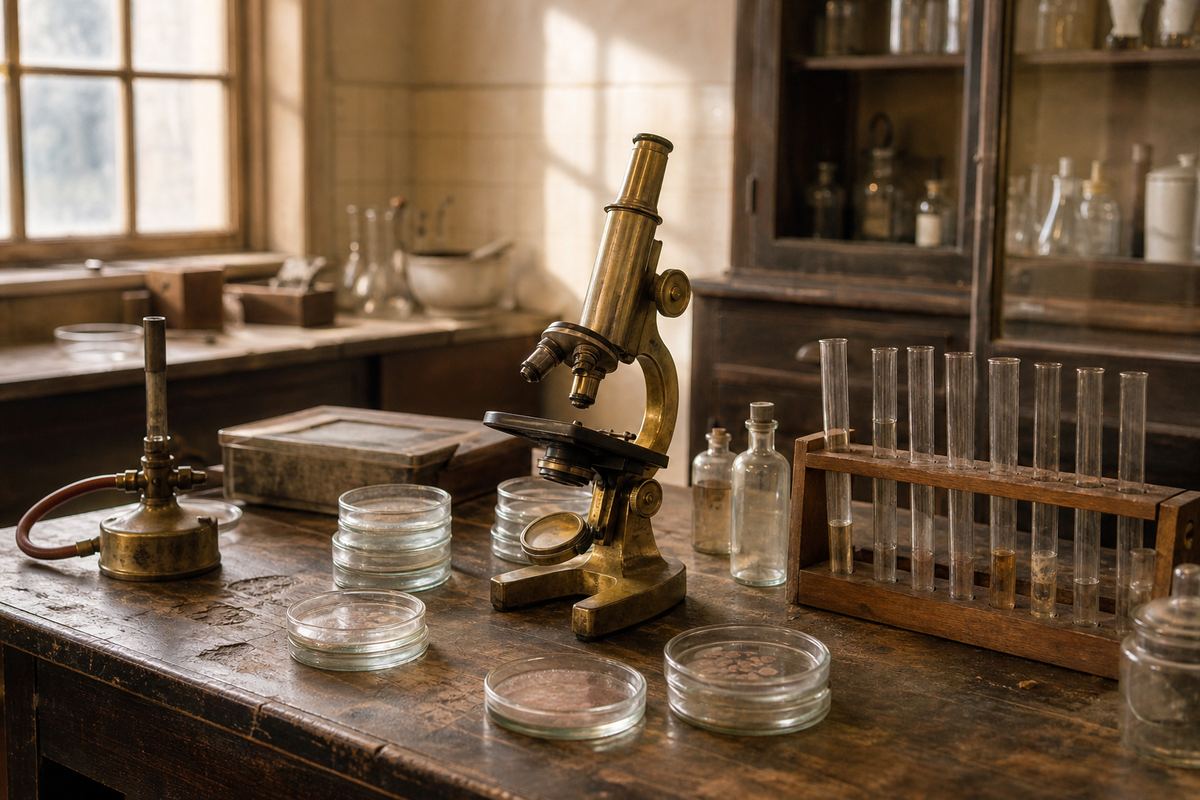
Penicillin, from dish to prizeA 1920s laboratory Glass dishes, a microscope and a gas burner on a wooden bench, as in a hospital laboratory of the time. AI-generated illustration.
Chapter I · The miracle drug
Penicillin
The National WWII Museum: Fleming discovered penicillin while conducting research at St Mary’s Hospital in London in 1928; Howard Florey and Ernst Chain built on his work. Fleming’s Nobel lecture (11 December 1945): “penicillin appeared in 1928”; “my publication in 1929”; he shared the prize with Sir Howard Florey and Dr Chain.
The 3D scenes are simplified teaching models, not to scale: real bacteria and molecules do not look like this, and the numbers in the dishes are toy numbers.
During the Second World War, twenty-one American companies joined the effort, and a laboratory in Peoria, Illinois, found a way to get about five hundred times more penicillin from the mould than in England.
By the D-Day landings of June 1944, 2.3 million doses had been prepared.
In 1945 Fleming, Florey and Chain shared the Nobel Prize. Bacterial infections that had often killed could now be cured.
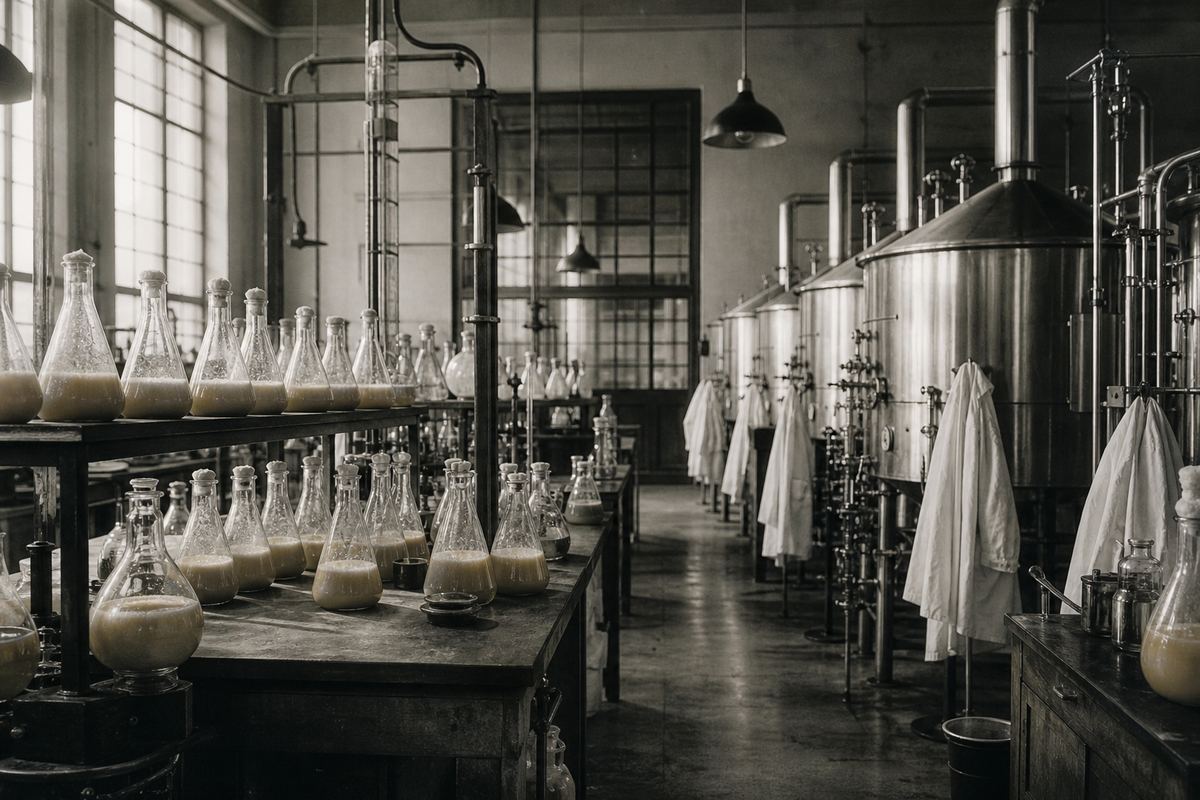
Growing the mould Rows of glass flasks and steel tanks in a 1940s laboratory, where mould was grown for penicillin. AI-generated illustration.
21
US companies working together
~500×
more penicillin from the mould (Peoria method)
2.3 million
doses ready for D-Day, 1944
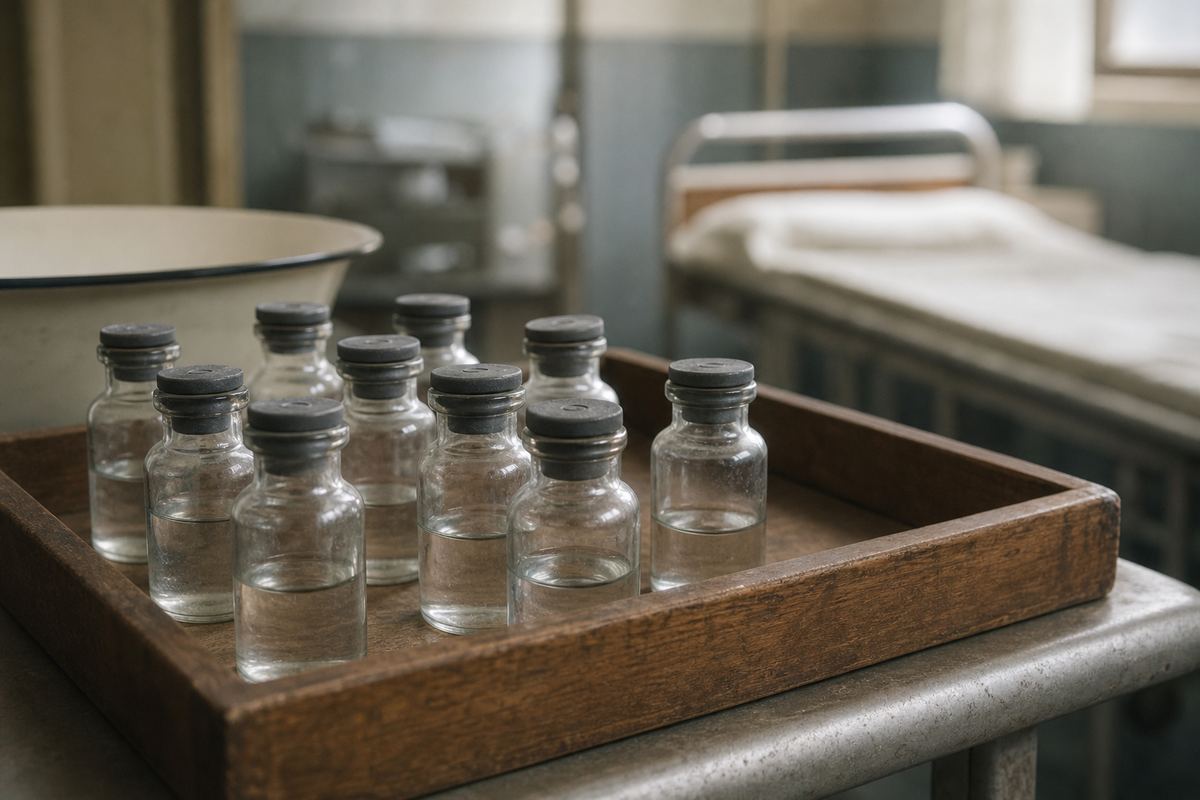
The wartime effort (National WWII Museum)A new kind of medicine Small glass vials of the 1940s, the form in which the first penicillin reached hospitals. AI-generated illustration.
Chapter I · The miracle drug
From mould to medicine
The National WWII Museum (penicillin fact sheet): a total of 21 US companies joined together to produce penicillin; the laboratory in Peoria, Illinois, developed a method that made penicillin grow about 500 times more than it had in England; 2.3 million doses were produced in preparation for the D-Day invasion of Normandy. Fleming, Florey and Chain shared the 1945 Nobel Prize (Fleming’s Nobel lecture).
The 3D scenes are simplified teaching models, not to scale: real bacteria and molecules do not look like this, and the numbers in the dishes are toy numbers.
A bacterium is a single living cell. One E. coli is about two thousandths of a millimetre long.
Antibiotics work by jamming machinery that bacteria need and our own cells do not have, or build differently.
Penicillin and its relatives, the beta-lactams, block the enzymes that knit the cell wall together, a mesh called peptidoglycan. The weakened cell can burst.
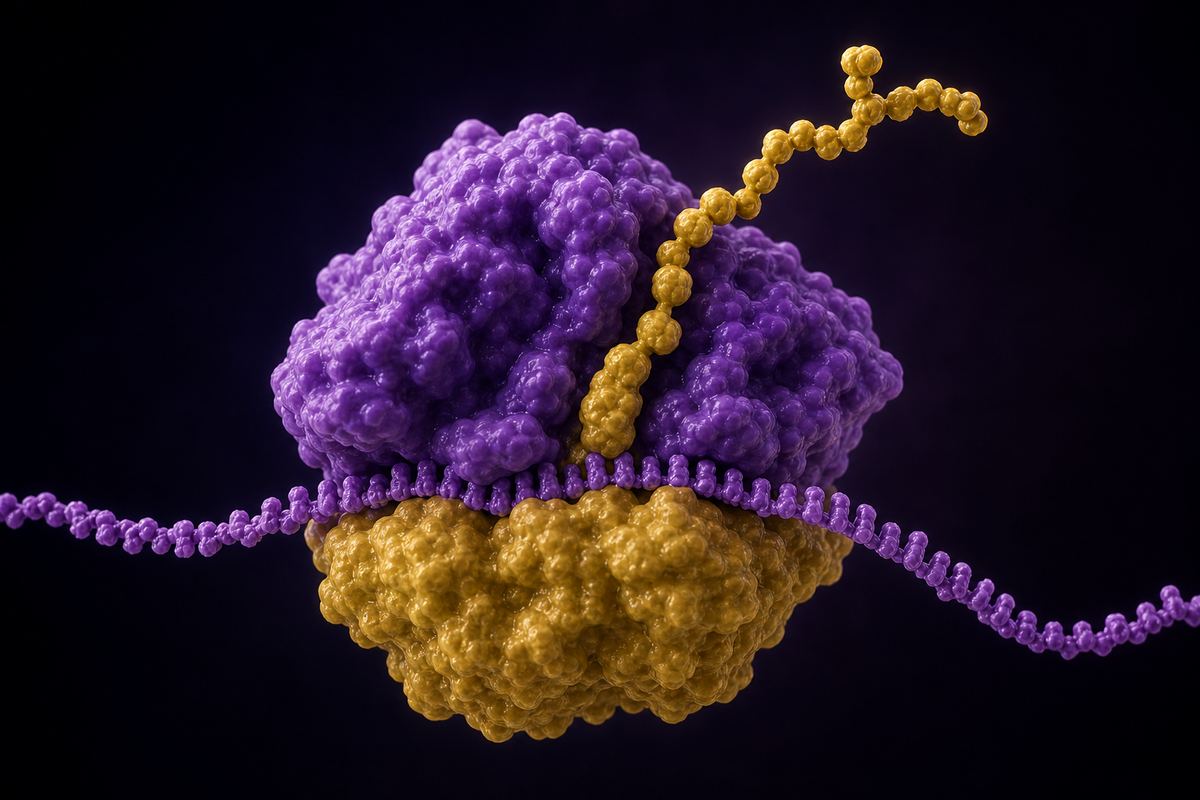
Other antibiotics jam the ribosome, which builds proteins; or the enzyme that untangles DNA as it is copied; or the making of folate, a vitamin bacteria must build for themselves.
Each family hits a different weak point. That is why a germ that shrugs off one drug can still fall to another.
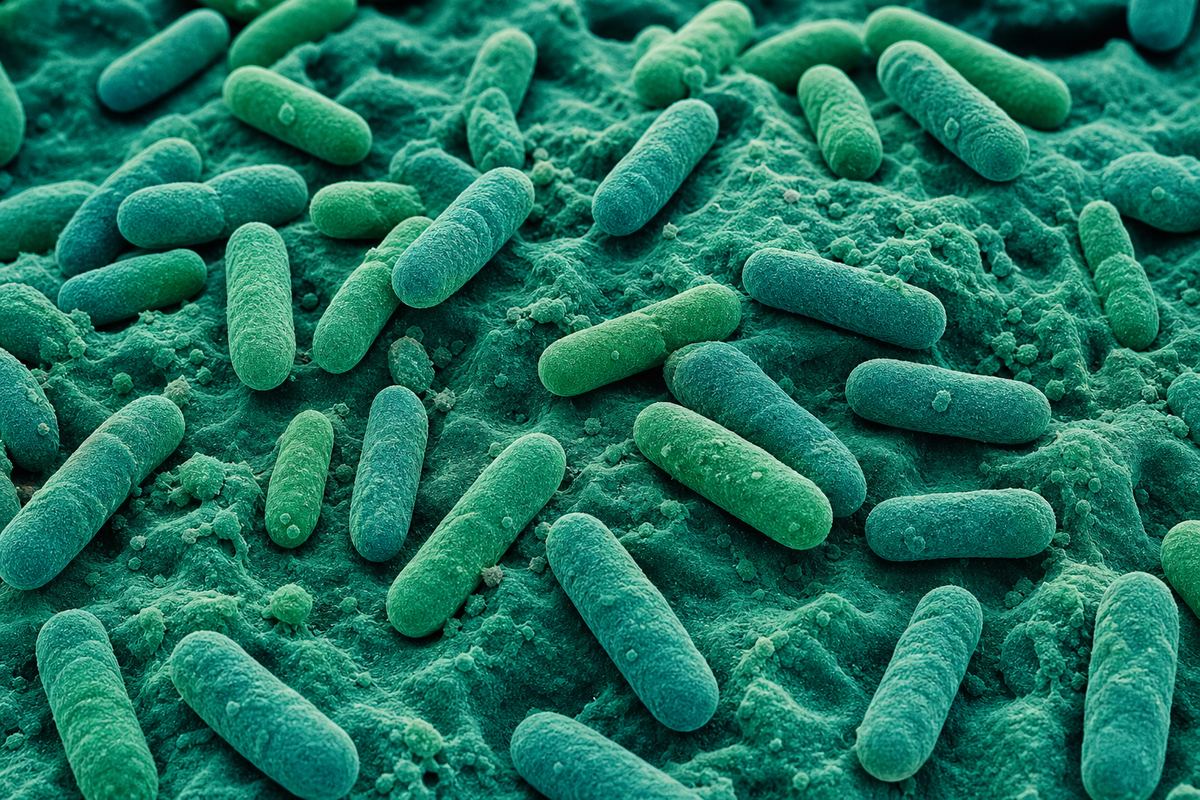
Rod-shaped bacteria Rod-shaped bacteria, magnified many thousands of times; E. coli is about 2 µm long and 0.5 µm wide. AI-generated illustration.
bacteria: yes
their machinery is blocked
our cells: no
they lack it, or build it differently
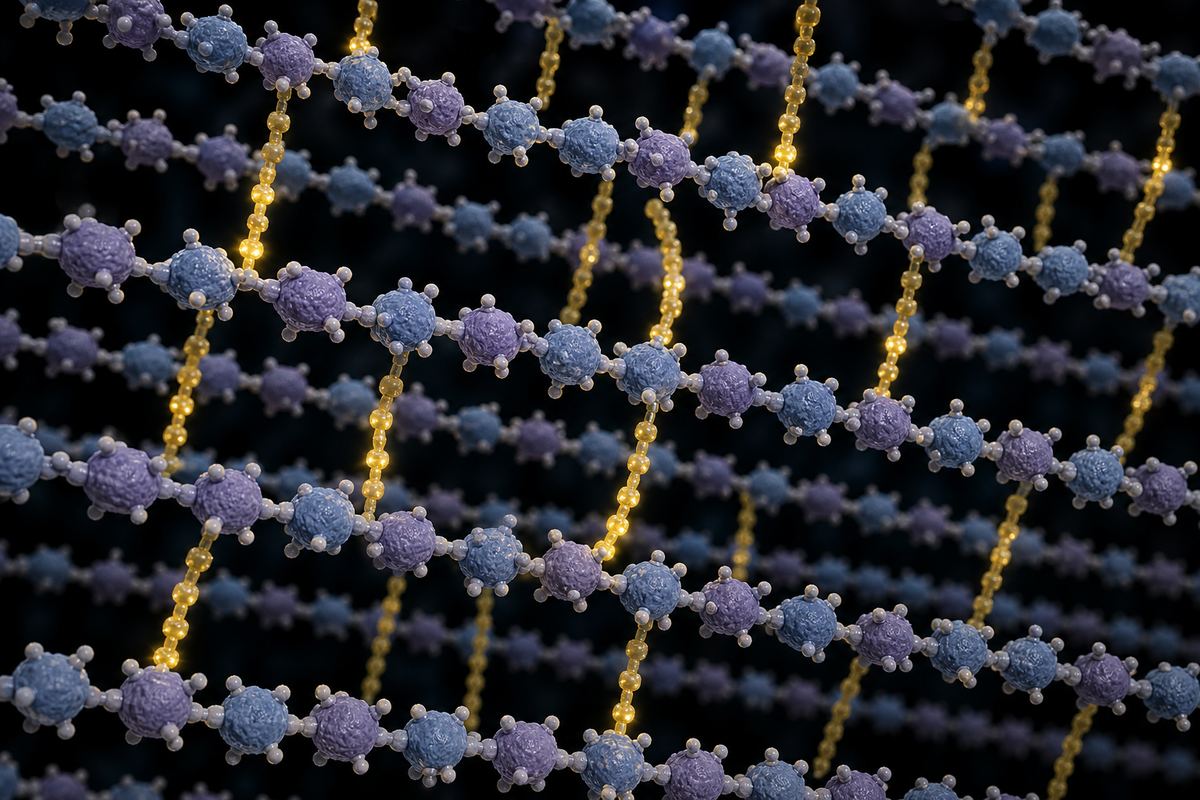
Selective toxicityA mesh around the cell An artist’s view of the peptidoglycan wall: sugar chains linked by short peptide bridges, the links penicillin stops. AI-generated illustration.
beta-lactams (penicillin): cell-wall cross-links
tetracyclines, macrolides: the ribosome
fluoroquinolones: DNA gyrase
sulfonamides, trimethoprim: folate
Antibiotic families and their targetsA protein factory An artist’s view of a ribosome reading genetic code and building a protein chain; bacterial ribosomes differ from ours. AI-generated illustration.
Chapter II · How antibiotics kill
How antibiotics kill
OpenStax Microbiology 14.3: beta-lactams block the cross-linking of peptide chains in peptidoglycan by binding the penicillin-binding proteins that build it, and human cells do not make peptidoglycan; tetracyclines bind the 30S ribosomal subunit and macrolides the 50S subunit; fluoroquinolones inhibit DNA gyrase; sulfonamides and trimethoprim block the synthesis of folic acid. RCSB PDB-101: beta-lactams disable penicillin-binding proteins, the enzymes that cross-link peptidoglycan; quinolones inhibit DNA gyrase. Britannica: E. coli is about 2 µm long and 0.5 µm in diameter.
The buttons light up each target in turn.
The 3D scenes are simplified teaching models, not to scale: real bacteria and molecules do not look like this, and the numbers in the dishes are toy numbers.
Why antibiotics spare us, and do nothing to a cold.
Human cells have no peptidoglycan wall, so penicillin passes them by. That difference is what makes it a medicine rather than a poison.
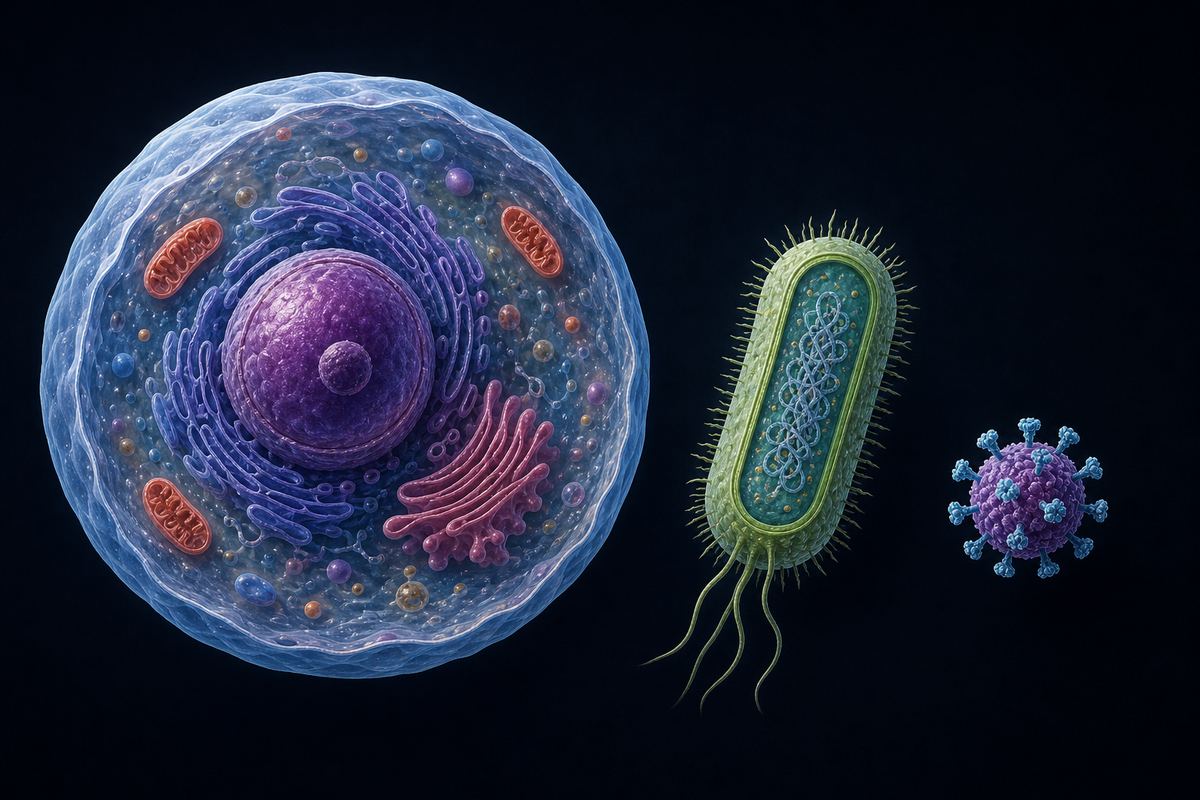
Viruses are different again. They have no wall and no ribosomes of their own; they use their host’s. So antibiotics do not work on colds and flu.
Taking them for a virus does not help, but still exposes the bacteria that live in and on us to the drug.
Three very different things A human cell, a bacterium and a virus side by side, not to scale: a virus is far smaller than a bacterium. AI-generated illustration.
Antibiotics do not work for viral infections such as colds and flu, and most coughs.NHS, Antibiotics
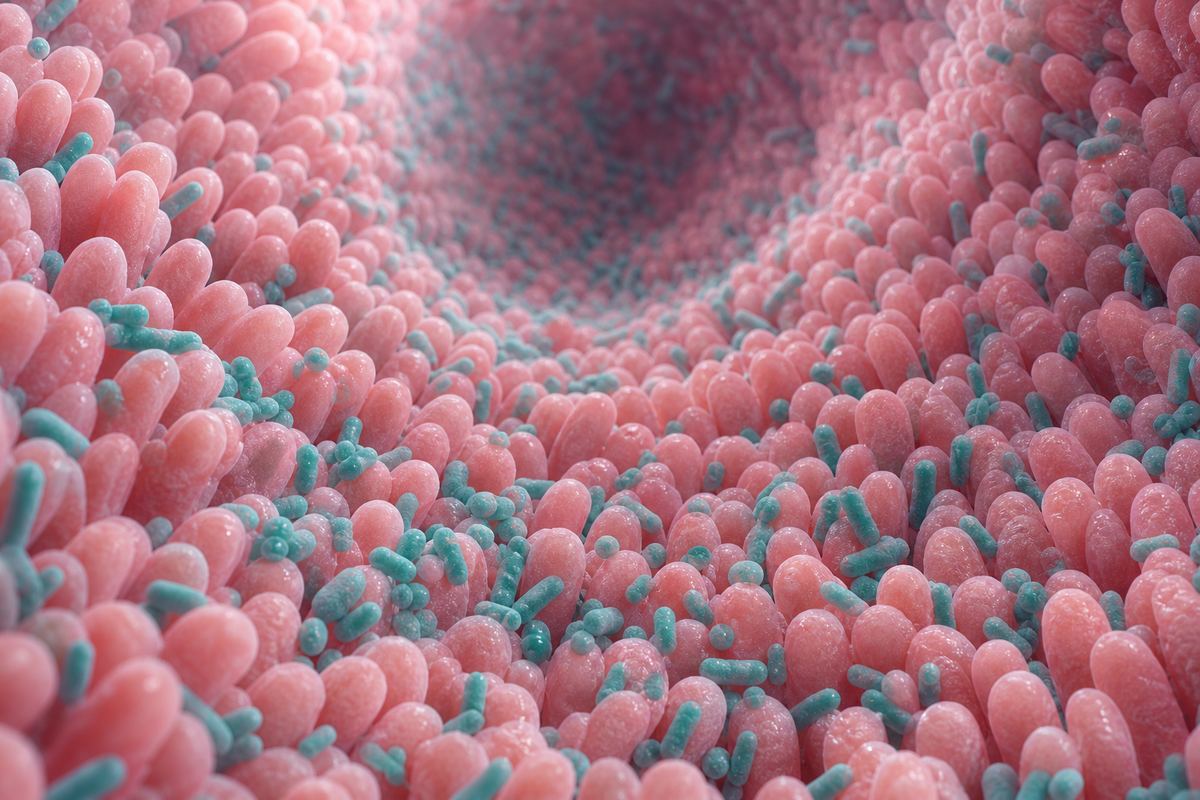
Our own bacteria An artist’s view of bacteria living on the lining of the gut; every course of antibiotics reaches them too. AI-generated illustration.
Chapter II · How antibiotics kill
Bacteria, not viruses
OpenStax Microbiology 14.3: human cells do not make peptidoglycan, which is why cell-wall antibiotics are selectively toxic to bacteria. CDC: antibiotics do not work on viruses, such as those that cause colds and the flu. NHS: antibiotics do not work for viral infections such as colds and flu, and most coughs. CDC (antibiotic use facts): any time antibiotics are used, they can contribute to antimicrobial resistance.
This film is education, not medical advice. Questions about your own treatment are for a doctor or pharmacist.
The 3D scenes are simplified teaching models, not to scale: real bacteria and molecules do not look like this, and the numbers in the dishes are toy numbers.
The drug does not create resistance. It selects it.
In a lab, in a rich broth at body temperature, E. coli can double every twenty minutes. Overnight, one cell can become millions.
Inside the body most bacteria divide far more slowly, every few hours, but the logic is the same.
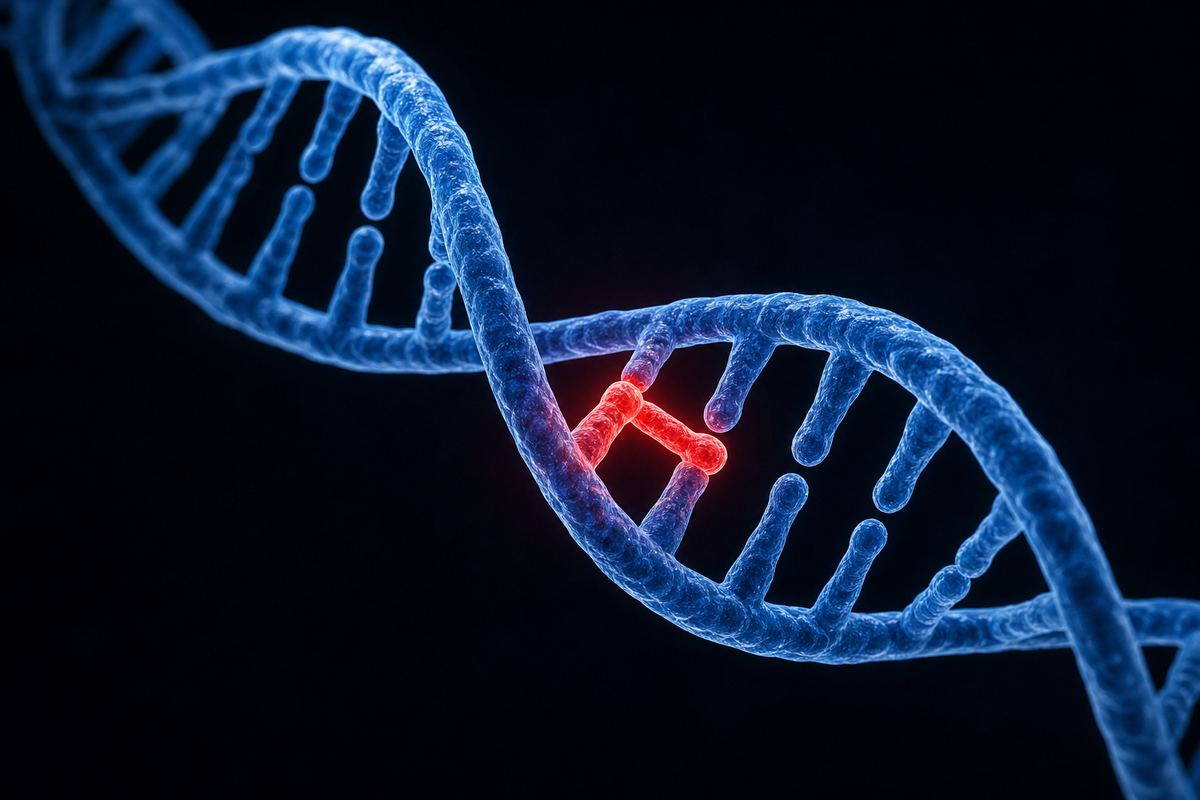
Each time a cell copies its DNA, there is a small chance of a mistake, a mutation. Most do nothing, or harm. Very rarely, one makes the cell harder to kill.
Now add an antibiotic. The susceptible cells die. The rare resistant ones survive.
With their rivals gone, they divide into the space left behind. The drug did not create the resistance; it selected it. This is natural selection, running in hours.
224≈16.8 million cells after 8 hours
24
doublings in 8 hours, three an hour
Doubling every 20 minutes (lab broth)A copying mistake An artist’s view of a DNA strand with one mismatched letter glowing: most such changes do nothing. AI-generated illustration.
Antibiotic resistance is a natural occurrence caused by mutations in bacteria’s genes.ECDC, factsheet for the public
2.5%
resistant before the drug
100%
of the survivors are resistant
In the toy dishAfter the drug A plate after an antibiotic: a few surviving colonies spread across the cleared space. AI-generated illustration.
Chapter III · Evolution in a dish
Selection, not creation
BioNumbers (Harvard): the doubling time of E. coli K-12 during steady growth in LB broth at 37 °C is 20 minutes; inside the body most common pathogens divide far more slowly, probably every 5–10 hours (LibreTexts). Britannica: mutations occur naturally when cells divide, and antibiotics provide selective pressure. ECDC: antibiotic resistance is a natural occurrence caused by mutations in bacteria’s genes. The film’s arithmetic: three doublings an hour for eight hours is 2²⁴ ≈ 16.8 million.
Press “Add antibiotic”, then “Let them regrow”. The dish is a toy: real resistant cells are far rarer.
The 3D scenes are simplified teaching models, not to scale: real bacteria and molecules do not look like this, and the numbers in the dishes are toy numbers.
Bacteria have a handful of ways to survive a drug. The CDC lists five.
They can destroy it with an enzyme. In 1940, before penicillin was in general use, Edward Abraham and Ernst Chain described a bacterial enzyme that destroyed it.
They can pump the drug back out, or keep it from getting in. They can find a way around the step it blocks.
Or they can change the target, so the drug no longer fits. MRSA, a resistant strain of Staphylococcus aureus, or staph, carries a gene called mecA that makes a new wall-building enzyme, PBP2a, which beta-lactams cannot block.
A single bacterium can carry several of these defences at once.
destroy the drug with an enzyme
pump it out
block its way in
change the target
bypass the blocked step
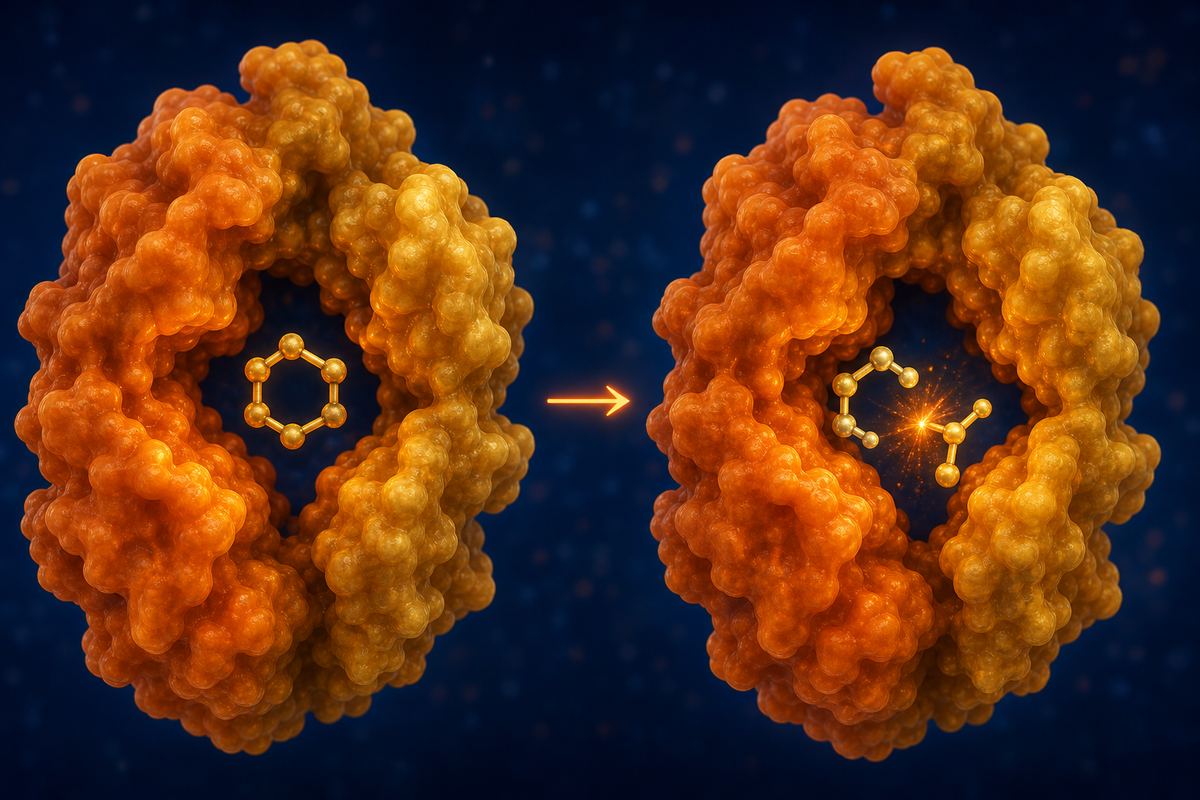
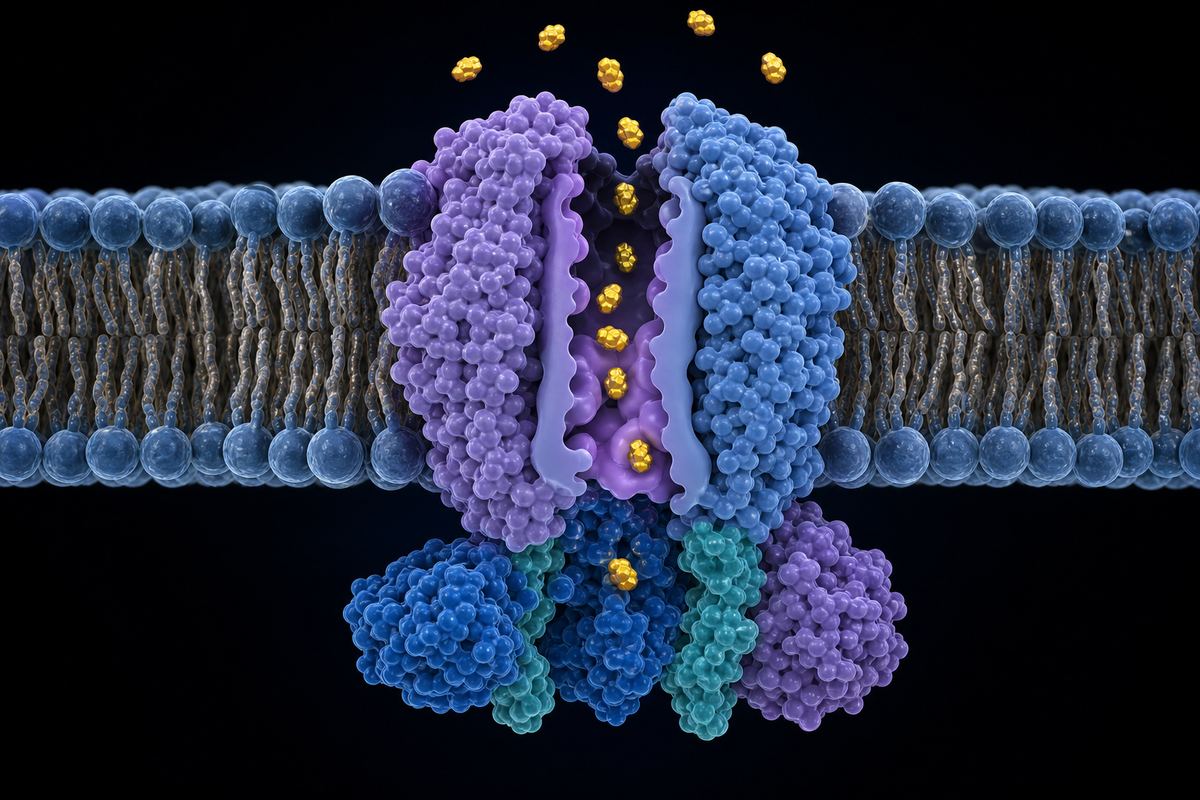
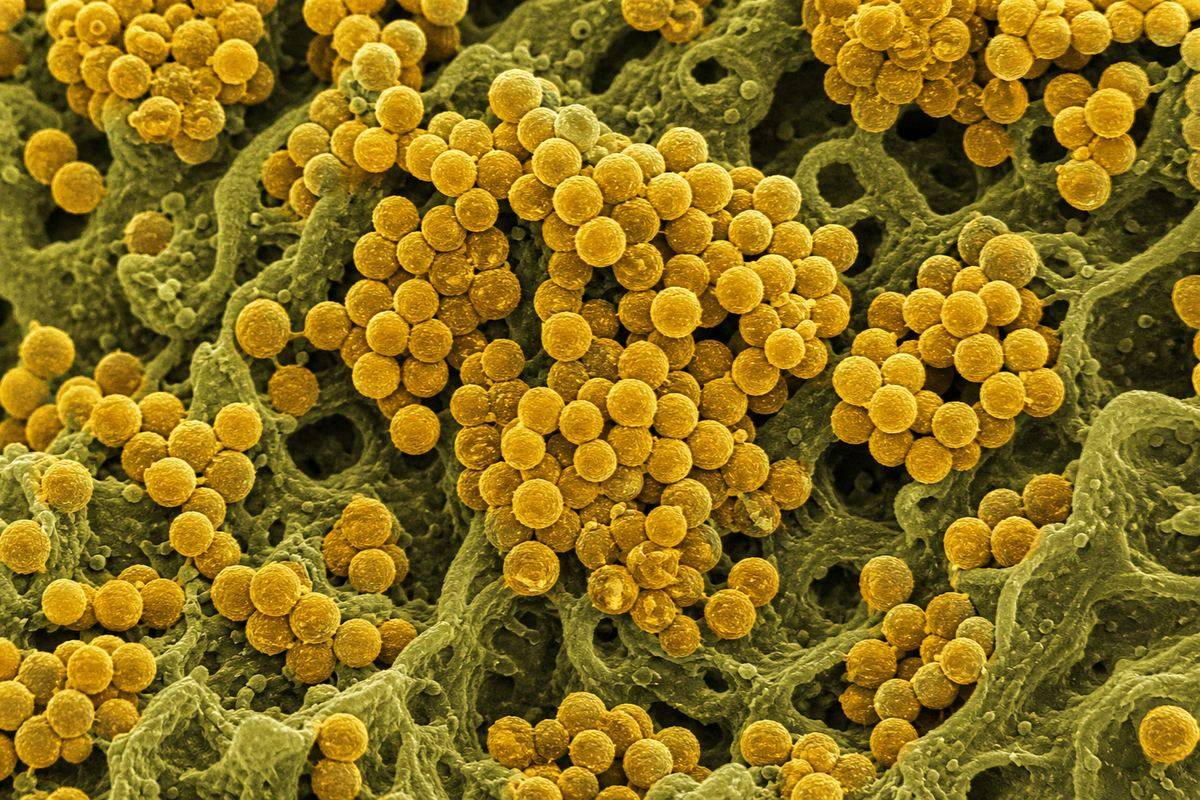
Five defences (CDC)Scissors for a drug An artist’s view of an enzyme cutting a drug molecule apart; beta-lactamase breaks the ring that makes penicillin work. AI-generated illustration.A pump in the membrane An artist’s view of a protein pump in a bacterial membrane pushing drug molecules back outside. AI-generated illustration.Staphylococcus aureus Grape-like clusters of round staph bacteria; MRSA looks the same, but its wall enzyme ignores beta-lactams. AI-generated illustration.
mecA → PBP2a
a gene that makes a wall enzyme beta-lactams cannot block
MRSA’s trick (Wellcome Sanger Institute)
Chapter IV · Defences, and sharing them
How bacteria resist
CDC: bacteria resist by restricting access of the drug through their outer membrane, getting rid of it with pumps in their cell walls, changing or destroying it with enzymes, changing the drug’s target, and developing new processes that bypass the target. Abraham and Chain, Nature (1940): “An enzyme from bacteria able to destroy penicillin”. Britannica: beta-lactamase alters the structure of the penicillin molecule, rendering it inactive. Wellcome Sanger Institute: the mecA gene confers methicillin resistance by producing a protein called PBP2a.
The buttons show four of the defences on one cell.
The 3D scenes are simplified teaching models, not to scale: real bacteria and molecules do not look like this, and the numbers in the dishes are toy numbers.
Bacteria do not only inherit resistance from the cell they split from. They can pass genes sideways, to other bacteria.
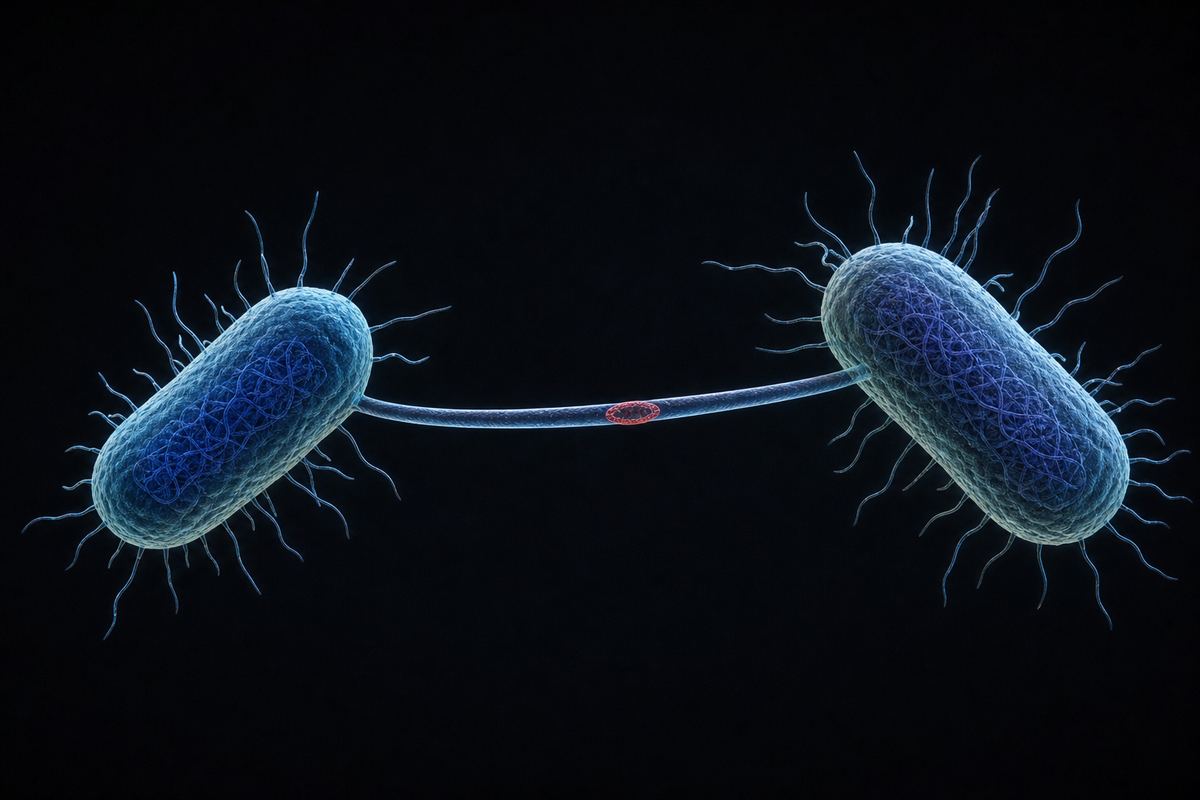
In conjugation, one cell reaches another with a thin tube and passes over a copy of a plasmid, a small loop of DNA that can carry resistance genes.
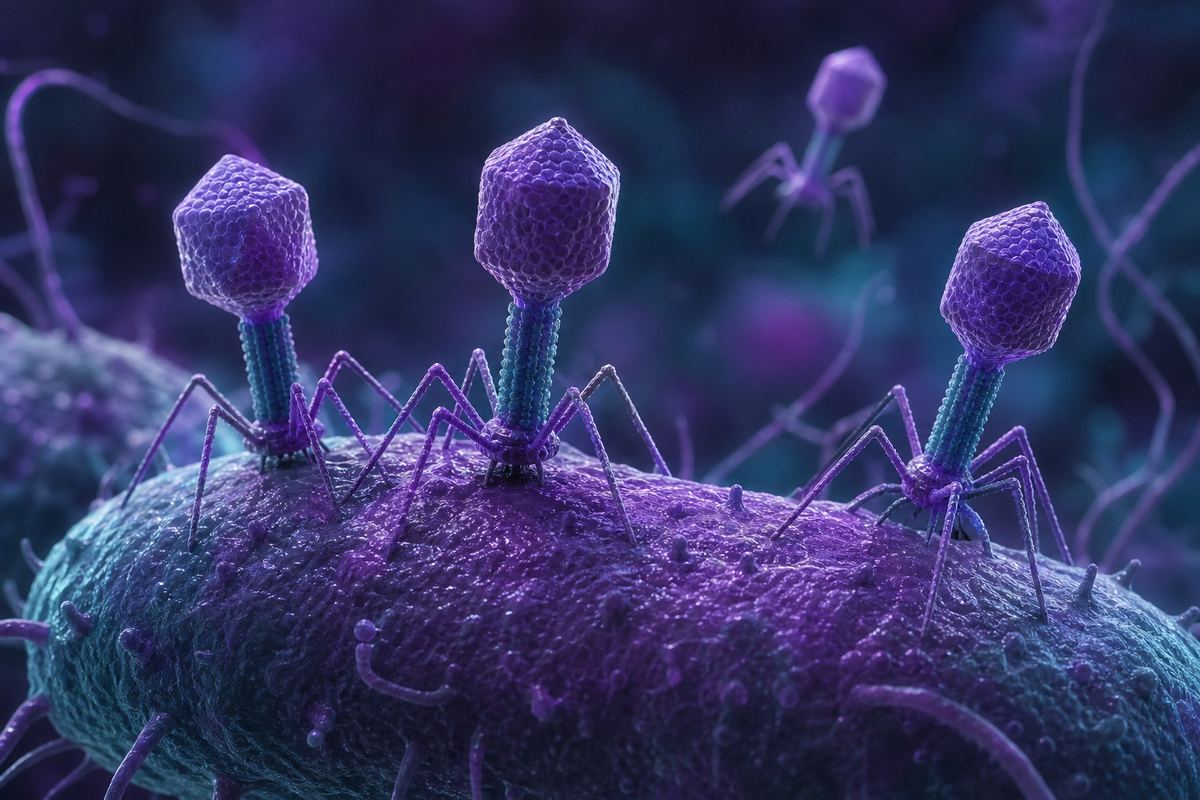
In transformation, a cell takes up loose DNA from its surroundings. In transduction, a virus that infects bacteria carries genes from one host to the next.
So one resistant bacterium can arm others, and a gene that appeared once can spread far beyond the cell where it began.
A bridge between cells Two bacteria joined by a thin tube, a pilus, through which a copy of a plasmid passes. AI-generated illustration.
conjugation: a plasmid passed through a pilus
transformation: naked DNA taken up
transduction: genes carried by a virus
Three routes (OpenStax)A virus that infects bacteria Bacteriophages landing on a bacterium; now and then one carries a piece of its last host’s DNA. AI-generated illustration.
…resistant germs can share their resistance mechanisms with other germs.CDC, About antimicrobial resistance
Chapter IV · Defences, and sharing them
Horizontal gene transfer
OpenStax Microbiology 11.6: in transformation, naked environmental DNA is taken up by a bacterial cell; in transduction, genes are transferred through viral infection; in conjugation, DNA is transferred through direct contact using a conjugation pilus; resistance genes are often encoded on R plasmids. CDC: resistant germs can share their resistance mechanisms with other germs. Britannica: transduction occurs when a bacterial virus, a bacteriophage, carries DNA.
The 3D scenes are simplified teaching models, not to scale: real bacteria and molecules do not look like this, and the numbers in the dishes are toy numbers.
His Nobel lecture, December 1945. Today: take antibiotics exactly as prescribed.
Fleming saw it coming. In his Nobel lecture of December 1945, he said it was not difficult to make microbes resistant in the lab, by exposing them to doses too small to kill them.
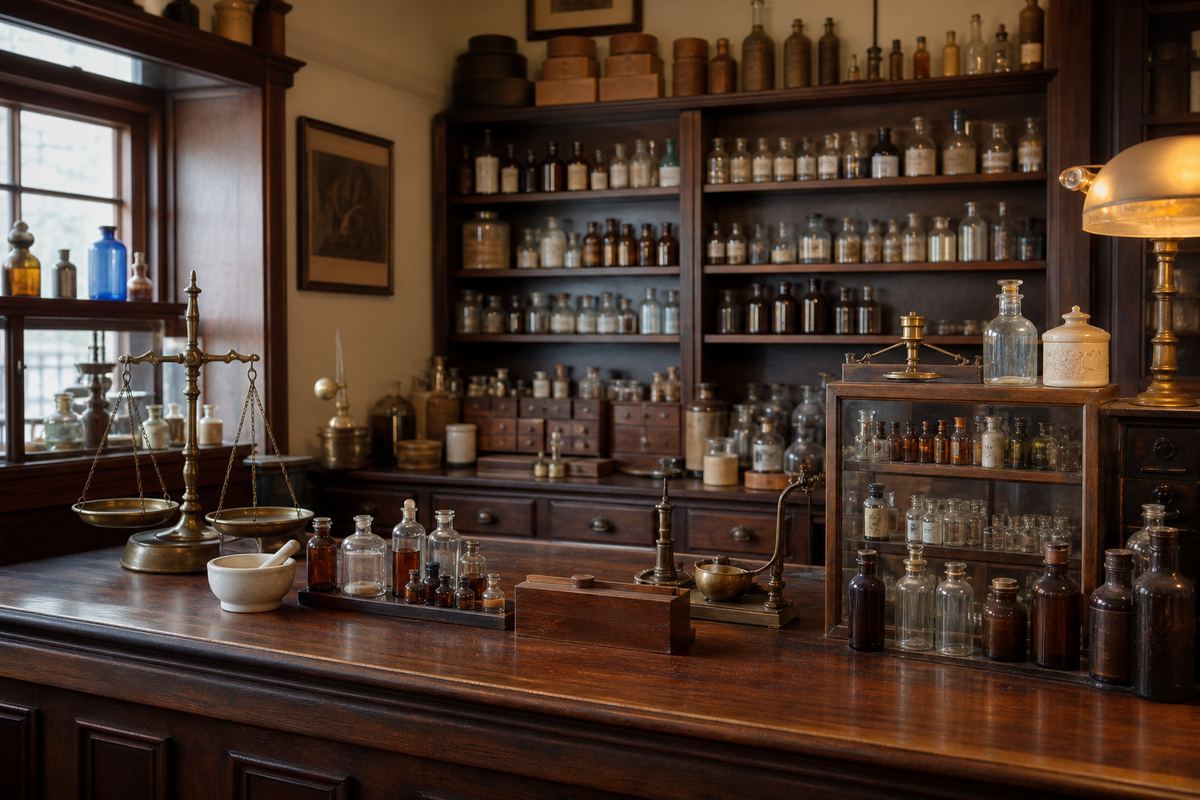
He feared that once penicillin could be bought in shops, people would underdose themselves and breed resistant microbes.
A low dose does not invent resistance either. It kills the weakest cells and leaves the toughest to multiply: selection again.
Today’s advice is simple: take antibiotics only when a professional prescribes them, exactly as you are told, and never share or save them.
It is not difficult to make microbes resistant to penicillin in the laboratory by exposing them to concentrations not sufficient to kill them.Alexander Fleming, Nobel lecture, 11 December 1945
Over the counter A 1940s chemist’s shop counter with glass bottles and boxes, the kind of place Fleming imagined selling penicillin to anyone. AI-generated illustration.
only with a prescription
take as directed
don’t keep leftovers or share them
wash hands, get vaccinated
Public advice (ECDC, NHS)
Chapter V · The race and the toll
Fleming’s warning
Fleming’s Nobel lecture (11 December 1945): “It is not difficult to make microbes resistant to penicillin in the laboratory by exposing them to concentrations not sufficient to kill them, and the same thing has occasionally happened in the body. The time may come when penicillin can be bought by anyone in the shops. Then there is the danger that the ignorant man may easily underdose himself and by exposing his microbes to non-lethal quantities of the drug make them resistant.” He ended the story he told with: “If you use penicillin, use enough.” Today’s public advice (ECDC; NHS): take antibiotics only with a prescription and as directed, don’t use leftovers or share them, wash hands and get vaccinated. Some researchers argue that courses are often longer than needed (Llewelyn et al., BMJ 2017); follow the advice of your own doctor or pharmacist.
The dish shows what Fleming described in the lab: “Low dose” leaves the toughest cells alive; “Full dose” clears them. It is not a model of treatment in a patient.
This film is education, not medical advice. Questions about your own treatment are for a doctor or pharmacist.
New antibiotics, and how fast resistance followed.
Every antibiotic has met resistance, sometimes within a year. In the CDC’s table, penicillin was released in 1941, and resistant staph was identified in 1942.
Methicillin was introduced in Britain in 1959; MRSA was reported in 1961. Genome studies later traced MRSA back to the mid-1940s, before methicillin even existed: the resistance was already there, waiting to be selected.
For ceftazidime-avibactam, approved in 2015, the CDC lists resistance in the same year.
Each time the pattern repeats: the drug works, and then, in some bacteria, it stops working.
Drug released → resistance identified (CDC, 2019)Older than the drug A culture plate of golden staph colonies; genome studies date MRSA’s common ancestor to about 1946, thirteen years before methicillin. AI-generated illustration.
~1946
common ancestor of MRSA
1959
methicillin introduced in the UK
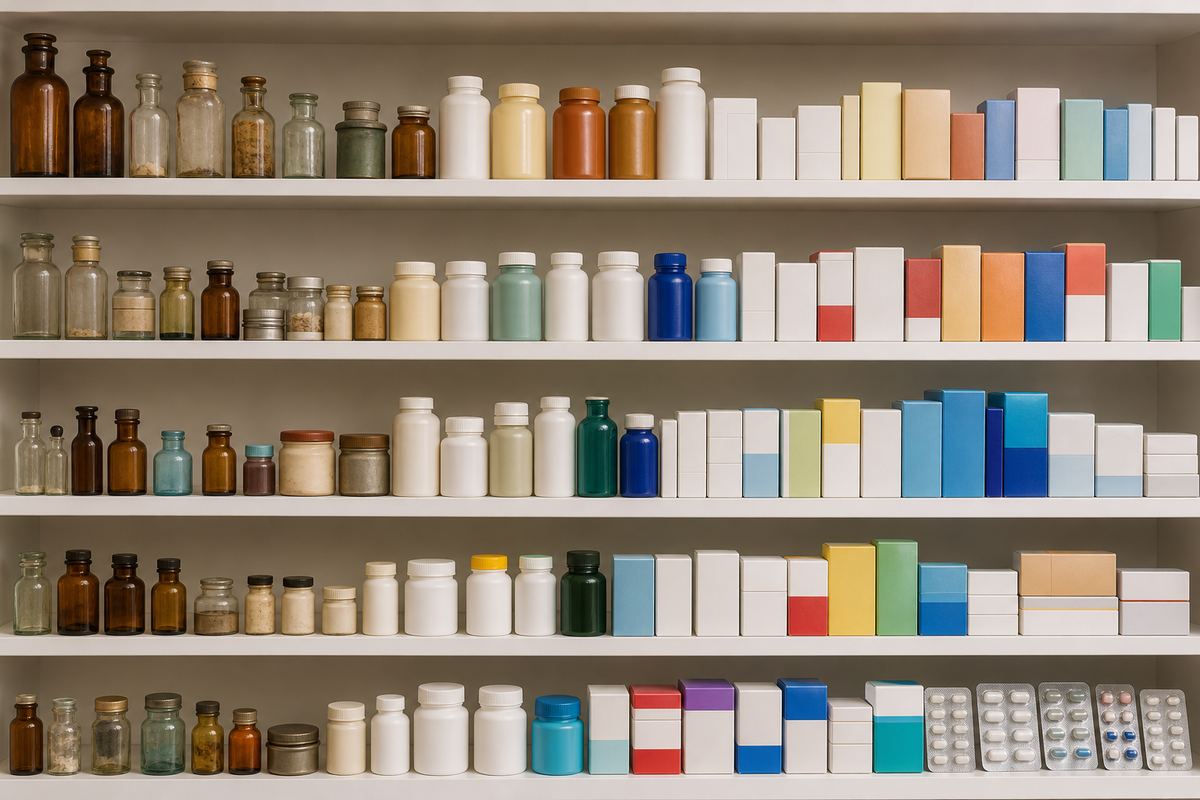
MRSA, from its genome (Harkins et al. 2017)Drug after drug A pharmacy shelf of antibiotic boxes from many decades: each new family met resistance in time. AI-generated illustration.
Chapter V · The race and the toll
The race
CDC, Antibiotic Resistance Threats Report 2019 (table: when antibiotics were released and when resistance was identified): penicillin 1941, penicillin-resistant Staphylococcus aureus 1942; vancomycin 1958, vancomycin-resistant Enterococcus 1988; imipenem 1985, KPC-producing Klebsiella pneumoniae 1996; ceftazidime-avibactam 2015, resistant KPC Klebsiella pneumoniae 2015. Harkins et al., Genome Biology (2017): methicillin was introduced in the UK in 1959; resistant isolates were found at Colindale in October 1960 and published by Jevons in 1961; MRSA emerged in the mid-1940s, with a common ancestor around 1946. Wellcome Sanger Institute: MRSA acquired mecA as early as the mid-1940s. Other sources date the first penicillin resistance a little differently, to 1944 (Science Learning Hub).
The buttons highlight each pair on the timeline.
The 3D scenes are simplified teaching models, not to scale: real bacteria and molecules do not look like this, and the numbers in the dishes are toy numbers.
What resistance costs in lives, by the best estimates.
Resistance is now worldwide. WHO found that in 2023 about one in six lab-confirmed bacterial infections resisted antibiotics, and one in three in WHO’s South-East Asia and Eastern Mediterranean regions.
A study in The Lancet estimated that in 2019 resistant bacteria directly caused 1.27 million deaths, and played a part in 4.95 million.
Its follow-up forecasts almost two million directly caused deaths a year by 2050. In Thailand, estimates for 2010 range from about nineteen thousand to thirty-eight thousand deaths a year.
Behind each number are infections that became harder, sometimes impossible, to treat.
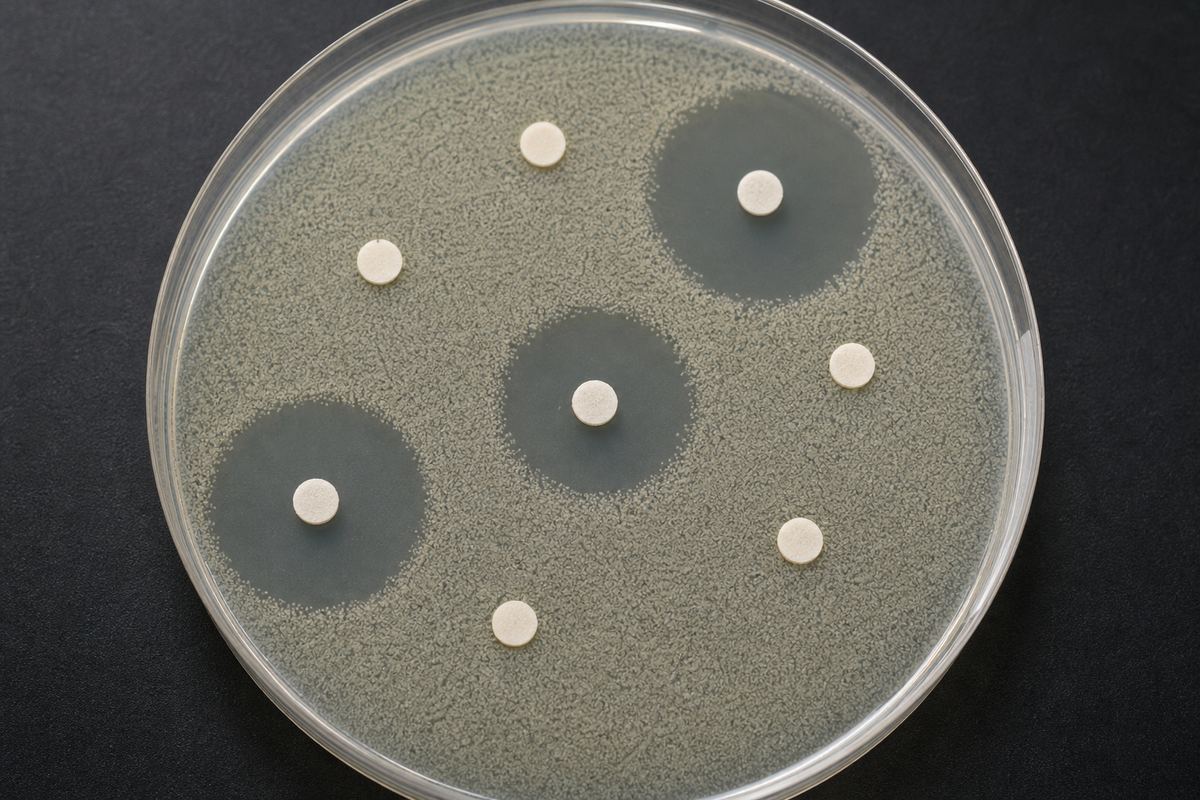
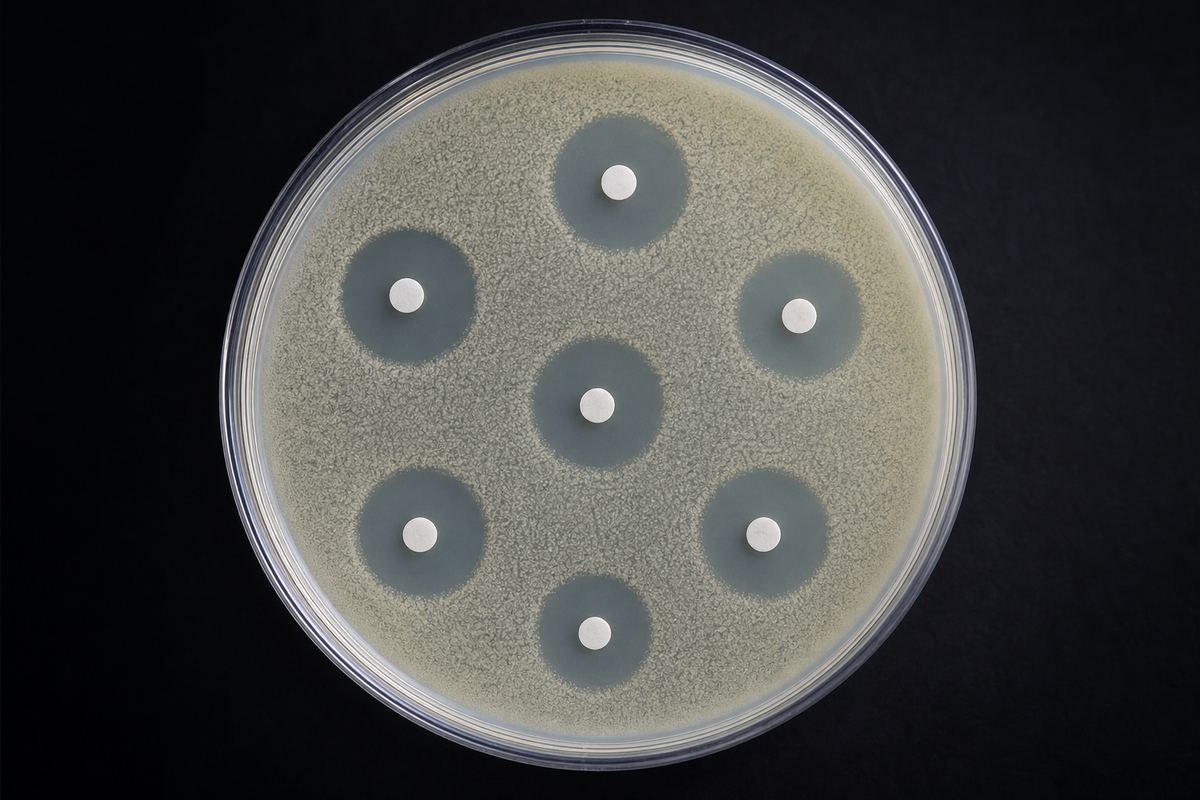
Testing a sample A hospital lab tests which antibiotics still stop a patient’s bacteria: discs of drug on a plate, and clear rings where they work. AI-generated illustration.
2019, directly caused
1.27
2019, played a part
4.95
2050 forecast, directly caused
1.91
Deaths from bacterial AMR (The Lancet / IHME)
~19,000
excess deaths with hospital-acquired multidrug-resistant infections (Lim et al., eLife 2016)
38,481
deaths a year (estimate cited by WHO Thailand)
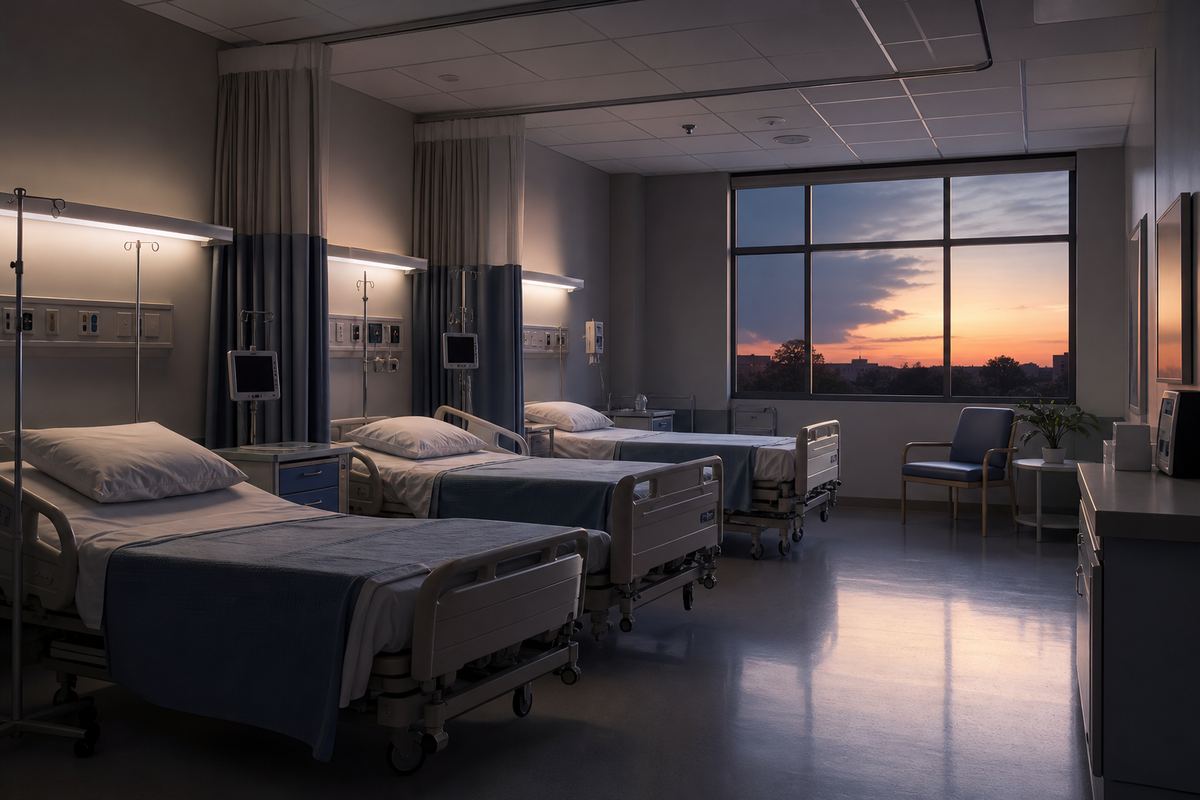
Thailand, 2010 estimatesA hospital ward An empty, quiet hospital ward at dusk; resistant infections are hardest on the oldest and sickest patients. AI-generated illustration.
Chapter V · The race and the toll
The toll
WHO (13 October 2025, GLASS report): about one in six laboratory-confirmed bacterial infections in 2023 were resistant to antibiotics; in the South-East Asia and Eastern Mediterranean regions, one in three; in the African Region, one in five; 104 countries reported. GRAM study, The Lancet (2022): 4.95 million deaths associated with bacterial antimicrobial resistance in 2019, of which 1.27 million were directly attributable. GRAM forecast, The Lancet (2024): 1.91 million attributable and 8.22 million associated deaths a year by 2050. Thailand: WHO Thailand cites a 2010 estimate of 38,481 deaths a year; Lim et al. (eLife 2016) estimated 19,122 excess deaths among 45,209 deaths in patients with hospital-acquired multidrug-resistant infections in 2010.
Estimates of deaths differ with method; the film gives each with its source. The buttons switch the grid between WHO regions.
The 3D scenes are simplified teaching models, not to scale: real bacteria and molecules do not look like this, and the numbers in the dishes are toy numbers.
New antibiotics are few. WHO counted ninety in clinical development in 2025, down from ninety-seven in 2023.
Only fifteen were truly new kinds, and only five worked against at least one of the bacteria WHO ranks as critical.
WHO’s critical list includes bacteria that resist carbapenems, and tuberculosis that resists the drug rifampicin.
Most early work happens in small companies: about nine in ten of the firms behind early-stage projects have fewer than fifty employees.
2023, all agents
97
2025, all agents
90
2025, innovative
15
2025, active against a critical pathogen
5
Antibacterials in clinical development (WHO)
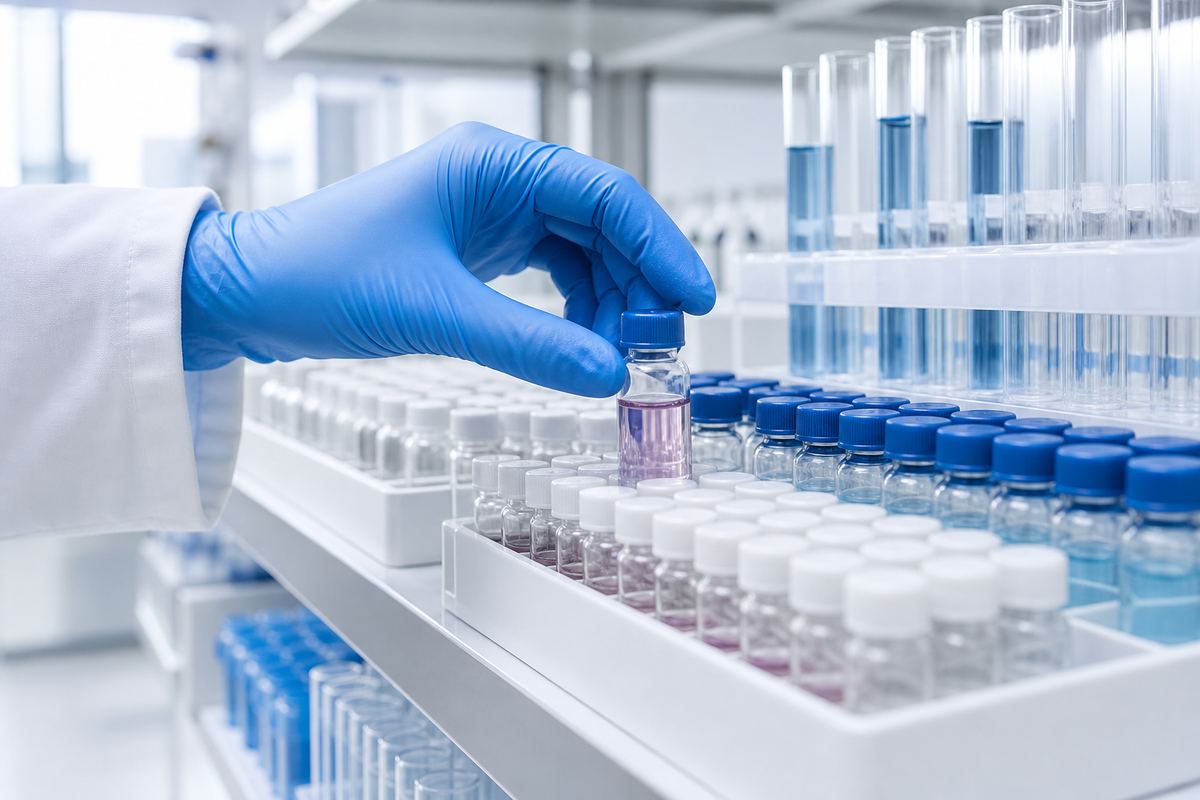
A long road Racks of sample vials in a trial lab: most drug candidates never reach patients. AI-generated illustration.
carbapenem-resistant Acinetobacter baumannii
Enterobacterales resistant to third-generation cephalosporins
carbapenem-resistant Enterobacterales
rifampicin-resistant tuberculosis
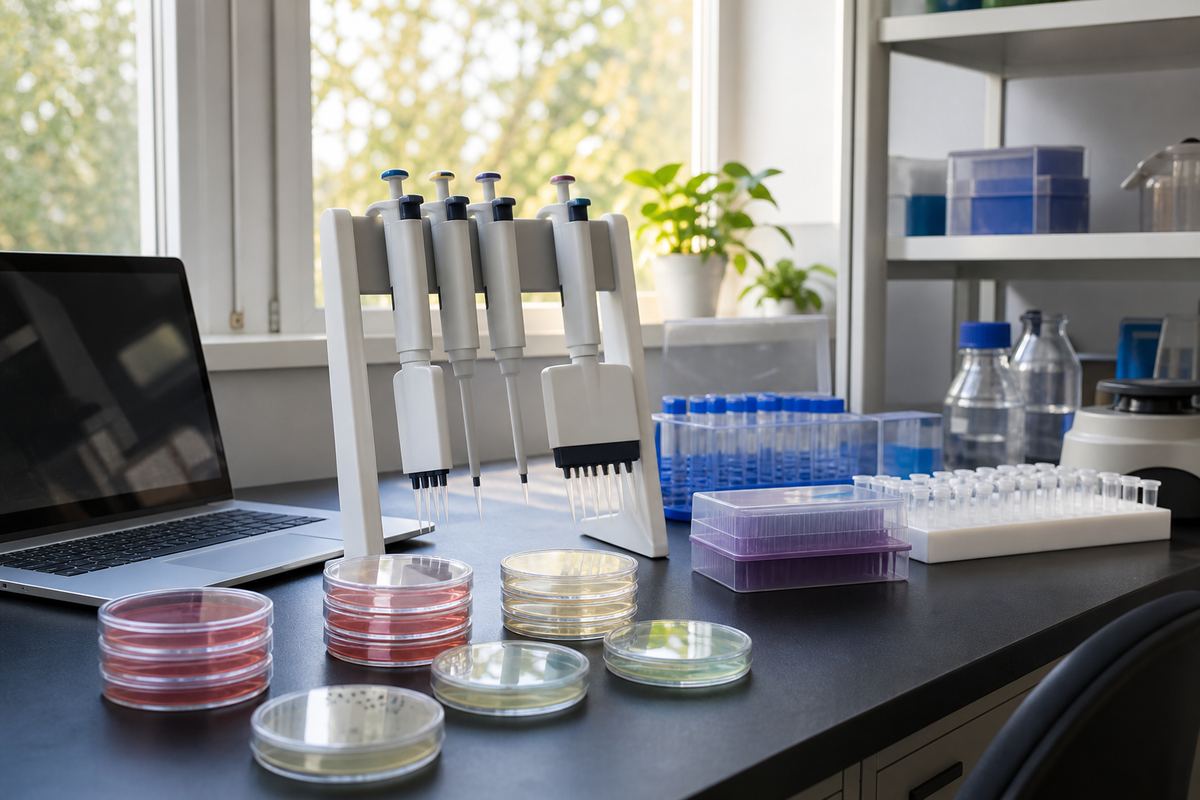
WHO’s critical priority bacteria (2024)A small lab A small biotech laboratory bench with plates and pipettes: where most early antibiotic research now happens. AI-generated illustration.
Chapter VI · Slowing it down
The pipeline
WHO (2 October 2025): the clinical antibacterial pipeline fell from 97 agents in 2023 to 90 in 2025; only 15 are innovative, and 5 are effective against at least one “critical” pathogen; there are 232 preclinical programmes, and about 90% of the companies behind them have fewer than 50 employees. WHO Bacterial Priority Pathogens List (17 May 2024): critical priority includes carbapenem-resistant Acinetobacter baumannii, third-generation-cephalosporin-resistant Enterobacterales, carbapenem-resistant Enterobacterales and rifampicin-resistant Mycobacterium tuberculosis.
The 3D scenes are simplified teaching models, not to scale: real bacteria and molecules do not look like this, and the numbers in the dishes are toy numbers.
Fewer infections, and the right drug only when needed.
Resistance cannot be stopped, because it is evolution. But it can be slowed. Every infection that never happens never needs treating.
That is the answer to England’s puzzle. Resistance genes are already out there, passed from cell to cell, so cutting prescriptions alone cannot pull them back. Fewer infections can help.
Clean water and sanitation, washing hands, vaccines and infection control in hospitals all cut infections, WHO and ECDC point out.
WHO also sorts antibiotics into three groups, Access, Watch and Reserve, to keep the most precious for when nothing else works.
In 2024, world leaders at the United Nations agreed that at least seventy percent of human antibiotic use should come from the Access group, and to cut use in farming meaningfully.
None of this means refusing antibiotics when they are truly needed. For a serious bacterial infection, they save lives.
−10.7%
antibiotic use
+16.8%
resistant bloodstream infections
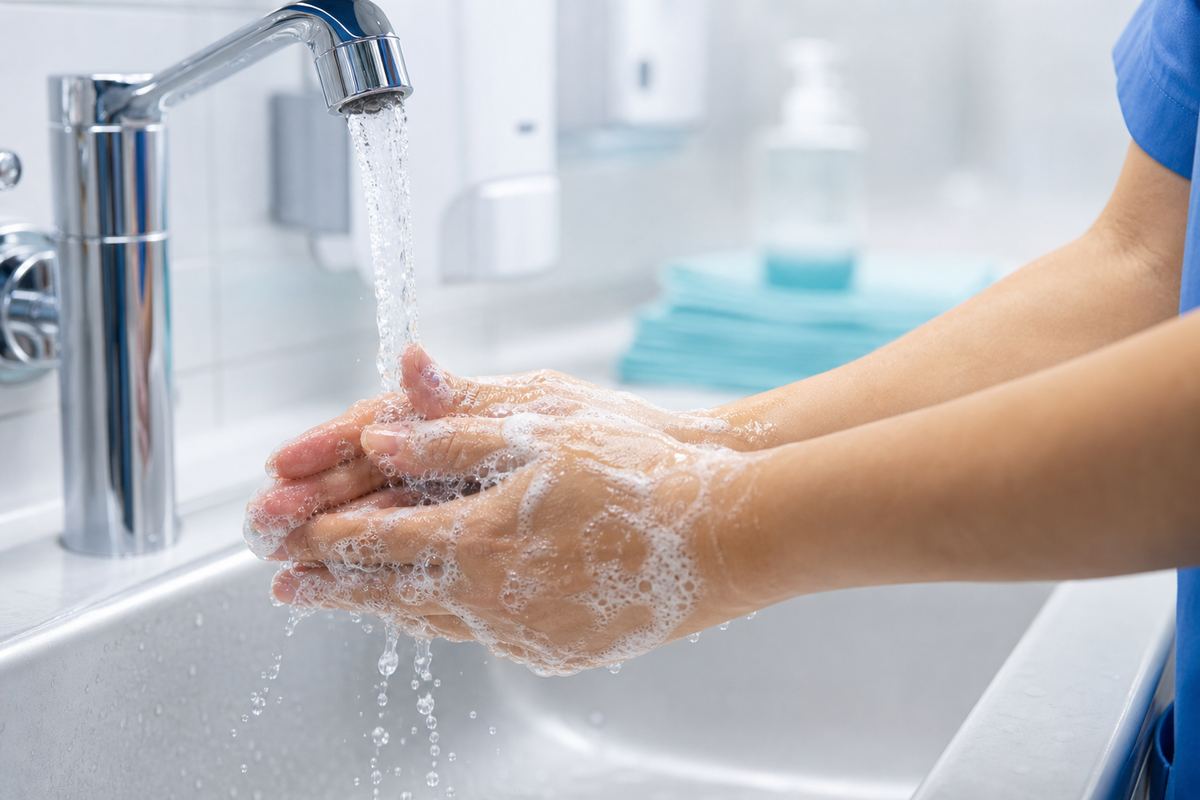
England, 2019 → 2025The simplest defence Hands being washed at a hospital sink: preventing infections means fewer antibiotics are needed. AI-generated illustration.
Access: first choices for common infections
Watch: higher risk of resistance, use with care
Reserve: last resort
WHO AWaRe groups
≥70%
of human antibiotic use from the Access group
−10%
target for AMR-associated deaths by 2030
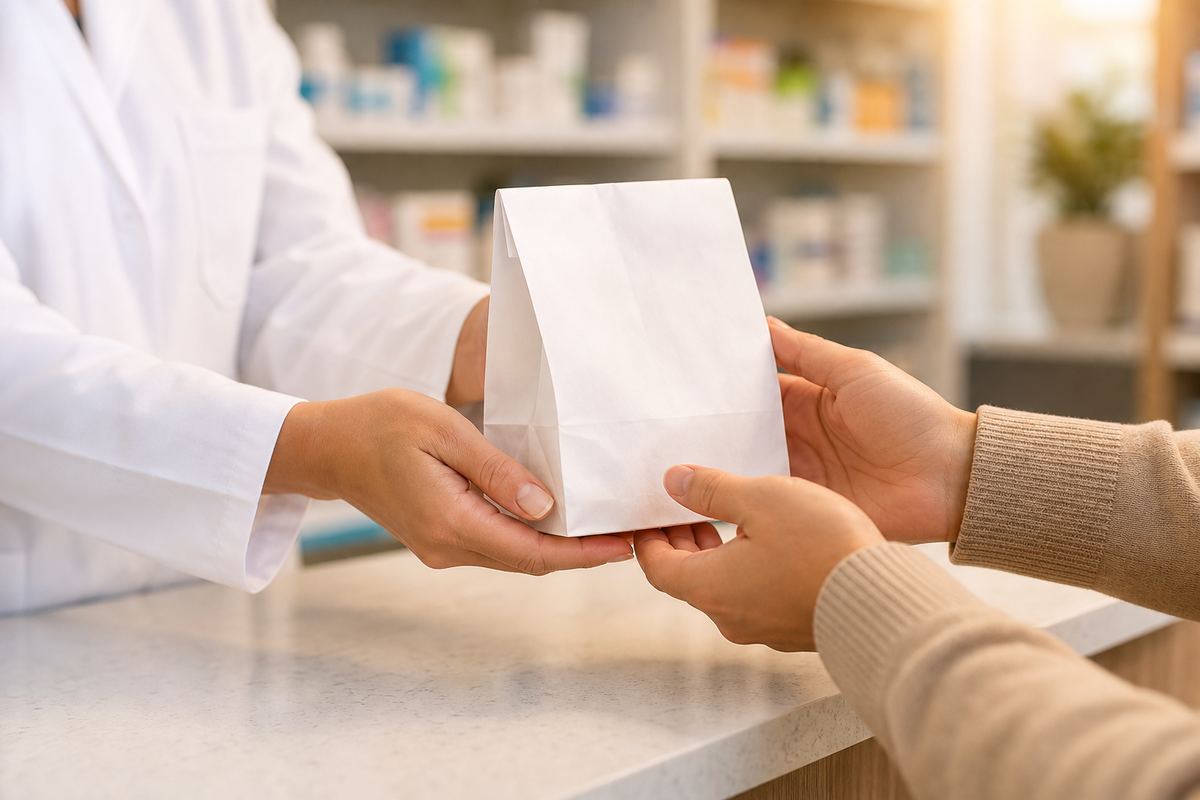
UN political declaration, 26 September 2024When it is needed A pharmacist hands over a prescription: the right drug, for the right infection, taken as directed. AI-generated illustration.
Chapter VI · Slowing it down
Slowing resistance
WHO fact sheet: the misuse and overuse of antimicrobials are driving the development and spread of resistance; lack of clean water, sanitation and hygiene and of access to vaccines contribute. ECDC advice: follow your doctor’s advice, get vaccinated, wash hands regularly. WHO (2019): AWaRe classifies antibiotics into three groups, Access, Watch and Reserve. WHO (26 September 2024): at the UN General Assembly, world leaders committed to reduce AMR-associated deaths by 10% by 2030, to have at least 70% of human antibiotic use come from the Access group, and to meaningfully reduce antimicrobial use in agri-food systems.
Press “Prevent infections” to see fewer infections, and so fewer courses of antibiotics, in the toy town.
This film is education, not medical advice. Questions about your own treatment are for a doctor or pharmacist.
The 3D scenes are simplified teaching models, not to scale: real bacteria and molecules do not look like this, and the numbers in the dishes are toy numbers.
Antibiotics are still among medicine’s most precious tools. But every use is a test that some bacterium, somewhere, may pass.
Fleming’s warning is now more than eighty years old. Every infection prevented, and every antibiotic kept for when it is truly needed, keeps the cure working a little longer.
1928 Fleming sees penicillin at work
1940 an enzyme that destroys penicillin is described
1944 2.3 million doses ready for D-Day
1945 Fleming’s Nobel lecture warning
1959–61 methicillin, then MRSA
2019 1.27 million deaths directly caused
2024 UN declaration on AMR
2025 England: 400+ resistant infections a week
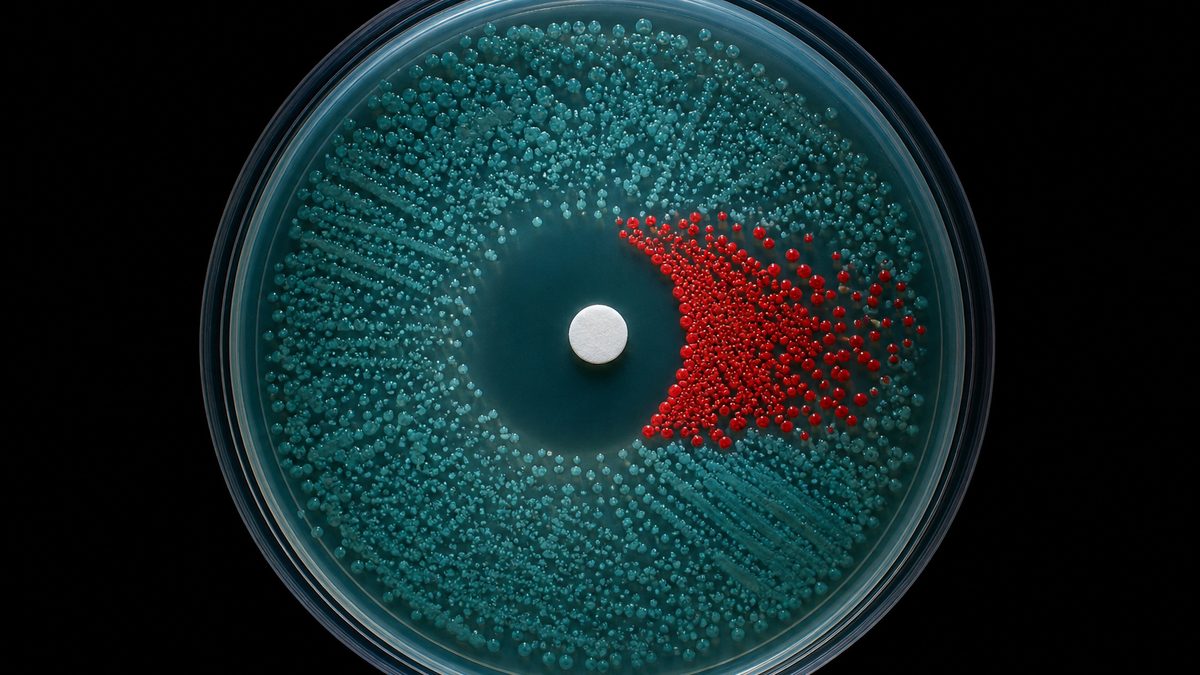
Drugs and defencesStill working A plate with antibiotic discs and wide clear rings: drugs that still work, for now. AI-generated illustration.
1945 → 2026
more than eighty years
Since Fleming’s warning
Epilogue · Sources
Sources
Every fact in this film comes from the sources below. The 2025 figures for England are reported as Euronews and Xinhua reported the UK Health Security Agency’s data on 12 November 2026. Where sources give different dates or estimates (the first penicillin-resistant staph, deaths in Thailand), the film says so and names each source. This film is education, not medical advice: questions about your own treatment are for a doctor or pharmacist. The chapter stills and pictures are AI-generated illustrations, not photographs or micrographs of real bacteria, places or people. The 3D scenes are simplified teaching models, not to scale, with toy numbers.