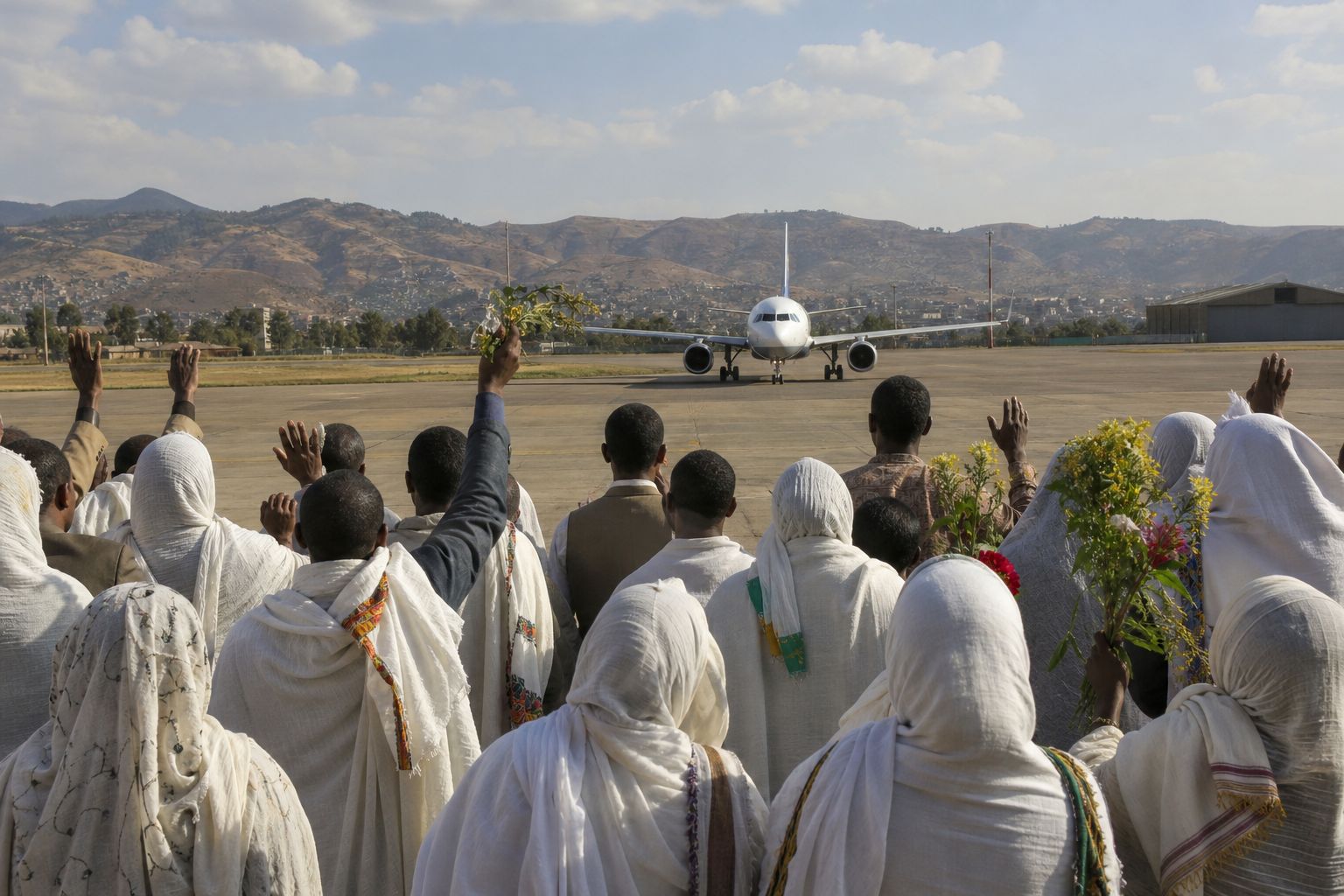
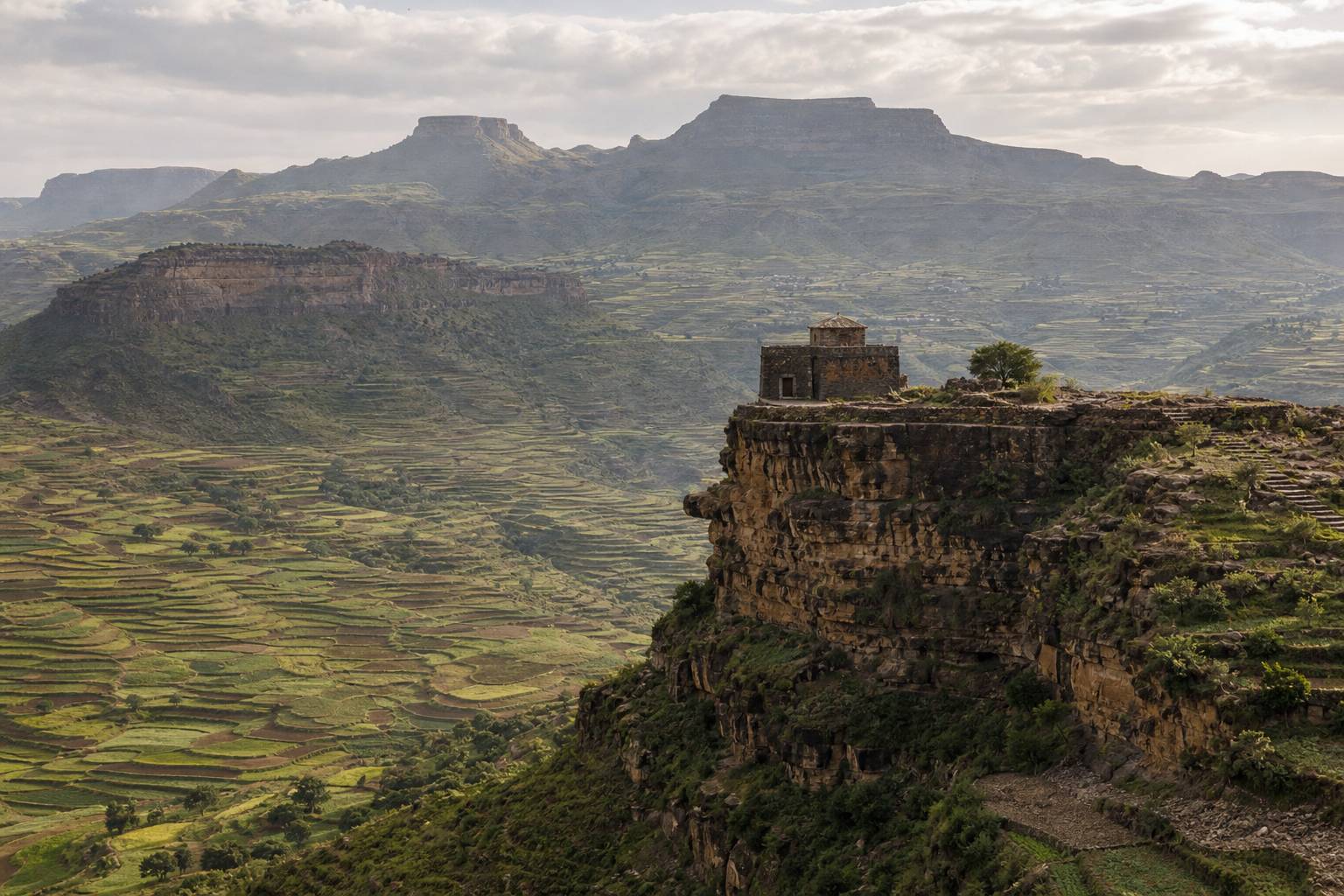
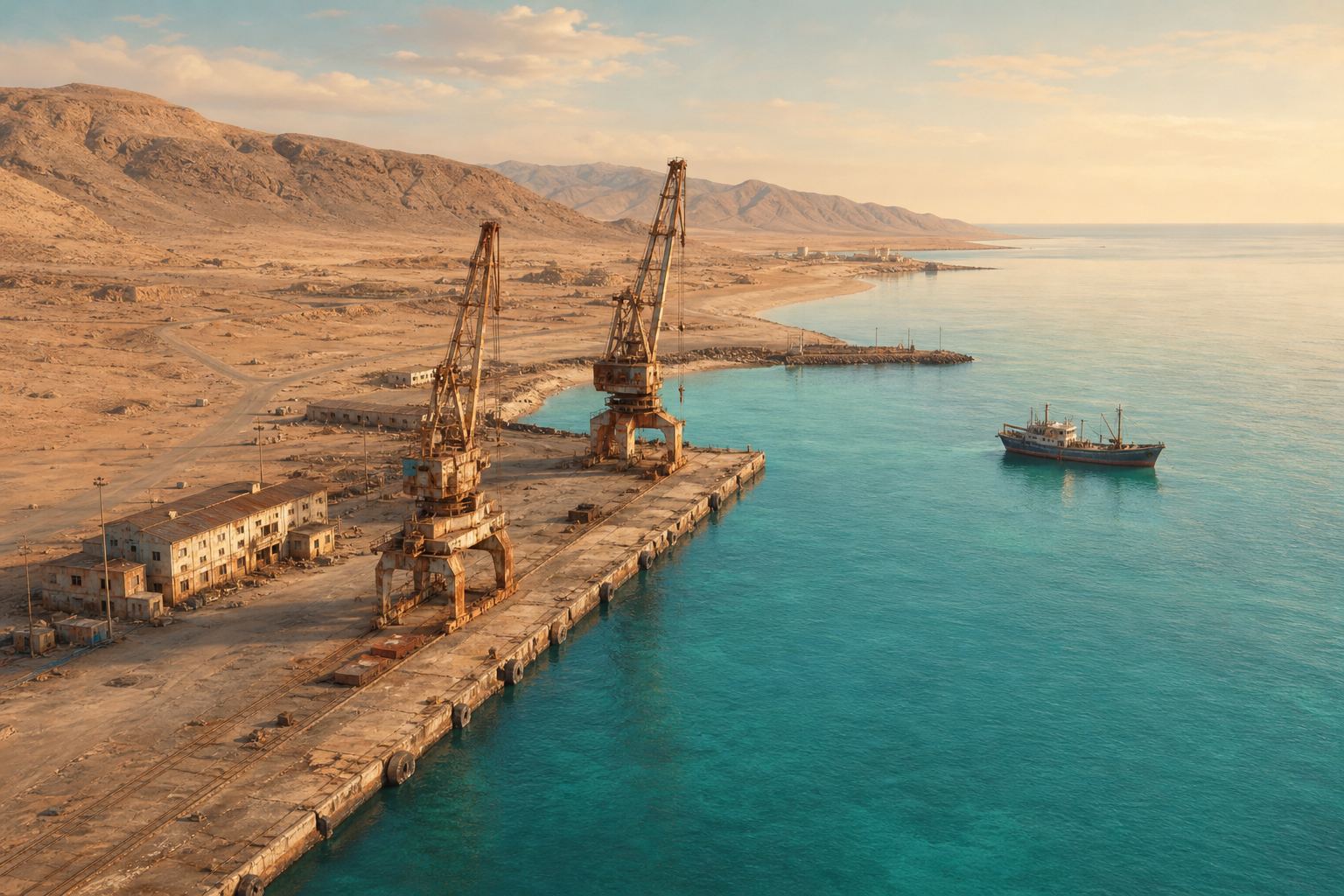
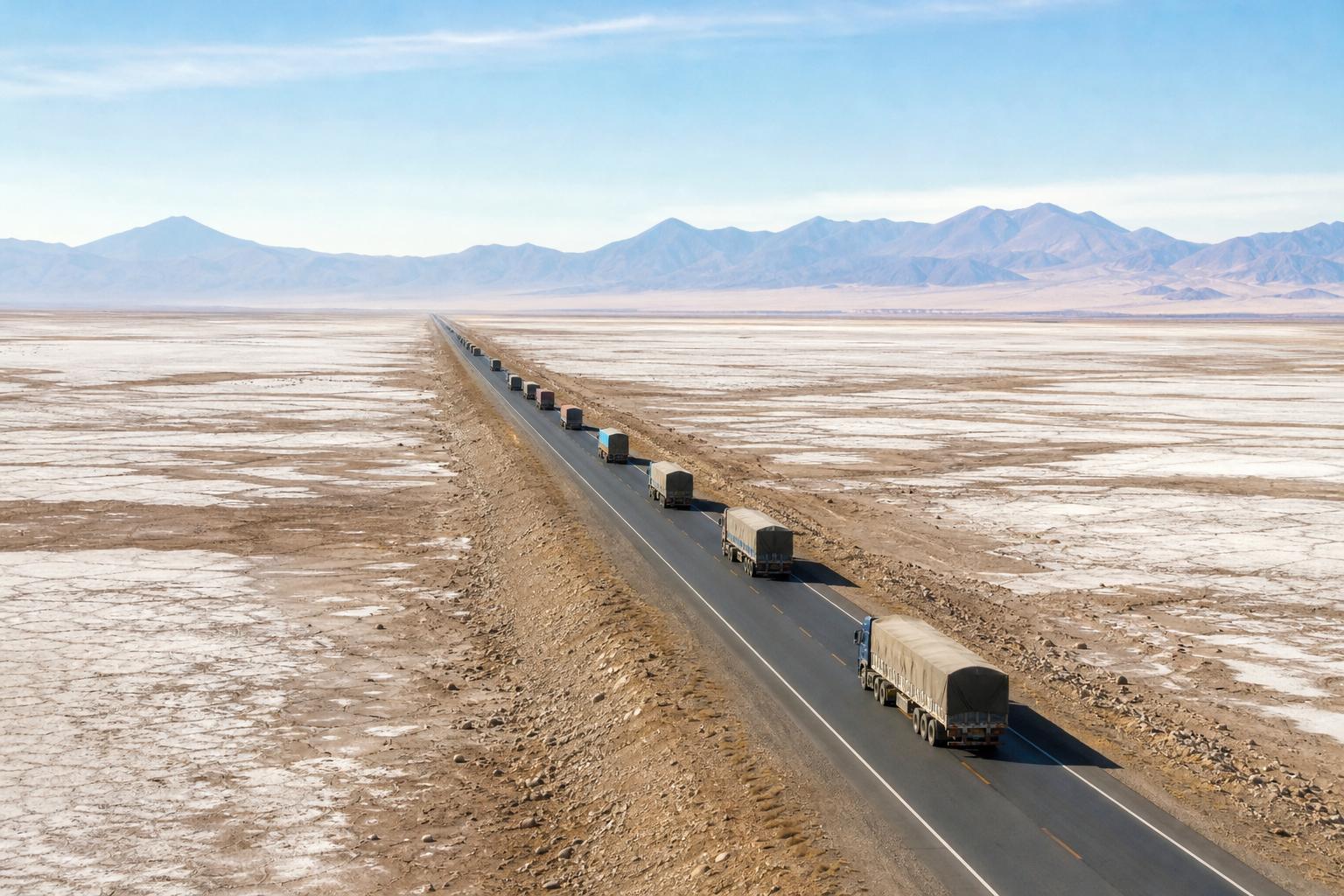
In November 2026 Ethiopian and Eritrean forces were reported, though not independently confirmed, to be exchanging drone and artillery fire near the border town of Badme, and the G7 urged both to show maximum restraint. This film tells the history behind it, giving each government's account in its own terms: the Red Sea kingdom of Aksum, the Italian colony of Eritrea and Ethiopia's victory at Adwa, Italian occupation and British rule, the UN federation of 1952 and the end of Eritrea's autonomy in 1962, a thirty-year war and the 1993 referendum, the 1998–2000 border war over Badme and the rulings that followed, the 2018 peace and Nobel prize, the Tigray war, and Ethiopia's push for access to the sea.
Interactive 3D film10 minc. 100 to 2026Published 20 November 2026
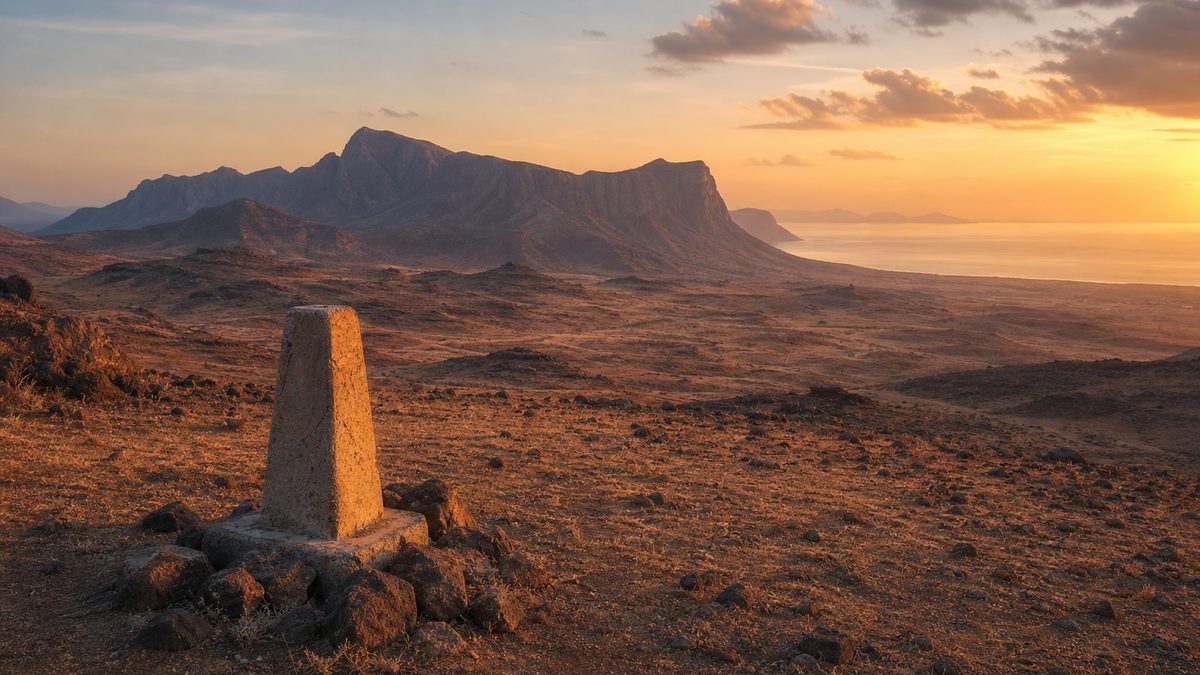
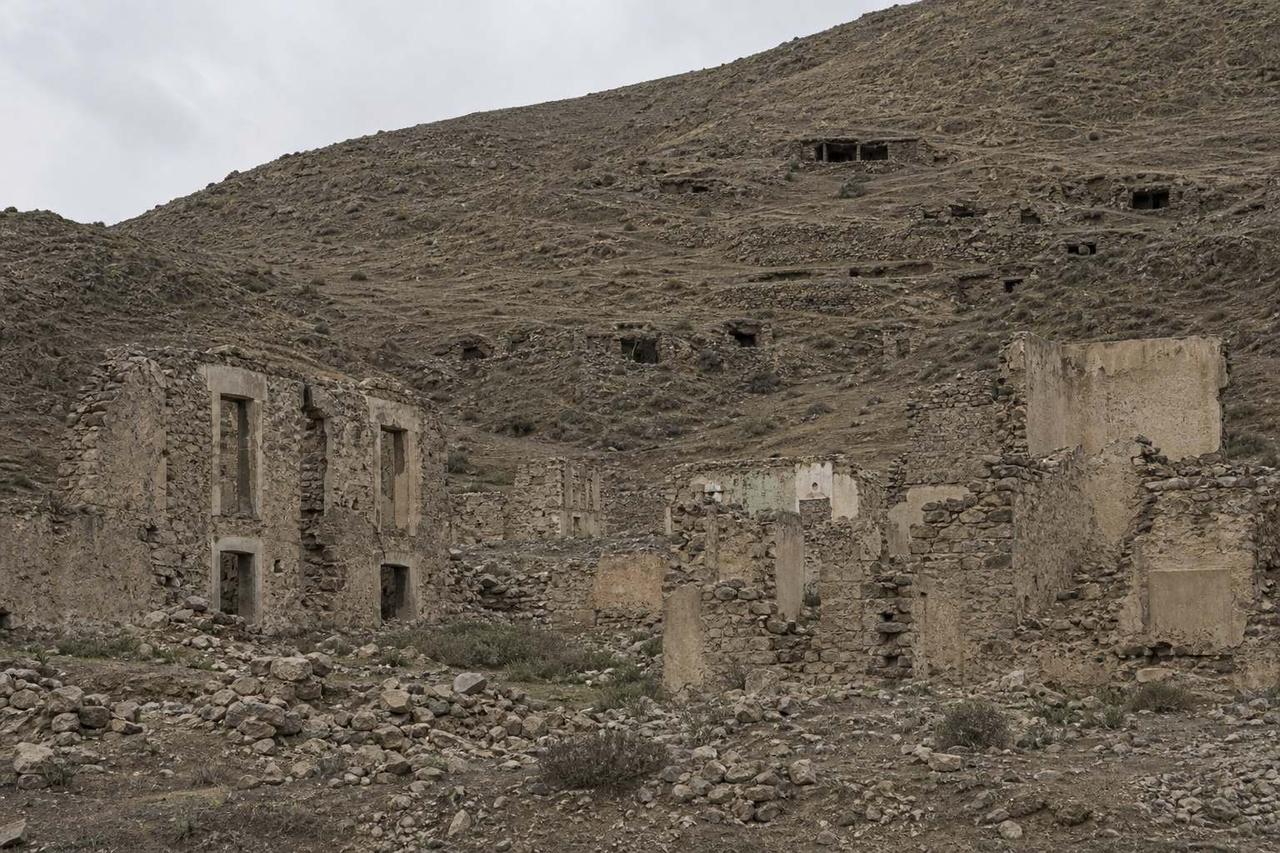
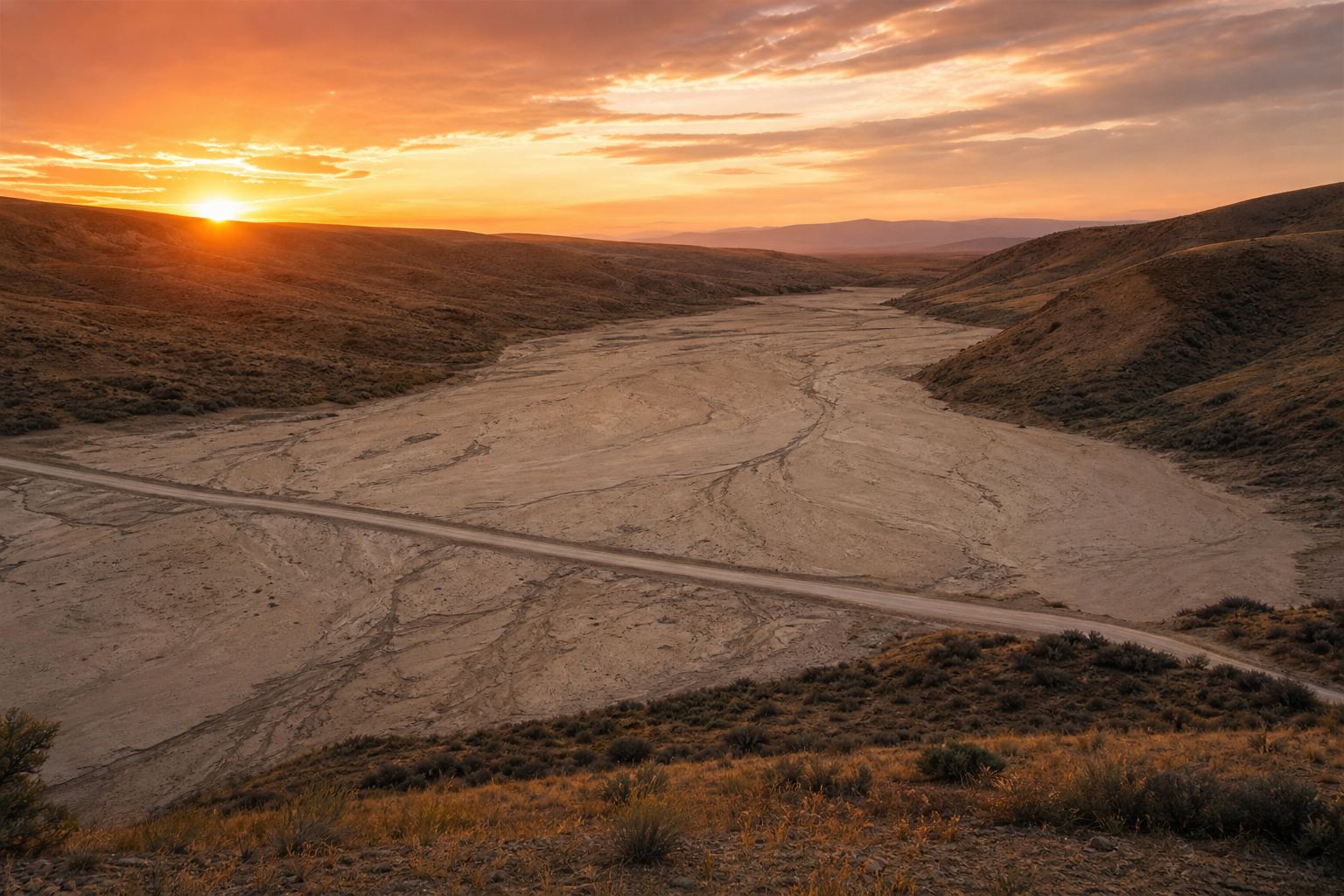
Badme is a small town on a dry plain. Ethiopia and Eritrea have already fought one war over it, from 1998 to 2000.
In mid-November, diplomats reported Ethiopian drones and Eritrean artillery striking around it again. No independent source has confirmed it.
It is not only two states: since late September, Ethiopia's army has also been fighting an alliance of armed groups, among them the TPLF from Tigray, its northern region.
Near Badme, both Tigrayan and Eritrean forces were reported. Eritrea says Ethiopia invaded; a government adviser in Ethiopia says Eritrea arms the rebels.
To see why this line is fought over, start on the coast.
A dry frontier Badme sits on a flat plain where highland Eritrea meets Ethiopia’s Tigray region. AI-generated illustration.
drones and artillery around Badme (diplomats via Anadolu)
ACLED, 13 Nov: neither side controlled the town
Critical Threats: could not verify which side of the border
What was reported, 9–14 Nov 2026
…noted “with great concern” the worsening security situation in the Horn of Africa, particularly between Ethiopia and Eritrea.G7 foreign ministers, Paris, 9–10 November 2026, urging maximum restraint (as reported by HNGN)
Talks, not yet Eritrea’s UN ambassador, Sophia Tesfamariam, said it would talk only if Ethiopia renounced coercion, threats and the use of force. AI-generated illustration.
Prologue
The news
Anadolu Agency (14 November 2026), citing diplomats who spoke to Addis Standard, reported Ethiopian drone strikes and Eritrean heavy artillery near Badme, with residents leaving. ACLED reported on 13 November that neither military controlled Badme, and documented Ethiopian artillery fire toward areas near it, whereas the diplomats attributed the heavy artillery to Eritrea; conflict trackers had claimed Ethiopian forces took the town on 12 November. The Critical Threats Project (13 November) reported that the Ethiopian army fought both Tigray Defence Forces and Eritrean forces around Badme from 9 November. Al Jazeera (1 October 2026) reported that federal forces were fighting an alliance of seven armed groups, including the TPLF, that seeks to oust Prime Minister Abiy Ahmed’s government; the government accuses neighbouring states of backing it, which they deny. The Critical Threats Project could not verify on which side of the border the fighting took place. HNGN (15 November) reported the G7 statement after the 9–10 November meeting in Paris, and statements by both governments: Eritrea’s information minister said Ethiopia was pursuing a regional war agenda and its ministry accused Ethiopia of invading; Getachew Reda, an adviser to Prime Minister Abiy Ahmed, said Eritrea and Sudan’s army chief were arming groups in Ethiopia, without giving evidence.
These are reports, not settled facts. The rest of this film is the established history.
The 3D map is schematic: coastlines, borders, claim lines and routes are approximate and not for navigation.
Long before modern borders, the highlands of northern Ethiopia and Eritrea were one kingdom: Aksum.
From about the first century it shipped gold and ivory out through Adulis, its port on the Red Sea, and traded with Egypt, the Mediterranean and India.
Its capital lay in today's Ethiopia; its port, on today's Eritrean coast.
1st–7th c.
rise and height of the kingdom
c. 350
King Ezana adopts Christianity
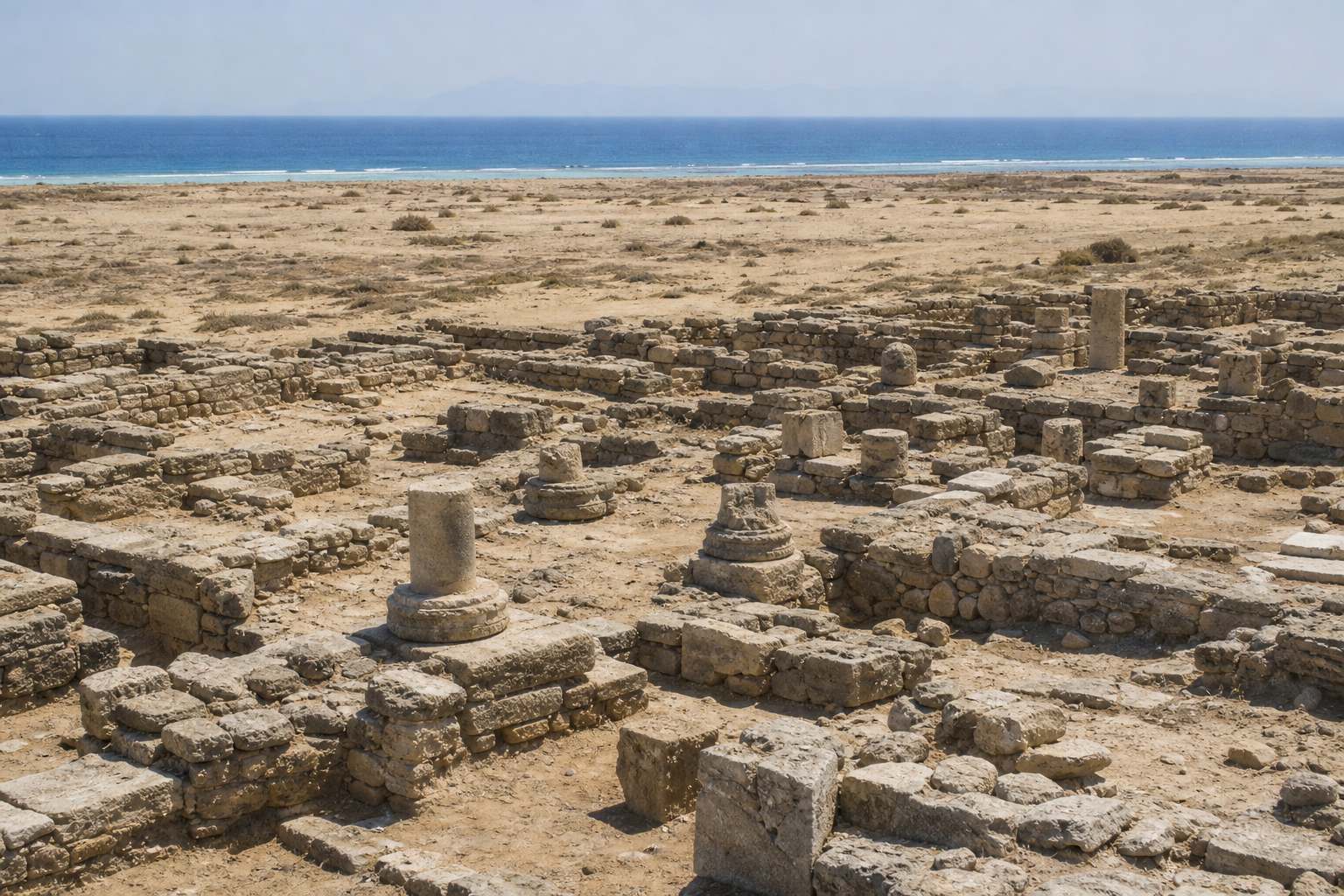
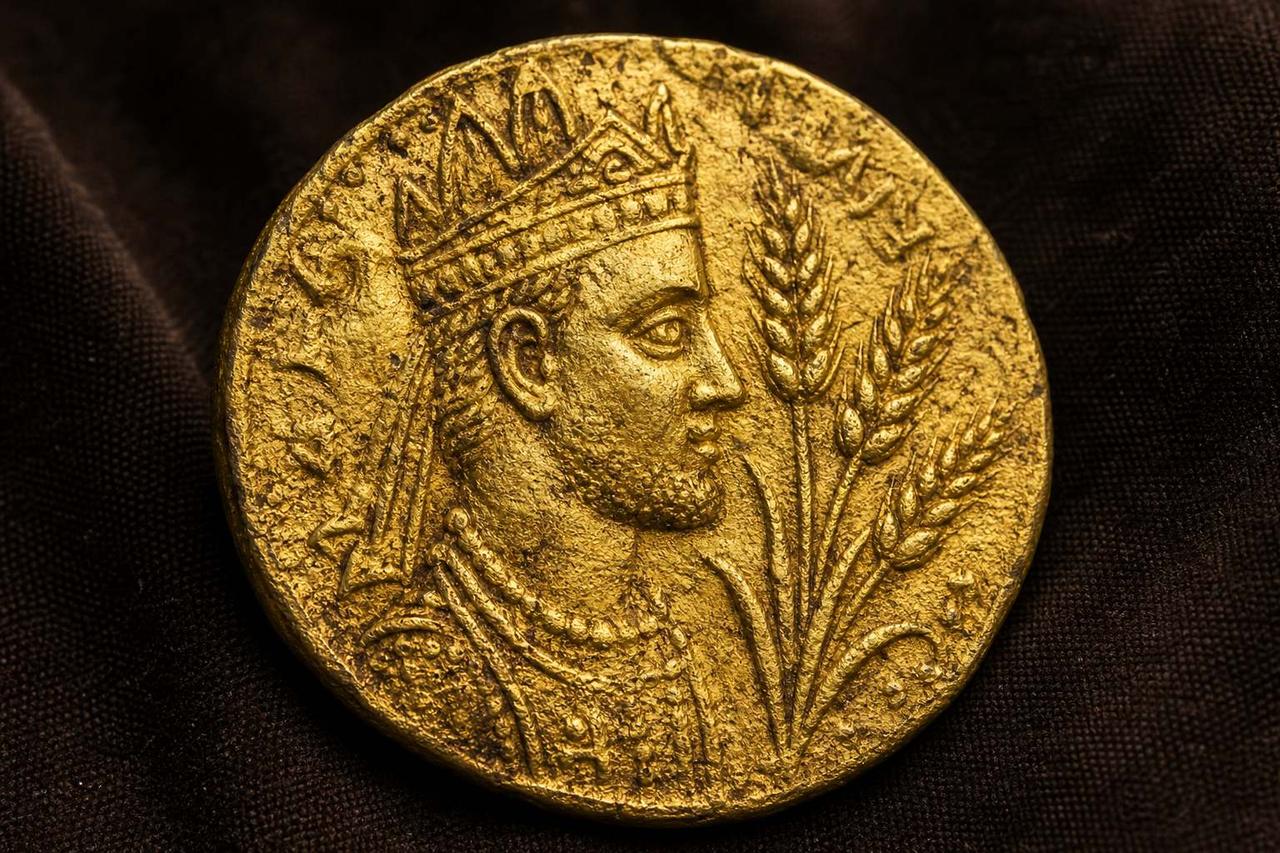
AksumAdulis The port lay near today’s Zula, a few kilometres inland from the Gulf of Zula. AI-generated illustration.Aksumite gold In return Aksum imported glass, iron, wine and olive oil from the Mediterranean world. AI-generated illustration.
Chapter I · The coast
Aksum and Adulis
World History Encyclopedia: Aksum was founded in the 1st century CE, flourished from the 3rd to the 6th century and declined from the 7th. Its main exports were gold and ivory; it imported Egyptian and Indian textiles and Mediterranean goods. Its seaport, Adulis, was near modern Zula. King Ezana adopted Christianity around 350 CE. Its capital lay in the northern Ethiopian highlands, in today’s Tigray. Britannica: Eritrea’s coast hosted the main ports of the Aksumite empire.
Aksumite coins are known for their gold issues; the coin shown is an illustration, not a real specimen.
The 3D map is schematic: coastlines, borders, claim lines and routes are approximate and not for navigation.
Italy takes the shore; Ethiopia holds the mountains.
Italy came by sea. In 1869 the bay of Assab was bought as a private trading base; in 1882 the Italian state took it over.
It took Massawa in 1885, and in 1890 declared the colony of Eritrea.
Then it pushed inland. Emperor Menelik the Second rejected a treaty whose Italian text made Ethiopia a protectorate, its foreign affairs run by Italy.
In 1896, at Adwa, his army defeated the Italians, and Ethiopia's independence was recognised.
Ethiopia stayed free. Eritrea stayed Italian.
1869 Assab bought as a trading base, in a shipowner’s name
1882 Italian state takes over Assab
1885 Massawa occupied
1890 colony of Eritrea declared
Italy on the Red SeaTwo texts, one treaty The 1889 Treaty of Wuchale: its Amharic and Italian versions differed. Menelik renounced it in 1893. AI-generated illustration.The hills of Adwa General Baratieri led about 20,000 Italian and Italian-trained troops; Empress Taytu commanded 6,000 cavalry. AI-generated illustration.
26 Oct 1896
Treaty of Addis Ababa
1900
a firmer line with Italian Eritrea
After Adwa
Chapter I · The coast
Colony and victory
World History Encyclopedia: Giuseppe Sapeto signed a convention to buy the bay of Assab on 15 November 1869; at the government’s request the shipowner Raffaele Rubattino completed the purchase in his own name in March 1870, as a private commercial base; the Italian government took over Assab on 10 March 1882, occupied Massawa in 1885, and officially established the colony of Eritrea in 1890. The Conversation: the Amharic and Italian texts of the 1889 Treaty of Wuchale differed, the Italian one making Ethiopia a protectorate; Menelik renounced it on 27 February 1893. At Adwa on 1 March 1896 Menelik’s army defeated General Baratieri’s force of about 20,000. Encyclopedia.com: the Treaty of Addis Ababa of 26 October 1896 confirmed Ethiopia’s independence; Menelik set a more or less firm boundary with Italian Eritrea in 1900.
The 3D map is schematic: coastlines, borders, claim lines and routes are approximate and not for navigation.
In 1935 Fascist Italy invaded Ethiopia from Eritrea. Emperor Haile Selassie went into exile, and Italy ruled both lands as Italian East Africa.
In 1941 British troops, and Indian troops from Britain's empire in India, broke through at Keren. On the fifth of May, Haile Selassie returned from exile to Addis Ababa.
Ethiopia was free again. But Britain kept Eritrea, and left its future to the new United Nations.
Oct 1935 Italy invades Ethiopia
1936 Italian East Africa
Mar 1941 Battle of Keren
5 May 1941 Haile Selassie back in Addis Ababa
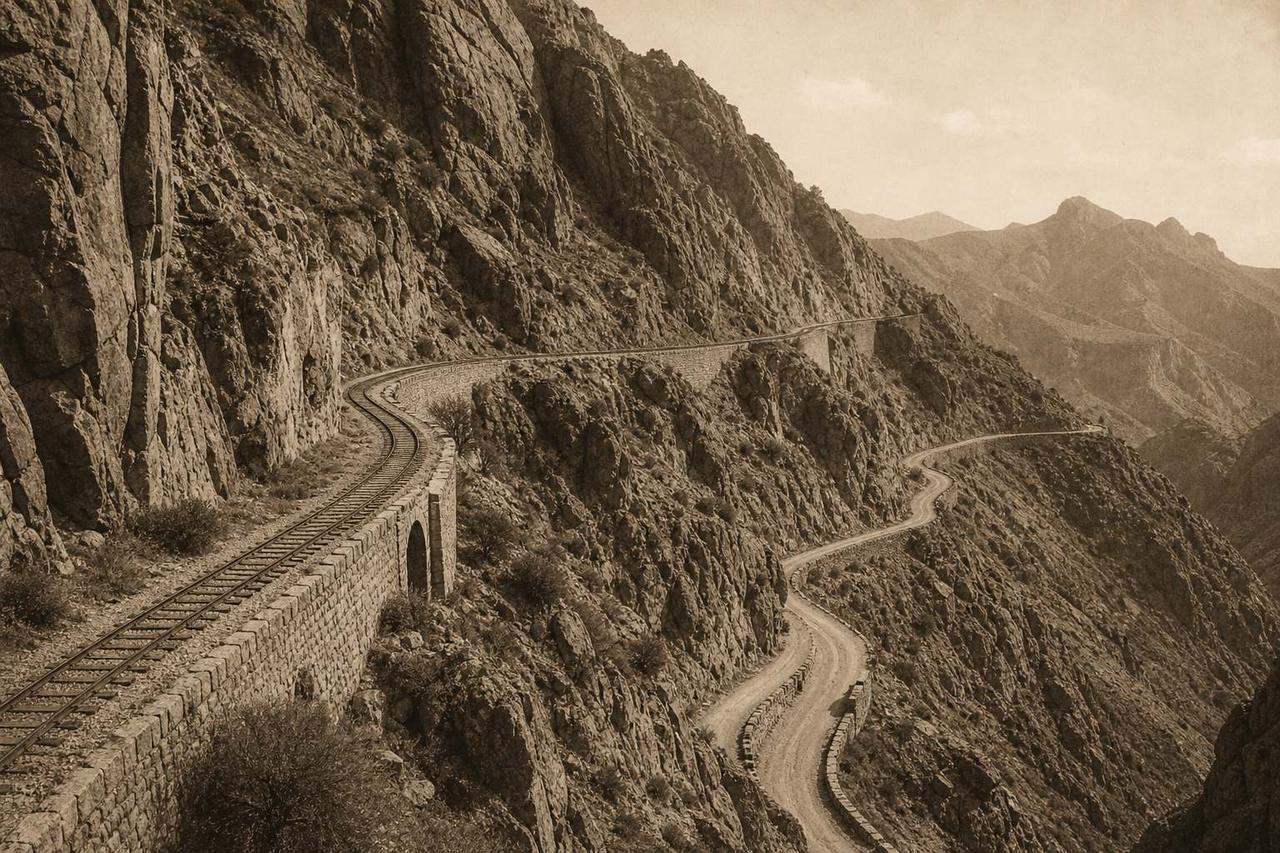
War in the HornThe Keren gorge Lt Gen William Platt’s forces advanced from Sudan in January 1941; Keren fell in March. AI-generated illustration.Eritrea under British rule A British military administration from 1941, renamed the British Administration in 1949, ran Eritrea until the 1952 federation. AI-generated illustration.
Chapter II · Empire and federation
Italy’s war, Britain’s rule
Imperial War Museums: Italian troops invaded Ethiopia in October 1935, forcing Emperor Haile Selassie into exile. In January 1941 Lt Gen William Platt’s forces advanced from Sudan into Eritrea; Indian and British troops won the Battle of Keren in March 1941; British troops entered Addis Ababa in April and Haile Selassie returned on 5 May 1941. World History Encyclopedia: Eritrea was the base for the 1936 occupation and became part of Italian East Africa; British troops occupied it after the fall of Keren. Wikipedia (Federation of Ethiopia and Eritrea): British military administration from April 1941, renamed the British Administration in 1949, until the federation in 1952.
The 3D map is schematic: coastlines, borders, claim lines and routes are approximate and not for navigation.
In 1950 the UN voted for a federation: from 1952 Eritrea would run its own affairs, but inside one state with Ethiopia, under the Ethiopian Crown.
But Ethiopia's imperial government steadily wore down Eritrea's constitution and assembly.
In 1962 the Eritrean Assembly voted to dissolve the federation, and Eritrea became an Ethiopian province.
Eritrea's independence movement, and many histories, call it an annexation: one country taking another's land as its own. Press the years to watch the line change.
Decided at the UN Resolution 390 A (V) was adopted on 2 December 1950, by 46 votes to 10, with 4 abstentions. AI-generated illustration.
its own constitution (1952)
an elected assembly
a chief executive
the Emperor’s representative alongside
What Eritrea hadA province From 1962 Eritrea was governed from Addis Ababa like any other Ethiopian province. AI-generated illustration.
15 Sep 1952
federation begins
Nov 1962
assembly votes to dissolve it
The end of the federation
Chapter II · Empire and federation
Resolution 390 and its end
Wikipedia (Federation of Ethiopia and Eritrea): UN General Assembly Resolution 390 A (V) of December 1950 made Eritrea an autonomous unit federated with Ethiopia under the Ethiopian Crown; it took effect on 15 September 1952. Eritrea had its own constitution and assembly. The Unionist Party worked against the federation, anti-union parties faced intimidation and interference, the Chief Executive also became the Emperor’s vice-representative from 1955, and by 1958 the constitution had effectively ceased to function. On 15 November 1962 the Eritrean Assembly voted unanimously to dissolve the federation. UCA DADM project: the vote on the resolution was 46–10–4 on 2 December 1950; Ethiopia annexed Eritrea in November 1962. Al Jazeera (2026) summarises: in 1962, Ethiopia annexed Eritrea.
Press the years in the box on the map to see the line between them in 1890, 1936, 1941, 1952, 1962 and 1993.
The 3D map is schematic: coastlines, borders, claim lines and routes are approximate and not for navigation.
Armed resistance had already begun. In 1961 the Eritrean Liberation Front, the first armed independence front, attacked police posts in the west.
In 1970 a breakaway group founded a second front, the Eritrean People's Liberation Front, or EPLF. Among its founders: Isaias Afwerki.
In 1974 army officers, the Derg, overthrew the emperor and ruled Ethiopia as a military government. Rebellions spread inside Ethiopia too.
The strongest rebels were the EPRDF, a coalition led by the TPLF from Tigray. In May 1991 they took Addis Ababa, the EPLF took Asmara, and the Derg was gone.
1 Sep 1961 ELF attacks begin
1970 EPLF founded
1974 the Derg takes power
May 1991 Asmara and Addis Ababa fall
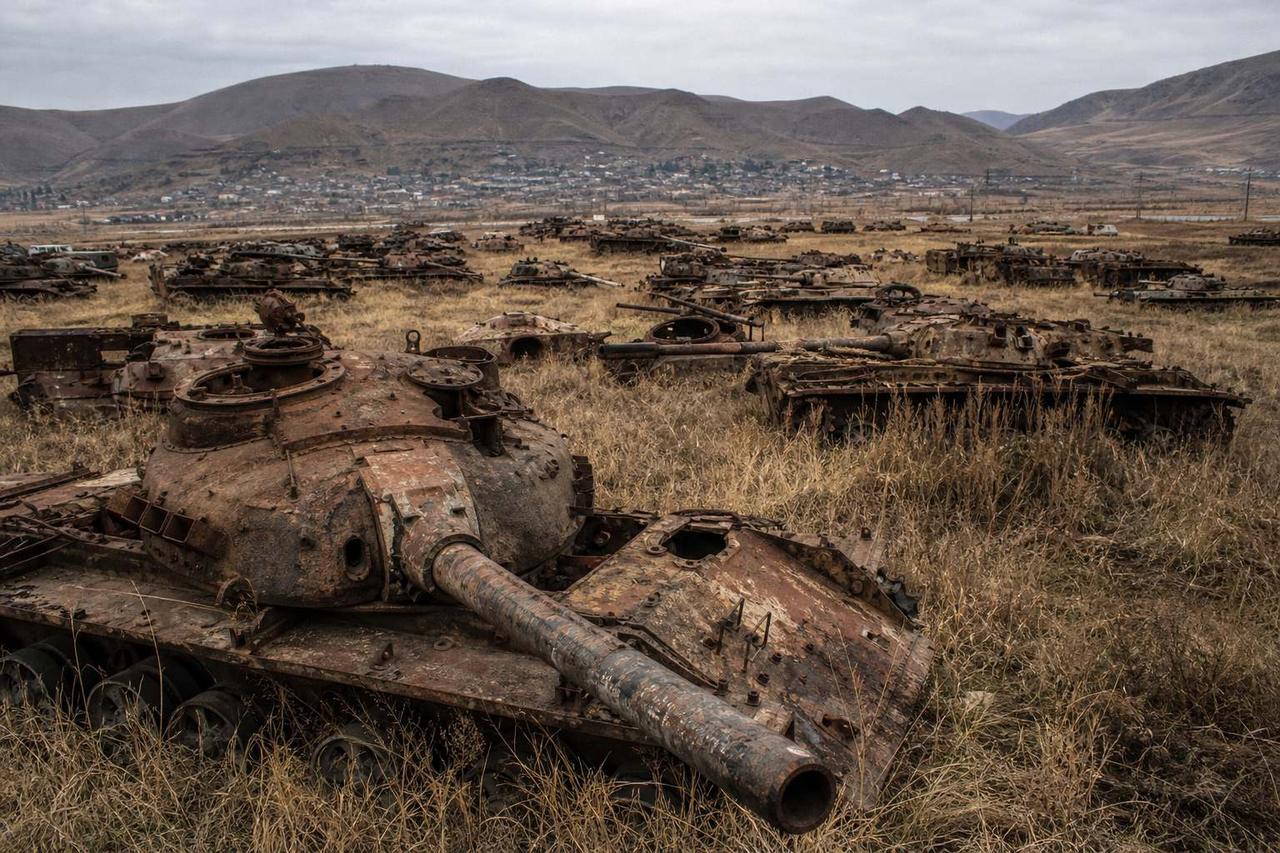
The war for EritreaA mountain base Britannica describes three decades of guerrilla warfare by secessionist groups after 1962. AI-generated illustration.What a long war leaves An illustration of wrecked armour; the Derg had seized power from Emperor Haile Selassie. AI-generated illustration.
24 May
EPLF enters Asmara
28 May
EPRDF, led by the TPLF, takes Addis Ababa
May 1991
Chapter III · Thirty years
The independence war
Wikipedia (Federation): the Eritrean Liberation Front was founded in Cairo in July 1960; Hamid Idris Awate began armed resistance on 1 September 1961. UCA DADM: ELF fighters attacked police stations in Barka on 1 September 1961; the EPLF was established by Isaias Afwerki in 1970. Wikipedia (Fall of the Derg): the Derg seized power from Emperor Haile Selassie in 1974; the EPRDF, a coalition of rebel movements dominated by the Tigray People’s Liberation Front, took control of Addis Ababa on 28 May 1991. GlobalSecurity: EPLF forces entered Asmara on 24 May 1991 after Ethiopian troops withdrew.
Death tolls for the thirty-year war vary widely between sources and are not given here.
The 3D map is schematic: coastlines, borders, claim lines and routes are approximate and not for navigation.
Ethiopia's new government backed a vote. In April 1993, in a referendum monitored by the UN, 99.8 percent of Eritrean voters chose independence.
Eritrea became independent on the twenty-fourth of May.
And Ethiopia, the far larger country, was now landlocked, with no coast at all: the whole shore was its neighbour's. Press the buttons to compare the two coasts.
At first, the two new governments got on well. It did not last.
Independence
99.8%
No
0.2%
Referendum, 23–25 April 1993
Voting day 1,102,410 people voted, according to GlobalSecurity; a UN mission, UNOVER, monitored the vote. AI-generated illustration.
24 May 1993
Eritrean independence
182nd
UN member, 28 May 1993
A coast changes hands
Ethiopia: no coast of its own
Assab still served Ethiopian trade, by agreement
a border never marked on the ground
After 1993
Chapter III · Thirty years
The referendum
GlobalSecurity: Isaias Afwerki announced a Provisional Government of Eritrea on 20 June 1991. At the Addis Ababa conference of 1–5 July 1991 the Ethiopian government “confirmed its support for a referendum on the independence of Eritrea within two years”, and in December 1991 it told the UN it recognised the Eritrean people’s right to self-determination. The referendum was held on 23–25 April 1993, monitored by the UN mission UNOVER; 1,102,410 people voted and 99.8% chose independence. Eritrea became independent on 24 May 1993 and joined the UN as its 182nd member on 28 May 1993.
Use the buttons on the map to compare Ethiopia’s coastline before and after independence.
The 3D map is schematic: coastlines, borders, claim lines and routes are approximate and not for navigation.
The border came from colonial treaties, and had never been marked on the ground. Around Badme, both sides claimed the land.
In May 1998 clashes there became war. Ethiopia said Eritrea had invaded; Eritrea said the land was its own.
The fighting lasted until June 2000; by then Ethiopian forces held a large part of Eritrea.
Most accounts put the dead at seventy to a hundred thousand, with over half a million displaced.
Badme Badme was a village of about 800 people, according to the New World Encyclopedia. AI-generated illustration.
Ethiopia: an Eritrean invasion; it mobilised in self-defence (13 May)
Eritrea: Badme lies in Eritrea under the colonial treaties
first shots: 6 May 1998; larger assault 12 May
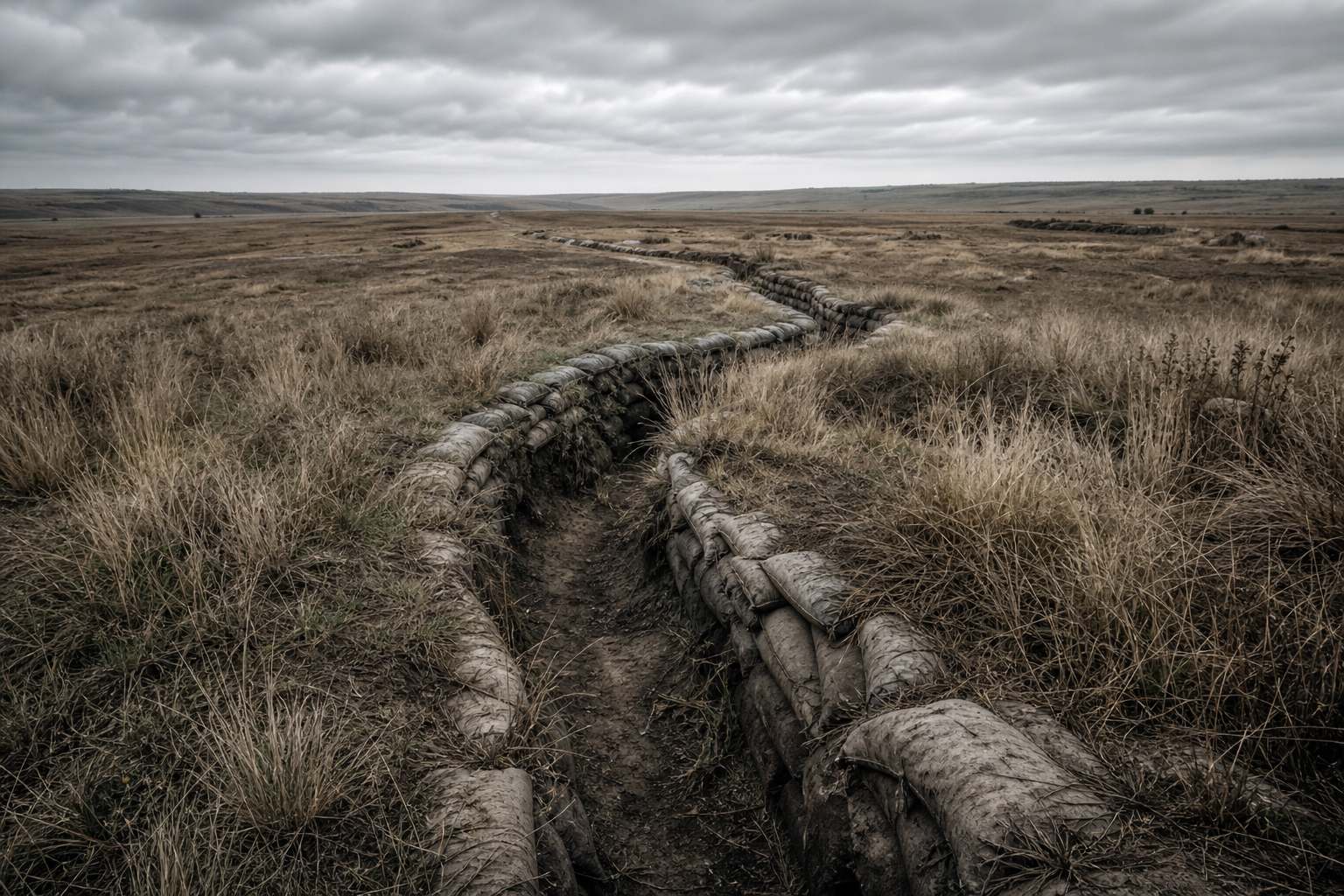
Each side’s account, 1998Trench lines In May 2000 Ethiopia launched an offensive on three fronts, according to GlobalSecurity. AI-generated illustration.
70,000–100,000
killed, “most accounts” (UK government study, 2018)
>500,000
displaced on both sides
The cost (estimates)
Chapter IV · Badme
The border war, 1998–2000
New World Encyclopedia: the border through the Badme plain traces back to a 1902 treaty between Italy, Britain and Ethiopia. On 6 May 1998 a small number of Eritrean soldiers entered the Badme area; a larger Eritrean assault followed on 12 May and Ethiopia mobilised on 13 May, describing it as self-defence against invasion. GlobalSecurity describes the first incident as Ethiopian troops firing on Eritrean soldiers near Badme, citing several historical sources: accounts of the first shots differ. By June 2000 Ethiopia occupied a quarter to a third of Eritrea’s territory (the figures differ between sources). UK Government Stabilisation Unit (2018): there is no agreed figure, but most accounts put the killed at 70,000–100,000, with more than half a million displaced.
The 3D map is schematic: coastlines, borders, claim lines and routes are approximate and not for navigation.
In December 2000, in Algiers, Algeria's capital, both sides signed an agreement that set up a boundary commission, and promised its ruling would be final and binding: no appeal.
In April 2002 it ruled. It gave some land to each side, but placed Badme in Eritrea.
Ethiopia said it was deeply dissatisfied, and kept Badme. Eritrea demanded the ruling be carried out.
In 2005 a claims commission found that Eritrea had broken the UN Charter by attacking in 1998. Each side had a ruling to point to.
Press the buttons to compare each side's claim with the ruling.
2
commissions: boundary, and claims for war damage
25 km
temporary security zone, confirmed by the Algiers Agreement and watched by UN peacekeepers
Algiers, 12 December 2000
final and bindingAlgiers Agreement (12 December 2000), on the boundary decision
A line on paper The commission sat in The Hague and worked from old treaties and maps; in November 2004 Ethiopia accepted the ruling “in principle”. AI-generated illustration.The claims commission Ruling of 21 December 2005: Eritrea “violated Article 2, paragraph 4, of the Charter of the United Nations”. AI-generated illustration.
Chapter IV · Badme
Algiers and the two commissions
Wikipedia (Algiers Agreement): signed in Algiers on 12 December 2000, mediated by the UN, the OAU, Algeria and the EU. It set up a Boundary Commission and a Claims Commission, both sitting in The Hague. On 13 April 2002 the Boundary Commission gave a “final and binding” decision that awarded territory to each side but placed Badme in Eritrea. Ethiopia requested clarifications, then said it was deeply dissatisfied; in November 2004 it accepted the ruling “in principle”. Eritrea refused a new commission in 2003 and asked the international community to press Ethiopia to accept the ruling. On 21 December 2005 the Claims Commission ruled that Eritrea violated Article 2(4) of the UN Charter by resorting to armed force in 1998. GlobalSecurity: the agreement confirmed a 25-km Temporary Security Zone monitored by UNMEE.
Use the buttons on the map: the lines are schematic, drawn to show the idea of the dispute, not the surveyed coordinates.
The 3D map is schematic: coastlines, borders, claim lines and routes are approximate and not for navigation.
What followed is often called no war, no peace: a closed border, and an open dispute.
UN peacekeepers watched a buffer zone, a strip kept clear of both armies, until 2008, when the mission was wound up after Eritrea restricted it.
A British government study argued that both governments gained: Ethiopia kept Badme without a new war, and Eritrea's government used the threat of war to tighten its hold at home.
And Badme itself stayed in Ethiopian hands.
UNMEE The UN Mission in Ethiopia and Eritrea was created in July 2000 and disbanded in July 2008. AI-generated illustration.
2002: line decided on paper
2004: Ethiopia accepts “in principle”
2008: UN mission ends
2018: Badme still held by Ethiopia
Frozen, not settledA closed border In 2003 Eritrea refused to agree to a new commission and asked other countries to press Ethiopia to accept the ruling. AI-generated illustration.
Chapter V · No war, no peace
The frozen years
UK Government Stabilisation Unit, “Ethiopia–Eritrea case study” (February 2018): uses “no war, no peace” for the border since 2001, a state in which large-scale fighting stopped but the dispute stayed unresolved, and argues both governments benefited from it, for different reasons: Ethiopia kept Badme and avoided the risks of renewed war, while the Eritrean government used the perceived threat of war to consolidate itself politically at home. UNMEE was disbanded in July 2008 with immediate effect, after Eritrean restrictions including fuel limits, expulsions of UN staff and a ban on UN helicopter flights. Badme was awarded to Eritrea in 2002, but at the time of writing Ethiopian forces still occupied it. GlobalSecurity: the Security Council created UNMEE in July 2000.
The 3D map is schematic: coastlines, borders, claim lines and routes are approximate and not for navigation.
In 2018 Ethiopia's new prime minister, Abiy Ahmed, said Ethiopia fully accepted the boundary ruling.
That July he and Eritrea's president, Isaias Afwerki, signed a declaration of peace in Asmara, and a second agreement followed in Jeddah, in Saudi Arabia, that September.
In 2019 Abiy won the Nobel Peace Prize, in particular for his initiative to resolve the border conflict with Eritrea.
The committee added that peace never comes from one side alone.
Yet the line was never marked on the ground. Ethiopia kept control of Badme, GlobalSecurity says, until ACLED reported this November that neither side held it.
Apr 2018 Abiy becomes prime minister
5 Jun 2018 Ethiopia accepts the ruling in full
Jul 2018 declaration signed in Asmara
Sep 2018 agreement signed in Jeddah
11 Oct 2019 Nobel Peace Prize announced
The thawWelcome An imagined scene, not a record of a real event. Abiy had been in office only three months. AI-generated illustration.A shared table An illustration of a coffee ceremony, with its clay pot and small cups. AI-generated illustration.
When Prime Minister Abiy reached out his hand, President Afwerki grasped it, and helped to formalise the peace process.Norwegian Nobel Committee, 11 October 2019
30 Nov 2007
boundary commission dissolves, line not physically marked (GlobalSecurity)
13 Nov 2026
ACLED: neither military controls Badme
The line on the ground
Chapter VI · Peace, then war
Peace and a prize
Wikipedia (Algiers Agreement): on 5 June 2018 Ethiopia’s new prime minister announced that Ethiopia fully accepted the terms of the Algiers Agreement and the boundary commission’s outcome, which awarded Badme to Eritrea. Norwegian Nobel Committee (11 October 2019): the prize went to Abiy Ahmed Ali “for his efforts to achieve peace and international cooperation, and in particular for his decisive initiative to resolve the border conflict with neighbouring Eritrea”. After becoming prime minister in April 2018 he worked out the principles of a peace agreement with President Isaias Afwerki, set out in declarations signed in Asmara (July) and Jeddah (September) 2018. The Committee wrote that peace “does not arise from the actions of one party alone” and that President Afwerki “grasped” the hand Abiy reached out. GlobalSecurity: the Boundary Commission dissolved itself on 30 November 2007 without having physically demarcated the border; after 2018 there was resistance in some border areas to implementing its decision, and Ethiopia continued to control Badme. ACLED (13 November 2026, via Anadolu): neither military controlled Badme.
The 3D map is schematic: coastlines, borders, claim lines and routes are approximate and not for navigation.
In November 2020 war broke out in Tigray, Ethiopia's northern region, between the federal government and the TPLF, which then ran the region.
The TPLF had led Ethiopia's government since 1991, and had been at odds with Eritrea's leaders since the 1970s, the historian Richard Reid writes.
The government says TPLF forces attacked its army's bases; the TPLF called it a pre-emptive strike against an expected attack.
Eritrean troops fought on the government's side. After months of denials, both governments admitted it in 2021.
A cessation of hostilities, an agreement to stop fighting, was signed in Pretoria, South Africa, in November 2022, without Eritrea.
The war is believed to have killed hundreds of thousands of people.
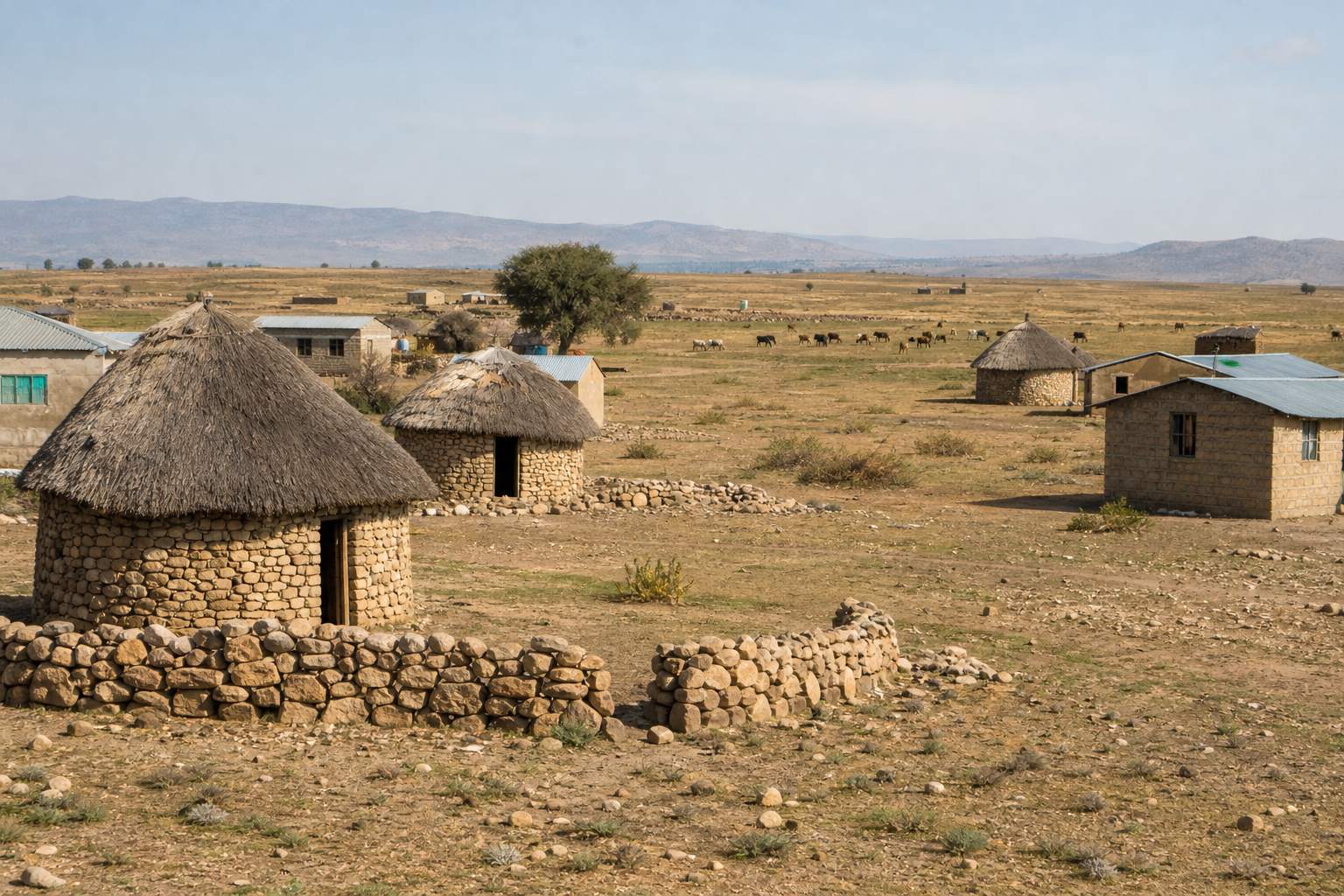
Tigray Tigray borders Eritrea along most of its northern edge, Badme included. AI-generated illustration.
federal government: TPLF forces attacked Northern Command sites, 4 Nov 2020
TPLF: a “pre-emptive” move against federal forces mobilising toward Tigray
bases hit included Mekelle, Adigrat, Agula, Dansha and Sero
How the war began, by each account
Abiy, 23 Mar 2021: they crossed fearing attack by the TPLF
Abiy: any harm they did to Ethiopians was “unacceptable”
Eritrea to the UN, 16 Apr 2021: agreed to “embark on the withdrawal”
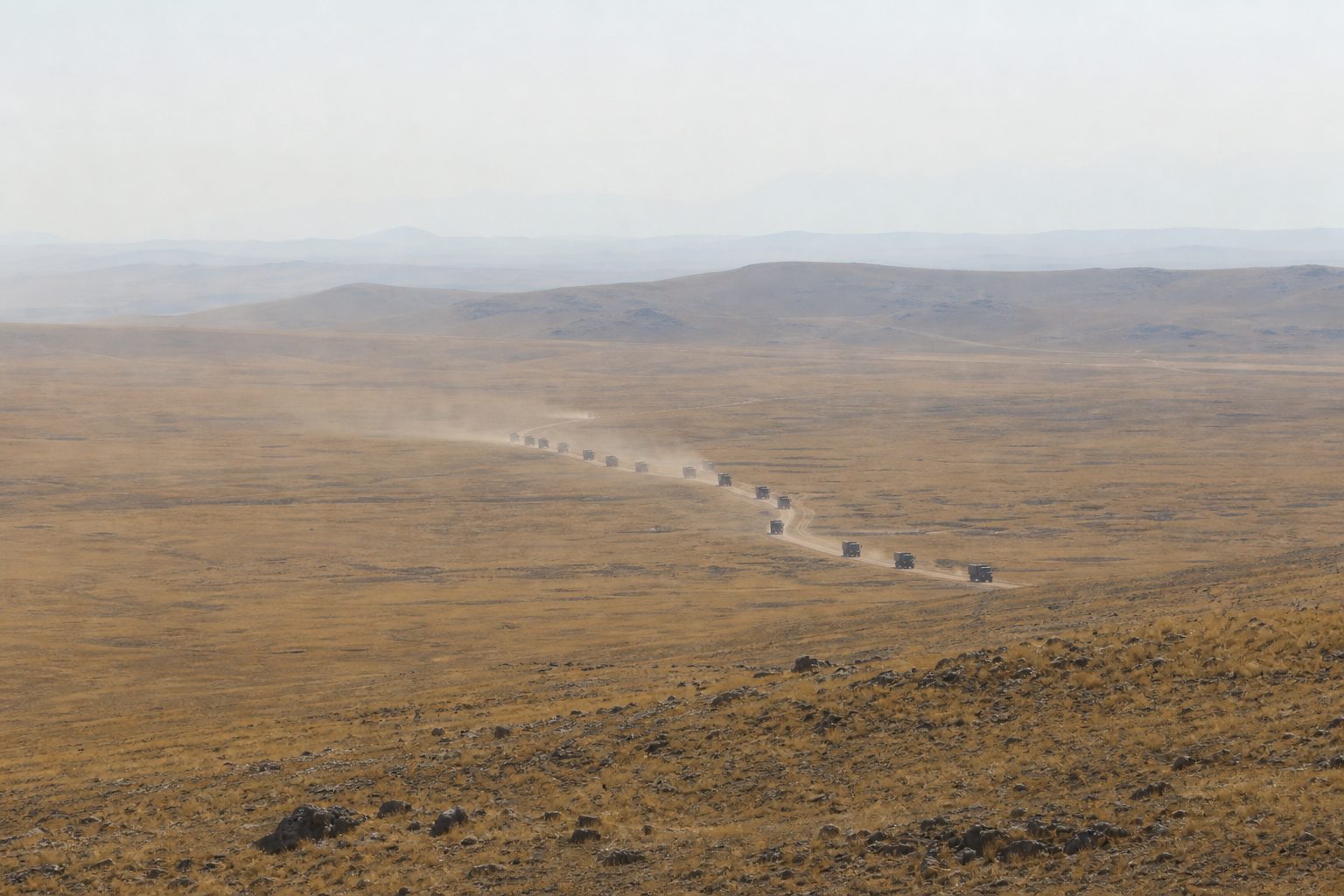
Who said what about Eritrea’s troopsPretoria, 2 November 2022 After ten days of talks; the deal did not name Eritrea or set a date for its forces to leave. AI-generated illustration.
~600,000
dead from fighting and the humanitarian crisis, as cited by the AU’s chief mediator, Olusegun Obasanjo (via the Financial Times)
unknown
no army involved has published figures
The toll (estimates)
Chapter VI · Peace, then war
The Tigray war
Richard Reid (University of Oxford): the TPLF was the dominant force in the EPRDF coalition that governed Ethiopia from 1991, and its enmity with the EPLF dates to the mid-1970s. Wikipedia (Northern Command attacks): the federal government says TPLF forces attacked Northern Command sites in Mekelle, Adigrat, Agula, Dansha and Sero on 4 November 2020; TPLF officials described the attacks as pre-emptive, saying they expected a federal attack, a claim some researchers dispute. Al Jazeera (23 March 2021): fighting began on 4 November 2020 when, by the federal account, TPLF-loyal forces attacked army bases across Tigray; after months of denials from Ethiopia and Eritrea, Abiy told parliament that Eritrean troops had entered Tigray because they feared attack by the TPLF, and that any damage they did to Ethiopians was unacceptable. Al Jazeera (17 April 2021): in a letter to the UN Security Council, Eritrea acknowledged its forces were taking part and said the two governments had agreed to “embark on the withdrawal”. The New Humanitarian (4 November 2022): the cessation of hostilities was signed in Pretoria on 2 November 2022 by the federal government and the TPLF, mediated by the African Union; Eritrea was not part of the talks and is not named. Heinrich Böll Foundation (2023): Eritrea was not a signatory; Eritrean forces reportedly remained in some border areas, which Eritrea says the 2002 ruling awarded to it, and, according to the foundation, there are consistent reports that their presence exceeds the areas Eritrea claims; Obasanjo has cited 600,000 dead from the fighting and the humanitarian situation (as reported by the Financial Times), and the real toll may never be known.
The 3D map is schematic: coastlines, borders, claim lines and routes are approximate and not for navigation.
Ethiopia now has more than a hundred and thirty million people, and no coast.
It used Eritrea's port of Assab until the 1998 war.
Since then, almost all its trade has gone through Djibouti: by some reports, ninety percent or more of its imports, with port fees of over a billion dollars a year.
Press the routes to compare them. Eritrea, for its part, sees Assab as an inseparable part of its sovereignty, according to Al Majalla.
~139 million
Ethiopia’s population, mid-2026 (UN projection, World Population Prospects 2024)
since 1993
without a coast of its own
LandlockedAssab Italy’s first foothold, from 1869; from 1992 a “free port” for Ethiopian trade under a transit agreement. AI-generated illustration.The corridor Al Majalla: relying on Djibouti leaves Ethiopia dependent on a single transit route. AI-generated illustration.
Africanews, 2018
~95%
The EastAfrican, 2023
~90%
Share of Ethiopia’s imports via Djibouti
Chapter VII · The sea
The port question
Al Majalla (30 October 2026): Ethiopia kept using Assab under arrangements agreed with Eritrea until the 1998–2000 war, and now sends almost all its foreign trade through Djibouti. Africanews (2 May 2018): Djibouti handles roughly 95% of all inbound trade for landlocked Ethiopia. The EastAfrican (2023): Ethiopia imports roughly 90% of its goods through Djibouti. Al Jazeera (7 November 2023): Djibouti charges Ethiopia over $1 billion a year in port fees. GlobalSecurity: a 1992 transit agreement made Assab a “free port” for Ethiopian imports and exports. Al Majalla: Eritrea sees Assab as a key and inseparable part of its sovereignty. Population: UN World Population Prospects 2024 (via StatisticsTimes) projects about 135.5 million for mid-2025 and 138.9 million for mid-2026.
The routes on the map are schematic lines, not real roads; no distances are claimed.
The 3D map is schematic: coastlines, borders, claim lines and routes are approximate and not for navigation.
In 2023 Abiy called Red Sea access existential: the hundred and fifty million Ethiopians expected by 2030, he said, cannot live in a geographical prison.
He also said Ethiopia would not pursue its interests through war.
Eritrea said it would not be drawn into that debate and, like Djibouti and Somalia, rejected any deal that bargains with territorial sovereignty. In 2026 it accused Ethiopia of infringing on its coast.
In October 2026 Eritrea cut diplomatic ties, after Ethiopia expelled its diplomats. Ethiopia accuses Eritrea of backing armed groups against it; Eritrea rejects that.
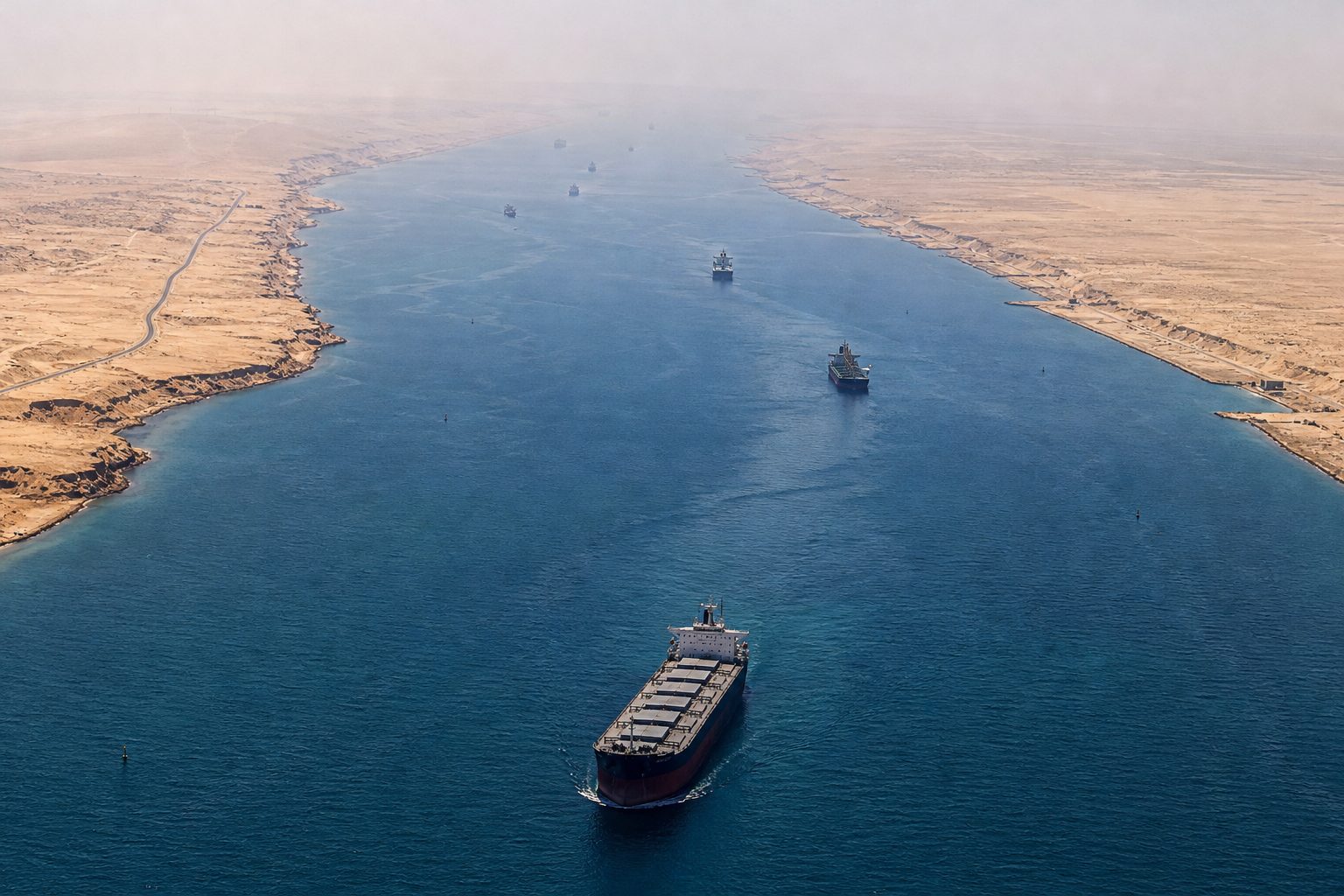
The Red Sea Ships pass through the narrow strait at the south end of the Red Sea, between Africa and Arabia. AI-generated illustration.
We are not insisting on Massawa or Assab specifically.Abiy Ahmed, October 2023, seeking what he called an “accessible gateway” (as quoted by The EastAfrican)
The Government of Eritrea reiterates that it will not, as ever, be drawn into such alleys and platforms.Eritrea’s Ministry of Information, October 2023, as quoted by The EastAfrican
Old coasts, new claims Al Majalla: Eritrea treats Assab as an inseparable part of its sovereignty; Ethiopia calls sea access existential. AI-generated illustration.
Chapter VII · The sea
Two positions
Al Jazeera (7 November 2023): in an address on 13 October 2023 Abiy called Red Sea access “an existential issue” and said “150 million people cannot reside in a geographical prison”, citing Ethiopia’s projected population for 2030; Eritrea, Djibouti and Somalia issued statements refusing to discuss a port deal that “bargains with territorial sovereignty”. Africanews (26 October 2023): “Ethiopia will not assert its interests through war”; “Ethiopia has never invaded any country and will not do so in the future.” The EastAfrican (October 2023) quotes Abiy (“We are not insisting on Massawa or Assab specifically”) and Eritrea’s Information Ministry (“will not, as ever, be drawn into such alleys and platforms”). Al Jazeera (2 October 2026): Ethiopia announced the closure of its embassy in Asmara and expelled ten Eritrean diplomats; Eritrea severed diplomatic ties, saying Ethiopia had left it “no option”, accusing it of an “agenda of incessant hostility” and of infringing on its coastal areas. Ethiopia accuses Eritrea of backing armed groups opposed to its government, which Eritrea rejects. Al Majalla (2026): Eritrea sees Assab as a key and inseparable part of its sovereignty.
The 3D map is schematic: coastlines, borders, claim lines and routes are approximate and not for navigation.
In more than a century, this line has been a colonial frontier, a federal boundary, a province's edge and an international border.
Commissions ruled where it runs, but not the question beneath it: one country holds the coast, and its much larger neighbour says it needs the sea.
Who will hold Badme, and whether Ethiopia reaches the sea by talks or by force, is still an open question.
1890 Italian colony of Eritrea
1896 Adwa
1952 UN federation
1962 federation dissolved
1993 independence
1998–2000 border war
2018 peace declarations
2026 ties cut; clashes reported
Ethiopia and Eritrea, in eight datesA river for a border The 2002 commission had to read the border from colonial-era treaties, among them the one of 1902. AI-generated illustration.
pictures: AI-generated illustrations, not photographs
map: schematic, borders and lines approximate
the November 2026 reports were unconfirmed
About this film
Epilogue · Sources
Sources
Every fact in this film comes from the sources below. Where they differ, the film says so: who fired first in May 1998 (accounts differ), how much of Eritrea Ethiopia held in 2000 (a quarter to a third), the death toll of 1998–2000 (most accounts 70,000–100,000), and the Tigray war toll (an estimate cited by the AU mediator). The news of November 2026 is reported, not confirmed. The still pictures are AI-generated illustrations, not photographs, and show no real people. The 3D map is a schematic teaching model: borders, claim lines and routes are approximate.